
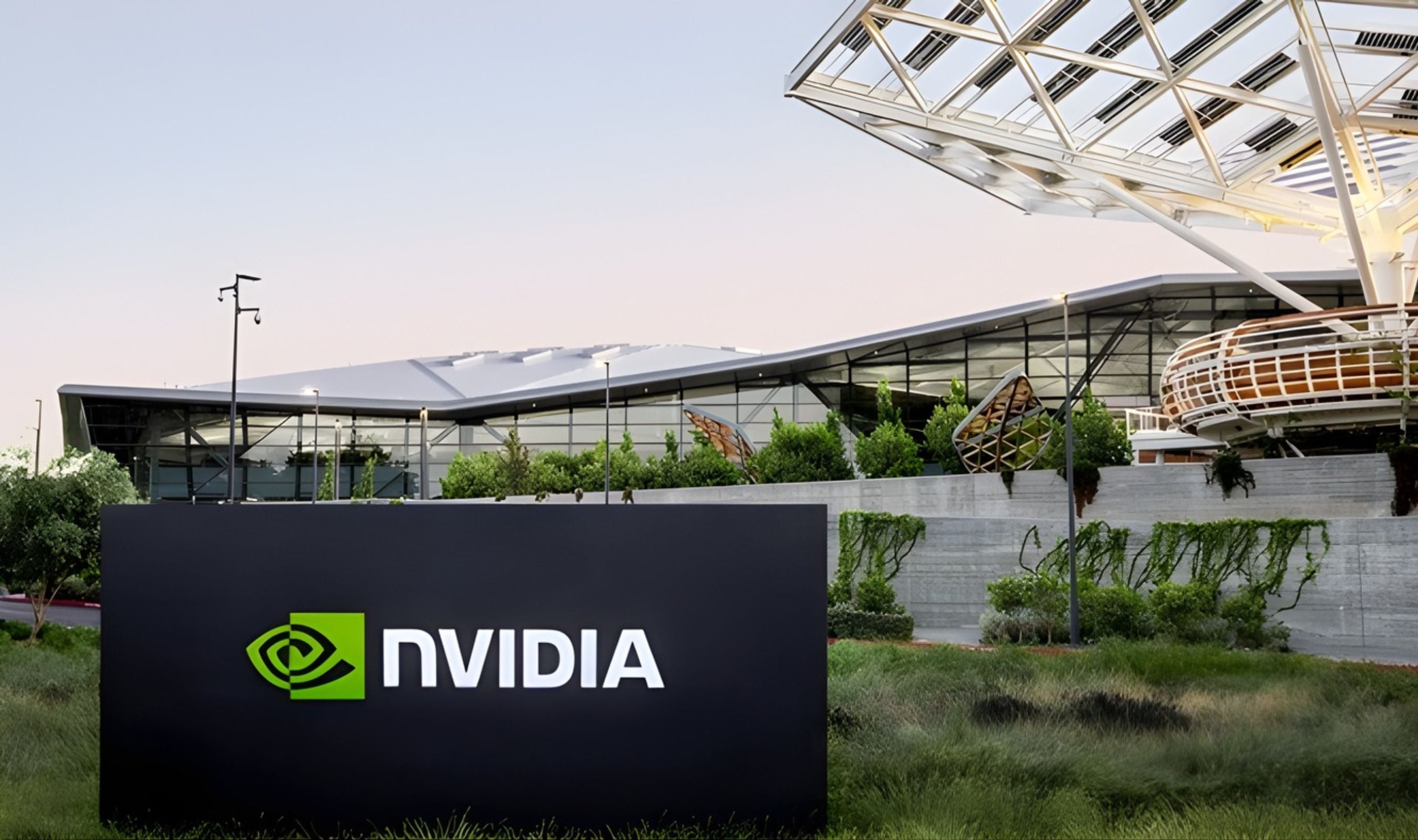
Nvidia is committing $4 billion to secure the optical components needed for next-generation AI infrastructure, investing $2 billion each in photonics specialists Coherent and Lumentum.
The chipmaker announced the dual strategic partnerships on Monday as it moves to lock down critical supply chains for gigawatt-scale AI data centers.
Both deals include multi-billion dollar purchase commitments from Nvidia for advanced laser and optical networking products. The investments will fund expanded U.S.-based manufacturing capacity while securing future access rights to components essential for silicon photonics development.
Lumentum shares jumped 8% following the announcement, with Coherent gaining 13% in premarket trading. The market reaction reflects growing recognition of optics technology as a bottleneck in scaling AI infrastructure beyond current electrical connection limitations.
Nvidia will work directly with Coherent on developing next-generation silicon photonics specifically for AI infrastructure applications.
This technology uses light instead of electricity to transmit data across computer systems, addressing speed constraints that traditional connections cannot overcome at modern AI scales. The partnership with Lumentum establishes a multi-year strategic agreement that includes secured capacity rights for advanced laser components.
Both arrangements are nonexclusive but provide Nvidia with priority access to production output as these companies expand their U.S. manufacturing operations.
Funding will support research and development alongside manufacturing expansion within the United States, aligning with broader efforts to localize advanced technology supply chains.
The investments come as hyperscaler spending on AI infrastructure projects reaches hundreds of billions through 2027.
Nvidia's move follows its recent financial performance showing $68.1 billion revenue for the quarter ended January 2026, a 73% year-over-year increase. Full fiscal year 2026 revenue reached $215.9 billion, up 65% from the previous year.
The chipmaker's push into optics technology represents a shift beyond semiconductor design into securing entire component ecosystems necessary for building what CEO Jensen Huang calls "gigawatt-scale AI factories." These facilities require optical interconnects capable of handling unprecedented data transfer volumes between AI processors.