
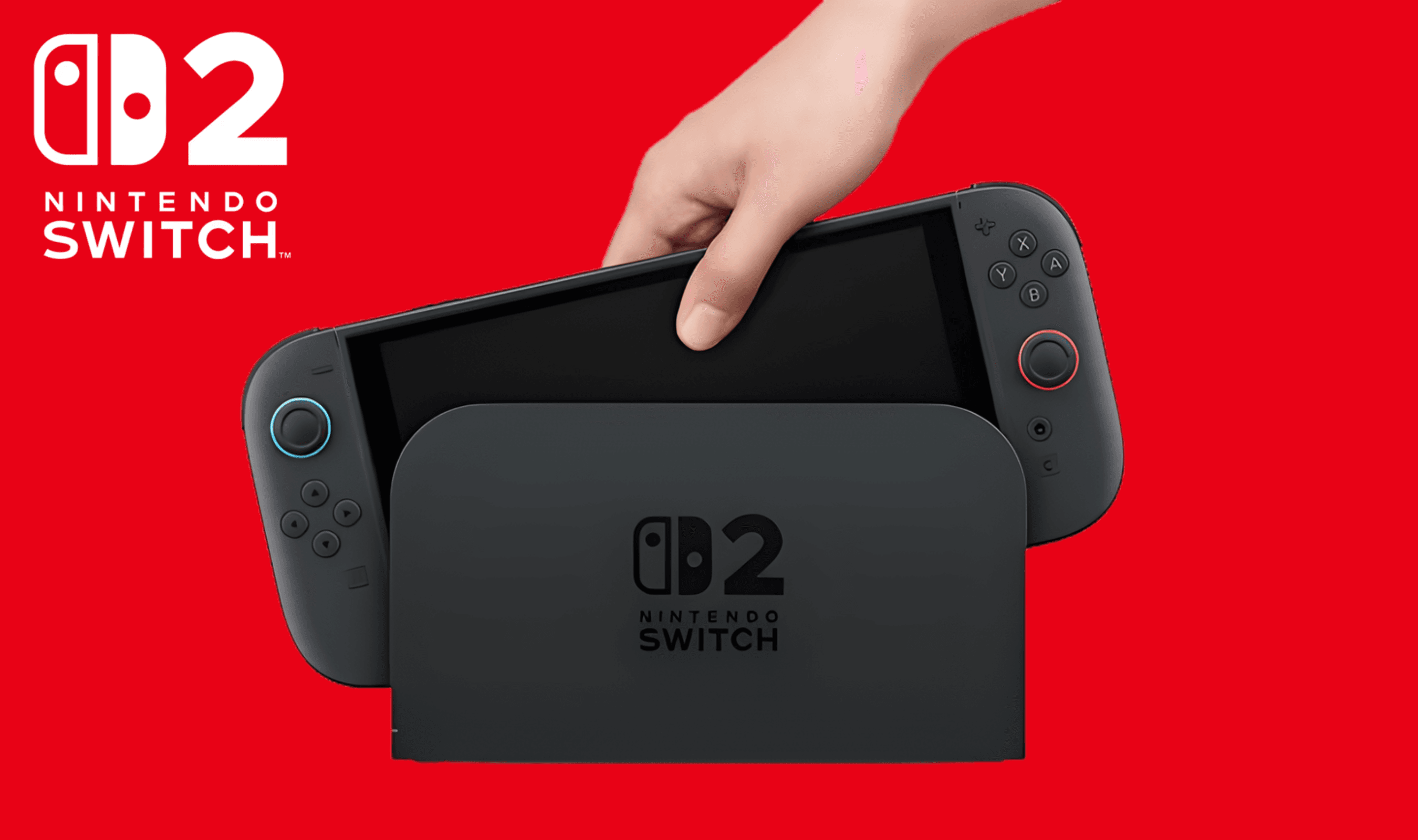
Nintendo president Shuntaro Furukawa confirmed the company will prioritize Switch 2 unit sales over hardware profitability amid rising memory costs. The strategy focuses on expanding the console's install base to drive long-term software revenue.
Memory component prices increased faster than Nintendo anticipated, according to Furukawa's comments during a February 2026 earnings Q&A. He stated the company secured stable memory supplies through long-term partnerships, preventing immediate impact on Switch 2 profitability.
Analysts project Nintendo could lose $35 to $50 per Switch 2 unit sold if memory costs continue rising through 2026. The console currently maintains a $23 gross margin per unit, but component price increases threaten to erase that profit.
Nintendo plans to offset memory cost pressures through mass production economies of scale. Furukawa emphasized hardware profitability typically improves with larger production volumes, making unit sales expansion critical.
The company has not decided on Switch 2 price increases despite component cost pressures. Any pricing changes would consider multiple factors including installed base size, sales trends, and market conditions.
Switch 2 launched in June 2025 at $449, significantly higher than the original Switch's $299 price. The console sold 17.37 million units through December 2025, including 7 million during the holiday quarter.
Nintendo forecasts 15 million Switch 2 hardware sales and 45 million software units for fiscal year 2026. The company expects the new console to boost overall sales by 63% compared to previous projections.
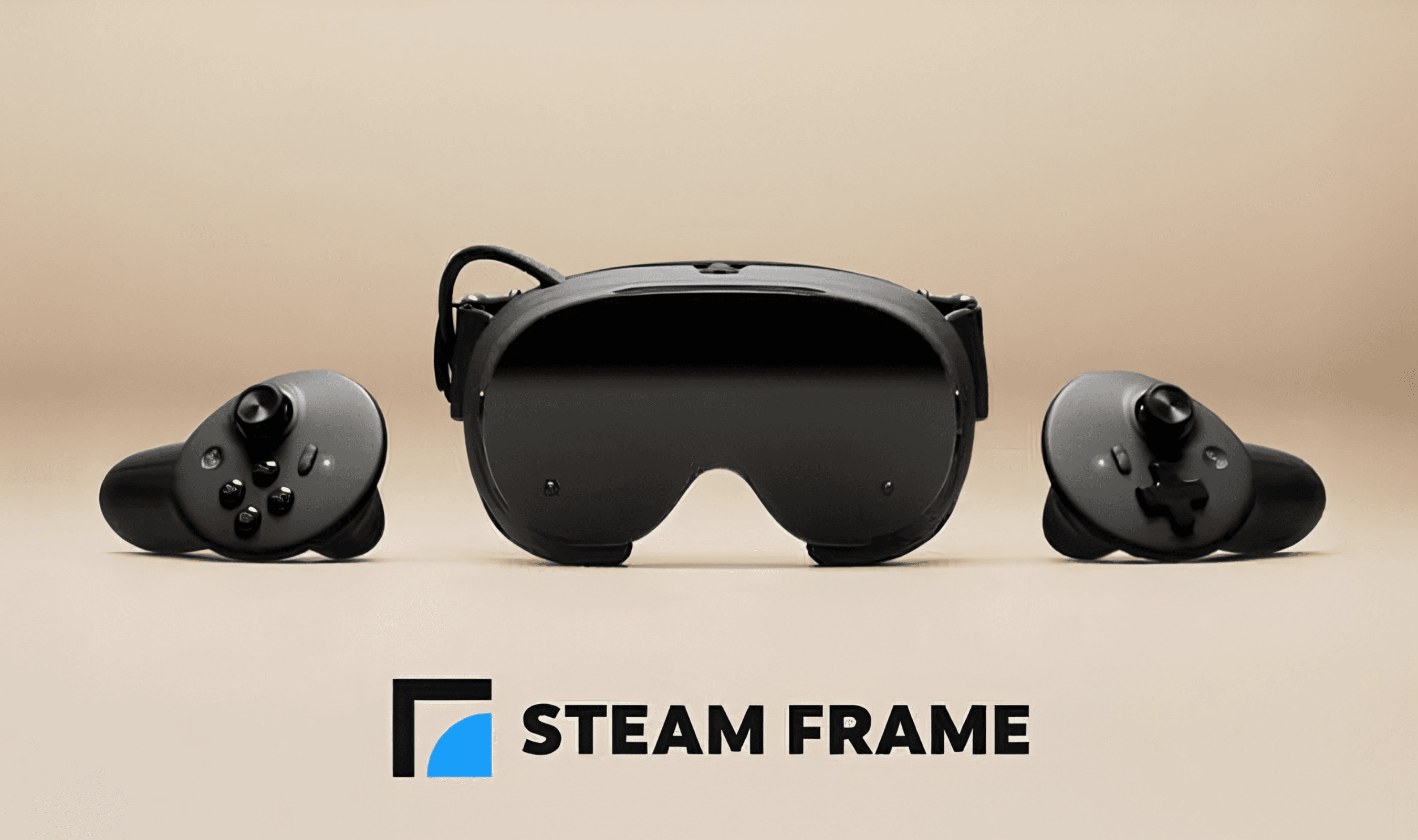
Memory shortages stem from AI data center demand and generative AI expansion affecting the entire tech industry. Valve delayed new hardware launches due to component shortages, while Nvidia reportedly cut gaming GPU production by up to 40% for 2026, reportedly skipping gaming GPU releases entirely to prioritize AI chips.
Furukawa described the Switch 2's second and third years as particularly important for establishing market position. Expanding hardware ownership creates opportunities for software sales growth, which typically generates higher margins than hardware.
The company maintains higher-than-usual Switch 2 inventory to address potential supply chain issues. This stockpiling began before the holiday season to ensure adequate launch availability and continued production capacity.
Nintendo reported ¥1.9 trillion ($12.3 billion) in net sales for the nine months ending December 31, 2025. Operating profit reached ¥300.4 billion ($1.9 billion) during the same period.
U.S. tariff policies present additional challenges for Nintendo's pricing strategy. Furukawa previously expressed concern that increased living costs could reduce consumer spending on gaming consoles.
The company continues releasing updates for popular Switch titles like Animal Crossing: New Horizons and Splatoon 3. These updates maintain user engagement during the transition from Switch to Switch 2 hardware.
Nintendo's strategy, prioritizing install base over hardware margins, is a calculated bet that long-term software revenue will offset potential losses.