
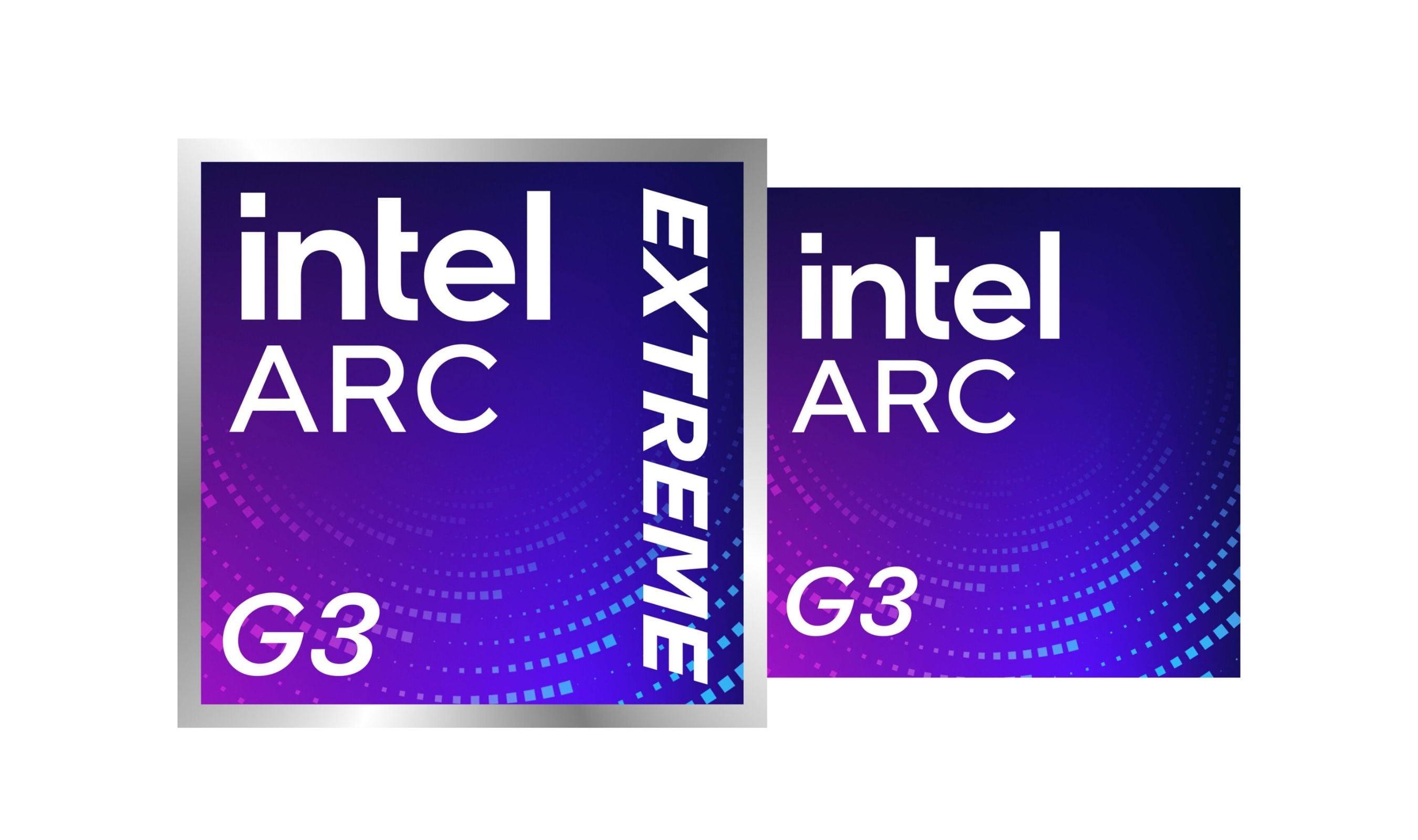
Intel is taking its first real shot at AMD's grip on Windows gaming handhelds. At Computex 2026, the company unveiled the Arc G3 and G3 Extreme chips, purpose-built for handheld gaming PCs and based on the Panther Lake architecture that debuted at CES earlier this year. The G3 Extreme leads with 14 CPU cores (2 performance, 8 efficiency, 4 low-power) and a 12-core Arc B390 GPU clocked at 2.3GHz. IGN reports the chip should hit 60+ fps in most AAA games at low to medium settings. The standard G3 drops to a 10-core Arc B370 at 2.2GHz, with performance expected to land 10-20% below the Extreme variant.
Both chips are built on Intel's 18A process and share the same core configuration. The difference is entirely in the integrated graphics silicon, with the B390 packing 12 Xe3 cores based on Intel's Celestial architecture versus the B370's 10.
Acer is first out of the gate with the Predator Atlas 8, an 8-inch handheld packing the G3 Extreme, up to 24GB of LPDDR5x-7467 RAM, a 1200p 120Hz display, and a 1TB SSD. Intel says devices from MSI (Claw 8 EX AI+) and OneXPlayer are also coming in the next few months. The pitch goes beyond raw specs. Intel is optimizing the chips for Windows 11's full-screen Xbox mode, aiming to sidestep the clunky desktop interface that has frustrated handheld users.
Select games will also load faster through Intel Precompiled Shaders, which stream optimized shaders from the cloud rather than compiling them on-device. Supported titles currently include Black Myth: Wukong, Call of Duty: Black Ops 6 and 7, and The Outer Worlds 2. The bigger question is battery life, the category's persistent weak spot. AMD's Ryzen Z2 chips, which power most current Windows handhelds, have drawn criticism for mediocre endurance under gaming loads.
Intel's Panther Lake laptops have shown strong efficiency, and the Arc G3 series inherits that architecture. The chips also support XeSS multi-frame generation, which could help the G3 Extreme push higher frame rates on fast displays without crushing battery.
Intel has been teasing this push since CES, when it first showed Panther Lake mobile silicon. The chips were previously referred to internally as "Core G3" and reportedly faced delays into Q2 2026.
Tom's Hardware notes Intel has taken public digs at AMD's Z2 series, calling it "ancient silicon."
Pricing remains unknown, but the Acer Predator Atlas 8 is expected to land in the $900 range by the time it ships in the coming months.