
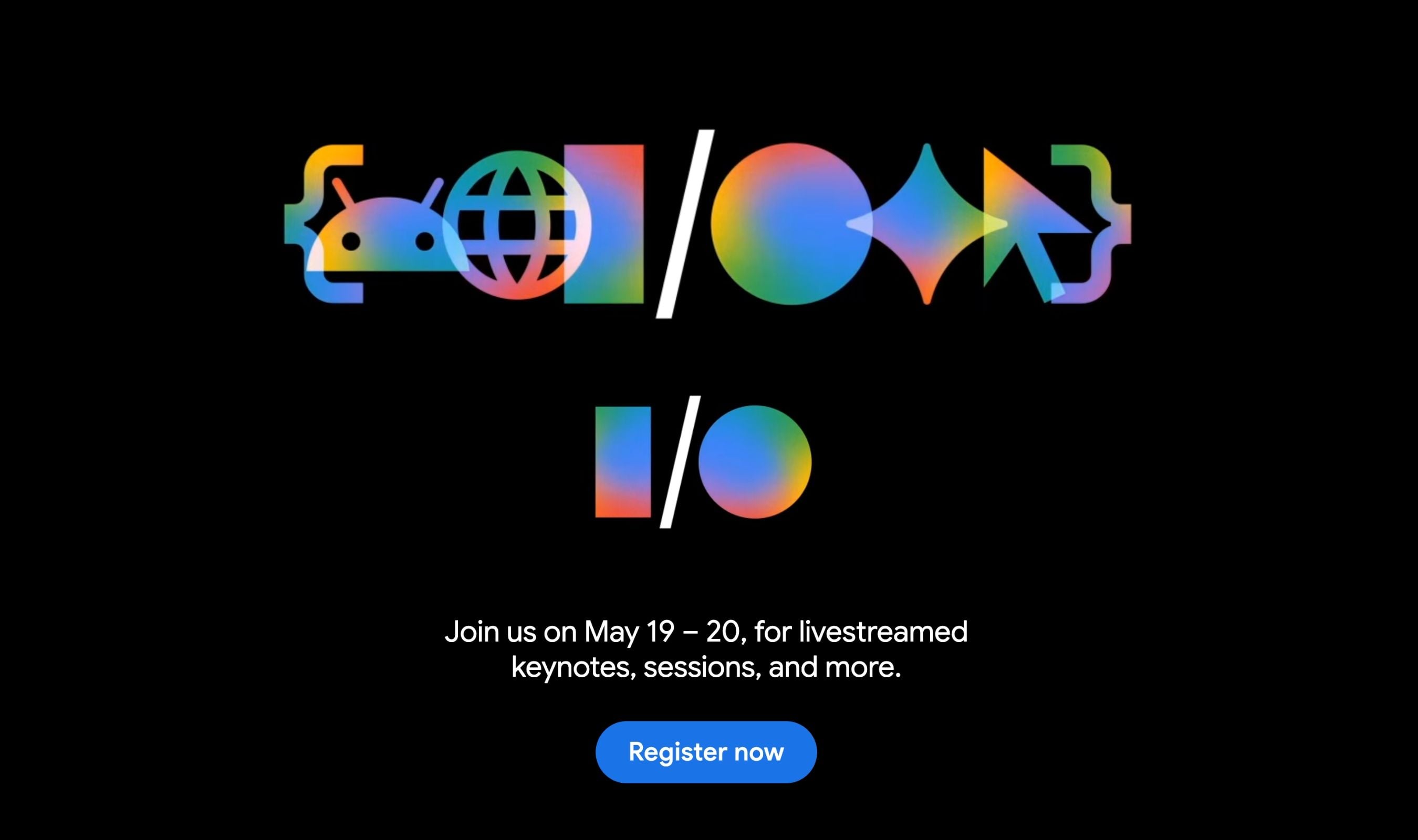
Google has published the initial session lineup for its I/O 2026 developer conference, revealing an intense focus on artificial intelligence and Android 17 improvements ahead of next month's event. The two-day conference runs May 19-20 at Mountain View's Shoreline Amphitheatre, with livestreams beginning at 10 AM Pacific Time.
The schedule shows Google positioning this year's event as its most AI-heavy developer conference yet. Day one includes dedicated "What's new" sessions for Google AI, Android, Chrome, and agent-first workflows from prompt to production.
This comes as OpenAI's GPT-5 and Anthropic's Claude 4 have established aggressive benchmarks in the AI space.
Android 17 will receive significant attention during the conference, with sessions promising performance improvements and new capabilities. The operating system update is expected to feature Gemini Nano 3 baked directly into the OS for on-device AI processing without server communication.
Early testers report meaningful battery life improvements from adaptive performance features that predict user behavior.
Google's transparency about the I/O schedule marks a departure from previous years when announcements often involved puzzle-solving exercises. The company has been teasing the event since mid-February but now provides concrete session details including keynote times and technical deep dives.
The Google Keynote runs from 10:00 AM to 11:45 AM PT on May 19, followed by a Developer Keynote from 1:30 PM to 2:45 PM PT. Technical sessions continue into May 20 with on-demand content and codelabs available starting May 21.
Session summaries suggest practical tools for scaling AI implementations will be a central theme.
Material You 3 design language is expected to debut alongside Android 17, bringing refined widget aesthetics and system-wide Smart Reply features that understand conversation context across multiple apps rather than just the last message. Chrome updates will focus on web UI advancements landing in browsers today.
Developers will get access to Google's end-to-end AI stack through sessions exploring infrastructure for building next-generation applications. The company faces pressure to demonstrate that Gemini can compete effectively against rival AI models that have gained developer preference in recent months.
Registration remains open for the hybrid event combining in-person attendance at Mountain View with global livestream access. Google typically adds more sessions closer to the event date, with complete schedules often finalized after the main keynote presentations.