
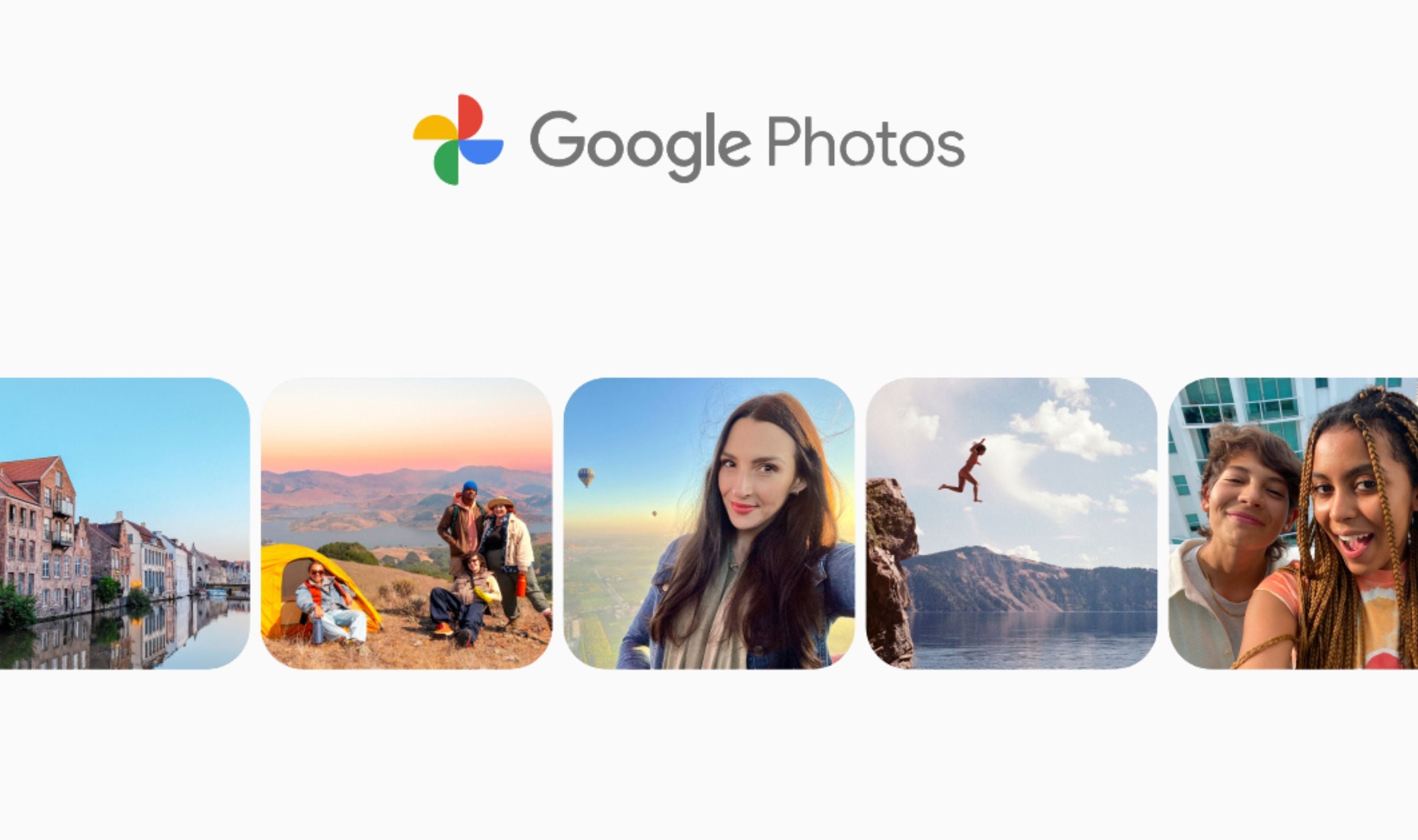
Video playback speed controls have arrived in Google Photos after years of user requests, bringing the service in line with basic functionality found in nearly every other media app. Android users can now watch videos at speeds ranging from 0.5x to 2x directly within the app, eliminating the need to export clips to third-party editors for simple speed adjustments.
The update began rolling out earlier this month through a staggered release that varies by device and region. Some Android devices will receive the photo editing enhancements first, with video controls following as the rollout expands.
This gradual deployment means not every user will see both features simultaneously.
Alongside the long-awaited video controls, Google Photos introduced an AI Enhance button designed to streamline photo editing. The one-tap option replaces manual adjustments to lighting and contrast, automating decisions that previously required multiple slider adjustments.
Both features represent Google's effort to address longstanding gaps in its photo management platform's editing capabilities. For years, Google Photos has trailed competing media apps in basic playback functionality while focusing on cloud storage and AI organization tools.
The service reached 1 billion users within four years of its 2015 launch but maintained surprisingly limited native editing options compared to platforms like Apple Photos or dedicated video players.
The video speed feature arrives as Google expands Photos' presence beyond mobile devices. A dedicated Google Photos app launched on select 2026 Samsung TVs earlier this month, integrating with Samsung's Daily Board widget and Daily+ interface. The TV app displays memories in full screen while offering limited functionality compared to mobile versions.
Android users checking for the update should look for playback speed options during video playback, accessible without dealing with through multiple menus. iOS support has no confirmed timeline but typically follows Android releases after initial testing periods conclude on Google's primary mobile platform.