
Water resistance defeated the EU's push for user-replaceable batteries in smartwatches and fitness trackers. The European Commission last week expanded exemptions to its Batteries Regulation, adding six new product categories that won't need to offer batteries users can swap themselves. Smartwatches, fitness trackers, smart glasses, and electric toothbrushes all made the list.
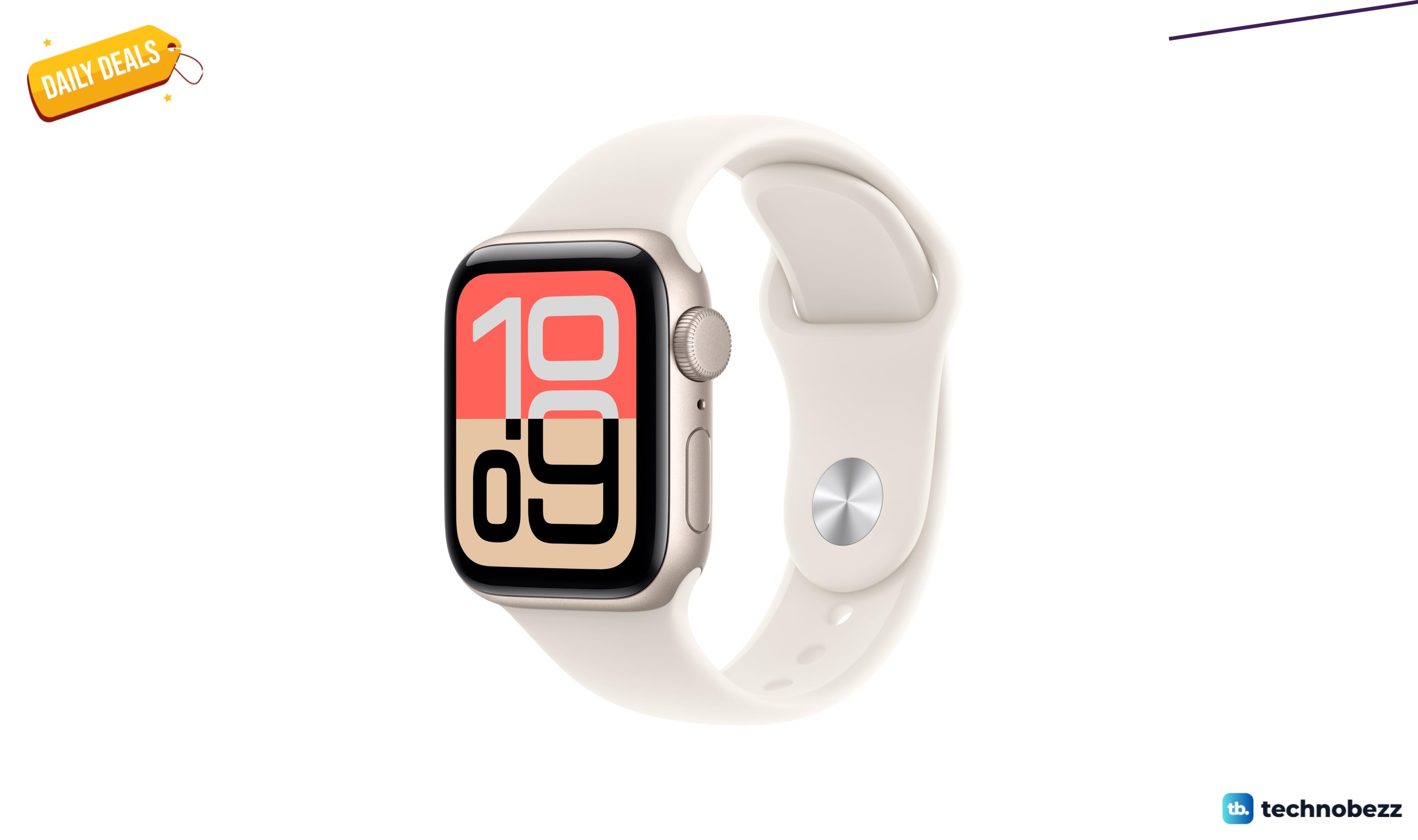
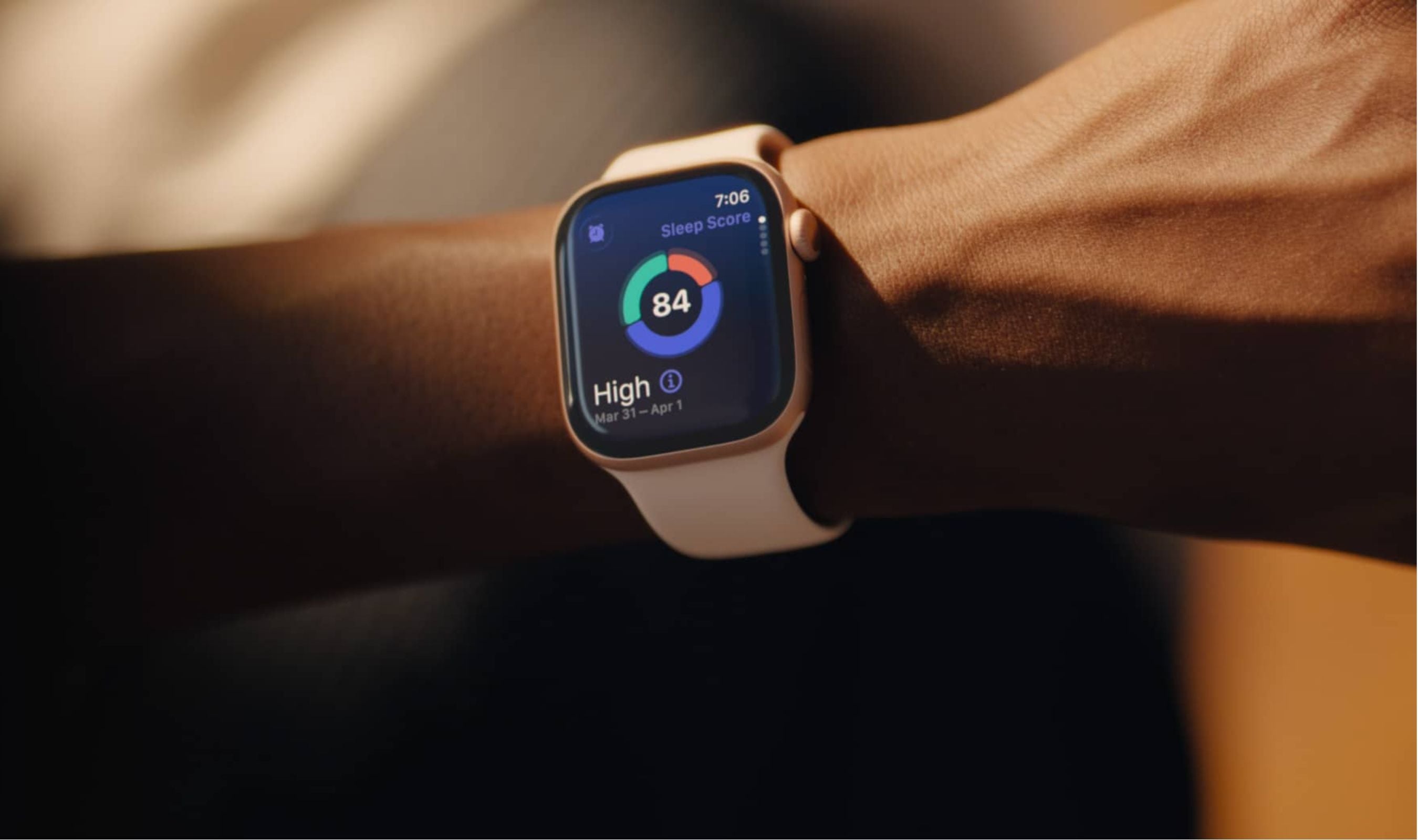
The Apple Watch, Google Fitbit Air, and Meta Ray-Ban Smart Glasses are now free to keep their sealed designs. The reasoning comes down to physics, not lobbying. Opening a compact, water-resistant enclosure and failing to reseal it properly creates a genuine safety risk.
The Commission's exemption covers devices where water resistance, durability, or safety could be compromised by user battery access, plus products too small for safe battery replacement or reliant on sealed enclosures. The timing drew scrutiny.
The change followed months of pushback from U.S. officials over rules that had reportedly complicated Meta's plans to bring display-equipped smart glasses to Europe. A Commission spokesperson told Politico the EU "has not given in to anyone's pressure," adding that the exemption followed a broad public consultation and "is not about regulating one specific product."
Water resistance is the decisive factor. Forbes notes that even conventional watches lose water resistance once the case is opened; restoring it requires specialist pressure testing. A fitness tracker redesigned for user-swappable batteries would need a fundamentally different, likely thicker, build to maintain waterproofing.
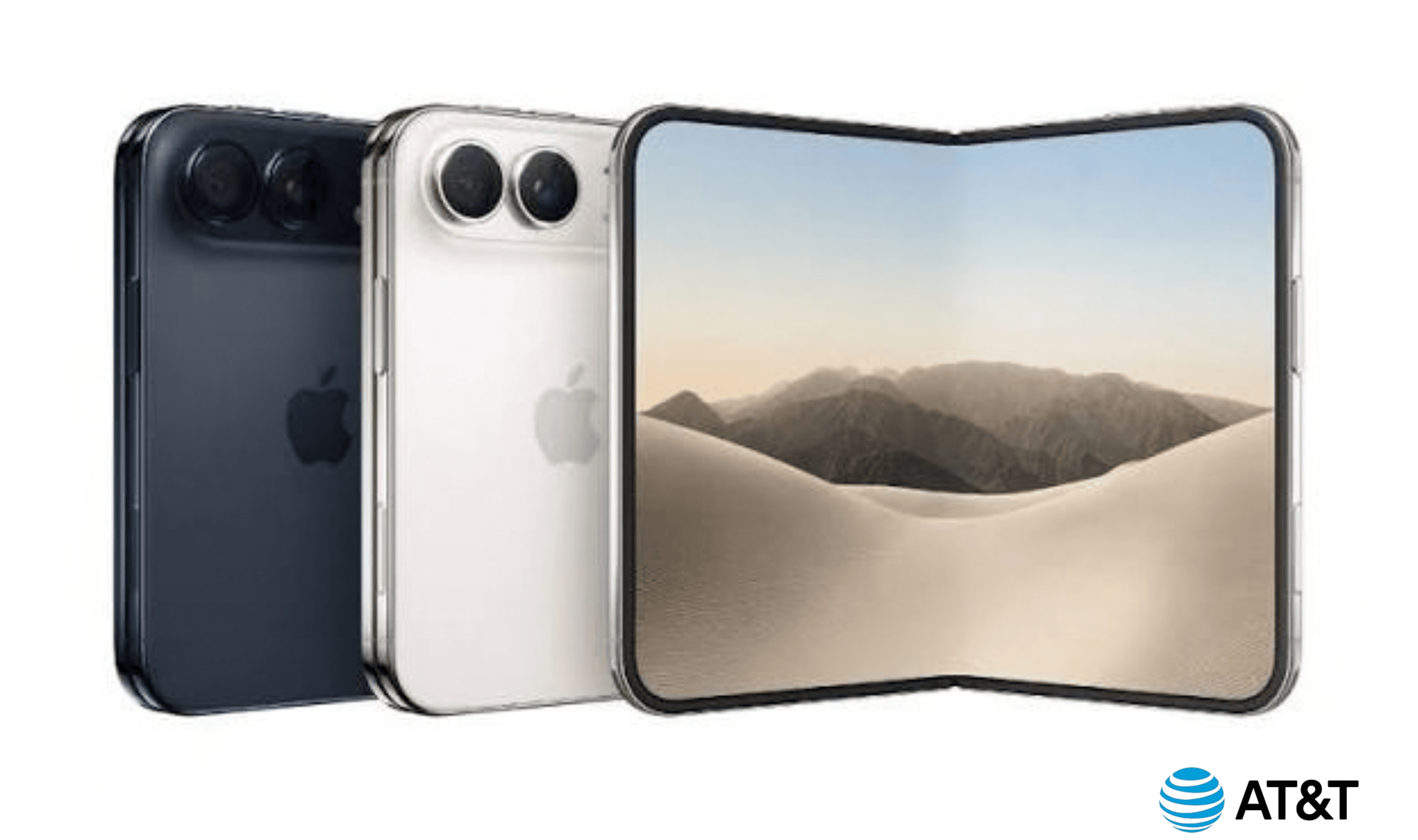
The iPhone was already exempt under the original regulation due to its battery cycle life and water resistance rating. Apple offers battery service through Apple Stores, authorized providers, and its Self Service Repair program.
Wearables will only need to be designed for professional battery replacement, not end-user access. The delegated act still faces scrutiny from the European Parliament and the Council of the EU. It takes effect 20 days after publication in the Official Journal of the EU if neither body objects, ahead of the regulation's wider enforcement in 2027.
Not every device gets a pass. Nintendo has already said it will sell a version of the Switch 2 in the EU with a user-replaceable battery to comply. And from February 18, 2027, smartphones and tablets must be designed so batteries can be swapped without special tools, with replacement parts available for at least five years.
For anyone who bought an Apple Watch hoping for a future where they could pop in a fresh battery themselves: that future won't include wearables. The trade-off between repairability and water resistance is one the EU has now formally conceded.