
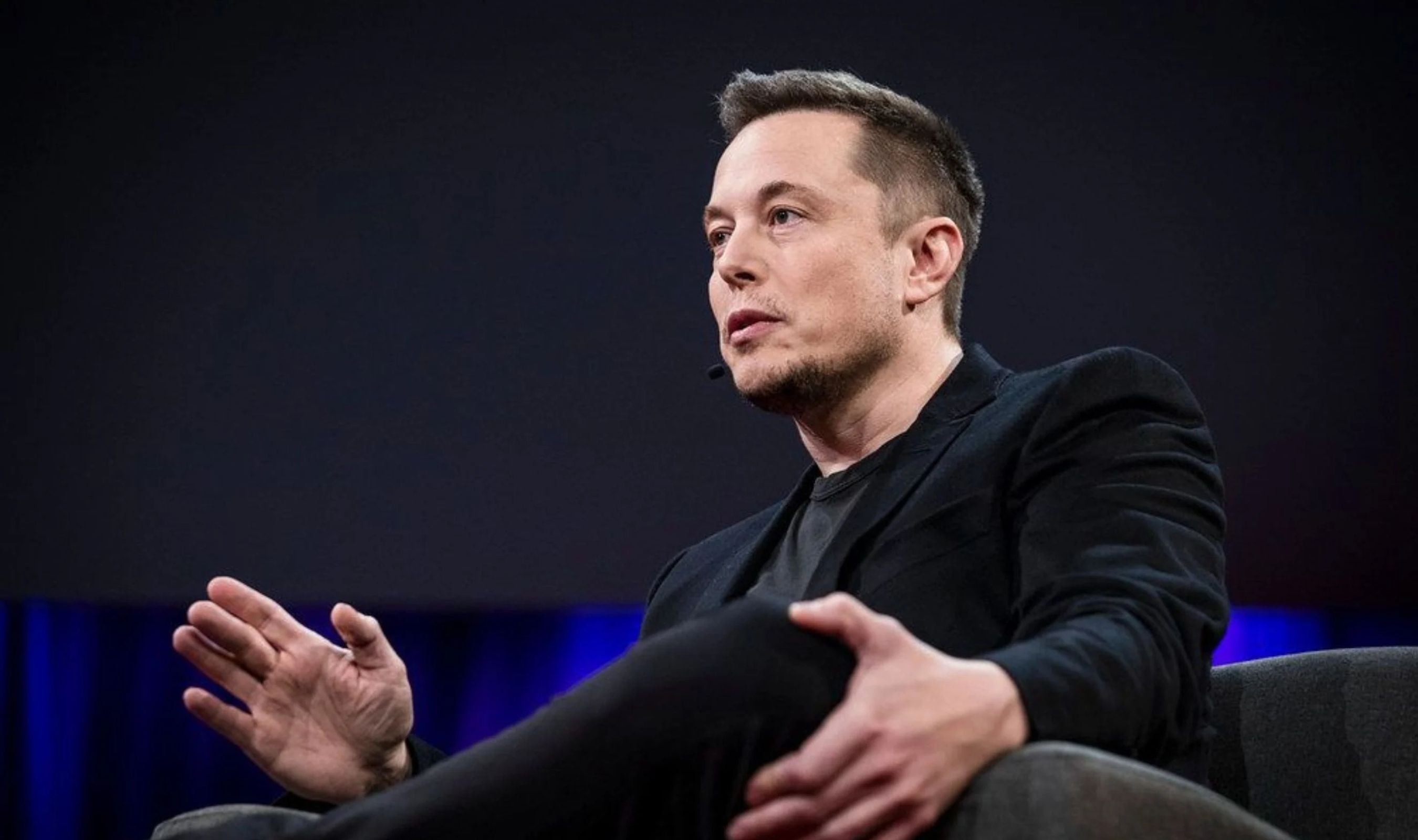
Two tech billionaires walked into a federal courthouse in Oakland this week. One accused the other of stealing a charity. The other says he's just a sore loser who didn't get his way. The Musk vs. OpenAI trial opened Monday with jury selection and moved to opening statements Tuesday, pitting Elon Musk against Sam Altman in a legal fight that will determine control of a company now valued at $852 billion.
Musk took the stand as the first witness. At its core, the case is about whether Altman and OpenAI president Greg Brockman breached their founding agreement by converting OpenAI from a nonprofit into a for-profit enterprise. Musk invested roughly $38 million in the venture between 2015 and 2017, according to court filings, and argues the shift enriched Altman and Brockman at the expense of the company's original mission: developing AI safely for humanity.
"The defendants in this case stole a charity," Steven Molo, Musk's lead attorney, told the jury in his opening statement.
OpenAI's legal team told a different story. William Savitt, lead counsel for OpenAI and Altman, argued that Musk was fully aware of and involved in discussions about creating a for-profit subsidiary. The split happened because Musk wanted control, Savitt said -- he proposed merging OpenAI into Tesla, and when other founders refused to hand over "the keys of artificial intelligence to one person," he walked away.
"We're here because Mr. Musk didn't get his way at OpenAI," Savitt said. "Because he's a competitor. He will do anything he can to attack OpenAI." The trial is unfolding under U.S. District Judge Yvonne Gonzalez Rogers in Oakland, with an advisory jury expected to deliberate after roughly three weeks of testimony.
Both sides have been warned against using social media to influence proceedings.
Musk originally sought more than $100 billion in damages but dropped that claim after pretrial rulings narrowed his case. He now seeks an unspecified amount to be redirected to OpenAI's charitable arm, plus Altman's removal from OpenAI's nonprofit board and both Altman and Brockman's ouster as officers of the for-profit entity.
OpenAI has framed the lawsuit as sour grapes from a founder who launched his own competing AI company, xAI (now part of SpaceX), in 2023 and wants to kneecap a rival. The stakes extend beyond personal grievances. A win for Musk would force OpenAI to restructure its finances at a time when it needs massive capital to compete in the AI arms race. The company closed March with an $852 billion valuation, backed by Microsoft -- which invested $10 billion in 2023 after Musk cut off funding.
Discovery has already produced damaging material on both sides. Internal documents showed Brockman writing in 2017 that turning OpenAI into a for-profit would require "a very nasty fight" because Musk would correctly say "we weren't honest with him." Other evidence includes questions about Musk's attendance at Burning Man and his relationship with former OpenAI board member Shivon Zilis, who is also the mother of four of his children.
Altman faces his own scrutiny. A New Yorker profile published earlier this month painted him as an unscrupulous executive.
Days later, police arrested a 20-year-old man on attempted murder charges after he threw a Molotov cocktail at Altman's San Francisco home.
Witnesses expected to testify include Microsoft CEO Satya Nadella, key researchers from OpenAI's early days, and both founders themselves.