

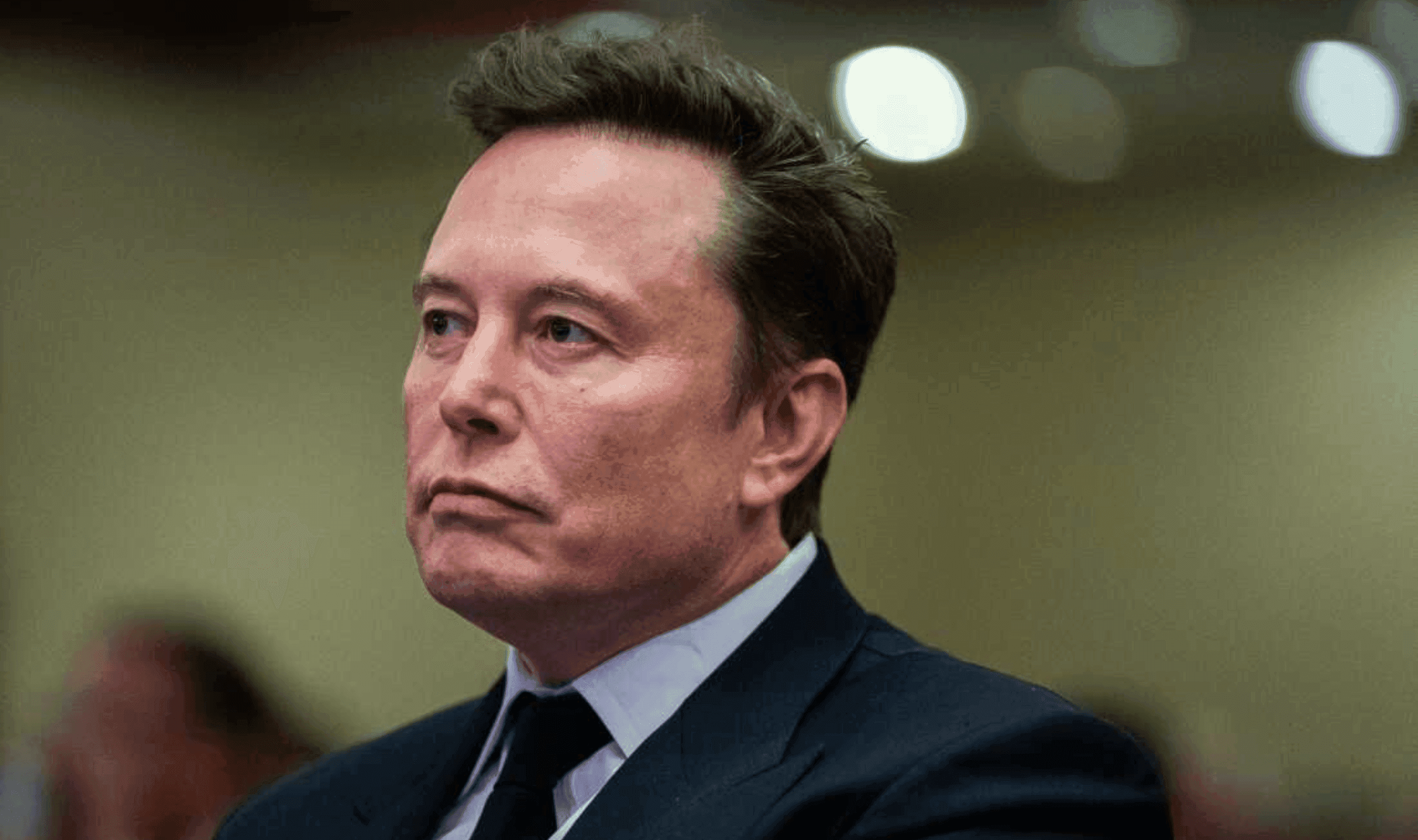
Opening arguments began Tuesday in the federal trial of Elon Musk v. OpenAI, and for mortgage lenders, the case is less about Silicon Valley egos than a stress test on the infrastructure they are increasingly embedding into lending workflows.
Musk, who co-founded OpenAI in 2015 with Sam Altman and Greg Brockman, is seeking $150 billion in damages from OpenAI and Microsoft along with structural changes that could force OpenAI back to nonprofit status. The case centers on whether Altman and Brockman abandoned the company's founding mission to develop AI for humanity's benefit, turning it instead into what Musk's team calls a "wealth machine." A jury of nine was seated Monday at the federal courthouse in Oakland, California. Opening statements kicked off Tuesday, with Musk, Altman, and Microsoft CEO Satya Nadella all expected to testify. For lenders, the core question has nothing to do with who wins.
OpenAI has evolved from a nonprofit research lab operating out of Brockman's apartment into a for-profit public benefit corporation worth $852 billion as of its most recent fundraising round. Its nonprofit arm still holds a 26% stake.
Microsoft owns 27%. The company now spends billions on computing power and faces competition from Anthropic and others. That trajectory mirrors what mortgage lenders already know from decades of vendor relationships: technology providers don't stay static, and their incentives shift over time.
AI tools are moving into underwriting, pricing, fraud detection, and borrower communication at a pace that outruns the governance frameworks around them. The Musk-Altman trial surfaces hard questions about data control, vendor stability, and incentive alignment that most lenders haven't fully addressed. The court will hear evidence through mid-May. US District Judge Yvonne Gonzalez Rogers has set a target of May 12 for jury deliberations on liability.
If found liable, potential remedies could include rolling back OpenAI's for-profit transition entirely, an outcome that would reshape one of the most consequential companies in technology.
OpenAI has called Musk's suit a baseless harassment campaign. In a post on X Monday, the company wrote it "can't wait to make our case in court where both the truth and the law are on our side." The trial risks complicating OpenAI's reported plans for an IPO that could value the company at $1 trillion. But for lenders already using or evaluating AI tools tied to OpenAI's models through Microsoft Azure or direct integrations, the more immediate risk is simpler: relying on infrastructure whose governance is being decided in court.