
Chip stocks lost over $1 trillion in market value on Friday as Broadcom's weak earnings report triggered a broad selloff that dragged down Nvidia, Micron Technology, and AMD, with a stronger-than-expected jobs report compounding the damage. The PHLX Semiconductor Index slumped nearly 8.5% in afternoon trading, its steepest one-day drop since the "Liberation Day" tariff selloff in April 2025. Over two sessions, the index has shed more than 10% as investors reassess the sky-high valuations of AI chip stocks.
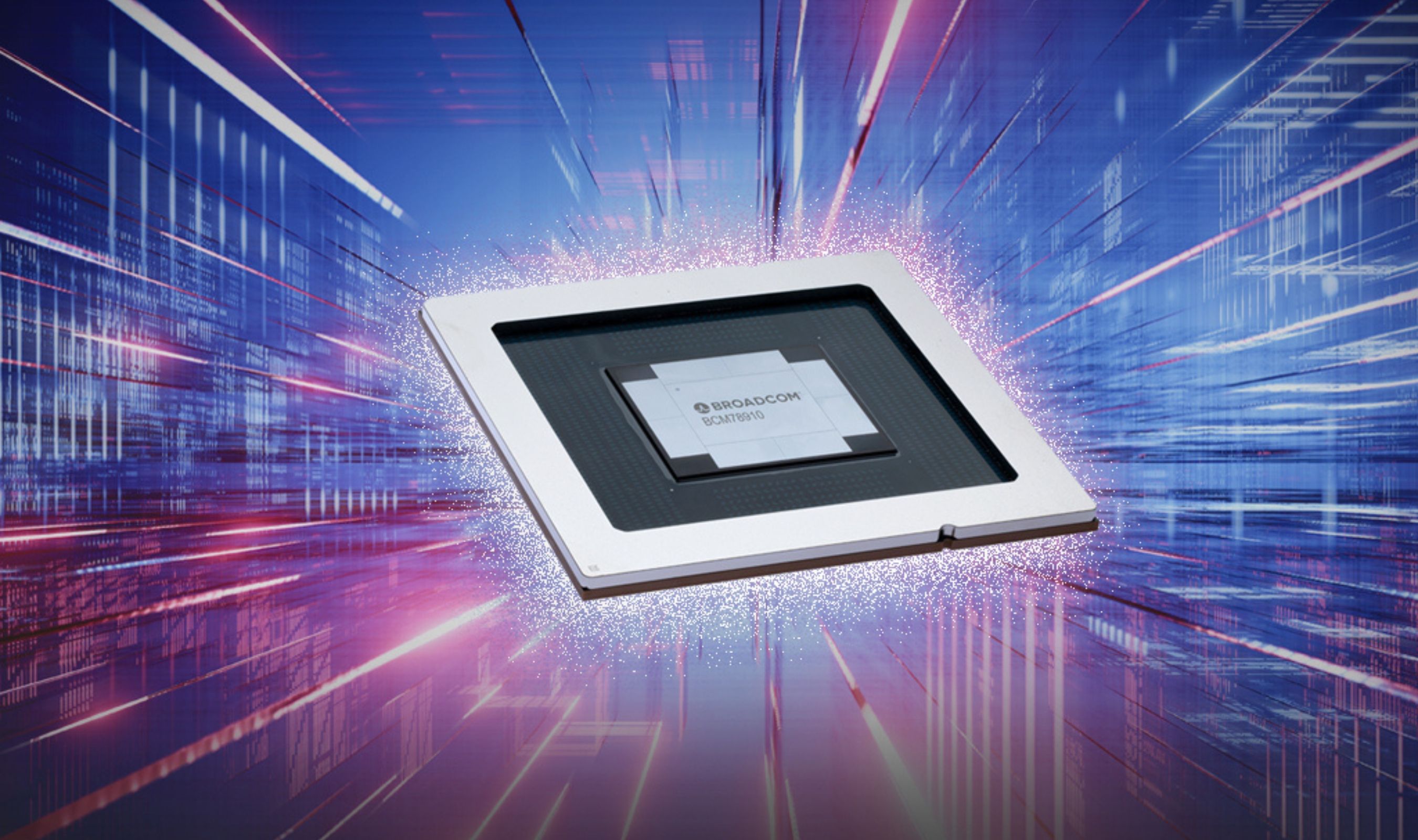
Broadcom, one of the biggest beneficiaries of the AI infrastructure buildout, fell 7.5% on Friday, bringing its two-day loss to 19%. The company reported weaker-than-expected earnings on Wednesday, with demand for its custom AI chips falling short of lofty expectations.
Nvidia dropped about 6%, wiping out more than $300 billion from its market capitalization. Micron Technology tumbled 11%, losing $127 billion in value.
Marvell Technology gave back 12%, and AMD fell 10.5%.
"These stocks have all had very strong runs," John Vinh, equity research analyst at Keybanc Capital Markets, told CNBC's "Squawk Box" on Thursday, pointing to repeated upward revisions, especially on the AI front. Vinh suggested the Broadcom reversal indicates market expectations have caught up with the chip sector's run.
Friday's selloff was amplified by stronger-than-expected U.S. jobs data, which reignited worries that interest rates could stay higher for longer. The S&P 500 fell 2.3% as the selloff spread beyond semiconductors. The rout adds to losses that began Thursday after Broadcom's quarterly report showed its custom AI chip business was not growing fast enough to justify its valuation. The company's revenue share for Alphabet's tensor processing units is expected to fall from roughly 95% in 2026 to 80% in 2027 and 65% in 2028, according to a Macquarie analysis. The two-day wipeout arrives just as Elon Musk prepares a blockbuster initial public offering for SpaceX next week at a $1.75 trillion valuation, putting additional pressure on a tech market already questioning premium pricing.
Even after Friday's losses, the PHLX chip index remains up 75% year to date. But the back-to-back rout has shifted the mood.
"You've had a lot of people here that were just blindly buying the dip," Dennis Dick, a proprietary trader at Triple D Trading, told Reuters. "Blindly buying the dip had been winning you money, but that ended today."