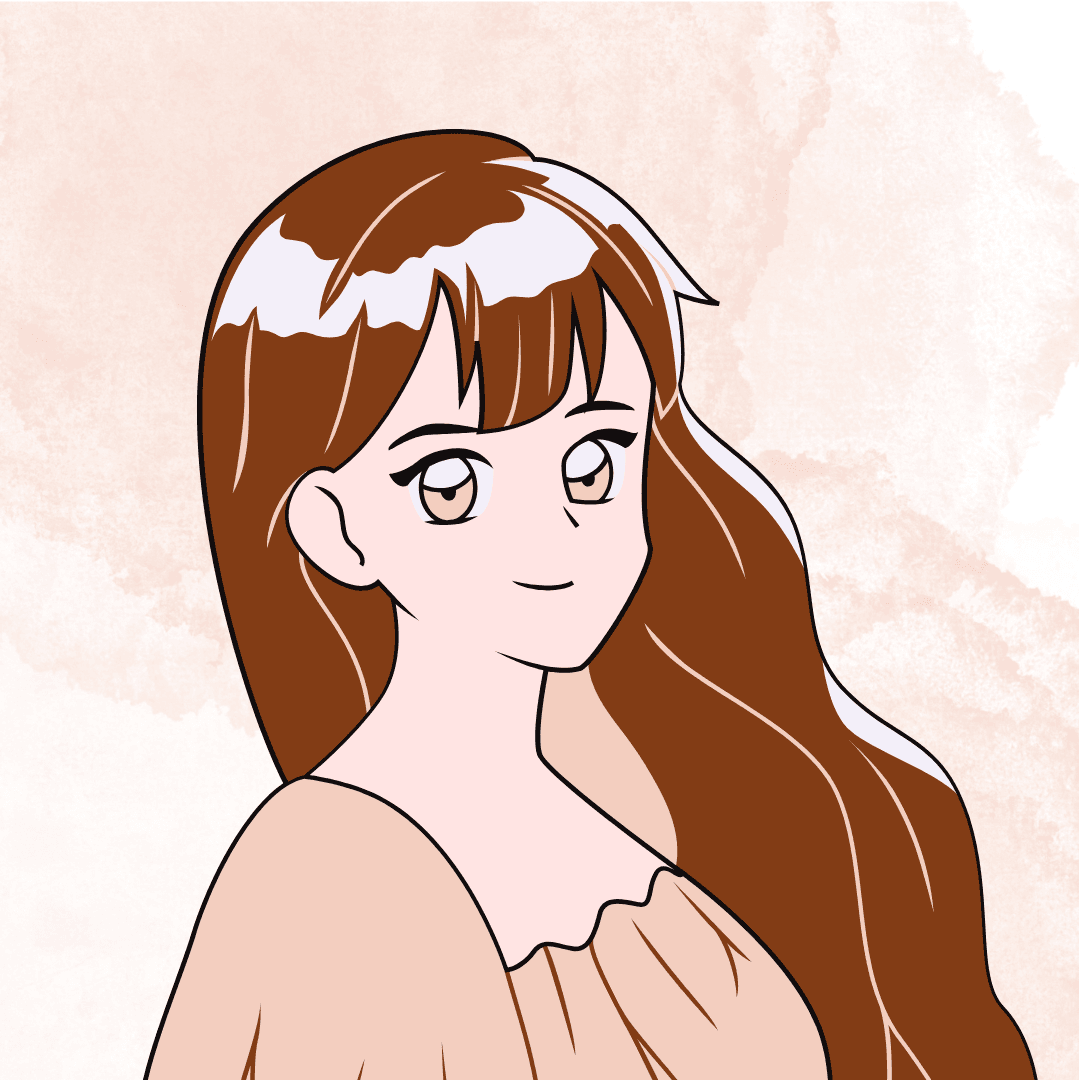

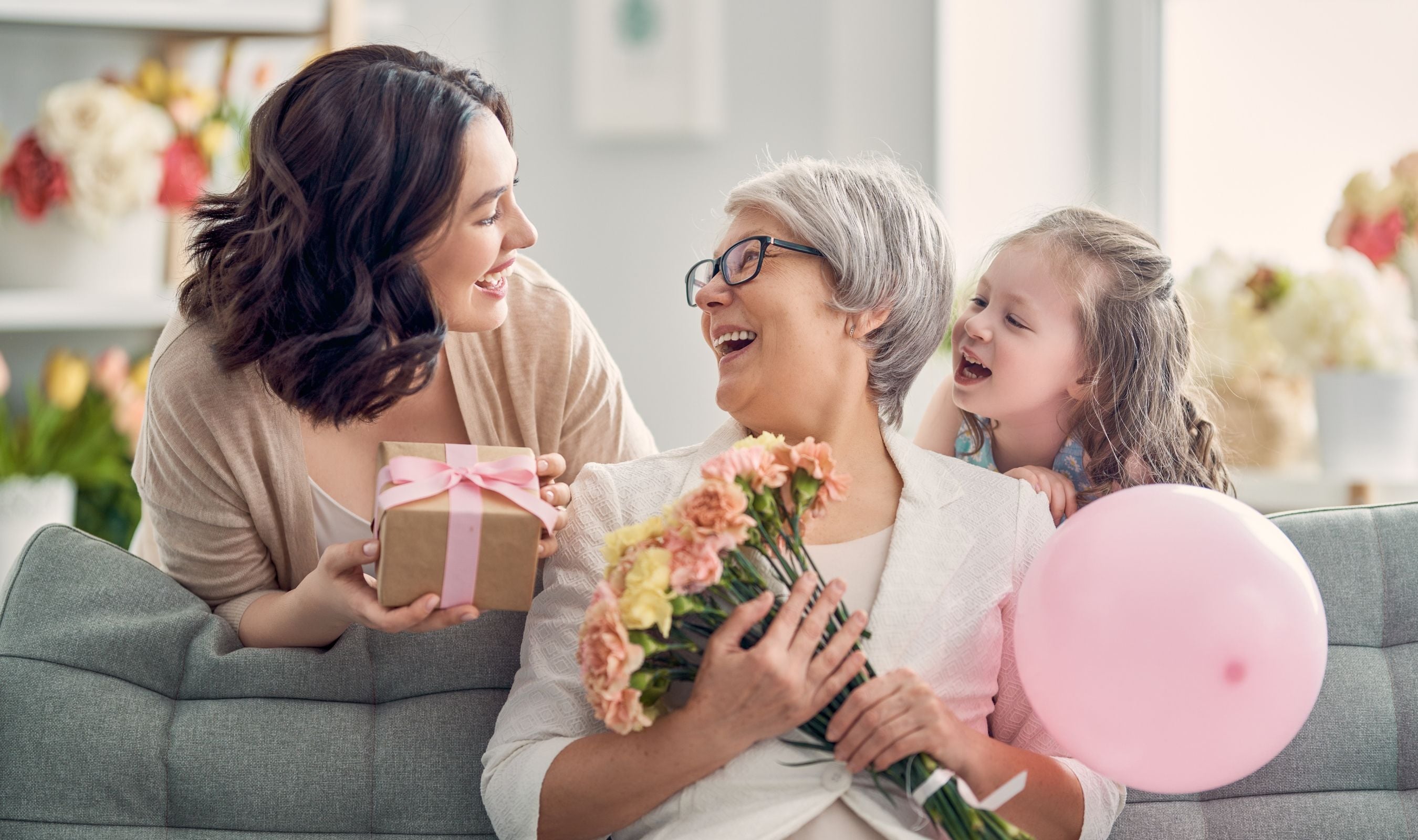
Instagram feeds are filling with AI-generated "then vs now" mother-daughter portraits ahead of Mother's Day on May 10, as ChatGPT's image tools turn old family photos into viral tributes without professional editing skills. The format centers on split-frame portraits: childhood memories on one side, present-day recreations on the other, often marked with timeline years like "2000 <-> 2026." People upload family photos, enter a detailed prompt specifying lighting, composition, and emotional tone, and receive a stylized composite within seconds.
Three prompt formats dominate the trend, according to coverage across Indian outlets. The "emotional then vs now" asks ChatGPT to create a realistic 9:16 portrait with a past family photo on the left, a current family scene on the right, and a cake table in the middle with warm, soft lighting. The "royal queen" transforms mothers into regal portraits set in grand palace interiors with golden lighting and cinematic depth.
The "artistic portrait" places mothers in natural scenes like fields of mint with soft sunlight and highly detailed skin textures. The approach has spread rapidly across Instagram Reels and Stories, with fans calling it one of the most wholesome AI trends of the year. One widely shared version shows a mother with her daughters in a recreated portrait marked 2002 and 2026, captioned "Happy Mother's Day Maa."
It extends beyond nostalgia edits into Studio Ghibli-inspired art, superhero posters, and watercolor painting effects. The workflow: open ChatGPT, upload a clear family photo, enter a creative prompt describing style and mood, generate the result, and post to Instagram with trending music and emotional captions.
What makes this different from past photo-editing crazes is accessibility. Earlier Mother's Day photo trends required Photoshop skills or third-party apps.
ChatGPT's native generation, combined with its conversational interface, lets anyone produce studio-quality portraits by typing a few sentences. No design experience needed. The arrival follows continued evolution of OpenAI's capabilities. Earlier this month, a separate viral phenomenon had people requesting deliberately low-quality "scribbly" AI pictures.
Adele Li, OpenAI's product management lead for ChatGPT Images, called that craze "joyful, social and instantly understandable" at a time when AI discussions tend toward the serious and technical.
Mother's Day 2026 marks the first major holiday where ChatGPT has driven a mainstream social media phenomenon at this scale. The format is simple enough to replicate and emotional enough to share, a combination that typically defines viral moments. Data from Google Trends shows search interest for "ChatGPT Mother's Day prompt" peaked on May 7, just three days before the holiday.