
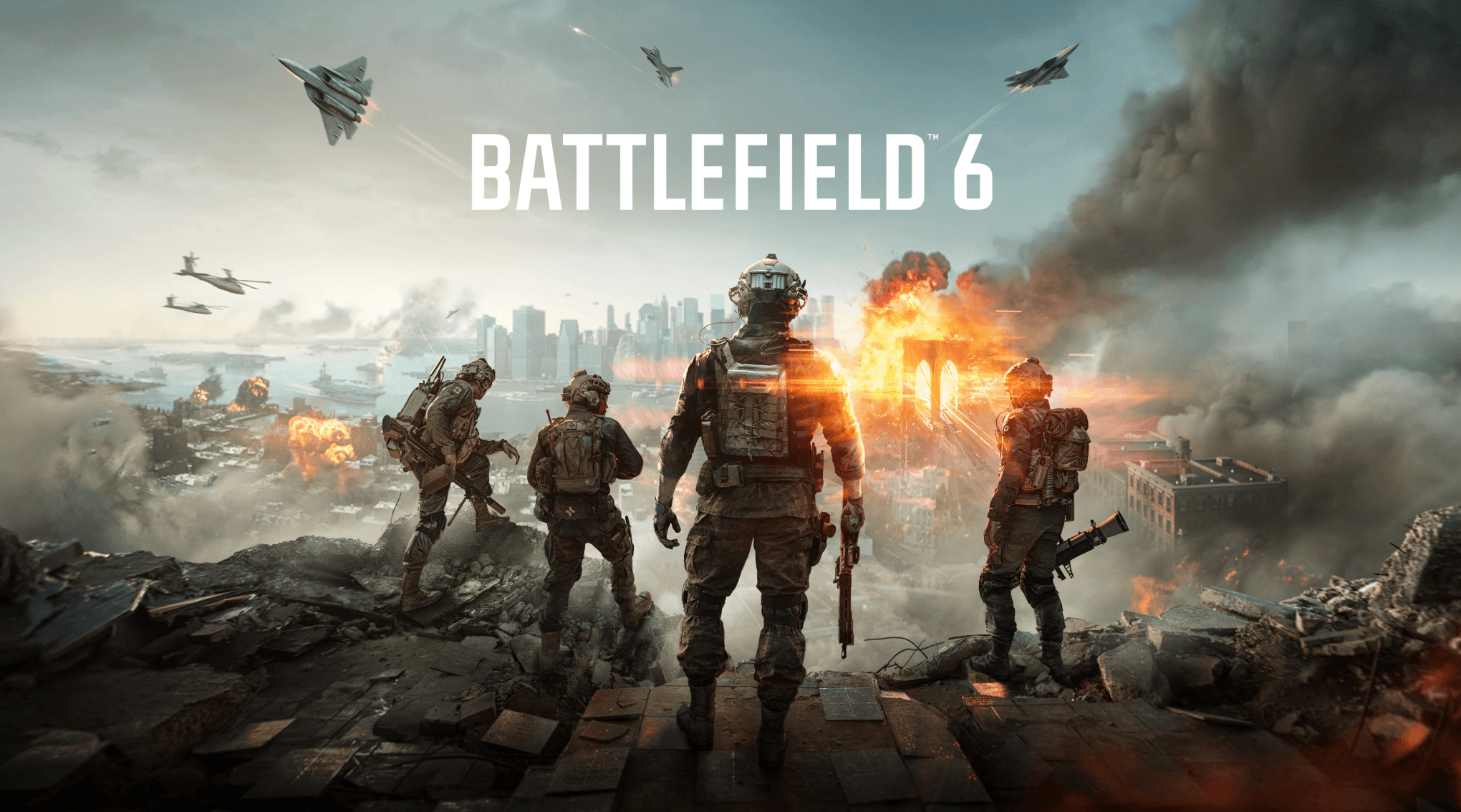
Battlefield 6 launched as 2025's best-selling shooter but now trails Call of Duty in console engagement, according to Circana data for the week ending December 13, 2025. The Electronic Arts title sold over a million units after its October 10 release and became the year's top-selling U.S. game, but recent weekly activity shows it slipping from sixth to seventh place on both PlayStation and Xbox charts.
Call of Duty HQ maintains second position behind Fortnite on both platforms, aggregating player counts from Black Ops 7, Warzone, and previous titles. This ecosystem advantage complicates direct comparisons, as Battlefield 6 operates as a standalone premium release while Activision's hub combines multiple games into a single engagement metric.
Steam data reveals a different landscape, with Battlefield 6 achieving 99,369 concurrent players compared to Call of Duty HQ's 51,017 peak on December 25, according to SteamDB data. The PC market shows stronger support for EA's shooter, though console engagement represents the majority of the FPS audience according to industry analysts.
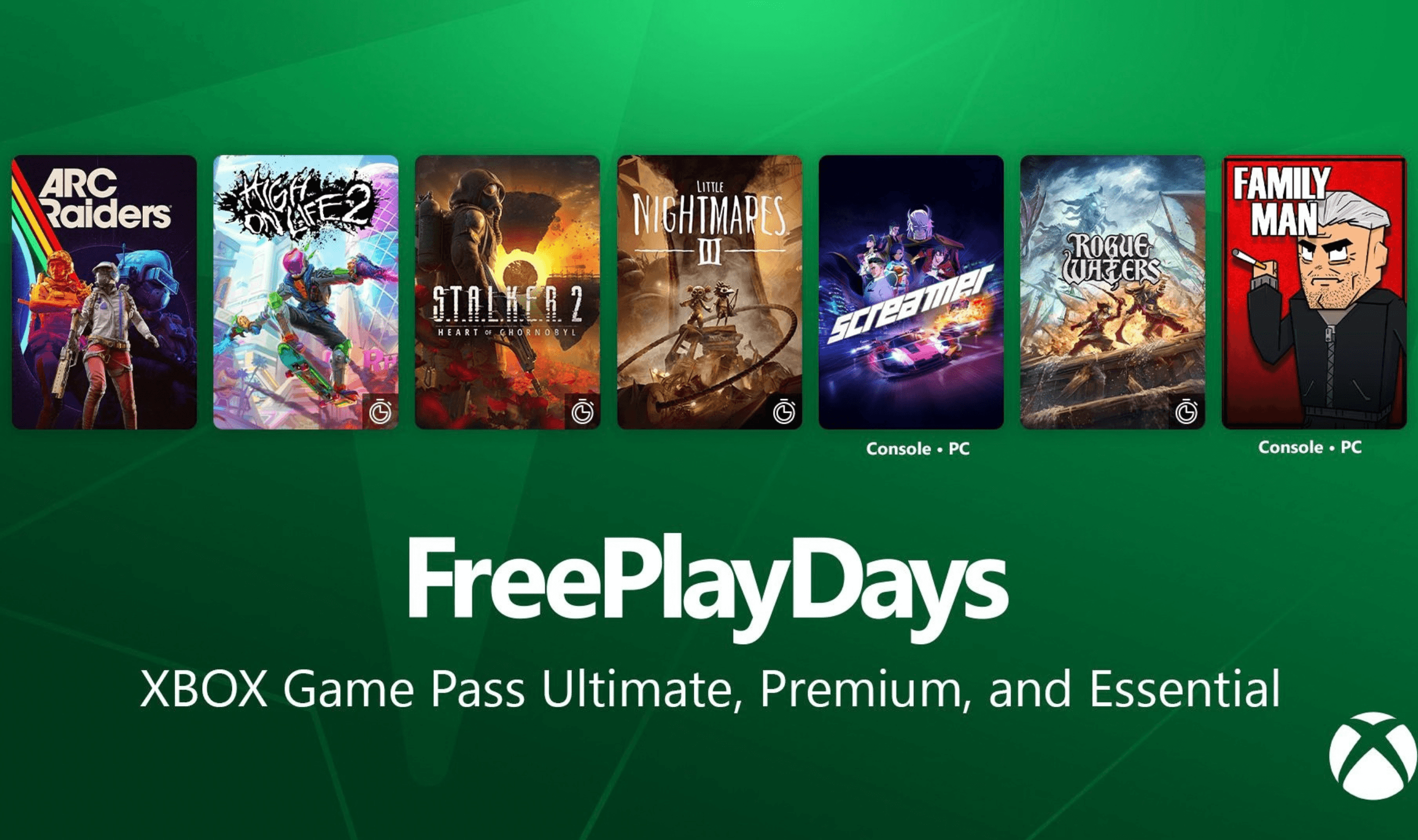
The competition between the two franchises represents only part of 2025's FPS narrative. Arc Raiders, a third-person extraction shooter from Embark Studios, emerged as an unexpected contender that captured player attention through cooperative gameplay and social interactions. The game's PvPvE design allows optional player-versus-player combat, encouraging teamwork over competition.
This shift toward casual, cooperative experiences marks a broader trend in first-person shooters. Players showed renewed interest in titles like Helldivers 2, Warhammer 40,000: Darktide, and Deep Rock Galactic, all emphasizing team-based objectives over individual skill rankings. The success of these games suggests a move away from the extreme competitive focus that dominated the genre in recent years.
Cosmetics became a focal point of player backlash in 2025, particularly affecting Call of Duty. Controversial skins including Beavis and Butthead and American Dad collaborations drew criticism for breaking military shooter immersion. Activision responded by announcing Black Ops 7 would feature only cosmetics that "fit the world of Black Ops" and canceling some pre-agreed partnerships.
EA capitalized on this sentiment by promoting Battlefield 6's "grounded" skin philosophy, though the boundaries of this promise later caused minor controversy. Both publishers recognized player fatigue with overpriced, immersion-breaking cosmetics that had become standard in live-service models.
The paid versus free-to-play debate also shifted in 2025. Battlefield 6, Arc Raiders, and Black Ops 7 all launched as premium titles, with no major free-to-play FPS releases dominating the market. This reversed the trend of games launching with minimal content but maximum microtransactions, instead offering complete experiences from day one.
DICE and EA attempted to address Battlefield 6's engagement decline with Battlefield RedSec, a free-to-play battle royale launched in late October. The companion title aims to boost player counts through progression systems that carry over to the main game, mirroring Call of Duty's Warzone strategy for ecosystem building.
Looking toward 2026, the FPS genre appears poised for continued evolution. The success of cooperative shooters and player rejection of excessive monetization suggest a market increasingly valuing gameplay quality over competitive intensity. Whether traditional franchises can adapt to these changing preferences while maintaining their established audiences remains the central question for next year's releases.