
LG will add removal options for Microsoft Copilot shortcuts on smart TVs following user backlash over forced AI integration.
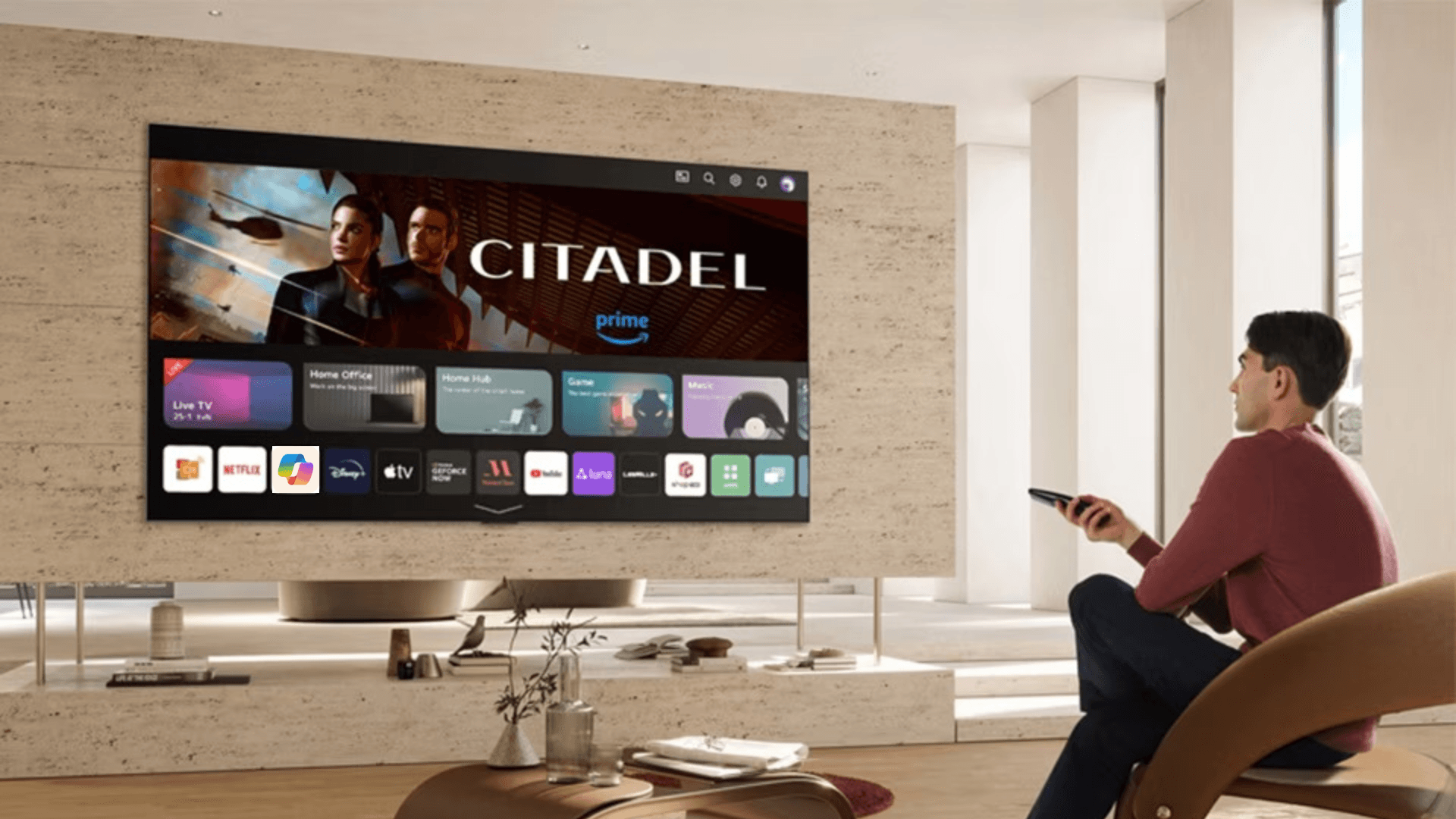
The controversy began earlier this month when LG webOS updates automatically added Microsoft's AI assistant to TV home screens. Users discovered they could hide but not delete the Copilot tile, sparking complaints across social media platforms including Reddit.
LG Electronics North America clarified that Copilot functions as a browser shortcut rather than an installed application. According to LG Electronics North America Director of Public Relations Chris De Maria, the icon opens Microsoft's website through the TV's web browser without embedding services in the operating system.
The company previously announced a partnership with Microsoft as part of its "AI TV" initiative. This collaboration aimed to integrate AI-based search and recommendation features directly into television interfaces, positioning LG against competitors like Samsung and Sony in the smart TV market.
User complaints gained traction through a Reddit post in the r/mildlyinfuriating subreddit that accumulated thousands of upvotes. Many consumers described the addition as forced bloatware, comparing it to LG's history of integrating advertising and third-party services into webOS.
LG responded to the backlash by committing to "take steps to allow users to delete the shortcut icon if they so desire." The company emphasized that microphone functionality remains disabled by default, requiring explicit user permission for activation.
This incident highlights broader industry trends where manufacturers push AI features without clear opt-out mechanisms. Smart TV platforms increasingly serve as distribution channels for third-party services, creating tension between convenience and user control.
The promised update will let owners remove the Copilot shortcut entirely rather than merely hiding it. LG's reversal demonstrates how consumer feedback can influence corporate software decisions, particularly regarding perceived intrusions into personal entertainment spaces.
Microsoft's aggressive Copilot expansion continues across devices despite ongoing questions about AI monetization strategies. The company has embedded its assistant in Windows, Edge browser, and now television platforms, seeking to establish market presence before profitability concerns.
Industry analysts note that forced AI integrations risk alienating consumers who prefer traditional interfaces. As smart TV adoption grows, manufacturers must balance innovation with respect for user autonomy in home entertainment environments.
LG's webOS platform powers millions of televisions globally, making this policy change significant for the smart TV ecosystem. The company's willingness to modify its approach suggests growing awareness of consumer preferences regarding AI feature deployment.