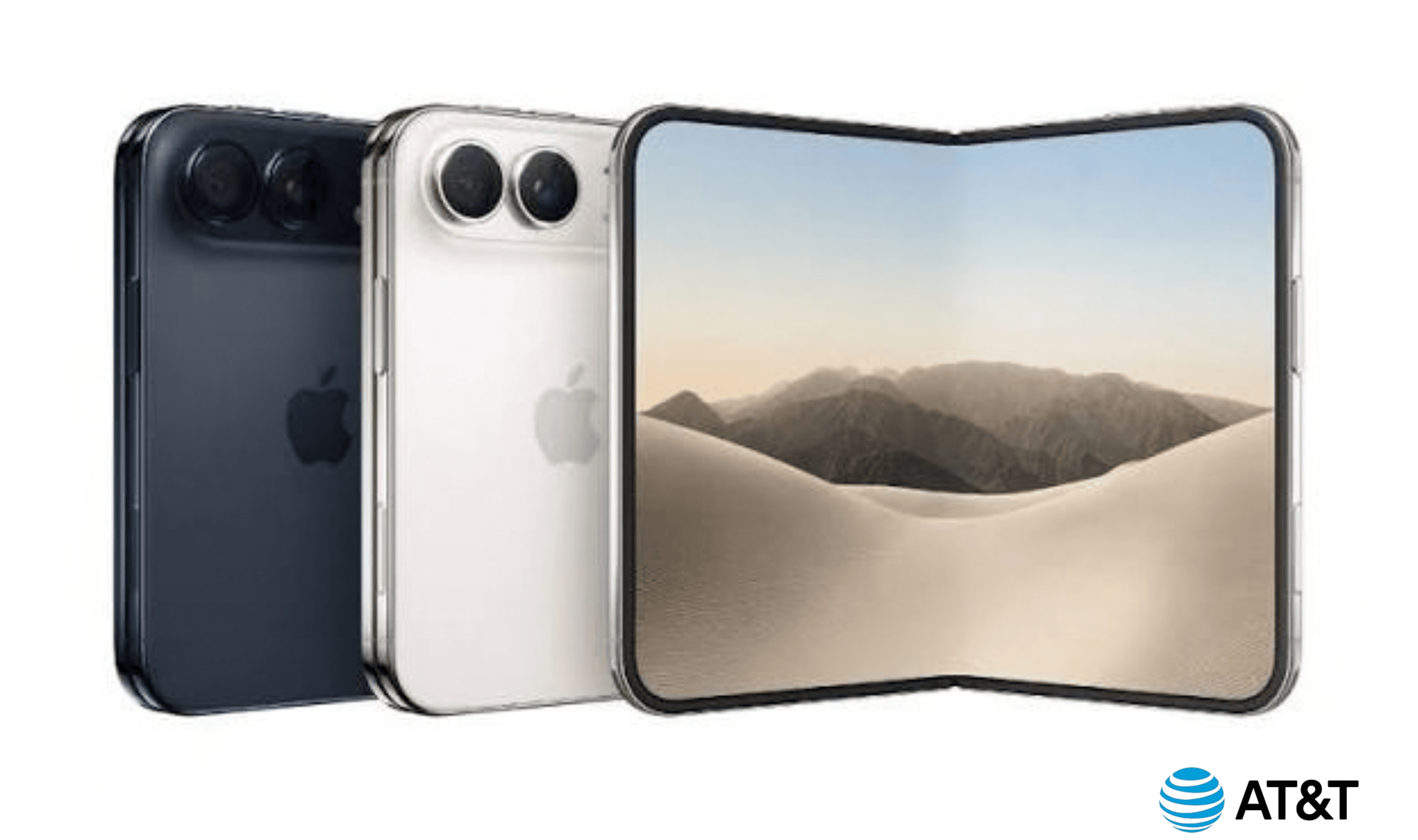

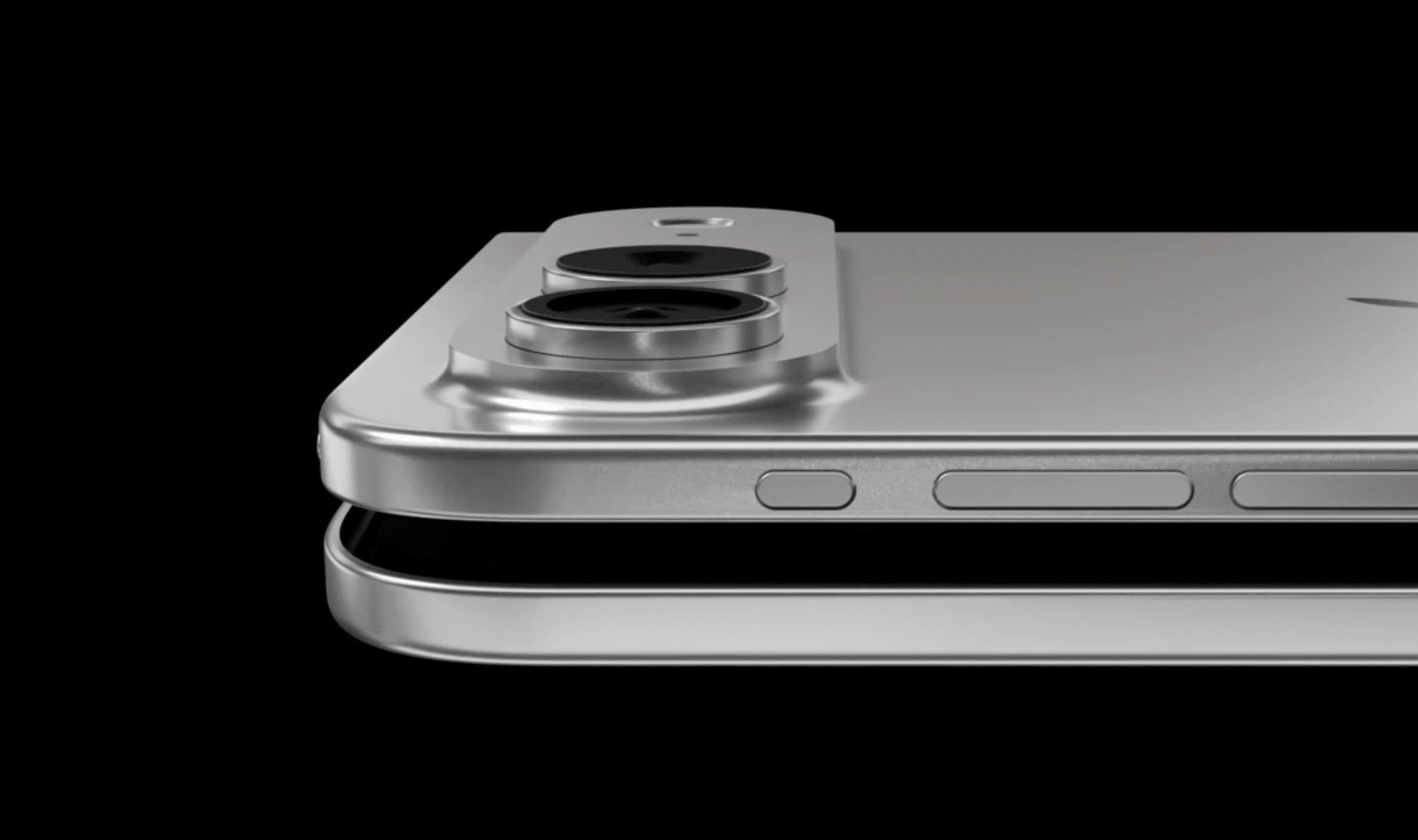
A $2,000 Apple iPhone Fold could shed $1,292 in value within 12 months based on how every foldable phone before it has performed, according to new data from resale marketplace SellCell. The analysis tracked 12-month depreciation across flagship phones from Apple, Samsung, Google, Motorola, and OnePlus, comparing foldables against traditional slabs. The gap is stark.
Foldable owners lose an average of $997.69 after one year, nearly $400 more than the $605.32 lost by standard phone owners. In percentage terms, foldables lose 64.6% of their value within a year.
Standard phones lose 55.3%. That means a foldable retains just 35.4% of its launch price after 12 months, compared to 44.7% for a regular flagship.
Five of the six biggest value losses in the study came from foldable devices. The worst performer was the Samsung Galaxy Z Fold6 1TB, which dropped $1,479.99 in a year.
But Apple has one advantage no other manufacturer can match: its phones hold value better than anyone else's. The iPhone 16 lineup retained 51.5% of its value after 12 months, the strongest showing of any major brand.
OnePlus came second at 46.8%, followed by Google at 40.8%, Samsung at 39.5%, and Motorola at 24.5%. Nine of the ten best-performing devices for value retention were iPhones.
That track record matters because the $1,292 projected loss assumes the iPhone Fold depreciates at the same rate as Android foldables. If Apple can replicate its iPhone 16 retention performance, the first-year loss could shrink to roughly $970.
Still painful, but over $300 less than the Android foldable baseline. The iPhone Fold is already in production, though its launch reportedly depends on Apple resolving hinge design issues. First-generation foldables historically perform worst on resale, since version-one depreciation accelerates once a successor arrives.
Buying the iPhone Fold at launch means absorbing the full hit on an unproven product category for Apple.
Apple rarely discounts its hardware, so waiting for a price drop may not help. The data suggests the iPhone Fold is a device to buy because you want it, not because you expect to recoup the cost.