

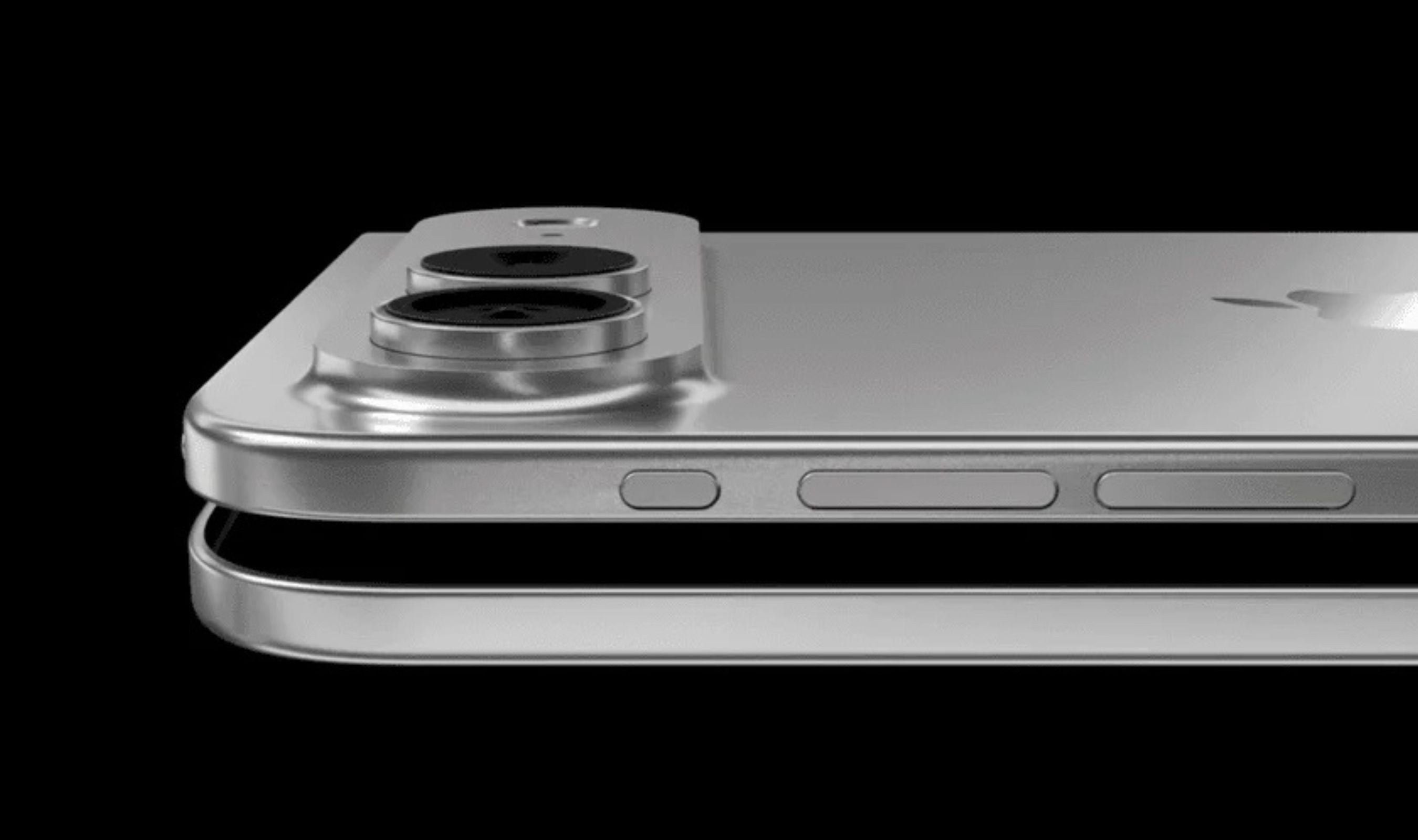
Prototype units of Apple's foldable iPhone have reached carriers worldwide for network testing, with the device using a Liquidmetal hinge that resolves the manufacturing bottleneck that has delayed its entry into the foldable market for years.
Chinese supply chain leaker Fixed Focus Digital posted on Weibo that the project is "progressing rapidly" and the Liquidmetal hinge has been locked in as a confirmed element of the design. The post arrives one day after the same leaker reported the foldable would feature vapor chamber cooling, with thermal performance described as "quite impressive." The hinge choice is the story here. Apple has held an exclusive deal with Liquidmetal Technologies since 2010, giving it a perpetual worldwide license to use the amorphous alloy (metallic glass) in consumer electronics. But the company has only deployed it in tiny components like SIM ejector tools, finding the material difficult to scale for larger structural parts. A hinge that must survive hundreds of thousands of folding cycles is a far more demanding application.
Supply chain analyst Ming-Chi Kuo first reported in March 2025 that the foldable's hinge would use liquid metal, with Dongguan EonTec named as the exclusive alloy supplier. A January supply chain report corroborated those plans, but by April, Fixed Focus Digital had cast doubt, claiming Apple was still weighing liquid metal against 3D-printed titanium alloy.
Today's confirmation suggests the material debate is over. The hinge has been the device's most persistent engineering challenge. A leaker known as Instant Digital previously attributed manufacturing delays to the hinge failing Apple's quality control under prolonged open-and-close testing.
Fixed Focus Digital pushed back on that framing at the time, arguing the hinge was not the primary source of difficulty. Today's update positions it as a resolved element.
Liquidmetal's advantages over titanium or steel hinges include higher rigidity, better fatigue resistance, and the ability to be precisely molded, which could contribute to the near-crease-free folding experience rumored for the device.
DigiTimes reported in April that mass production would begin in July, and Bloomberg's Mark Gurman has said the device remains on schedule for a September debut alongside the iPhone 18 Pro and iPhone 18 Pro Max. The carrier testing milestone supports that timeline: prototypes reaching global carriers means the device has passed key internal reviews and entered the certification process that precedes commercial launch. The foldable, expected to be called iPhone Ultra or iPhone Fold, is rumored to pack a 7.8-inch inner OLED display, a 5.5-inch cover screen, the A20 chip, Apple's C2 modem, Touch ID in place of Face ID, and dual 48-megapixel rear cameras. Pricing is expected to start around $2,000, with a starting range between $2,000 and $2,500, according to both Kuo and Gurman. The device is also expected to measure around 4.5mm when unfolded, making it one of the thinnest iPhones ever.