
Apple extended its dominance in the global smartwatch market during the first quarter of 2026, posting a 21% year-over-year jump in shipments while rival Samsung saw its business contract by 28%, according to Counterpoint Research. The diverging fortunes give Apple a 23% share of the global smartwatch market, up from 20% a year earlier.
Samsung's share fell to 5%, down from 7% in Q1 2025. The overall market grew 4% year over year, meaning Apple captured nearly all the expansion while Samsung lost ground.
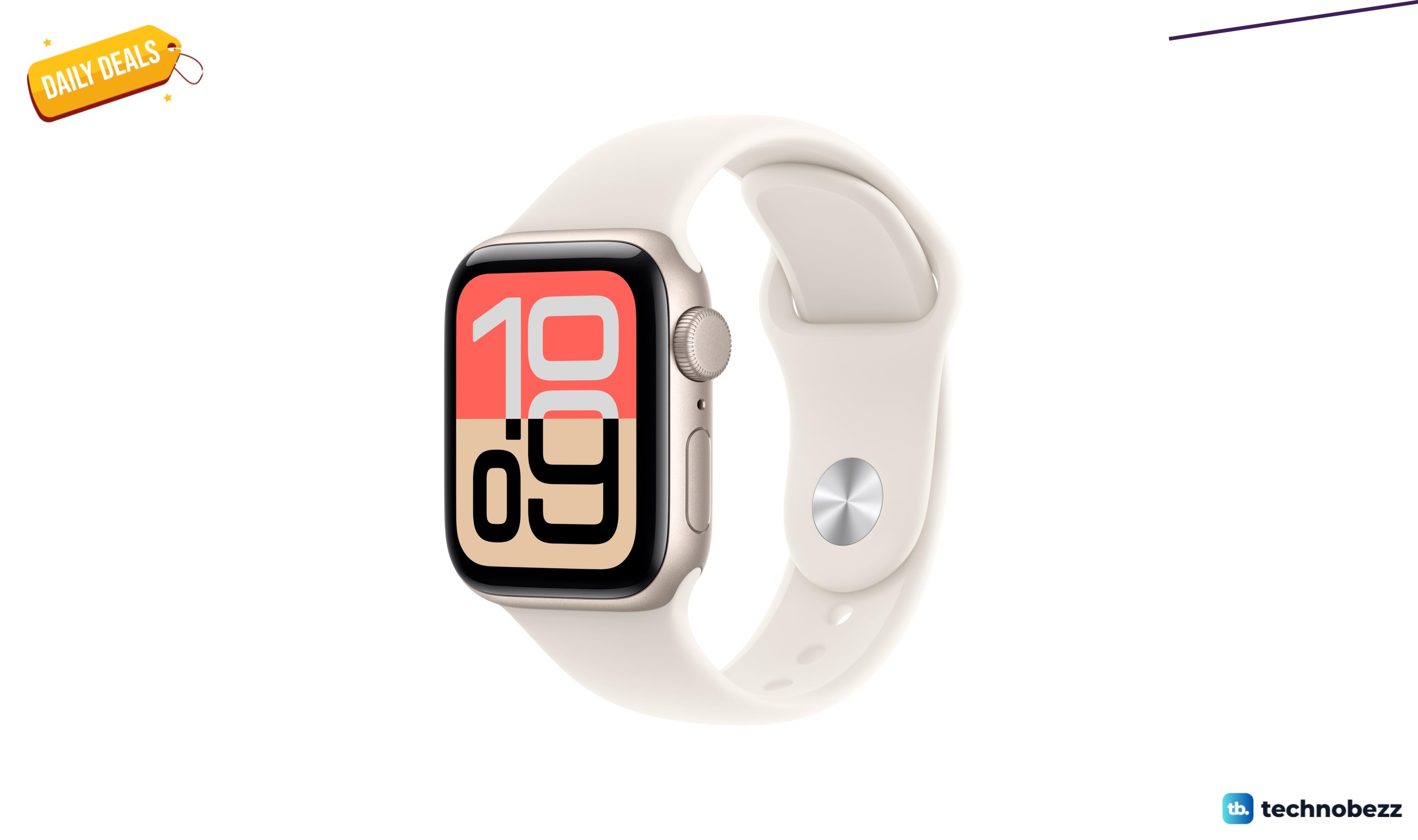
Apple's growth was the fastest among the top 10 smartwatch brands, driven by strong demand for the Watch Series 11 and the budget-friendly Watch SE 3. North America accounted for more than half of Apple's smartwatch volume, but the fastest growth came from China and Europe, where new health-tracking features and the lower-priced SE 3 attracted first-time buyers.
Principal Analyst Anshika Jain said Apple's success is largely due to improved sensors and the SE 3, which brought in new buyers from Europe and China. The company's entire 2025 watch lineup supports 5G, while Samsung's Galaxy Watch 8 is limited to 4G LTE.
Samsung's slide accelerates
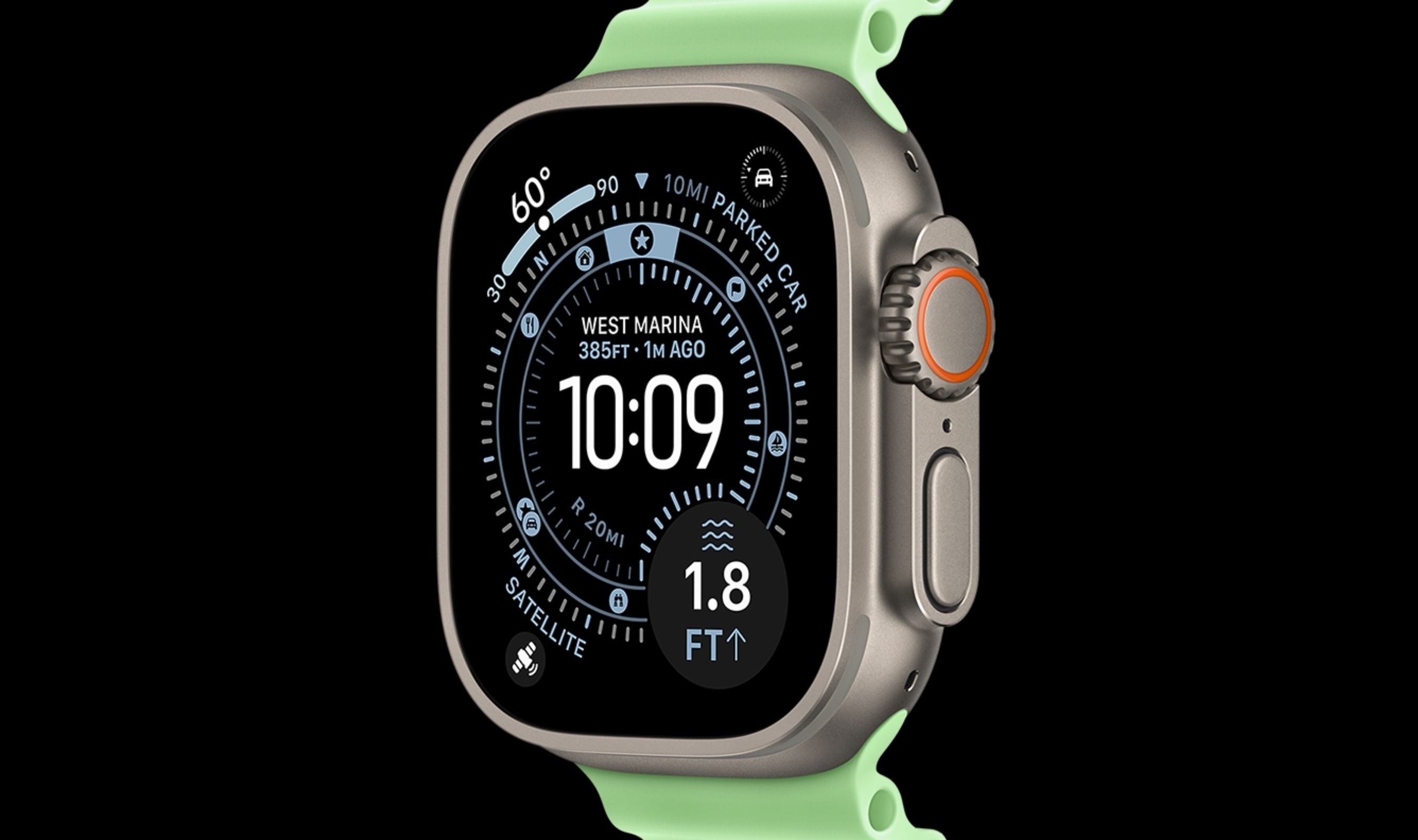
Samsung's 28% shipment decline marks a sharp deterioration for the South Korean manufacturer. The company is expected to refresh its lineup next month, likely on July 22, with the Galaxy Watch 9 and Galaxy Watch Ultra 2.
Rumors suggest the Ultra 2 may include 5G support, but it remains unclear whether that will extend to the standard Galaxy Watch 9 models. The Q2 2026 figures, due in a month or two, are expected to look even worse for Samsung since its current wearables have been on the market for nearly a year with no refresh until July.
Chinese brands helped offset Samsung's decline. Huawei grew its market share from 16% to 17%, and Xiaomi posted 9% growth.
Huawei dominates the Chinese market with roughly 40% share, and the Chinese smartwatch market grew 15% year over year.
Health features and AI push prices up
The average selling price of smartwatches rose 6% in Q1 2026, driven by demand for advanced health monitoring, AI capabilities, and satellite connectivity features. Consumers in emerging markets are also moving from basic fitness bands to more capable smartwatches, pushing prices higher.
RAM and memory shortages could slow smartwatch growth in 2026, though the impact is expected to be less severe than in laptops and smartphones because premium smartwatches carry higher margins and lower bill-of-materials costs. Counterpoint projects the smartwatch market will maintain a compound annual growth rate of 3% through 2030.
Samsung's real test comes in the second half of 2026, when the Galaxy Watch 9 and Watch Ultra 2 will have been on shelves for several months. Whether new hardware and potential 5G support can reverse a 28% shipment decline will determine if the company can stop ceding ground to Apple.