
Galaxy Watch predicts fainting five minutes before it happens, Samsung study finds.
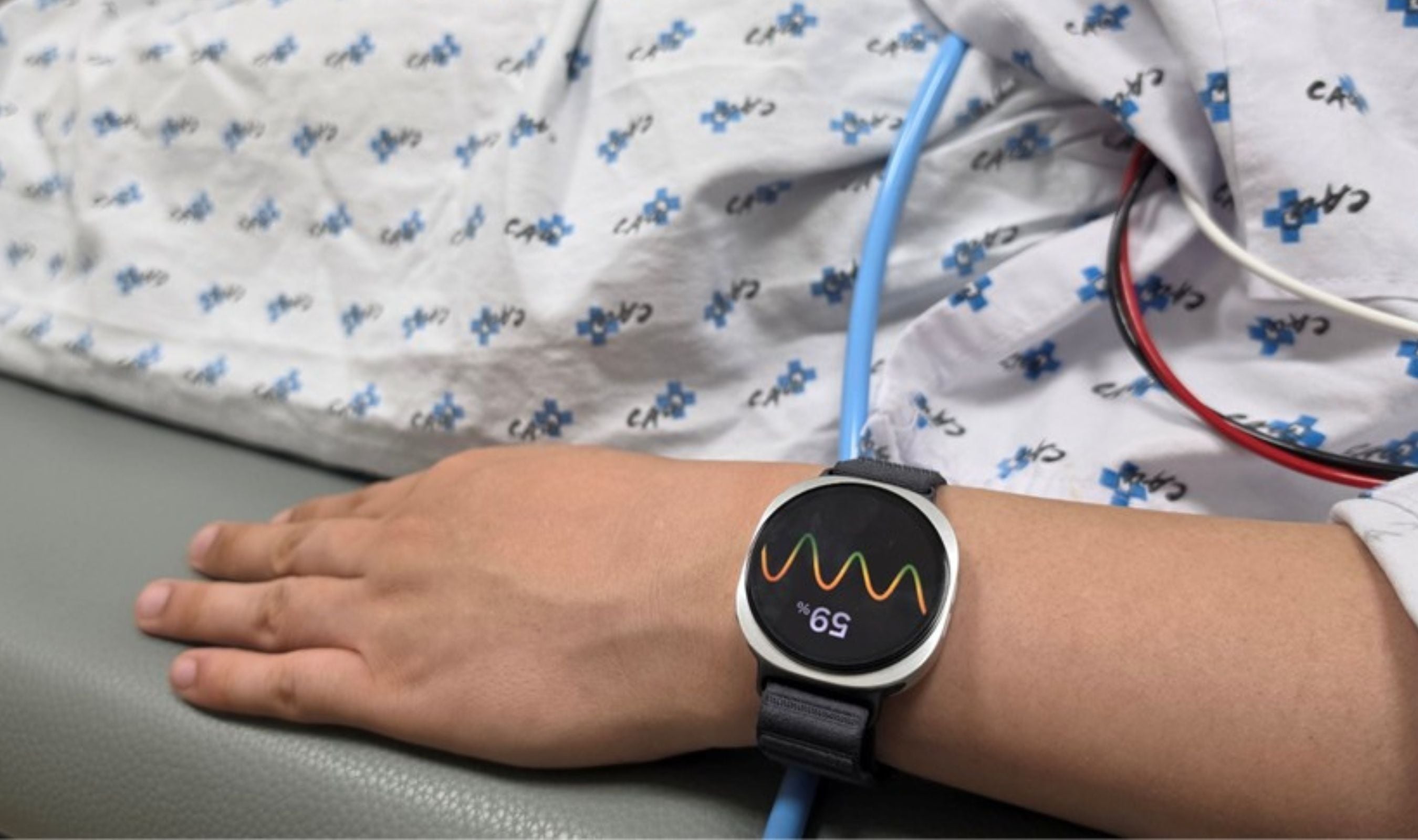
A joint clinical study between Samsung and Chung-Ang University Gwangmyeong Hospital published this week in the European Heart Journal Digital Health found that the Galaxy Watch 6 can detect impending vasovagal syncope (VVS) with 84.6% accuracy up to five minutes before a person blacks out.
The research, tested on 132 patients with suspected VVS symptoms during induced fainting evaluations, marks what Samsung calls "a world-first breakthrough in fainting prediction" using a commercial smartwatch. The study relied on hardware already sitting on users' wrists. Using the Galaxy Watch 6's existing photoplethysmography (PPG) sensor, which measures heart rate and rhythm, researchers fed heart rate variability data into an AI algorithm. The model identified impending episodes with 90% sensitivity and 64% specificity, according to Samsung.
VVS is the most common type of fainting, triggered when heart rate and blood pressure drop abruptly in response to factors like extreme emotional distress or the sight of blood, per The Mayo Clinic. While the episodes are brief and not inherently dangerous, sudden collapses can cause severe secondary injuries including fractures or cerebral hemorrhage.
Up to 40% of people may experience VVS episodes, said Professor Junhwan Cho, one of the study's researchers.
"An early warning from this technology could give patients advance time to get into a safe position or call for help, which would dramatically reduce the incidence of secondary injuries."
Jongmin Choi, Samsung's head of Health R&D Group, framed the research as part of a larger shift in wearable health tech. "This study is an example of how wearable technology can help shift healthcare from being designed for post-care to a model of preventive care," he said.
Samsung has not said when or if the fainting prediction feature will reach consumers. The company noted the findings come from a research study and do not reflect a feature currently under development for Galaxy Watches, likely due to the regulatory and legal hurdles of deploying medical-grade detection on a consumer device. The latest Galaxy Watch 8 already includes health alerts for sleep apnea, blood oxygen, heart irregularity, and antioxidant detection, signaling Samsung's broader push from reactive tracking toward preventive health monitoring.