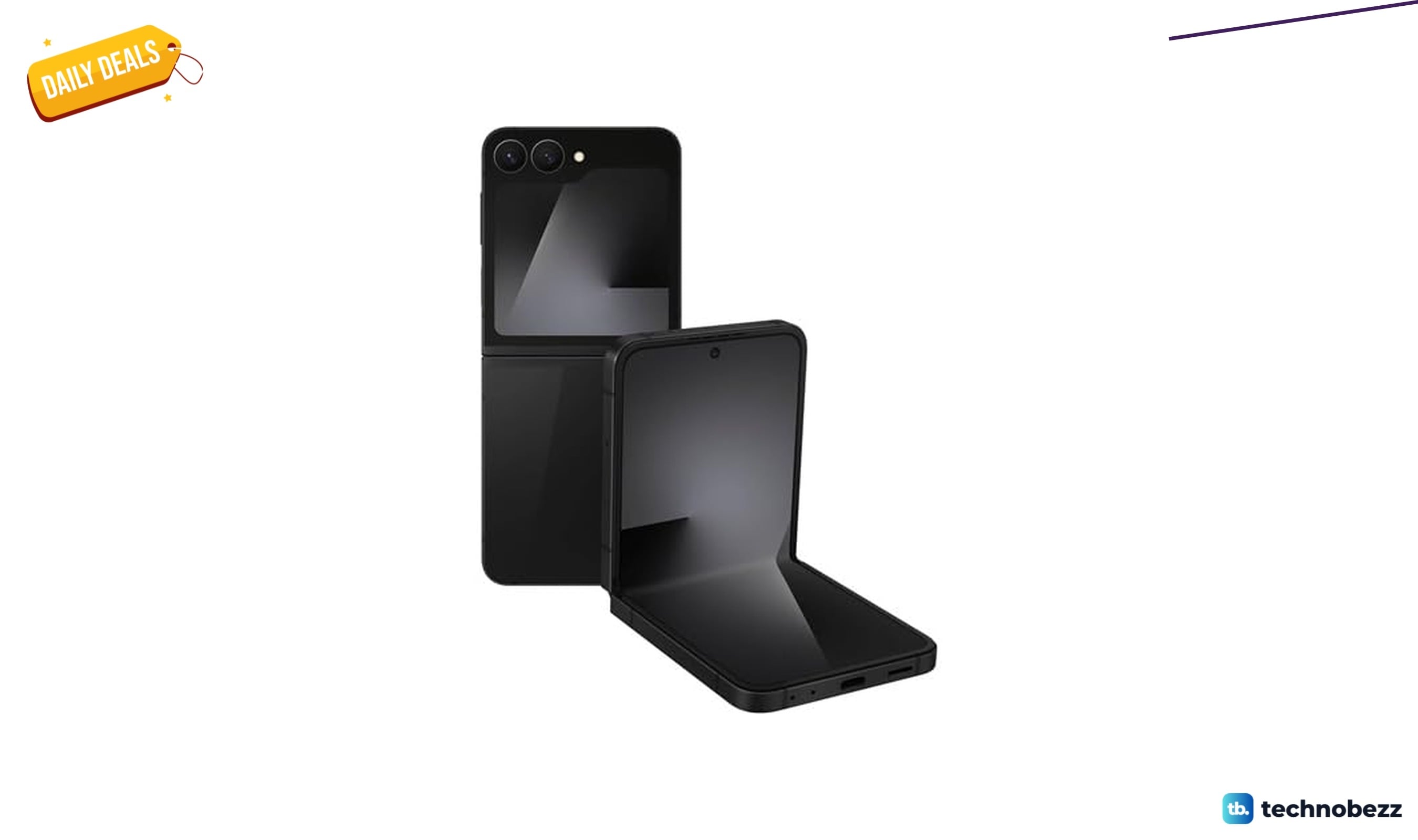

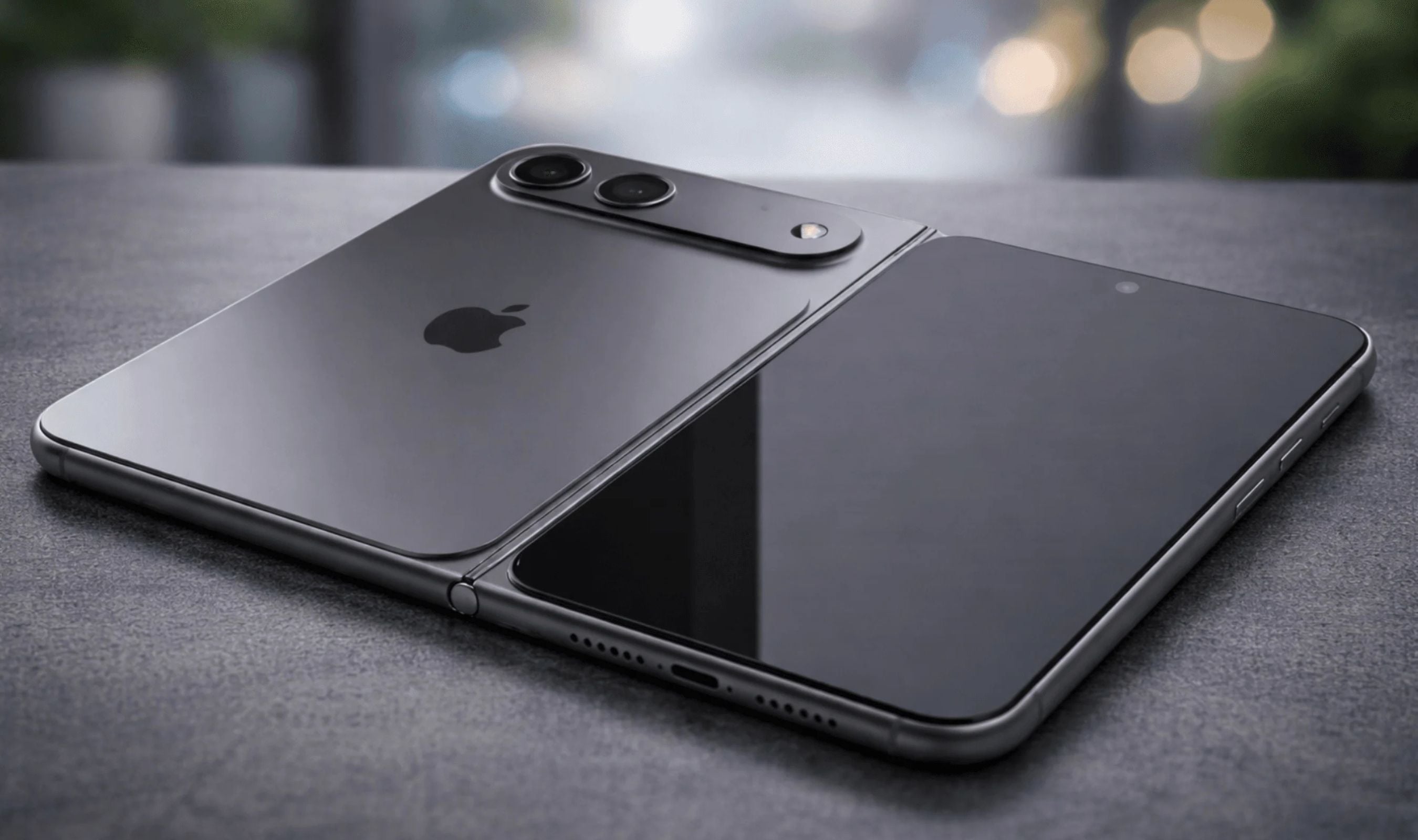
Apple's first foldable iPhone carries two problems into its September launch window: a shortage of units and a shortage of features.
Bloomberg's Mark Gurman recently confirmed the device, widely expected to be called the iPhone Ultra, is on track for a fall release alongside the iPhone 18 Pro lineup. But he also warned that supply could be tight for weeks after launch. The complexity of the near-creaseless OLED panel (supplied exclusively by Samsung) and its specialized materials mean lower production yields and a slower ramp-up.
Apple is targeting roughly 7 to 8 million units for the initial production run. The iPhone 18 Pro will ship at many times that volume.
Gurman's report was a direct rebuttal to Nikkei Asia, which had claimed Apple's foldable faced delays that could push it into 2027. Apple shares dropped more than 5% after Nikkei's story hit. While Gurman pushed back on the delay narrative, he didn't rule out a gap between announcement and actual availability. Barclays analyst Tim Long went further, suggesting the Ultra might not ship until December even if announced in September. The supply problem is only half the story.
Dummy models shared by leakers Sonny Dickson and Vadim Yuryev reveal what could be missing from a device expected to start above $2,000: Face ID, MagSafe, the Action Button, a telephoto camera, and a physical SIM slot.
Face ID is out because the Ultra is too thin, just 4.5mm when unfolded, to fit Apple's TrueDepth camera array. Apple is reverting to Touch ID as the sole authentication method, likely via a side button or under-display sensor. The last flagship iPhone with Touch ID was the iPhone 7 in 2016.
MagSafe appears absent from the dummy models as well. The indentations for magnet alignment visible on iPhone 18 Pro dummies are missing on the foldable units.
Again, thinness is the suspected culprit: at 4.5mm, there may not be enough room for the magnet array. The Action Button is also gone from the dummy renders, making this potentially the first iPhone model since its introduction on the iPhone 15 Pro to ship without it or a silent switch. Volume buttons have moved to the top edge of the device (similar to an iPad mini) because Apple routed them upward rather than across an internal display crease.
Unlike Pro iPhones with triple cameras, the Ultra gets only wide and ultra-wide lenses, no telephoto. And like last year's iPhone Air, there is no physical SIM slot; it will be eSIM only. The iPhone 17 Pro starts at $1,099 and includes all of those features. Reports agree that pricing for the Ultra will not go below $1,999.