
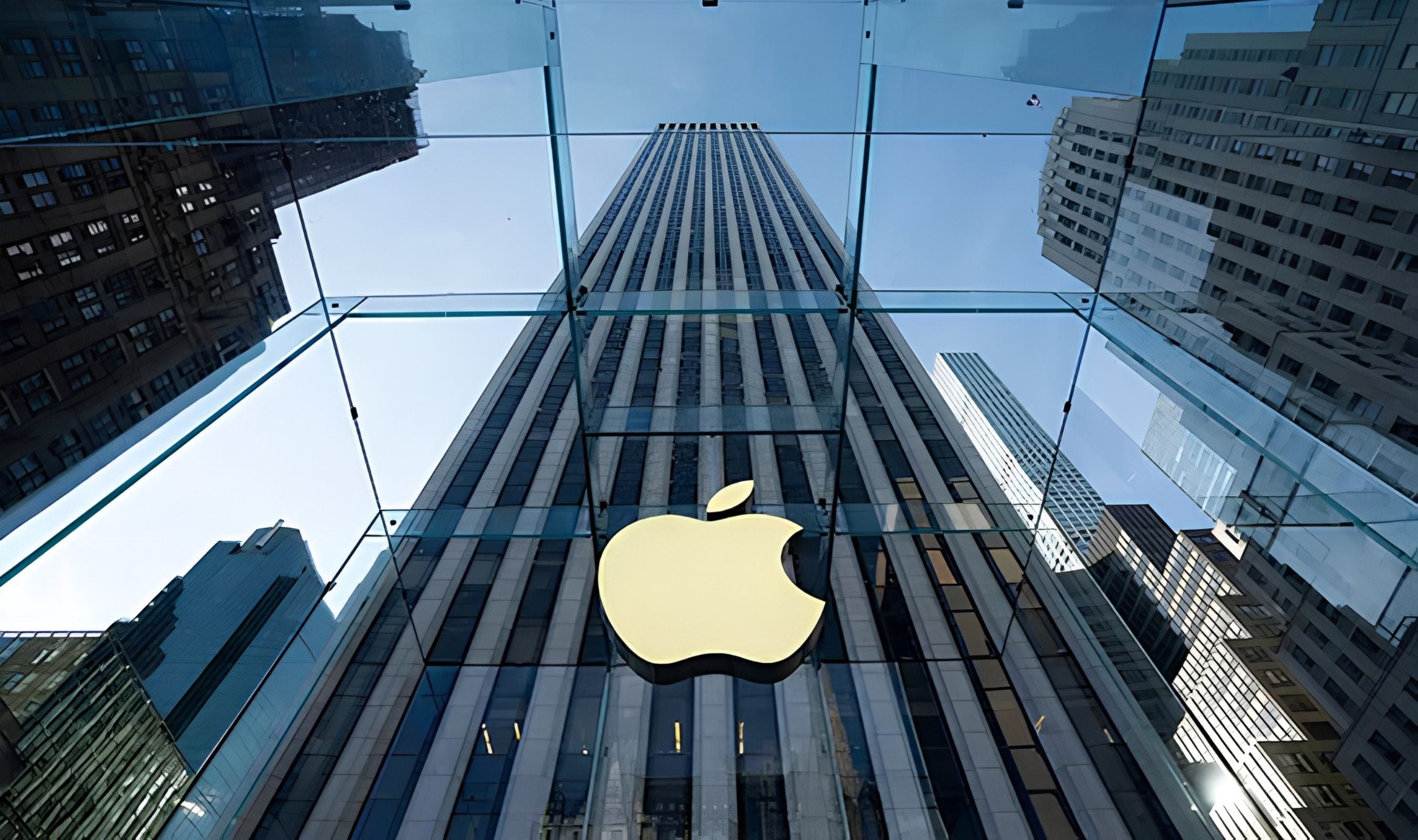
Apple sued OpenAI in federal court Friday, alleging the ChatGPT maker built its hardware ambitions on a foundation of stolen trade secrets, a direct legal strike against a company whose technology still lives inside the iPhone. The complaint, filed in the Northern District of California, accuses OpenAI of trade secret misappropriation and breach of contract. Apple wrote that the misconduct ran "at every level, from members of its Technical Staff to its Chief Hardware Officer, and in coordination with business partners."
The suit names OpenAI; Tang Tan, OpenAI's chief hardware officer and a 24-year Apple veteran who oversaw iPhone and Apple Watch product design; and Chang Liu, a former Apple engineer who joined OpenAI in January. IO Products, the hardware startup founded by former Apple design chief Jony Ive that OpenAI acquired for $6.4 billion last year, is also named as a defendant.
Ive himself is not accused of wrongdoing. Apple alleges that Tan directed Apple employees interviewing at OpenAI to bring "actual parts" from the iPhone maker to "show and tell" sessions. Tan also reportedly emailed himself information about Apple supplier meetings before leaving his role, according to the filing.
Liu is accused of exploiting an authentication bug to access a former colleague's work computer after leaving Apple. He downloaded "dozens of Apple's confidential hardware-related files, including voluminous, detailed information about unreleased products, engineering presentations, technical specifications, and proprietary project data," the lawsuit states.
He also allegedly failed to return a work-issued laptop. Apple said it contacted OpenAI early in its investigation but never received a response.
"Recently, significant evidence has emerged suggesting individuals employed by OpenAI wrongfully took Apple's secret and confidential information regarding our unreleased technologies, processes, and products," an Apple representative said in a statement. OpenAI spokesperson Drew Pusateri said the company was reviewing the filing. "We have no interest in other companies' trade secrets.
We remain focused on building technology that empowers people everywhere." The lawsuit is a stunning reversal for the two companies. In 2024, they announced a high-profile partnership integrating ChatGPT into iPhone, iPad, and Mac operating systems.
OpenAI CEO Sam Altman visited Apple headquarters for the announcement. But relations have soured as OpenAI moved directly into Apple's territory: the hardware business.
OpenAI's device program remains officially unannounced, but the company's chief global affairs officer told Axios in January that it aims to debut its first device before the end of this year. Reports describe a screenless wearable and a smart speaker with a camera.
Altman said in November that the company had finished its first prototypes.
Apple's filing effectively serves as the most detailed public map of OpenAI's hardware plans. Every trade secret Apple chose to highlight, system-in-package modules, supplier relationships, a proprietary metal-finishing technique, sketches a component of a device the AI company has never formally disclosed.
Apple is seeking damages, an injunction preventing OpenAI from using its trade secrets, and an order requiring the return of all confidential materials. The suit also complicates OpenAI's plans for what is expected to be a historic IPO. It comes two months after OpenAI won a high-profile federal trial against Elon Musk, who had sued the company over claims it reneged on its nonprofit founding agreements.
Apple's updated Siri assistant, launching this fall, will run on Google's Gemini AI models rather than OpenAI's technology.