
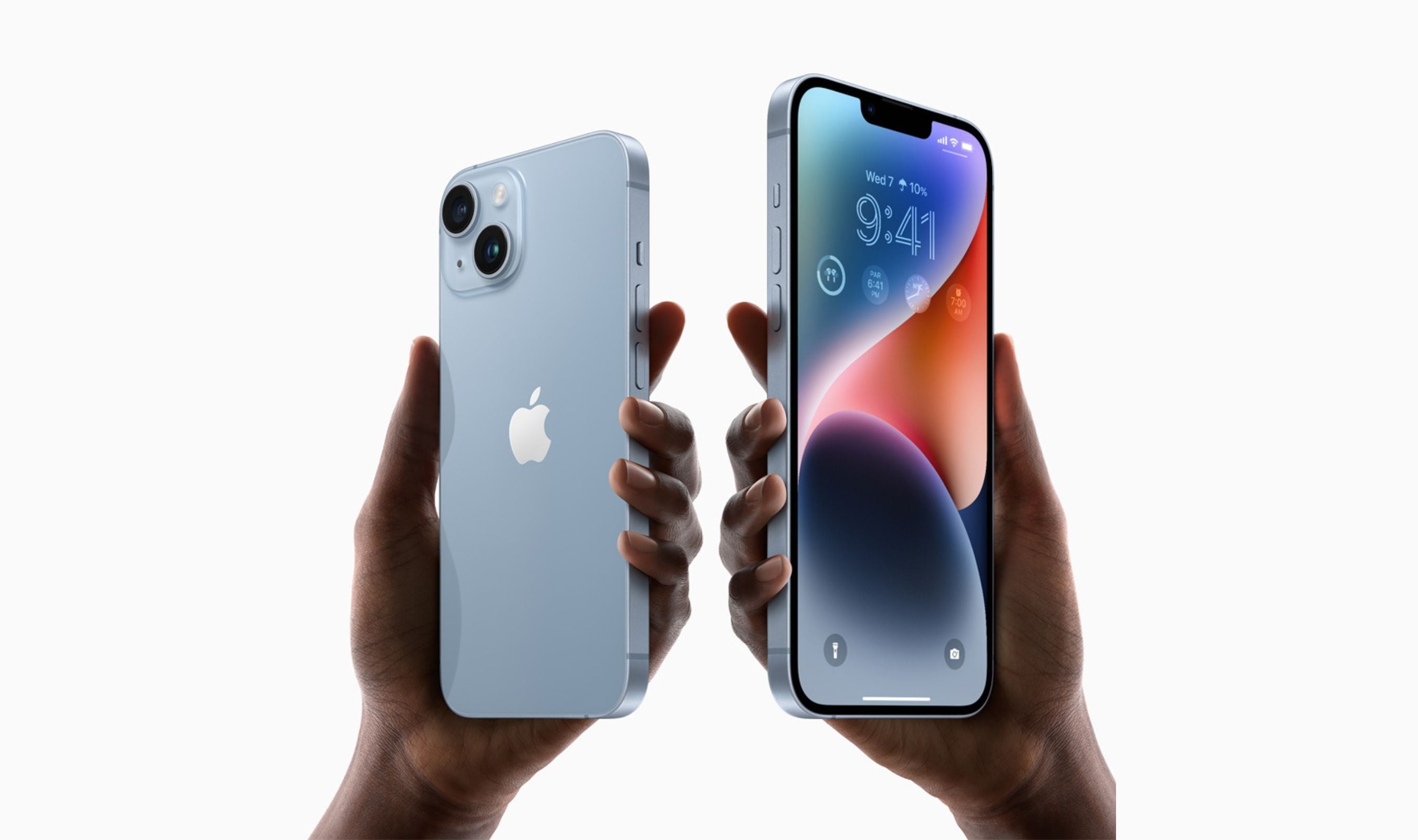
A failed software update or botched beta install used to mean finding a Mac, plugging in, and running through DFU recovery. iOS 27 eliminates that step.
Apple's latest operating system, released today, introduces a Mac-like recovery mode for iPhone and iPad that runs entirely on the device. Hold the side button during boot, past the Apple logo, until a progress bar appears, and the phone launches into a standalone recovery UI instead of loading the main OS. The screen offers five options: Recovery Assistant, Software Update, Diagnostics Mode, Erase All Content and Settings, and Recovery Mode.
Battery percentage shows in the top corner, and the device connects to known WiFi automatically. The procedure mirrors how Apple Silicon Macs enter recovery by holding the Touch ID power button. For iOS, the key difference is that no second device is required at any point.
That matters because Apple has historically offered little help when iPhones become unresponsive. A CBC News report this week highlighted a Canadian couple who lost 8,000 vacation photos after their iPhone 6 Plus fell into a lake.
Apple told them nothing could be done. A third-party microsoldering expert eventually recovered the data by repairing the logic board enough to boot, work Apple Stores won't perform.
The new Recovery Assistant tool in iOS 27 doesn't address hardware-level data recovery. But it does handle the most common software scenarios that brick a device: failed updates, corrupted beta installs, and boot loops.
Users can reinstall the last-known stable OS version directly from the recovery screen, no computer needed. The feature ships in both iOS 27 and iPadOS 27, available starting today.