
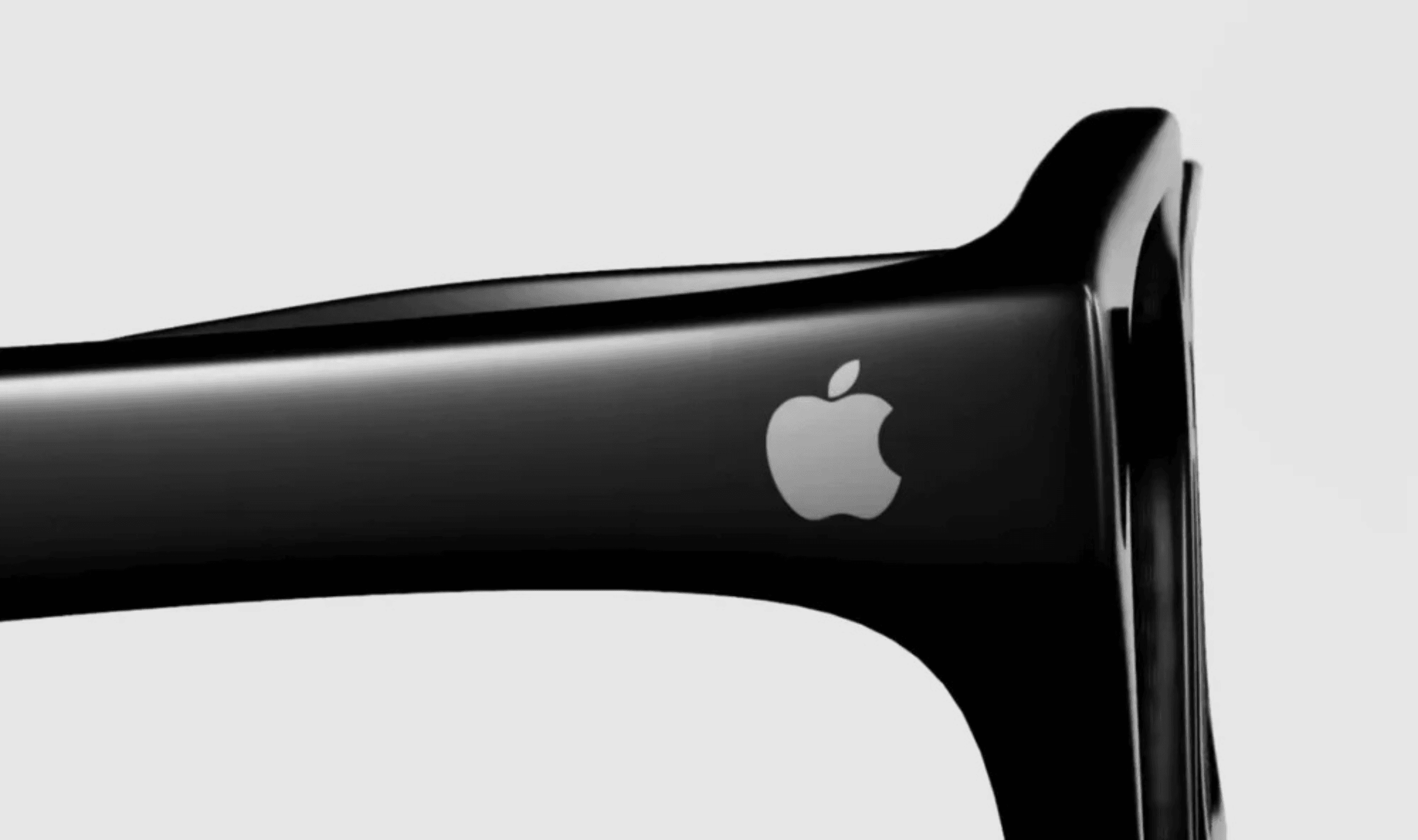
Apple's Vision Pro headset reached its two-year anniversary this month, but the company's spatial computing ambitions appear to be shifting toward smart glasses. The $3,499 mixed-reality device launched in February 2024 as Apple's first major new product category since the Apple Watch in 2015.
The original Vision Pro featured dual micro-OLED displays with roughly 23 million pixels, an M2 chip, and a dedicated R1 processor for sensor data. Apple updated the hardware in October 2025 with an M5 chip that delivered 10% more rendered pixels, 120Hz refresh rates, and extended battery life.
A counterweighted Dual Knit Band improved comfort for the 3.5-pound headset.
Despite technical advancements, adoption remained modest. The Financial Times reported earlier this month that the Vision Pro continues to struggle with market acceptance. Industry analysis suggests slower sales growth than anticipated, with Apple reportedly halving production forecasts from one million units to 400,000 for 2024, following earlier production cuts.
Multiple sources indicate Apple has paused development on next-generation Vision Pro hardware. The company's focus has reportedly shifted decisively toward smart glasses, according to industry reports.
A second-generation Vision Pro, internally known as Project Alaska N109, either stopped development or became the M5 refresh.
Bloomberg reported Apple also paused work on a lower-cost "Vision Air" model designed to expand spatial computing accessibility. The company's multi-year roadmap for the Vision Pro appears to have unraveled by mid-2024, with supply chain reports suggesting production wind-down due to weak demand.
The Vision Pro's content ecosystem continues evolving despite hardware challenges. YouTube arrived as a native visionOS app this week, eliminating the need for Safari workarounds. Apple has expanded sports content with NBA games in Spatial Video and Formula One coverage, though some users report limited immersive content availability.
Technical specifications for potential smart glasses remain uncertain. Rumors suggest Apple could release glasses with visionOS capabilities in 2027, though chip selection depends on development progress.
The company reportedly maintains different headset projects in development simultaneously.
Apple's spatial computing platform faces competition from Meta's $500 Quest 3, which offers mixed reality gaming and fitness applications. The Quest 3 supports multiple user accounts and includes physical controllers, contrasting with Vision Pro's gesture-only input system.
Vision Pro users now get approximately three hours of video playback with the M5 update, addressing early battery life concerns. The headset's eye-tracking technology functions with single-eye monitoring, accommodating users with limited vision in one eye.
Apple's supply chain includes seven Chinese manufacturers led by Luxshare Precision Industry, alongside 11 Taiwanese suppliers including TSMC. Component costs reportedly total $1,590, less than half the $3,499 retail price.
The company acquired augmented reality startup Mira for an undisclosed amount during Vision Pro development. Former Apple design chief Jony Ive previously advised Mira, which created AR headsets for Universal Studios attractions.
Vision Pro's future now appears tied to smart glasses development rather than headset iterations.
Apple's spatial computing strategy represents one of the company's most ambitious consumer technology bets since the iPhone's 2007 debut.