
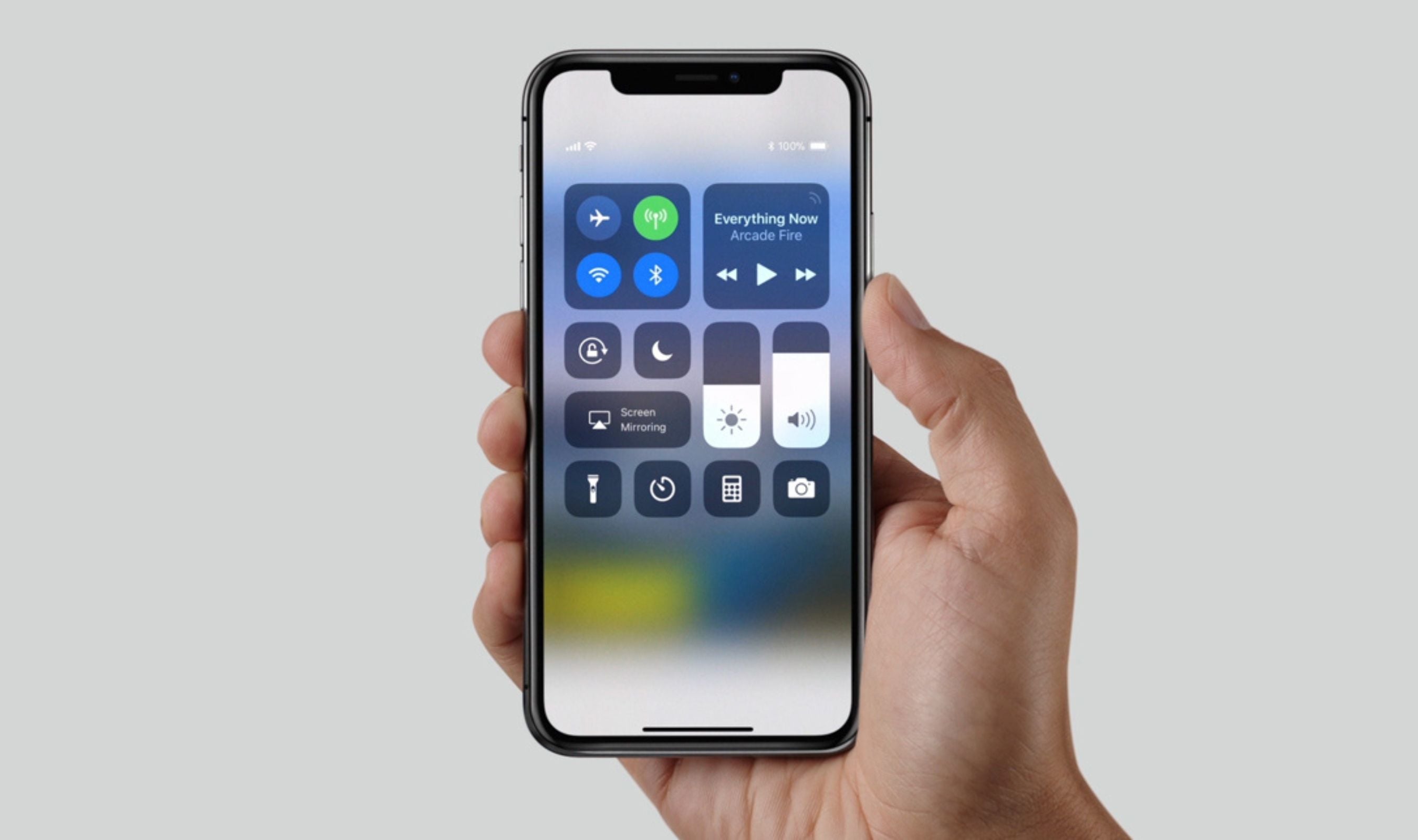
Apple has moved the iPhone X onto its obsolete products list, meaning the company and its Authorized Service Providers will no longer repair the device or supply parts for it, whether it's in or out of warranty. The 2018 15-inch MacBook Pro received the same classification in the same update.
The iPhone X launched in November 2017 and was pulled from sale in September 2018. It holds a notable place in Apple's lineup as the first iPhone with an OLED display and Face ID, dropping Touch ID entirely to make room for an edge-to-edge screen with a notch housing the camera and sensors.
The device also introduced the glass back and stainless steel frame design that carried into later iPhone models.
Apple's categorization system runs on a general timeline. Products move to vintage status five to seven years after Apple stops selling them, at which point service is offered only if parts remain available.
Products become obsolete once more than seven years have passed, and at that stage repairs and parts stop entirely.
For anyone still holding an iPhone X, the practical takeaway is straightforward: hardware support has now ended, so a hardware failure means the device can't be serviced through Apple. Owners looking to upgrade have current options available, though the company's next iPhone generation is also on the horizon.