


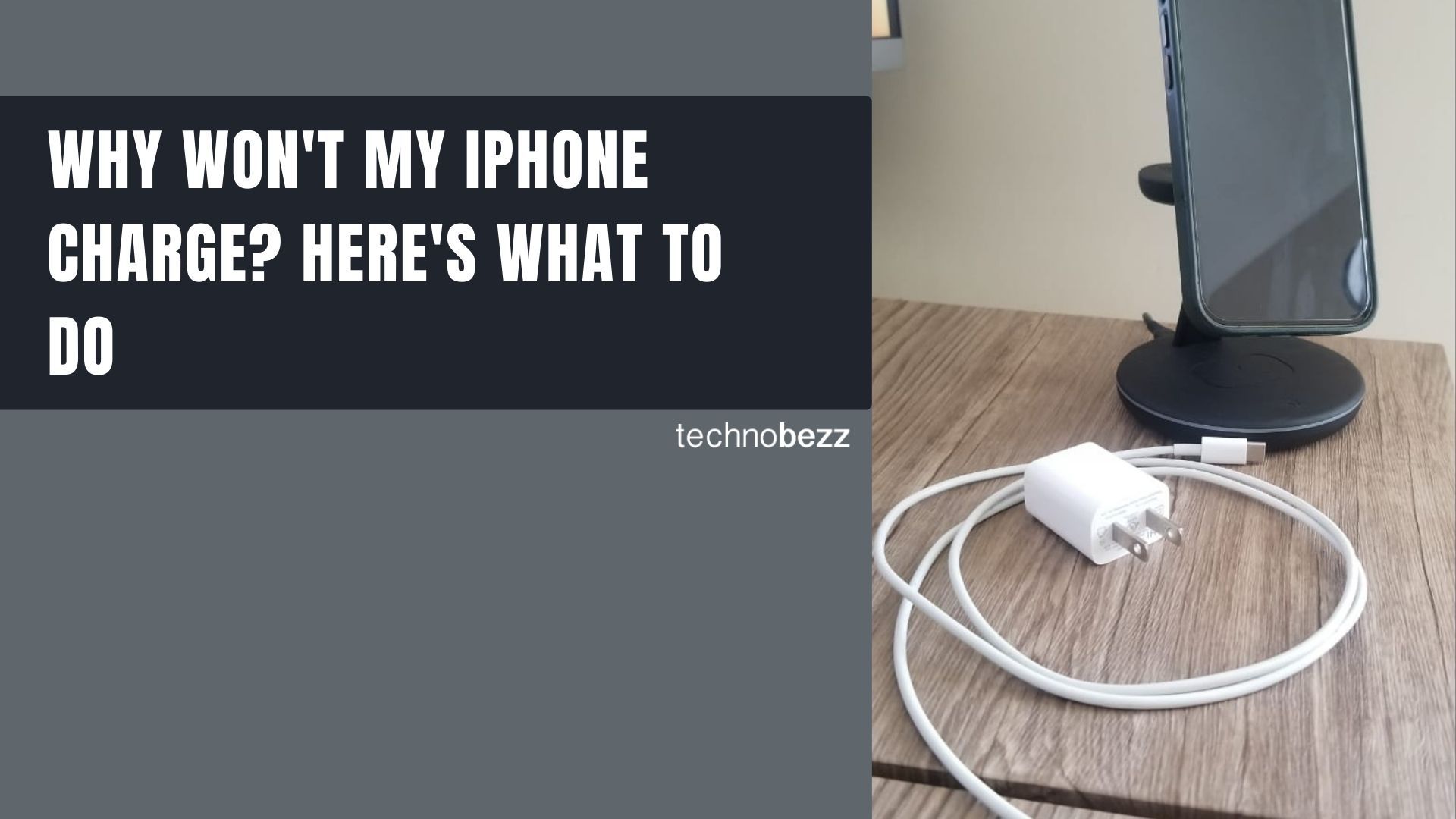
So your iPhone won't charge. You've plugged it in, swapped cables, maybe even tried talking to it nicely. Don't worry, this is one of the most common iPhone problems out there, and it's almost always fixable at home.
Whether you're dealing with a USB-C port that won't cooperate, a MagSafe charger that stopped working, or an iPhone that just sits there showing zero signs of life, we've got you covered. Let's run through the fixes from quickest to most involved.
Read more - iPhone Won't Turn On? Here's What to Do
Why Your iPhone Isn't Charging
Before jumping into fixes, it helps to know what you're dealing with. Here are the usual suspects:
- Dirty USB-C port - Lint, dust, and pocket debris love to jam up that little port. Since every iPhone from the iPhone 15 onward uses USB-C, this is the number one culprit.
- Bad cable or adapter - Frayed wires, bent connectors, or a charger that's seen better days.
- Non-certified accessories - Cheap knockoff cables can trigger "Accessory Not Supported" warnings or just refuse to charge altogether.
- Software glitches - iOS bugs sometimes mess with charging detection. iOS 19 users have reported occasional hiccups after major updates.
- Charge Limit is turned on - On iPhone 15 and later, there's a setting that stops charging at 80% (or even lower) to preserve battery health.
- Temperature protection - Your iPhone will throttle or stop charging if it gets too hot. This happens a lot with MagSafe chargers in warm rooms.
- Battery health issues - If your battery's maximum capacity is below 80%, it might be time for a replacement.
How to Fix an iPhone That Won't Charge
1. Force Restart Your iPhone
This is always step one. A force restart clears out temporary software bugs that might be blocking the charging connection. It takes 30 seconds and fixes the problem more often than you'd expect.
For every current iPhone (iPhone 8 and later, including all USB-C models):
- Press and release Volume Up
- Press and release Volume Down
- Press and hold the Side button until the Apple logo appears
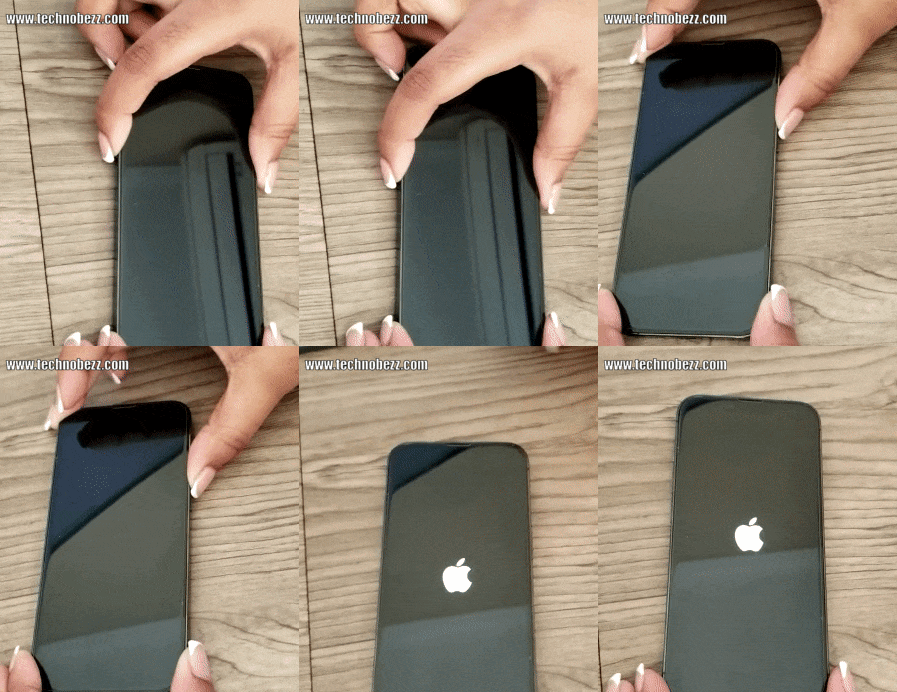
Once it boots back up, plug it in and see if the charging indicator appears.
Read more - Why Is My iPhone Overheating and How to Fix It
2. Clean the USB-C Charging Port
This fix solves the problem for a shocking number of people. Over time, lint and dust pack into the USB-C port every time you slide your phone into a pocket or bag. Eventually there's so much gunk in there that the cable can't make a proper connection.
Grab a flashlight and take a look inside. If you see debris:
- Turn off your iPhone first
- Use a wooden or plastic toothpick to gently scrape out the lint
- Don't use metal tools, they can damage the contacts
- Try compressed air from a safe distance
- Tap the phone gently with the port facing down to shake loose anything stuck in there
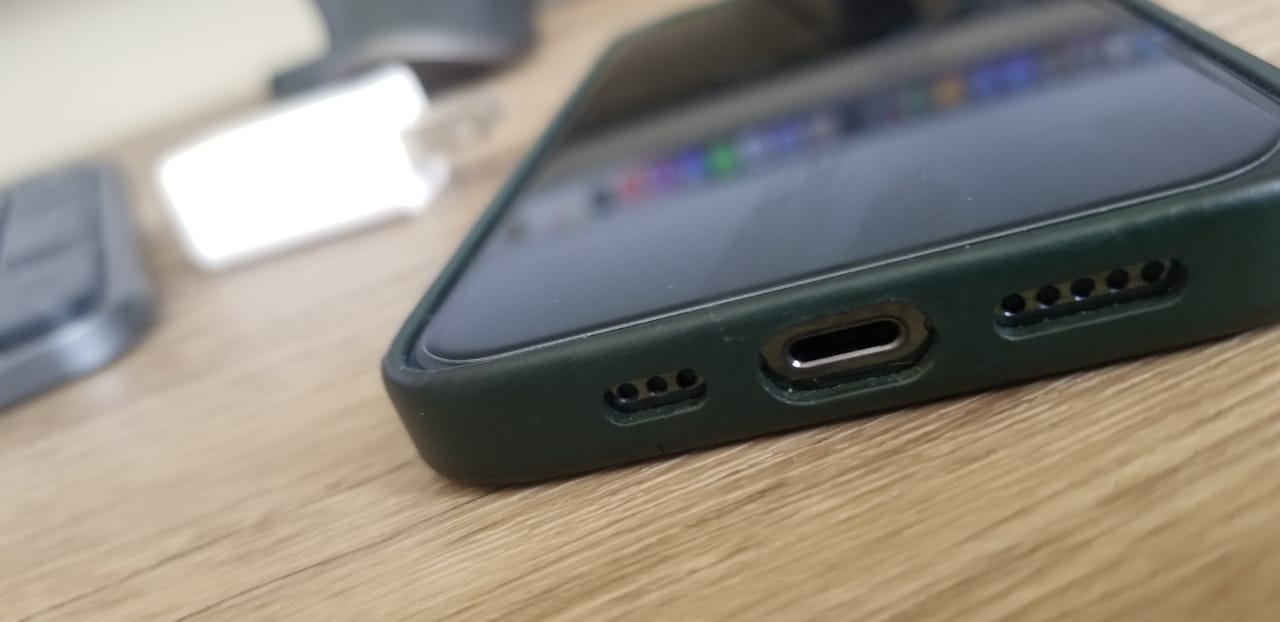
If the port looks damaged or the cable still feels loose after cleaning, you'll want a technician to take a look.
3. Try a Different Cable and Power Source
You need to figure out whether the problem is your cable, your adapter, or your outlet. The easiest way is to swap each one out individually.
- Try a different USB-C cable (make sure it's Apple-certified or MFi)
- Test with a different wall adapter, or plug into a computer's USB-C port
- Try a different wall outlet entirely
- Remove your phone case, especially thick or magnetic ones that might interfere
If your iPhone charges fine with a different cable, you've found your culprit. Toss the old one.
4. Check Your Charge Limit Settings
This one trips up a lot of people. Starting with iPhone 15, Apple added a Charge Limit feature that intentionally stops charging at 80% (or 85%, 90%, or 95%) to extend your battery's lifespan. If your iPhone charges but won't go past 80%, this is probably why.
- Go to Settings > Battery > Charging
- Look for the Charge Limit option
- Set it to 100% if you want a full charge
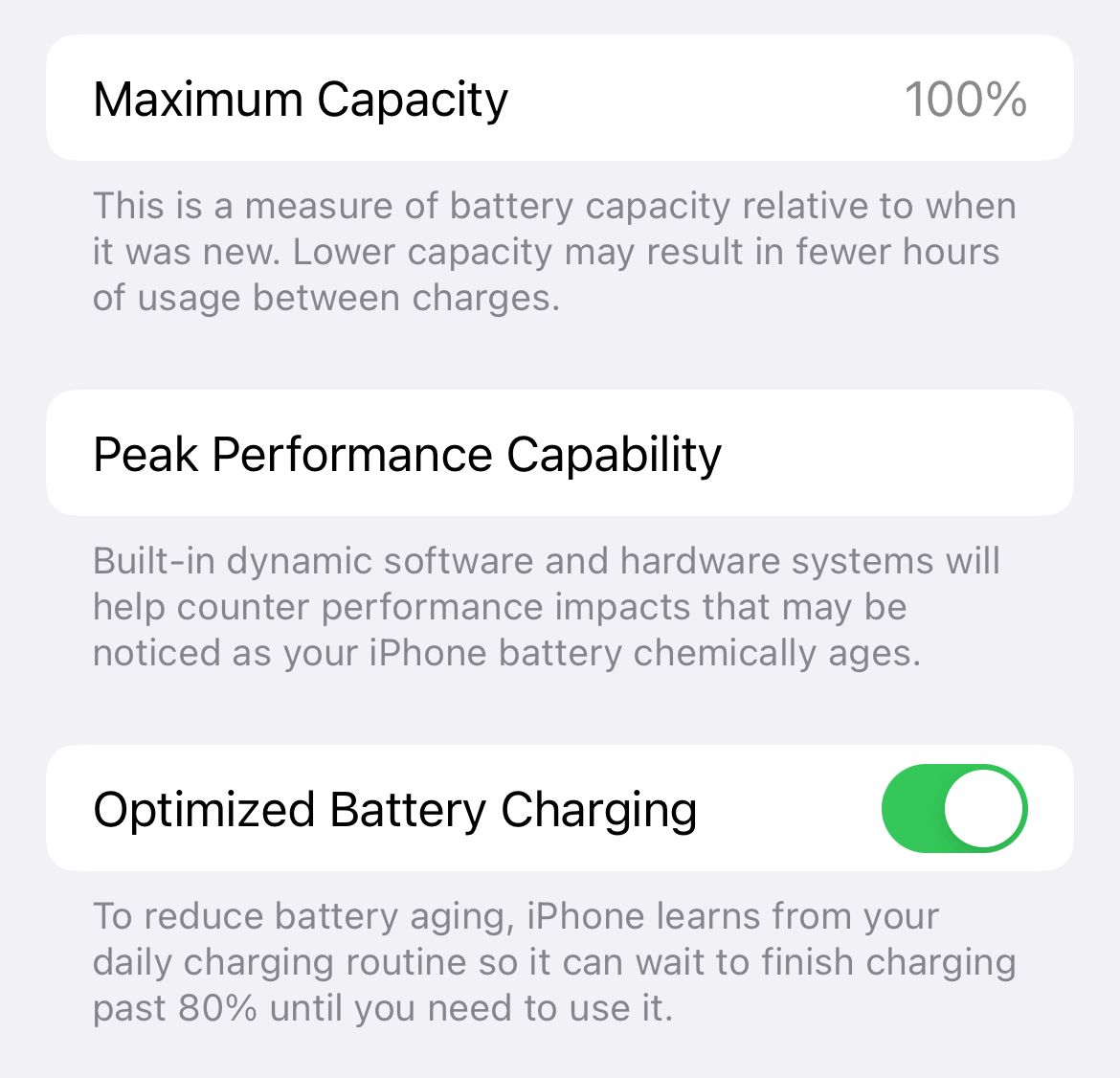
There's also Optimized Battery Charging, which learns your daily routine and delays charging past 80% until right before you typically unplug. You can turn this off in the same menu, but honestly it's worth keeping on for battery longevity.
5. Wait If the Battery Is Completely Dead
If your iPhone's battery hit absolute zero, it won't show any signs of life right away when you plug it in. This is normal. Leave it connected to a wall charger (not a computer USB port) for at least 15 to 30 minutes.
You should eventually see a battery icon or the charging indicator on screen. If nothing shows up after 30 minutes, try a force restart while it's still plugged in.
6. Try MagSafe or Wireless Charging
If wired charging isn't working, MagSafe or Qi2 wireless charging can help you figure out whether the problem is your USB-C port or something else entirely. Every iPhone from the iPhone 8 onward supports wireless charging, and iPhone 12 and later support MagSafe.
A few things to keep in mind with MagSafe:
- Make sure the charger is properly aligned (the magnets should snap it into place)
- Remove thick cases or anything with metal plates, they block wireless charging
- Use at least a 20W adapter for MagSafe to hit its full 15W speed
- If your iPhone gets warm during wireless charging, it may slow down or pause, that's the temperature protection kicking in
If wireless charging works but USB-C doesn't, your port likely needs repair.
7. Update to the Latest iOS Version
Apple regularly patches charging bugs in iOS updates. If you're running an older version of iOS 19 (or still on iOS 18), updating could fix the issue.
- Go to Settings > General > Software Update
- Download and install any available update

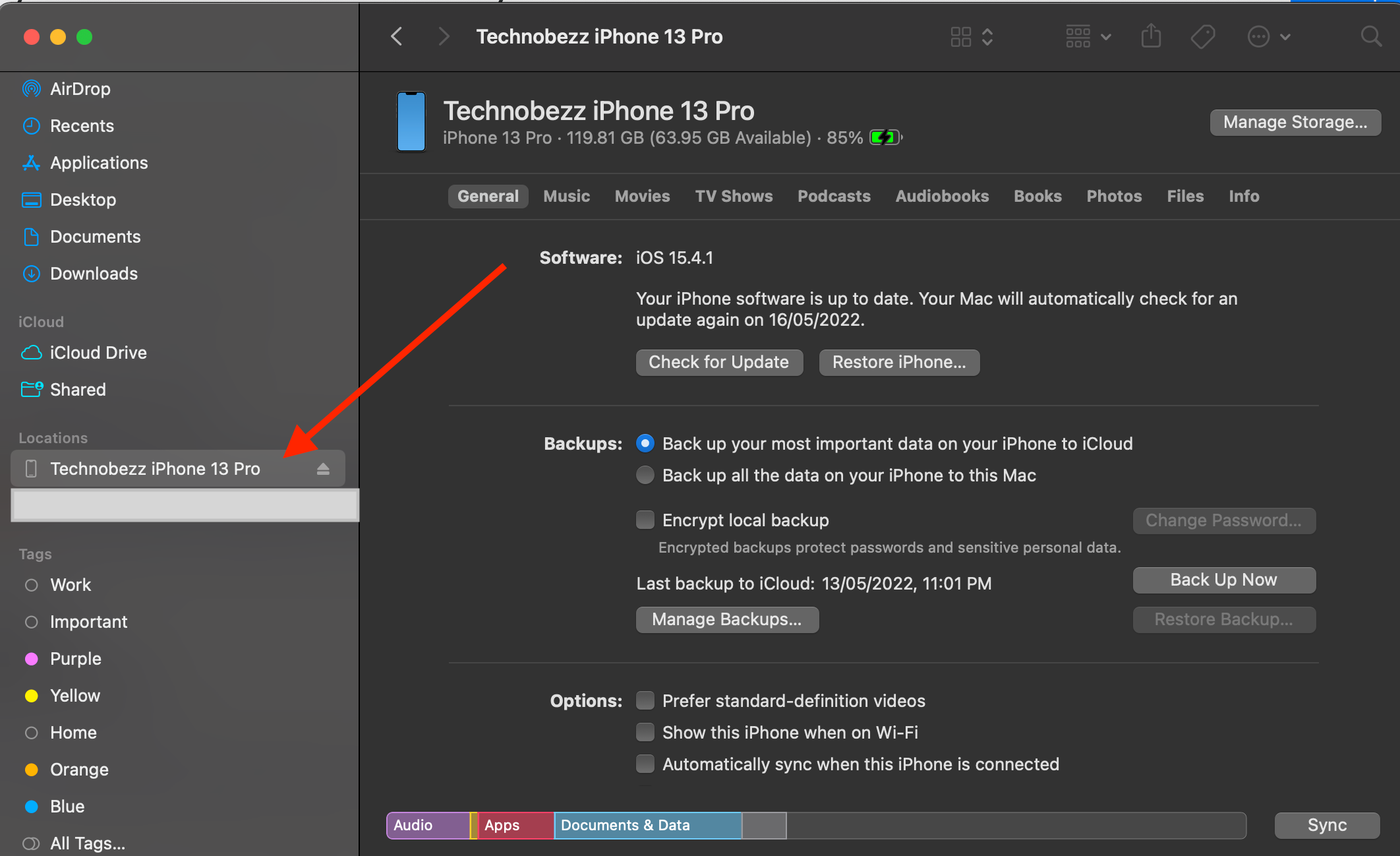
If your iPhone won't turn on at all, you can update through a computer instead. Connect it to a Mac (Finder) or PC (iTunes/Apple Devices), and click Check for Update.
8. Charge with the Phone Turned Off
Sometimes a rogue app or background process is interfering with charging. Turn your iPhone completely off, then plug it in. If it starts charging normally, you know it's a software issue.
This is also the fastest way to charge your iPhone when you're in a hurry. No screen, no apps running, just pure charging speed.
9. Restore Your iPhone (Last Resort)
If you've tried everything else and your iPhone still won't charge properly, a full restore can wipe out deep software issues. Back up your data first because this erases everything.
To restore using Recovery Mode:
- Turn off your iPhone
- Connect it to your computer with a USB-C cable
- Press and hold the Side button and Volume Down simultaneously for about 20 seconds
- When the recovery screen appears, choose Restore in Finder or iTunes
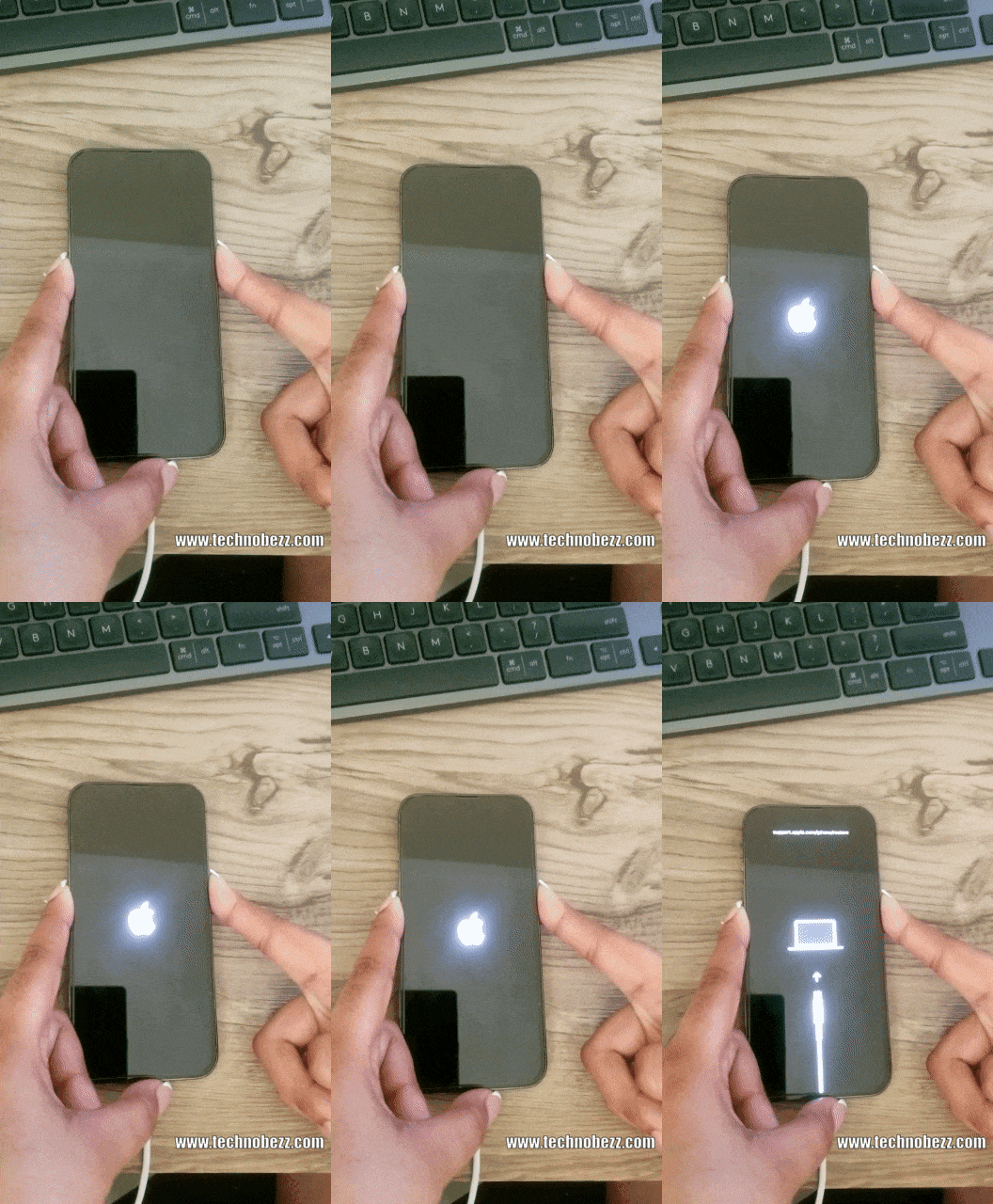
After the restore, test charging again. If it still doesn't work, you're looking at a hardware problem. Time to book an appointment at the Apple Store or an authorized service provider.
Frequently Asked Questions
Why does my iPhone stop charging at 80%?
Two possible reasons. If you have an iPhone 15 or later, check Settings > Battery > Charging to see if Charge Limit is set below 100%. The other possibility is Optimized Battery Charging, which deliberately pauses at 80% and finishes charging right before your usual wake-up time. Your iPhone might also pause at 80% if it's overheating.
Can I use any USB-C cable to charge my iPhone?
Technically yes, but not all USB-C cables are equal. Cheap, non-certified cables might charge slowly, trigger error messages, or not work at all. Stick with Apple-certified or MFi cables for reliable charging. You don't need to buy Apple's own cable, just make sure whatever you get is certified.
Why does my iPhone charge slowly on MagSafe?
MagSafe maxes out at 15W, so it's naturally slower than a good USB-C wired charger. But if it's unusually slow, check that you're using at least a 20W adapter, remove thick cases, and make sure the charger is properly aligned. Heat can also throttle MagSafe speeds significantly.
Should I charge my iPhone after it gets wet?
No. If your iPhone detects liquid in the USB-C port, it'll show a warning and block wired charging for your protection. Let it dry completely before plugging anything in. You can use wireless charging in the meantime if you need power urgently, but it's best to let everything dry out first.