Removing a user account on a Mac does not require wiping the drive or reinstalling macOS. You can delete a single account, choose what happens to its personal files, and leave every installed app in place for the remaining accounts.
This guide covers the current method on macOS Ventura, Sonoma, and Sequoia, plus a Terminal option and fixes for the most common blockers. The older steps for pre-Ventura Macs are included and clearly labeled.
What Deleting a User Account Does
Every account on a Mac has its own home folder that holds that user's documents, downloads, photos, app preferences, and settings. Deleting the account removes the account itself, and you decide separately whether to keep or erase that home folder.
Installed applications live in the system-wide Applications folder, so they stay on the Mac for all other accounts. Removing one user does not uninstall shared apps, change other accounts, or touch macOS itself.
Two rules apply before you start. You need administrator privileges, and you cannot delete the account you are currently signed in to. If you only have one account, create a second admin account first, then sign in to that one to remove the original.
What You Need Before You Start
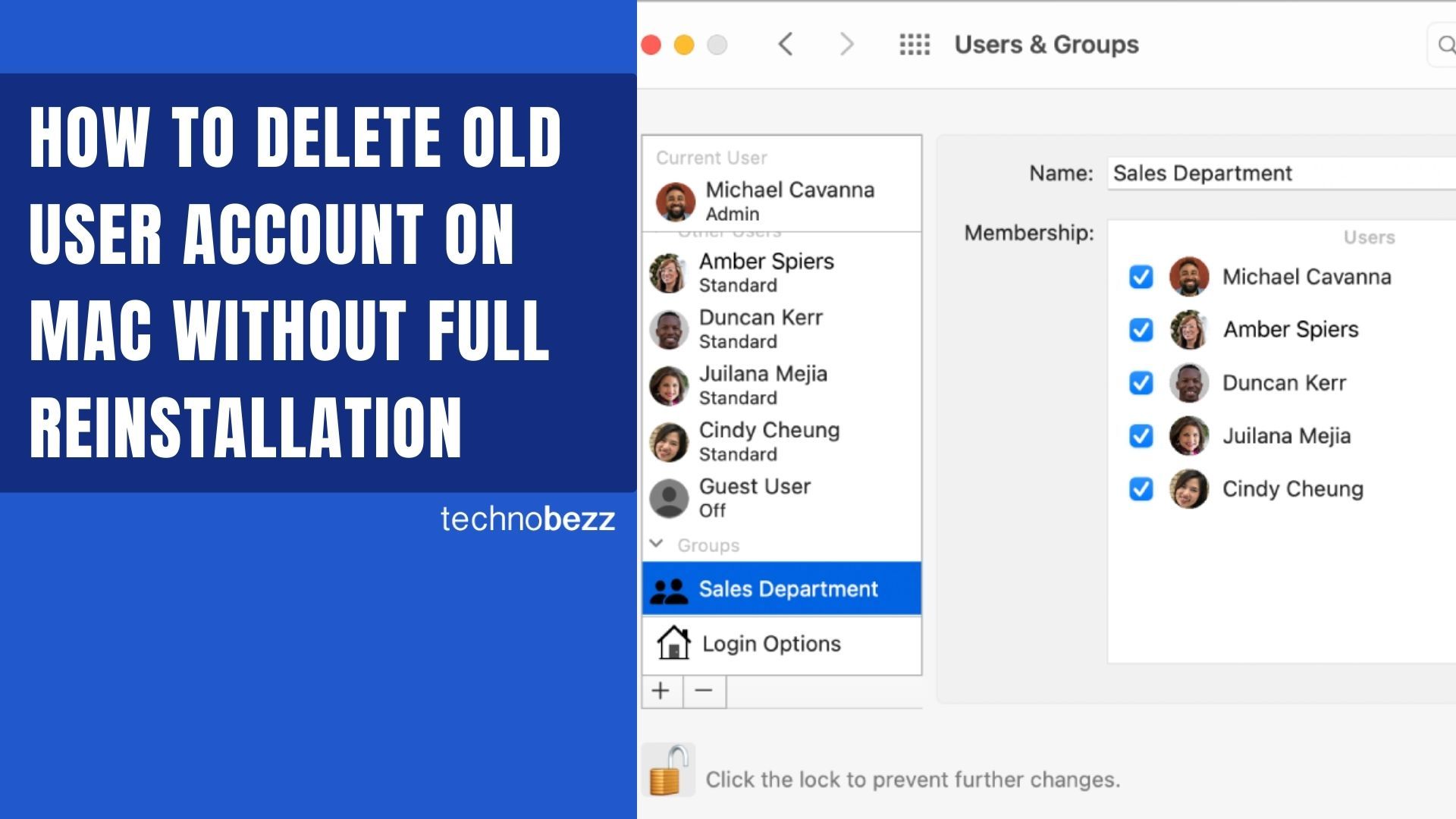
Confirm the account you are signed in to is an administrator. Go to Apple menu > System Settings > Users & Groups and check that your account is labeled Admin.
Make sure the account you want to delete is fully logged out, not just switched away from with Fast User Switching. Back up anything you might want from that account, because a deleted home folder is hard to recover.
Delete a User Account in System Settings
On macOS Ventura and later, account management moved from System Preferences to System Settings, and the minus button was replaced by an info button. The steps below reflect the current interface.
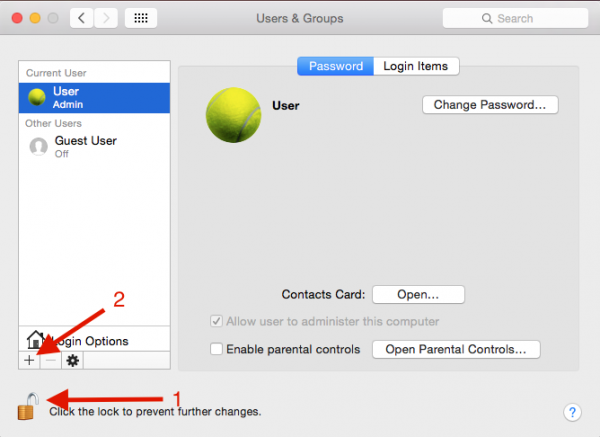
- 1.Choose Apple menu > System Settings.
- 2.Click Users & Groups in the sidebar. You may need to scroll the sidebar to find it.
- 3.Find the account you want to remove, then click the info button (the small circled i) next to it.
- 4.Click Delete User at the bottom of the panel.
- 5.Enter an administrator password if prompted.
- 6.Choose what to do with the home folder, then confirm.
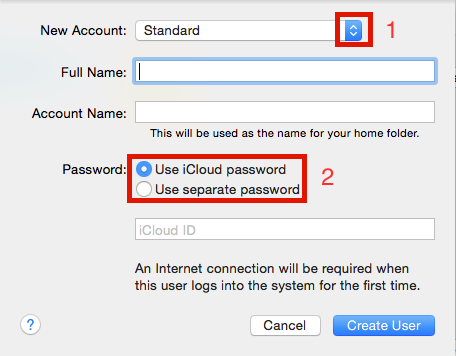
If the account is a standard sharing-only user with no home folder, it is removed immediately without the folder options described below.
Choose What Happens to the Home Folder
When you delete a normal account, macOS asks how to handle its files. There are three choices, and the right one depends on whether you might need that data again.
- Save the home folder in a disk image archives all of the user's files into a single .dmg stored in /Users/Deleted Users/. The account can be restored later from this image.
- Don't change the home folder leaves the files in place under /Users/. The data stays on disk and the account can be restored later.
- Delete the home folder permanently erases the user's files and frees the storage they used.
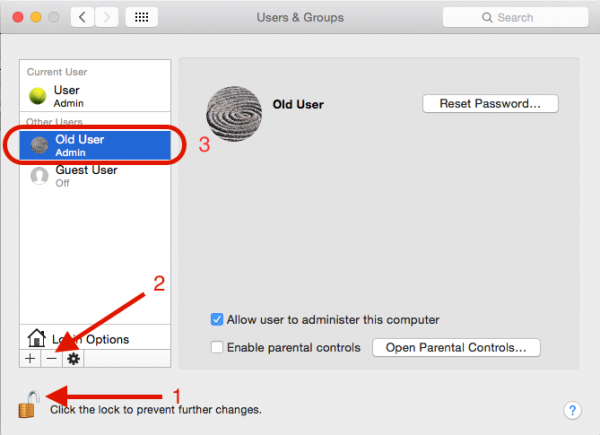
Pick Delete the home folder only when you are certain you no longer need anything from that account. Choose one of the other two options if there is any chance you will want the files back.
Delete a User Account With Terminal
Administrators and people managing several Macs can remove an account from the command line with sysadminctl, Apple's built-in account tool. Run this while booted normally and signed in to an admin account.
To delete an account and remove its home folder, open Terminal and run the following, replacing username with the short name of the account:
sysadminctl -deleteUser username
To erase the data more thoroughly, add the secure flag. To delete the account but keep its home folder, use the keepHome flag instead:
- sysadminctl -deleteUser username -secure
- sysadminctl -deleteUser username -keepHome
For scripted or non-interactive use, supply admin credentials directly with -adminUser administrator_name -adminPassword administrator_password. Like System Settings, sysadminctl refuses to delete the last administrator or the last secure-token user on the Mac.
Keep Your Apps When Passing the Mac to Someone Else
If you are handing the Mac to a family member or new owner and want to keep the installed apps, you do not need to reinstall macOS. Create a fresh admin account for the new person, sign in to it, then delete your old account using the steps above.
Choose Delete the home folder so your personal data is gone, while the apps in the system Applications folder remain available to the new account. The result is a clean account without the time cost of a full reinstall.
For a Mac you are selling to a stranger, a clean erase and reinstall through Erase All Content and Settings is the safer choice, because deleting an account alone leaves system-level data and your Apple Account sign-in in place.
Fix a Greyed Out or Undeletable Account
If Delete User is dimmed, the info button is missing, or the old minus button is greyed out, one of a few common causes is usually responsible. Work through them in order.
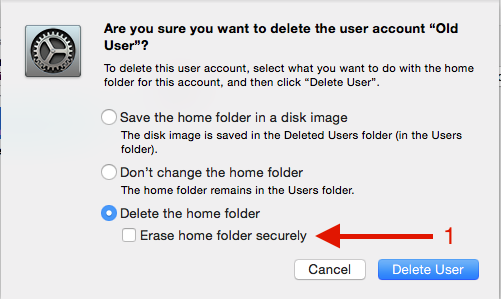
- The account is still logged in. macOS will not delete an account it believes is in use. Log that user out completely, or restart the Mac so no accounts are active, then try again.
- You are not signed in as an admin. Only administrators can remove accounts. Sign in to an admin account, or have one unlock System Settings.
- You are trying to delete the last admin. A Mac must keep at least one administrator. Create another admin account first, or promote a standard account to Admin, then remove the original.
- It is a managed or organization account. Accounts controlled by a school or workplace through device management often cannot be removed locally. Contact the administrator who enrolled the Mac.
If the account still will not delete after a restart, create a brand new administrator account, restart, sign in to it, and remove the stubborn account from there.
Frequently Asked Questions
Can I recover a user account after deleting it?
Only if you kept the home folder. If you chose Don't change the home folder or saved it as a disk image, you can re-create the account and restore the data. If you chose Delete the home folder, the files are gone and recovery is unreliable.
Does deleting an account remove its files?
It depends on the option you pick at deletion. The files are erased only if you select Delete the home folder. The other two options keep the data on disk or archive it as a disk image.
How do I delete an account if the option is greyed out?
Make sure the account is logged out, that you are signed in as an administrator, and that it is not the last admin on the Mac. Restarting clears most stuck states. If it remains undeletable, it may be a managed account controlled by an organization.
Can I delete the administrator account on a Mac?
Yes, as long as another administrator account remains. macOS and the Terminal both block deleting the last admin or the last secure-token user, so create or promote a second admin first.
Will deleting a user uninstall my apps?
No. Apps installed in the shared Applications folder stay on the Mac and remain available to the other accounts. Only files inside the deleted user's home folder are affected.
How do I delete a user on macOS Monterey or earlier?
On pre-Ventura macOS, go to Apple menu > System Preferences > Users & Groups, click the lock icon and enter an admin password, select the account, then click the minus button below the list. You then choose the same home-folder options before confirming.
First published October 13, 2025. Last updated June 4, 2026.