The Meta Quest 3 stands as the best overall VR headset right now, balancing performance, features, and price better than anything else. Whether you're new to virtual reality or upgrading from older hardware, today's headsets offer clearer displays, better tracking, and more comfortable designs than ever before. This guide helps you find the right match for gaming, fitness, creative work, or simply exploring virtual worlds.
Technobezz is supported by its audience. We may get a commission from retail offers.
4 Best VR Headsets in 2026
Meta Quest 3 leads our 2026 picks for the best VR headsets. Compare top models for gaming, fitness, and value to find your perfect match.
T
Technobezz
Editorial Team
Updated September 29, 2026Sep 29, 2026
•6 min read

Get Deals Like These in Your Inbox
The best prices, straight to your inbox.
On GoogleFollow Technobezz: add us as a preferred source.

At a Glance
| Category | Product | Why We Picked It |
|---|---|---|
| Best overall | Meta Quest 3 | Excellent balance of performance, mixed reality, and price |
| Best value | Meta Quest 3S | Affordable entry point with most Quest 3 features |
| Best for PC gaming | Pimax Crystal Light with Controllers | 2880 x 2880 pixels per eye, local dimming, and SteamVR compatibility |
| Best mixed reality experience | Apple Vision Pro | Dual micro-OLED 4K displays |
How we chose
We evaluated headsets based on display quality, comfort, tracking accuracy, software ecosystem, and value. Each model was assessed for its performance in gaming, mixed reality applications, and everyday usability. We considered factors like setup complexity, controller quality, and long-term comfort for prolonged use.
The best VR headsets right now
Meta Quest 3 - Best overall
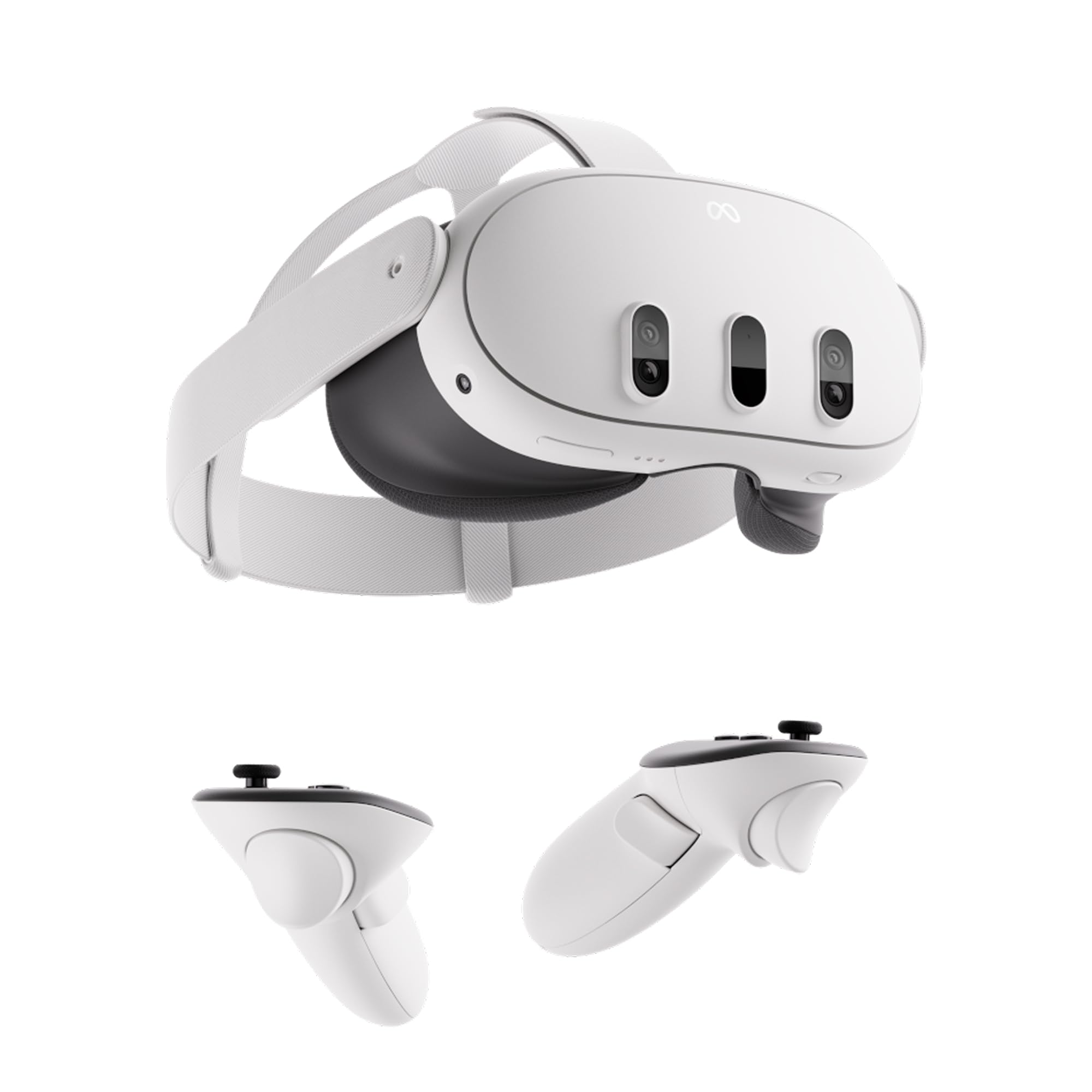
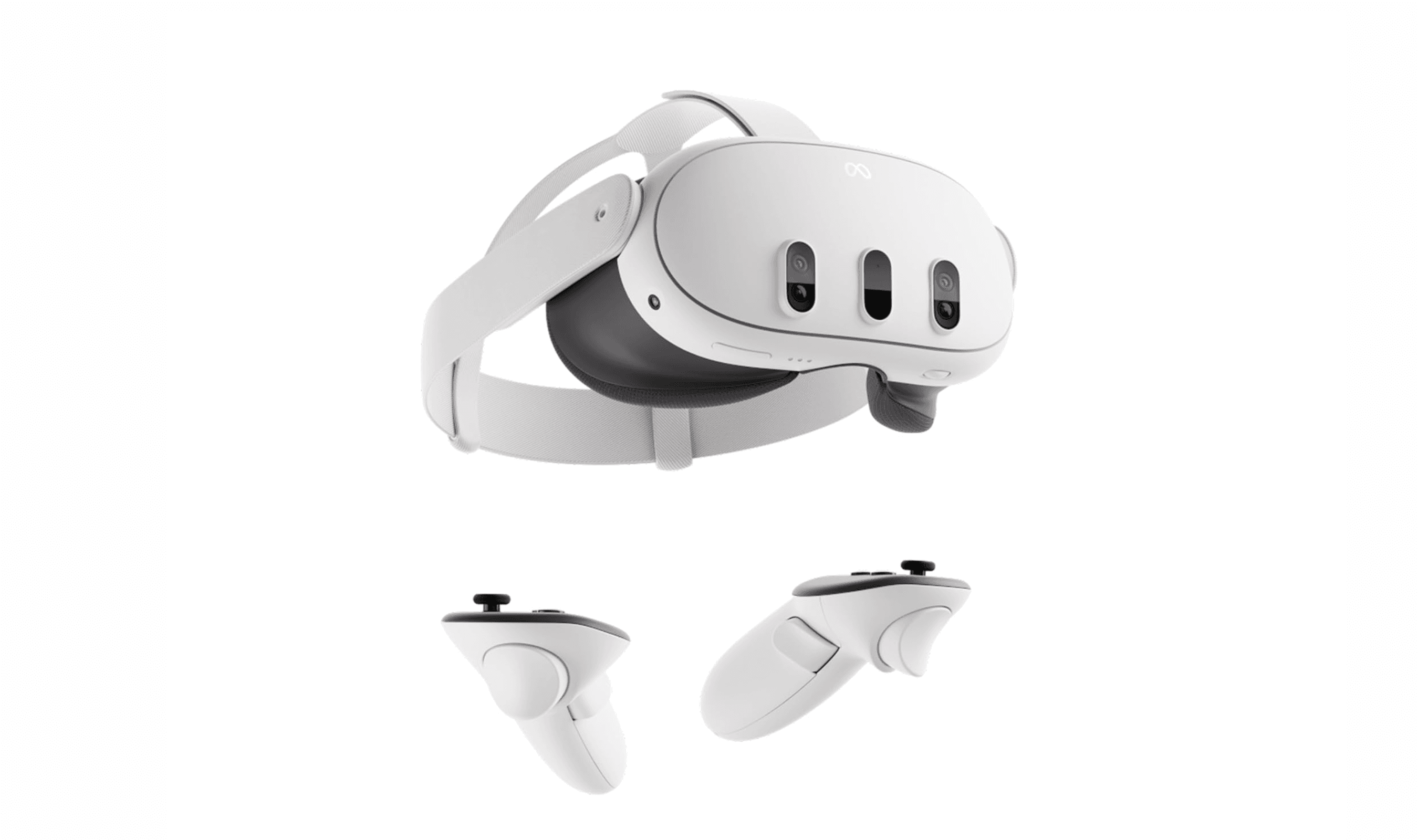
The Meta Quest 3 delivers the best combination of standalone performance, mixed reality capabilities, and overall value available today. It works wirelessly for complete freedom or connects to a PC for more demanding experiences.
Key highlights
- Standalone operation with no PC or console required
- Color passthrough cameras for mixed reality experiences
- 40% slimmer optic profile than Quest 2
- Backward compatibility with Quest 2 and Quest Pro games
- Works wirelessly or tethered to a PC
Pros
- Excellent balance of price and performance
- Strong mixed reality implementation
- Large library of games and applications
- Easy setup with no external sensors
- Portable design for travel
Cons
- Battery life could be better for extended sessions
- Some may find the default strap uncomfortable
- Mixed reality content library still developing
Who it is for: Anyone looking for a versatile VR headset that works well for gaming, fitness, and mixed reality without needing a powerful PC.
Skip if
You only play on PlayStation 5 or want the absolute highest-end PC VR experience.
Meta Quest 3S - Best value
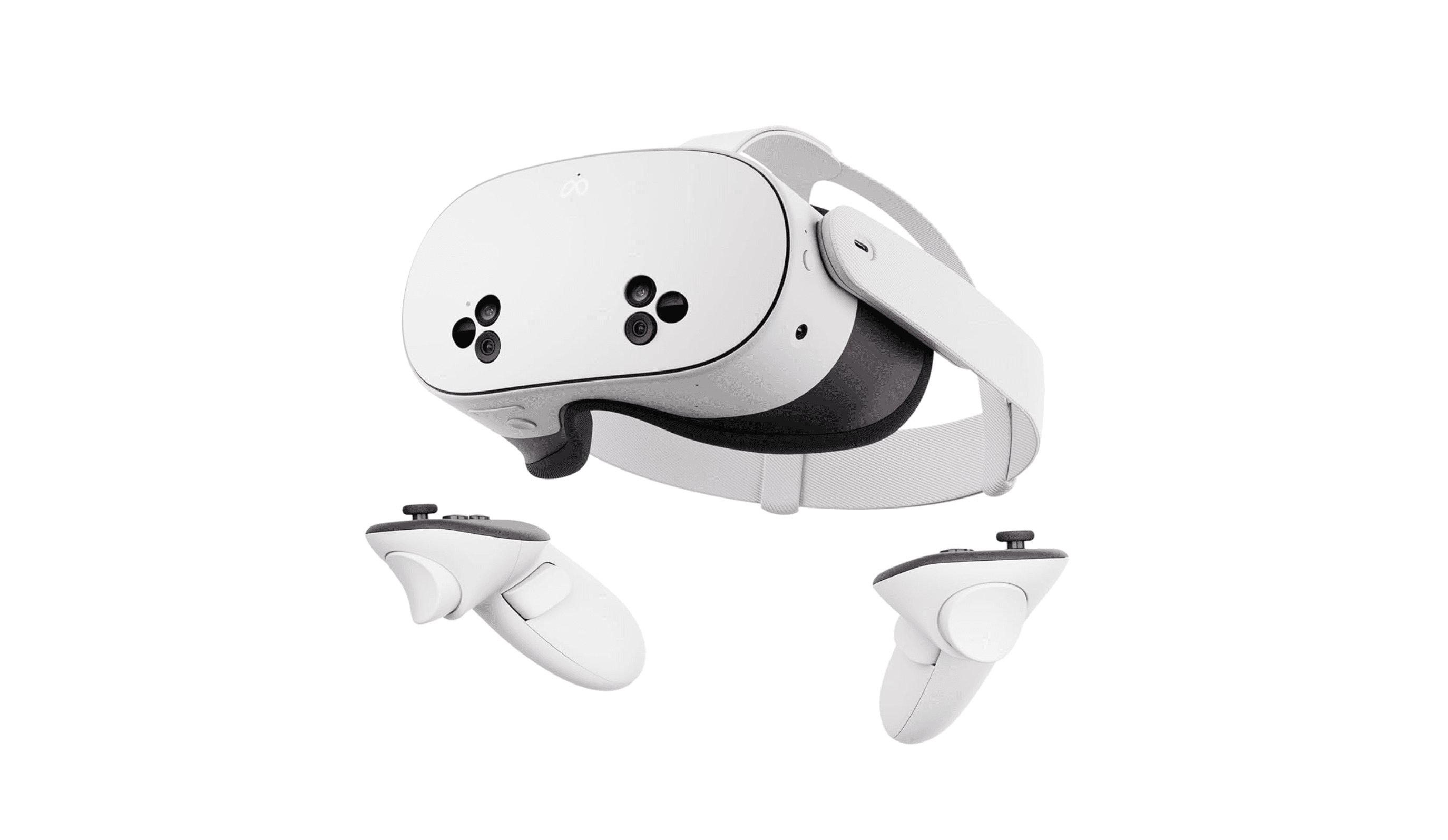
The Meta Quest 3S delivers most of the Quest 3 experience at a significantly lower price, making it the most affordable way to get into quality standalone VR and mixed reality today.
Key highlights
- Same Snapdragon XR2 Gen 2 processor as the Quest 3
- Full color passthrough for mixed reality
- Standalone headset with no PC or wires required
- Touch Plus controllers with advanced hand tracking
Pros
- Access to the full Quest game and app library
- Strong mixed reality capabilities with color passthrough
- Quick and easy setup out of the box
- Dedicated action button for toggling passthrough mode
Cons
- Fresnel lenses offer less clarity than Quest 3's pancake lenses
- Lower display resolution (1832 x 1920 per eye)
- Bulkier design compared to the slimmer Quest 3
- Limited 3-position IPD adjustment instead of continuous dial
Who it is for: First-time VR buyers, budget-conscious gamers, and anyone who wants a capable standalone headset without spending $500 or more.
Skip if
You prioritize the sharpest visuals and best optics, or you already own a Quest 3.
Pimax Crystal Light with Controllers - Best for PC gaming
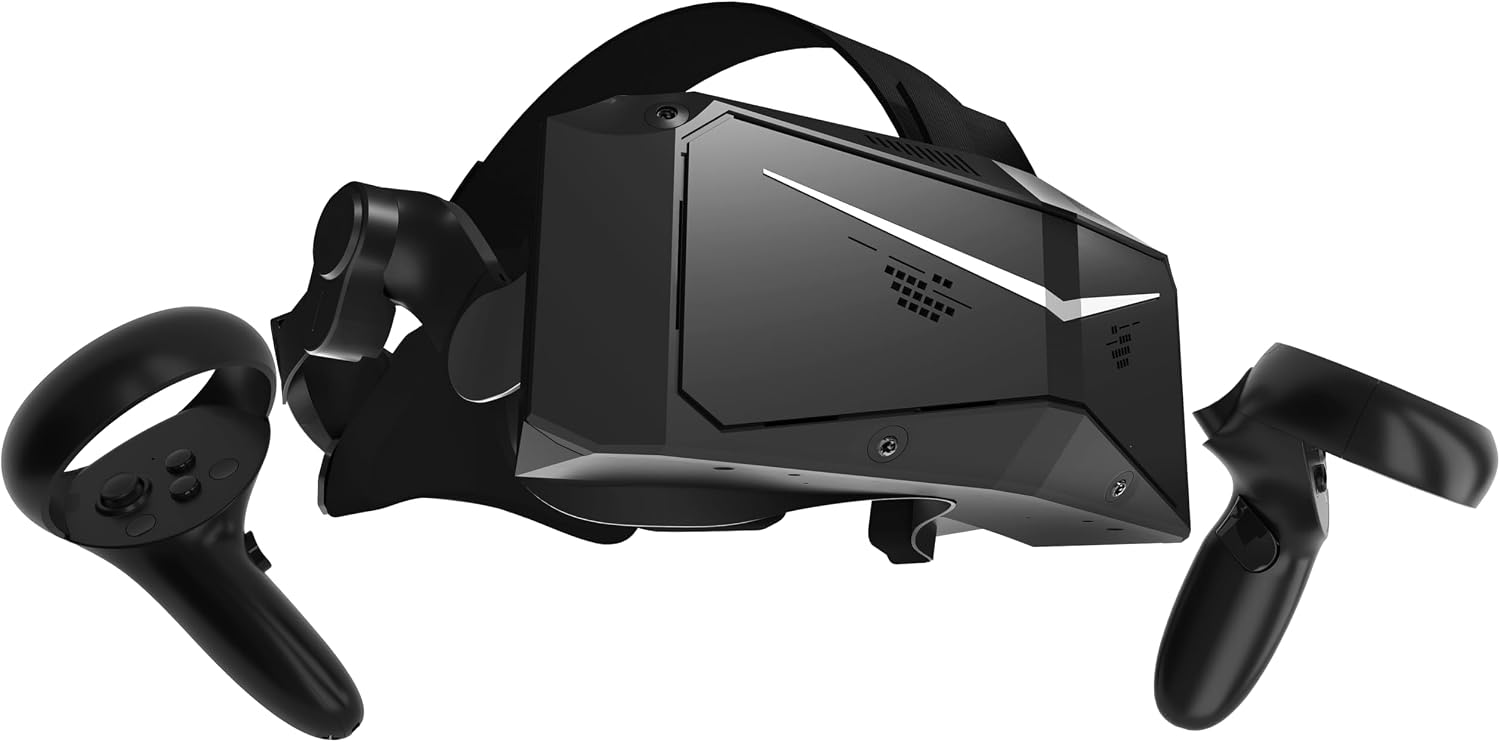
The Pimax Crystal Light with Controllers suits PC gamers who prioritize detailed visuals, especially in flight and racing simulators. Its 2880 x 2880 resolution per eye and local dimming pair with SteamVR support, but it requires a compatible gaming PC.
Key highlights
- 2880 x 2880 resolution per eye
- QLED displays with local dimming
- 72Hz, 90Hz, and 120Hz refresh rate options
- Camera-based inside-out tracking
- Controllers and AC adapter included
Pros
- High resolution for detailed simulator views
- Local dimming improves dark-scene contrast
- Inside-out tracking avoids external base stations for standard setup
- Supports SteamVR games
Cons
- Requires a compatible gaming PC and wired connection
- Demanding simulators benefit from a powerful graphics card
- No eye tracking
- Requires Pimax Play software setup
Who it is for: PC gamers, especially flight and racing simulator players, who prioritize display detail and have a compatible gaming PC.
Skip if
You want wireless or standalone play, need eye tracking, or lack a compatible gaming PC.
Apple Vision Pro - Best mixed reality experience
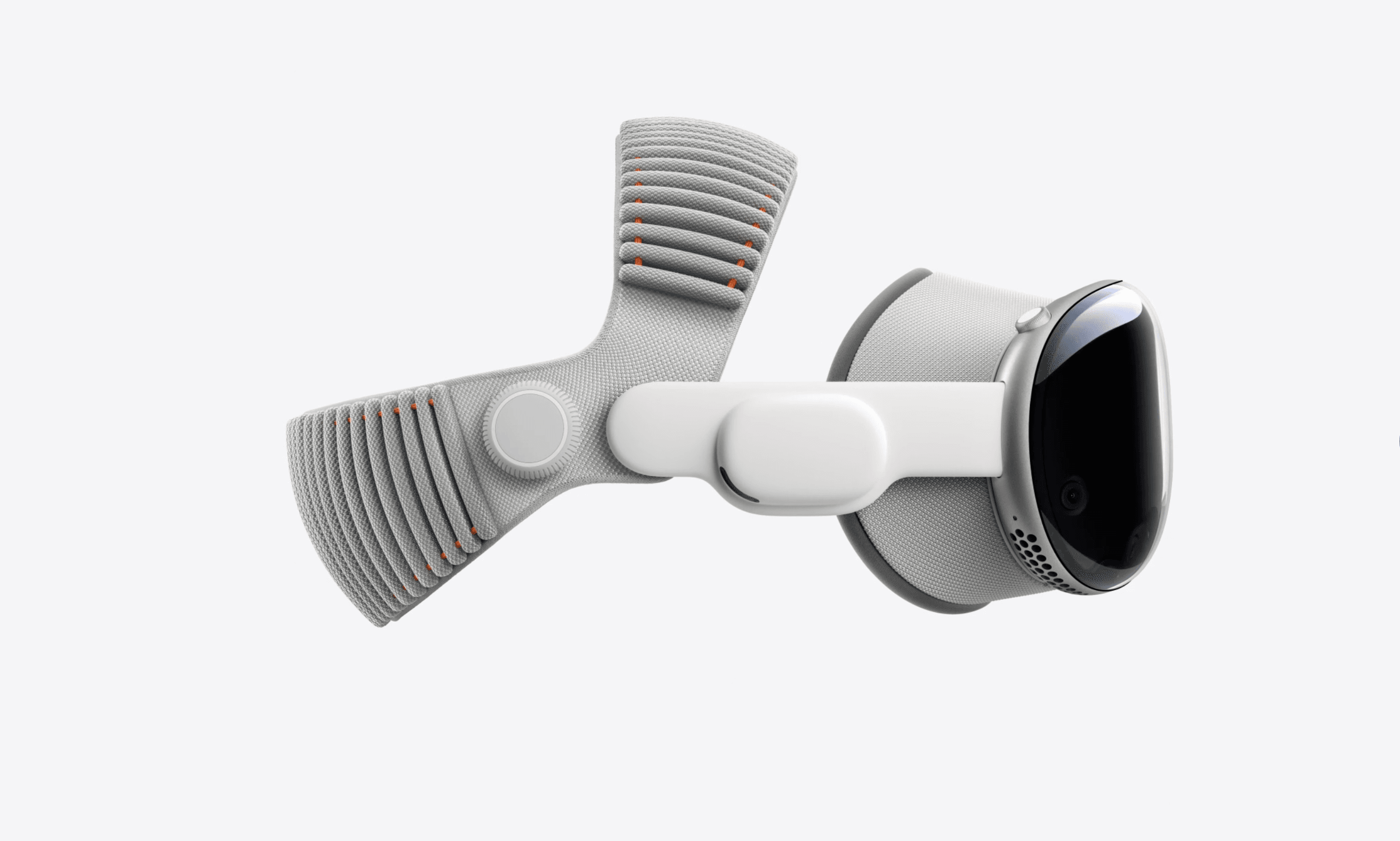
Apple's Vision Pro offers the most advanced mixed reality experience available, blending virtual content with your real environment seamlessly.
Key highlights
- Dual micro-OLED 4K displays
- Eye and hand tracking controls
- M5 processor for standalone operation
- visionOS platform with iPad app compatibility
- Professional-grade passthrough cameras
Pros
- Best mixed reality implementation
- Incredible display quality
- No controllers needed (eye/hand tracking)
- Professional application support
- Seamless Apple ecosystem integration
Cons
- Extremely expensive at $3,500
- Limited game library compared to gaming headsets
- Heavier than most VR headsets
- Battery pack adds bulk
Who it is for: Professionals, developers, and Apple enthusiasts who want cutting-edge mixed reality technology.
Skip if
You're primarily interested in gaming or have a limited budget.
How to Choose
Consider these factors when selecting a VR headset:
- 1.Platform compatibility: Do you own a PS5, have a gaming PC, or want a standalone device? Your existing hardware determines which headsets will work for you.
- 2.Budget: Allow for any required gaming PC, console, or accessories when setting your budget. The Quest 3S offers the best value for newcomers.
- 3.Primary use: Gaming, fitness, creative work, or mixed reality? Different headsets excel in different areas.
- 4.Setup preferences: Standalone headsets offer simplicity, while PC VR provides more power at the cost of complexity.
- 5.Comfort needs: Consider weight, padding, and adjustability if you plan long sessions. Some headsets are noticeably more comfortable than others.
FAQ
What's the difference between VR and mixed reality?
VR completely replaces your view with virtual content, while mixed reality (sometimes called augmented reality) blends virtual objects with your real environment. Many modern headsets, like the Quest 3 and Vision Pro, support both.
Do I need a powerful PC for VR?
PC headsets such as the Pimax Crystal Light require a compatible gaming PC. Standalone headsets such as the Quest 3 run games without one. PlayStation VR2 requires a PS5, or a compatible PC with its separately sold PC adapter.
Can I use VR headsets for things other than gaming?
Yes, modern headsets support fitness applications, creative tools, social platforms, productivity software, and media consumption like watching movies on a giant virtual screen.
How important is wireless capability?
Wireless freedom significantly enhances immersion by removing cable management concerns. Most standalone headsets are wireless, while PC headsets often require cables or optional wireless adapters.
What about motion sickness?
Start with shorter sessions and games with less movement. Most people adapt over time, and features like higher refresh rates (90Hz+) can help reduce discomfort.
Published February 26, 2026 Last updated September 29, 2026
Share this article
More on headphones
Deal
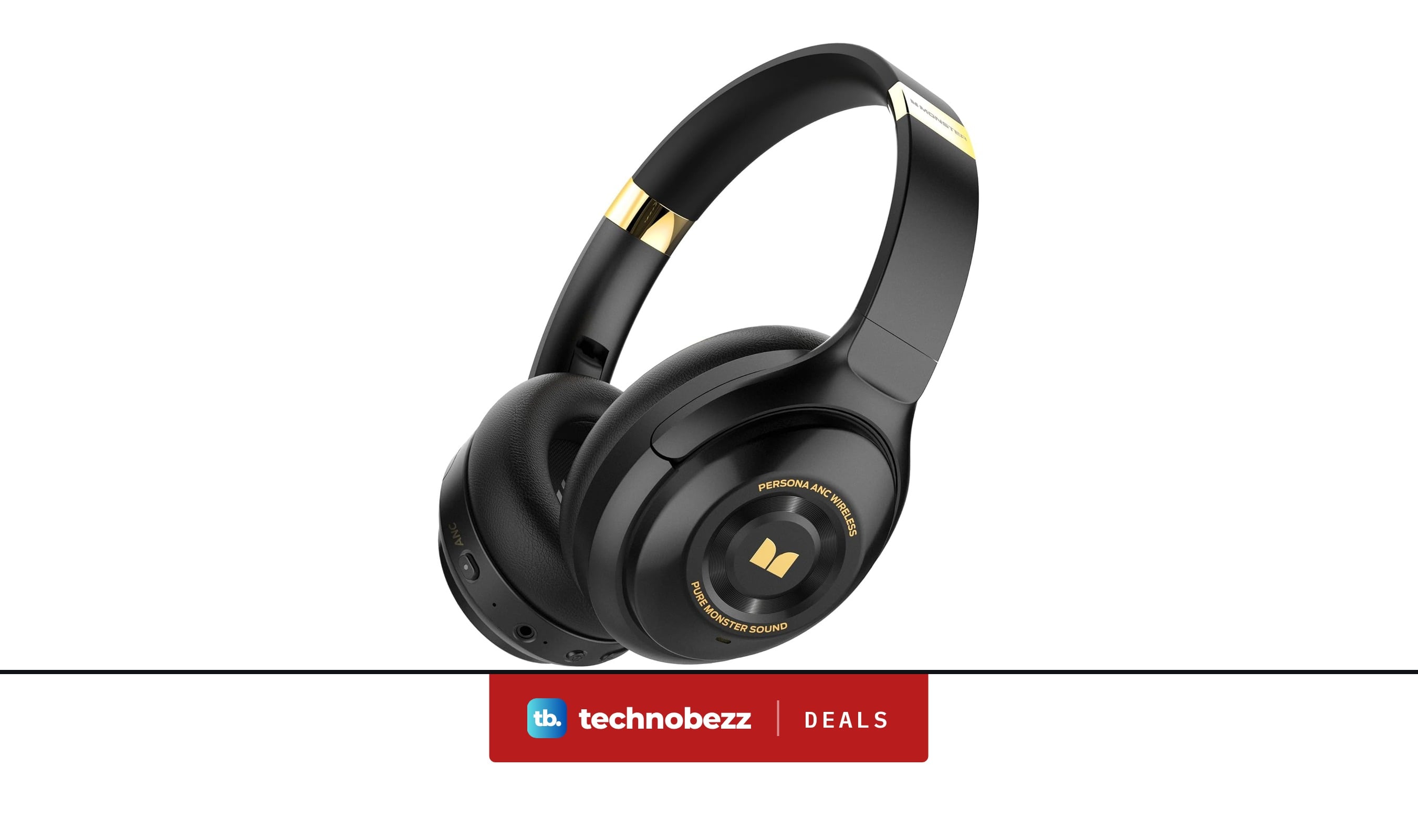
Amazon offers 2 headphone deals today starting at $79.25
Deal
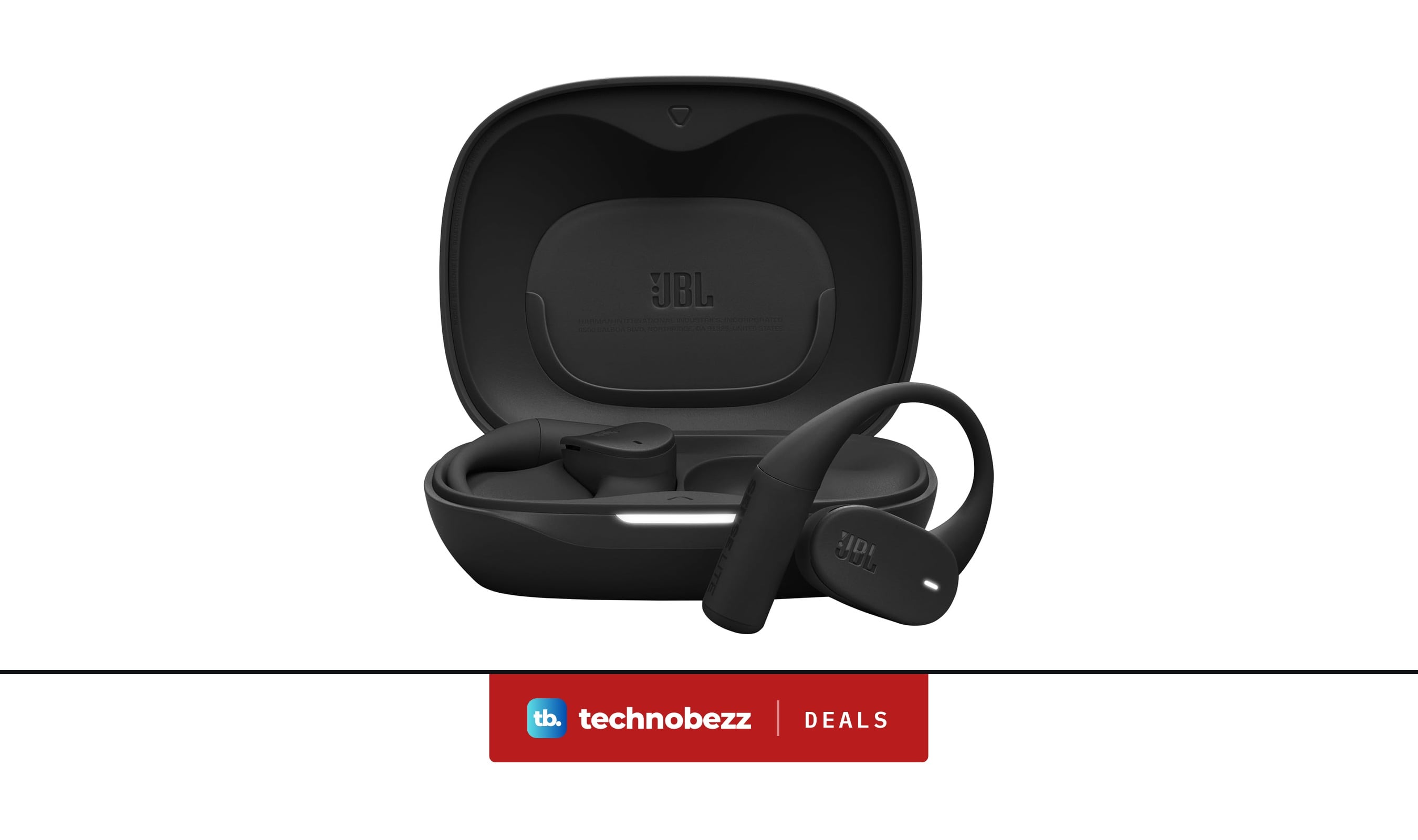
JBL Sense Lite True Wireless Open-ear Headphones sees price cut to $99.95
Deal
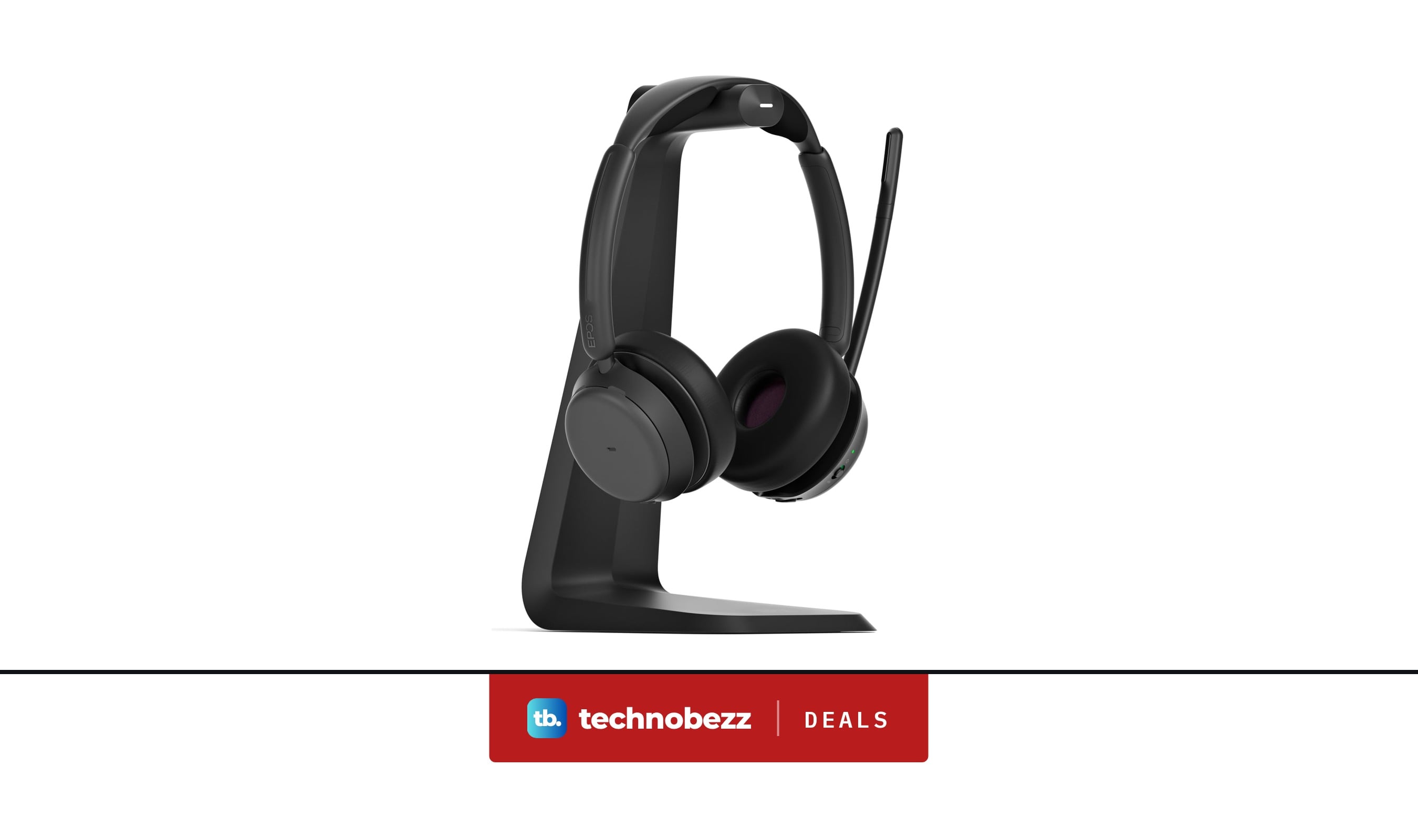
We found 3 headphone deals starting at $49.95 below their recent average prices
Deal
Today's 3 headphone deals start at $49.99 for work and gaming
More buying guides
Buying guide9 Best Keyboards From Top Brands in 2026Buying guide8 Best 60 Percent Keyboards of 2026Buying guideTop 7 Home Theater Systems for 2026Buying guide6 Best Handheld Gaming Consoles for 2026Buying guide5 Spy Cameras for Home and Portable Monitoring (2026)Buying guide6 Best Tablets for Gaming in 2026Buying guide7 Best Laptops for Interior Designers in 2026Buying guide4 Best Budget Laptops Around $300 for 2026