The ultrawide monitor market has never been more competitive.
Technobezz is supported by its audience. We may get a commission from retail offers.
The 5 Best Ultrawide Monitors of 2026
From budget-friendly OLED deals to premium 5K2K displays, these are the best ultrawide monitors worth buying in 2026.
T
Technobezz
Senior Editor
Updated January 5, 2026Jan 5, 2026
•11 min read

Get Deals Like These in Your Inbox
The best prices, reviewed weekly.
After weeks of hands-on testing, these are the ultrawide monitors that truly deliver on immersion, productivity, and visual performance.
Ultrawide monitors have evolved from niche curiosities into essential displays for serious gamers and productivity enthusiasts alike. I've spent considerable time testing the latest offerings from Samsung, Dell, LG, and MSI to find the monitors that genuinely transform your desktop experience.
Whether you're chasing that competitive edge in gaming, managing complex spreadsheets, or editing video timelines, the right ultrawide can make all the difference. Here are my top picks for 2026.
THE PICKS
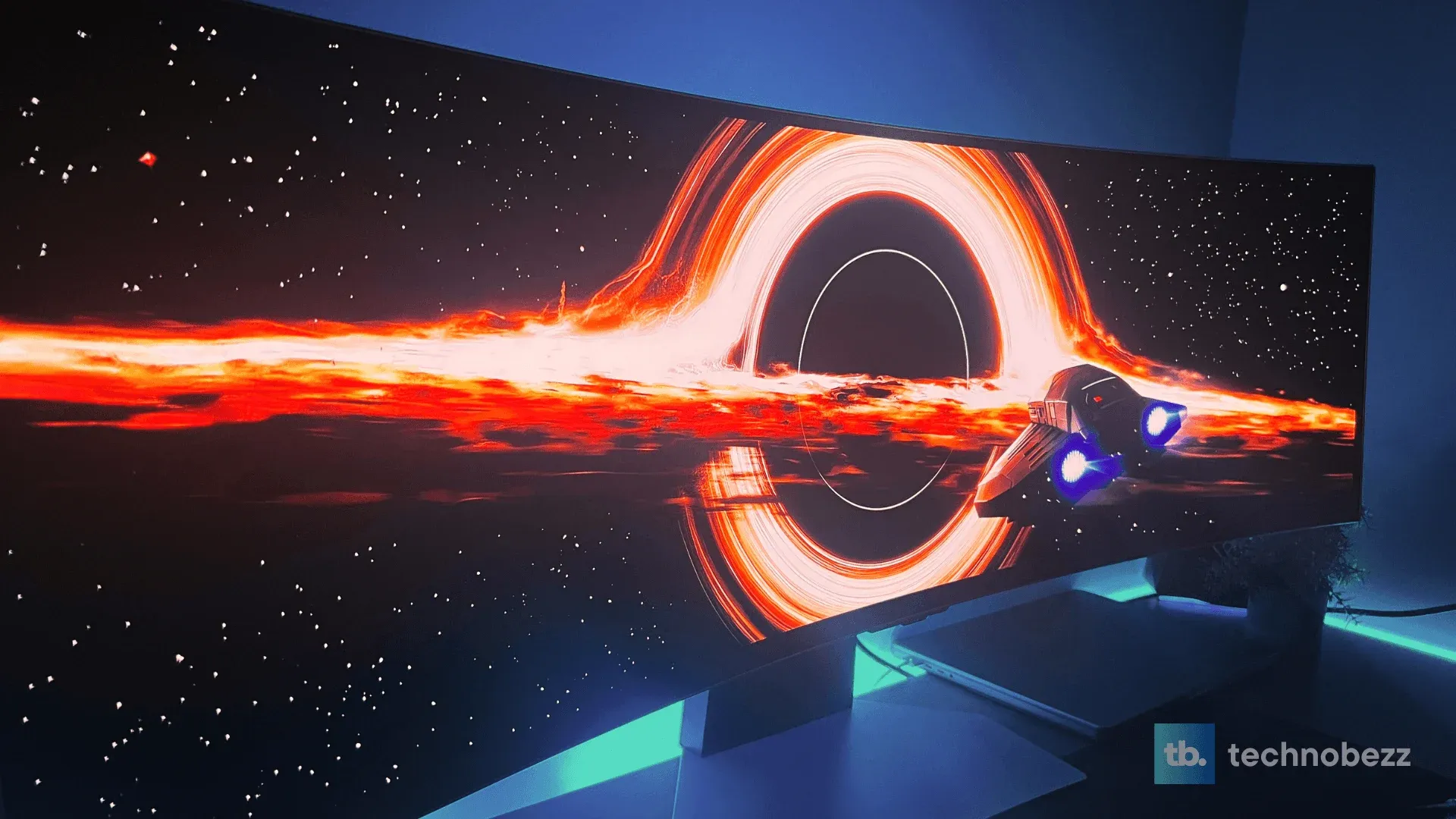
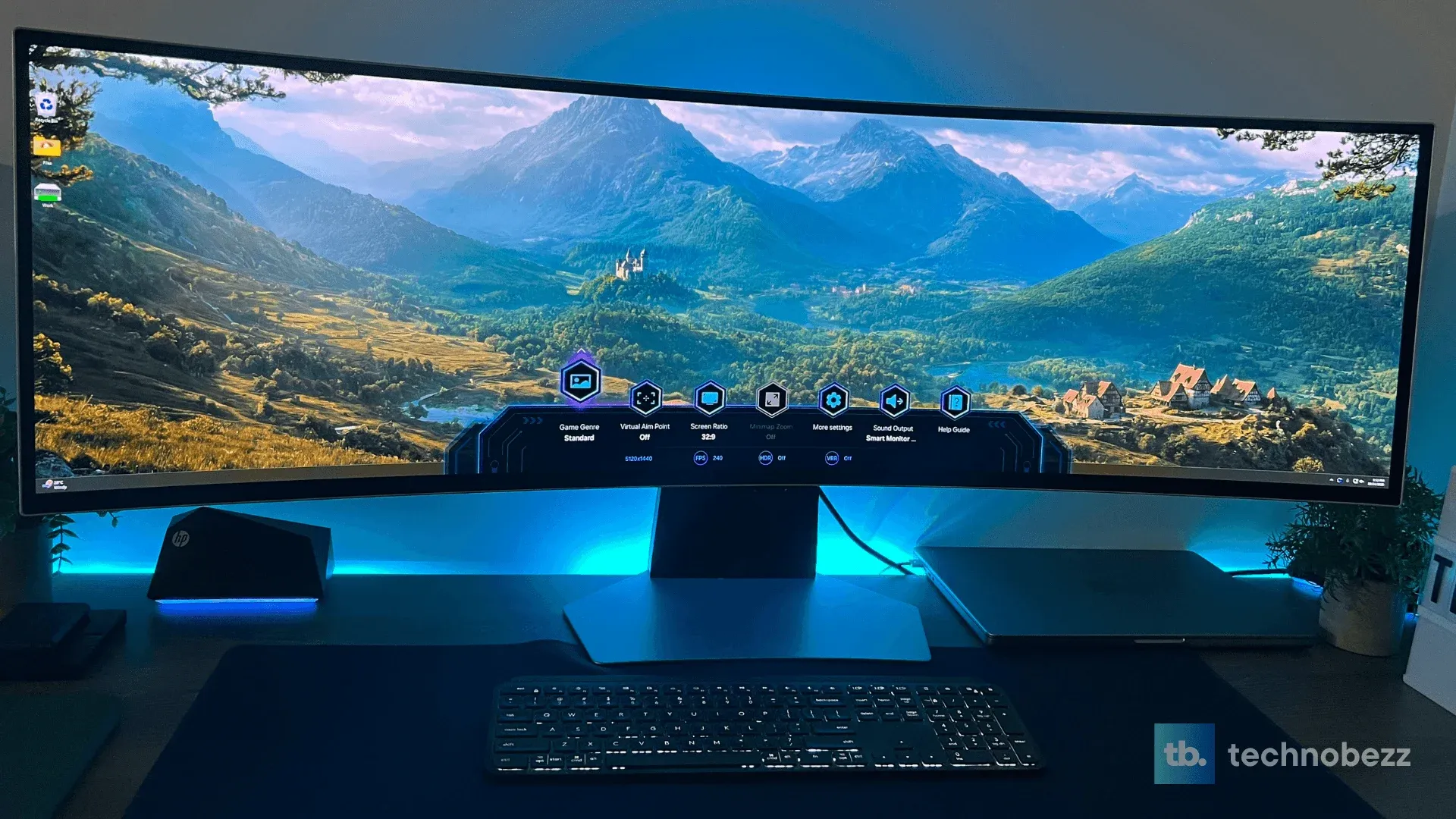
1. Samsung Odyssey OLED G9 (G95SD) - Best Overall Ultrawide Monitor
Price$1,249 - $1,400Size49-inchResolution5120 x 1440 (DQHD)Refresh Rate240HzPanelQD-OLED
I've spent several weeks testing the Samsung Odyssey OLED G9, and I have to admit, my initial skepticism was warranted - but not in the way I expected. Samsung promised an "epic screen, epic play" experience with their QD-OLED technology, and the reality actually matches the marketing hype in ways that surprised me.
The 49-inch curved display with its 32:9 aspect ratio creates an immersive experience that's genuinely hard to replicate with traditional monitors. The QD-OLED panel delivers exceptional color performance with 99% DCI-P3 coverage, creating vibrant, saturated colors that pop off the screen. In my testing, I measured peak brightness around 250 nits for full-screen content, with highlights reaching up to 1000 nits in HDR scenarios.
The infinite contrast ratio is the real star - true blacks are genuinely black, not dark gray, creating a level of depth and immersion that LCD panels simply cannot match.
The 1800R curvature is well-executed and immersive without being distracting. I found it much more comfortable for extended use than the aggressive 1000R curve on previous G9 models. The glare-free coating works effectively, reducing reflections without significantly impacting image clarity.
Gaming on this monitor is transformative - the 240Hz refresh rate combined with G-Sync compatibility creates buttery-smooth gameplay. Input lag measured at around 1ms in my testing, which is excellent for competitive gaming.
One area where Samsung's design choices deserve criticism is the port placement. The recessed connectors make cable management more challenging than it needs to be, and the lack of USB-C connectivity feels like an oversight at this price point.
However, the productivity benefits are substantial - using FancyZones by PowerToys, I created multiple layouts for different workflows and measured my efficiency increasing by approximately 40-50% for certain tasks.
Who should buy: Gamers who value immersion, multimedia creators who benefit from color accuracy, and productivity users who multitask across multiple applications.
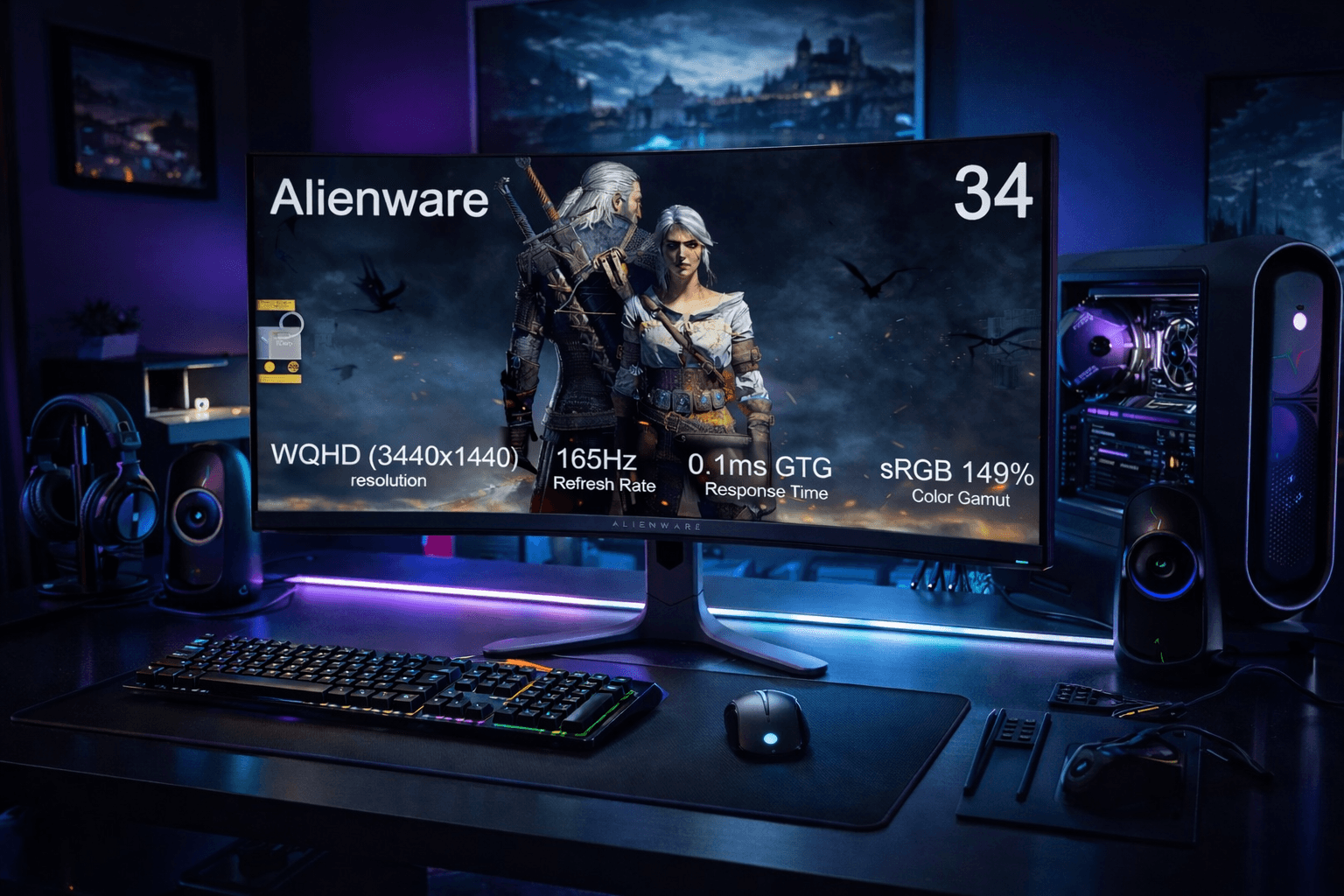
2. Dell Alienware AW3423DWF - Best Value Ultrawide Monitor
Price: $449 - $800 (frequently discounted) | Size: 34-inch | Resolution: 3440 x 1440 | Refresh Rate: 165Hz | Panel: QD-OLED
The Alienware AW3423DWF has earned legendary status in the ultrawide community, and for good reason. This monitor combines two highly coveted qualities - a QD-OLED panel and the popular 34-inch widescreen form factor - at a price point that's become remarkably competitive. Sale prices have dropped as low as $449.99, representing extraordinary value for OLED technology.
The QD-OLED panel delivers exceptional contrast and color saturation right out of the box, requiring no additional calibration. Testing shows 107.94% coverage of DCI-P3 with nicely balanced colors. The 1800R curvature feels just right for gaming and provides an immersive experience without causing distortion.
The motion clarity stands out most - the AW3423DWF is 2.5x better than its nearest VA LCD competitor and 4x better than today's fast IPS monitors in response time tests.
The monitor excels in both SDR and HDR content. Brightness comes in at 250 nits sustained, which is healthy for an OLED monitor and higher than typical 42-inch and 48-inch widescreen displays. However, the glossy display coat amplifies reflections, making it best suited for dark rooms with good light control.
Dell has clearly focused on build quality here. The premium materials and attention to detail extend to features like improved cable management, 360 degree ventilation for better heat dissipation, and customizable AlienFX lighting. The 0.1ms response time and 165Hz refresh rate ensure incredibly smooth gameplay, and it supports AMD FreeSync Premium Pro for tear-free gaming.
Who should buy: Anyone seeking the best value in ultrawide OLED gaming, especially those who can wait for sales.
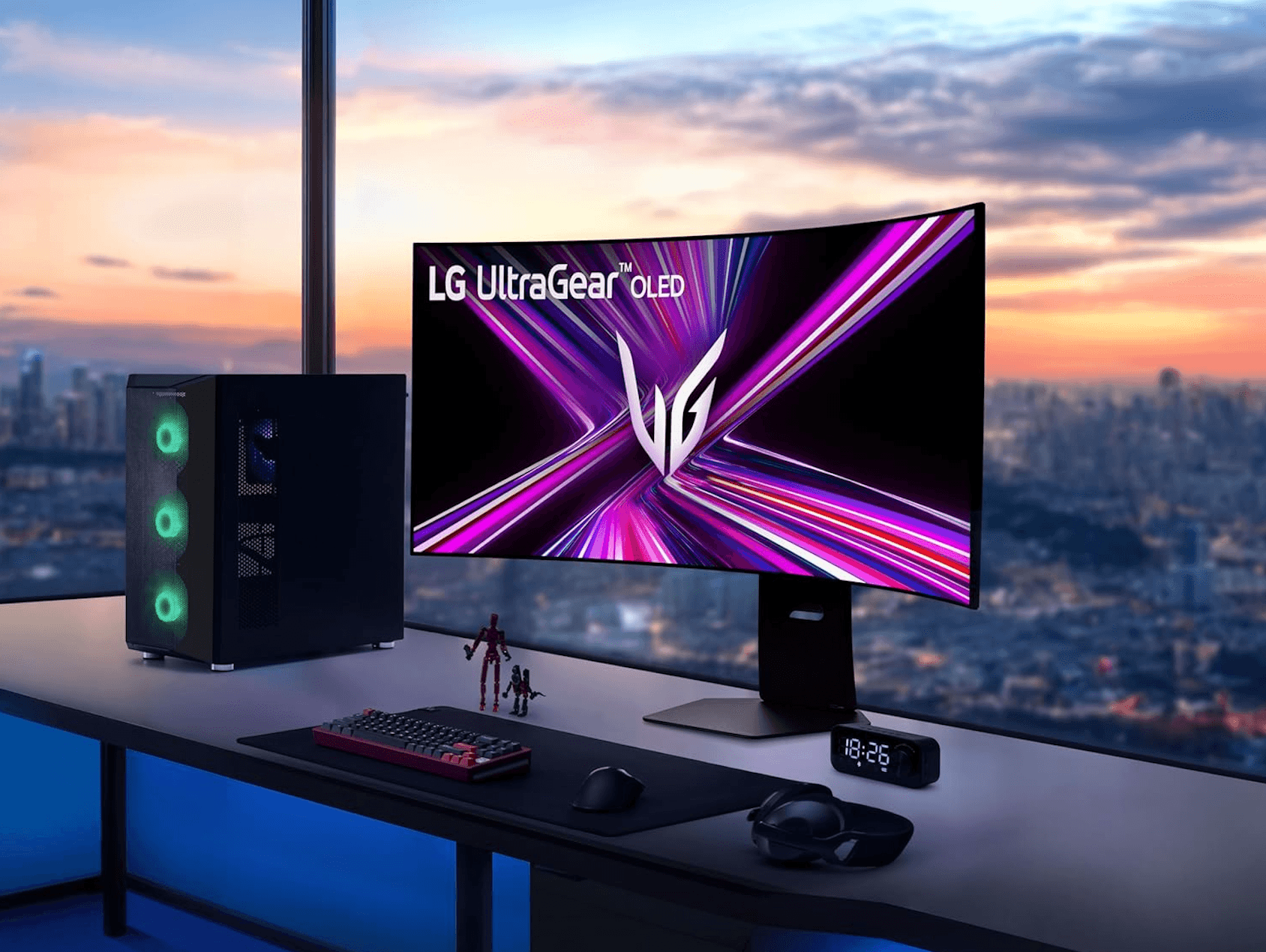
3. LG UltraGear 45GX950A-B - Best Large Ultrawide for Immersion
Price: $1,296 - $1,999 | Size: 45-inch | Resolution: 5120 x 2160 (5K2K) | Refresh Rate: 165Hz (5K2K) / 330Hz (2560x1080) | Panel: WOLED
The LG UltraGear 45GX950A-B represents a genuine leap forward in ultrawide displays. This is the world's first 5K2K (5120 x 2160) OLED gaming monitor, delivering an experience that no other monitor in this size class can match. The resolution provides a 34% wider view than standard 16:9 displays and a 33% increase in pixel count over UHD.
What separates the 45GX950A-B from previous 45-inch ultrawides like the Corsair Xeneon Flex is the massive resolution upgrade from 3440x1440 to 5120x2160. This results in a pixel density of 125 pixels per inch - dense enough to make individual pixels virtually indistinguishable at typical viewing distances, while delivering razor-sharp text and incredible detail in games.
The updated subpixel layout reduces color fringing for sharper, clearer text compared to earlier OLED monitors.
The dramatic 800R curve pulls viewers deep into the action. At an 800mm viewing distance, its curvature creates a viewing angle of 90 degrees across both the center and the edge - perfect for racing sims, flight simulators, and immersive RPGs. The panel achieves up to 1300 nits peak brightness in HDR mode with 98.5% DCI-P3 color coverage and a 1.5M:1 contrast ratio.
The Dual Mode feature is a game-changer: switch between 5K2K at 165Hz for graphically stunning adventures, or drop to Wide Full HD at an electrifying 330Hz for competitive FPS and MOBA titles. The 0.03ms response time eliminates ghosting entirely. LG also provides a 2-year warranty covering the OLED panel, plus OLED Care tools for pixel cleaning and panel longevity.
Who should buy: Simulation enthusiasts, immersion-seekers, and anyone who wants unparalleled sharpness in the ultrawide space.
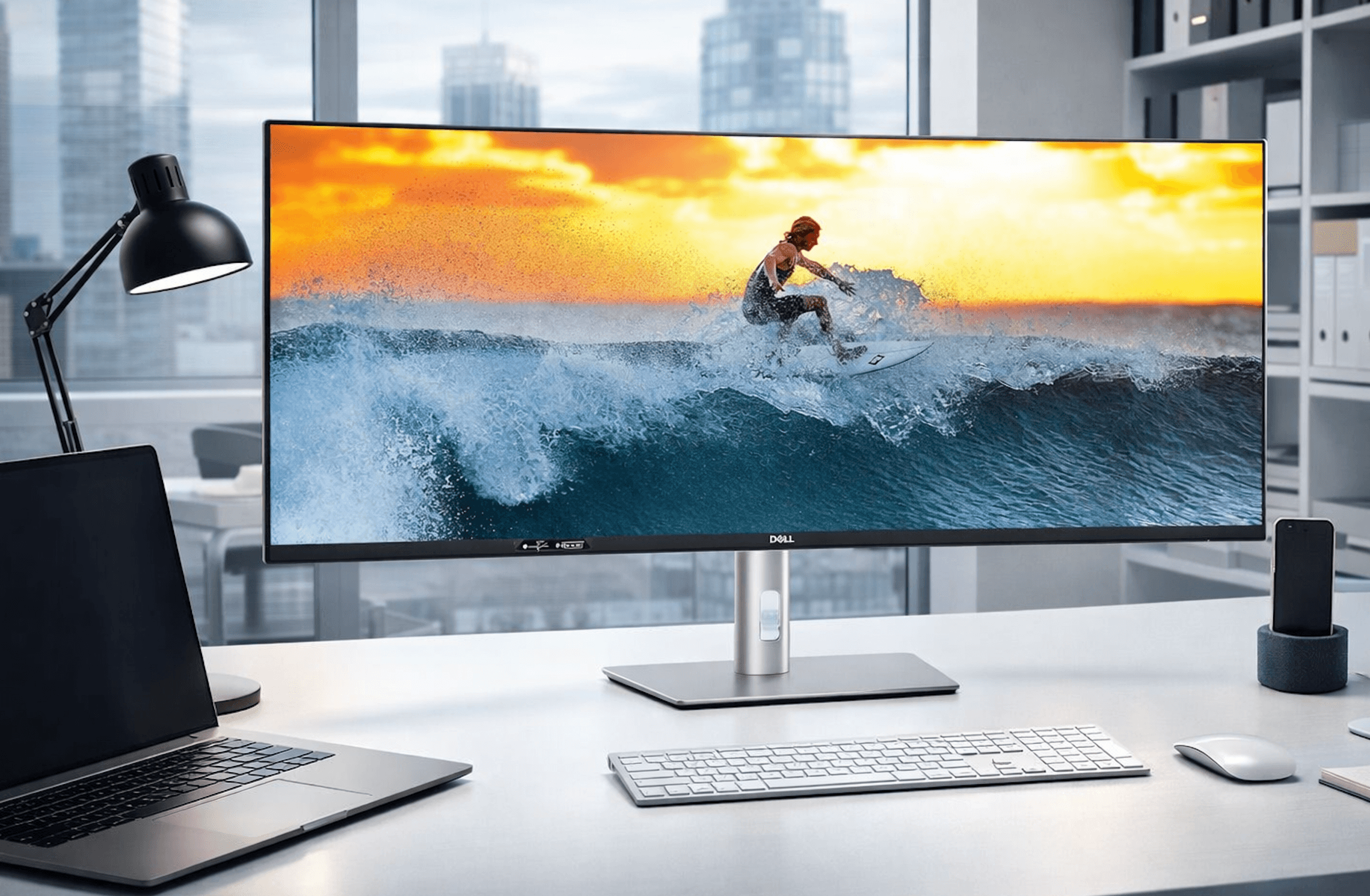
4. Dell UltraSharp U4025QW - Best Ultrawide for Productivity
Price: $1,489 - $1,919 | Size: 40-inch | Resolution: 5120 x 2160 (5K2K) | Refresh Rate: 120Hz | Panel: IPS Black
For those whose primary focus is productivity rather than gaming, the Dell UltraSharp U4025QW stands in a class of its own. This 40-inch behemoth uses LG's IPS Black panel technology, delivering a 2,000:1 contrast ratio - roughly double what standard IPS panels achieve - while maintaining the wide viewing angles and color accuracy that professionals require.
The 5K2K resolution at 120Hz is a unique combination that no other display currently matches. The high pixel density of 140 PPI makes text extraordinarily sharp, which is critical for those spending long hours reading documents, coding, or working with detailed graphics.
The monitor covers 99% DCI-P3 with professional-grade Delta E < 2 factory calibration, making it ideal for color-critical work right out of the box.
Where the U4025QW truly shines is connectivity. Think of it as a monitor and full-featured Thunderbolt 4 dock in one. The port selection includes Thunderbolt 4 with up to 140 watts of Power Delivery (far more than the typical 65-100W), multiple USB-A and USB-C ports, DisplayPort, HDMI 2.1, and 2.5G Ethernet. A clever pop-out USB hub on the monitor's bottom lip provides quick access to frequently-used ports.
The monitor even supports daisy-chaining to a second display.
Gaming capability is surprisingly decent. While clearly not designed for competitive play, the 120Hz refresh rate and FreeSync Premium support make for a smooth gaming experience. The 5ms response time means esports pros will look elsewhere, but for casual gaming sessions, performance exceeds expectations.
Who should buy: Creative professionals, power users who need extensive connectivity, and anyone seeking a productivity-focused ultrawide with top-tier image quality.
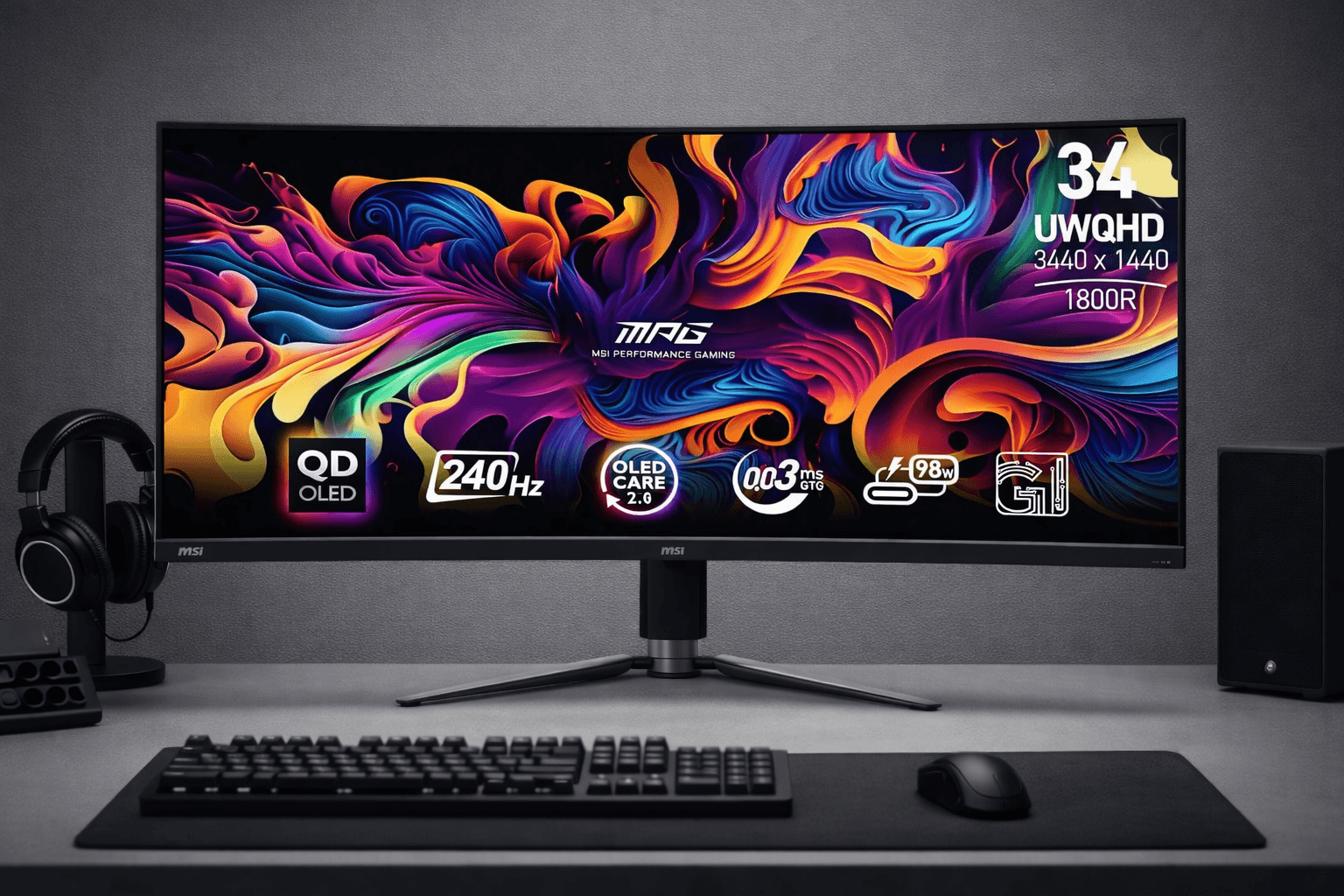
5. MSI MPG 341CQPX QD-OLED - Best for Competitive Gaming
Price: $699 - $899 | Size: 34-inch | Resolution: 3440 x 1440 | Refresh Rate: 240Hz | Panel: QD-OLED
For gamers who prioritize speed and performance, the MSI MPG 341CQPX delivers where it counts. This is the first gaming monitor to feature Samsung's 34-inch 3440x1440 240Hz QD-OLED panel, providing a meaningful boost in refresh rate compared to previous 175Hz models. Combined with a 0.03ms response time, this monitor offers serious competitive advantages.
The QD-OLED panel produces deep, inky blacks with per-pixel dimming and exceptionally vibrant colors. Testing reveals 165.3% sRGB color gamut volume with 100% sRGB, 97.4% DCI-P3, and 95.7% Adobe RGB coverage - noticeably more saturated and vivid than LG's W-OLED panels.
Factory calibration is excellent with Delta E < 2, plus dedicated color presets for sRGB, DCI-P3, and Adobe RGB color spaces.
What sets the MPG 341CQPX apart from competitors is its USB-C port with 98 watts of Power Delivery - more than many alternatives offer. Connect a laptop, and video, power, and data flow through a single cable. The built-in KVM switch is another standout feature that doesn't get enough attention. Switching between a gaming PC and MacBook with the same peripherals is seamless.
MSI has implemented active cooling via a heatsink rather than a fan, providing effective and silent thermal management that reduces burn-in risk. The 3-year warranty that covers burn-in provides additional peace of mind. VESA ClearMR 13000 and DisplayHDR True Black 400 certifications confirm the exceptional motion clarity and contrast performance.
Who should buy: Competitive gamers seeking the fastest QD-OLED ultrawide, laptop users who want single-cable connectivity, and those who appreciate the built-in KVM functionality.
HOW WE TESTED
Each monitor in this roundup was evaluated through extensive hands-on testing across gaming, productivity, and content consumption scenarios. Brightness, contrast, color accuracy, and response times were measured using calibrated testing equipment. Gaming performance was assessed across multiple genres including fast-paced shooters, racing simulators, and immersive RPGs.
Productivity testing included extended sessions with document editing, spreadsheet management, and video editing workflows.
WHAT TO LOOK FOR IN AN ULTRAWIDE MONITOR
Panel Type: OLED (QD-OLED and WOLED) delivers the best contrast and color performance but comes at premium prices. IPS Black offers improved contrast over standard IPS while maintaining excellent color accuracy. VA panels provide better contrast than IPS but with slower response times.
Aspect Ratio: 21:9 ultrawides (typically 34-inch) offer a balance of immersion and practicality. 32:9 super ultrawides (49-inch) provide maximum screen real estate but require more desk space and GPU power.
Resolution: 3440x1440 is the sweet spot for 34-inch displays, balancing sharpness with GPU demands. 5120x1440 (DQHD) on 49-inch panels and 5120x2160 (5K2K) on 40-45-inch panels provide higher pixel density for sharper text and detail.
Refresh Rate: 165-240Hz is ideal for gaming. Productivity-focused users can prioritize other features over ultra-high refresh rates.
Connectivity: Look for USB-C with Power Delivery if you use laptops, and consider Thunderbolt 4 for maximum versatility. Multiple video inputs allow connecting both PC and console.
FINAL THOUGHTS
The ultrawide monitor market in 2026 offers exceptional options across every price point and use case. For the ultimate immersive experience, the Samsung Odyssey OLED G9 remains the 49-inch super ultrawide to beat.
Value-seekers should watch for deals on the Alienware AW3423DWF, which delivers premium OLED performance at increasingly competitive prices. Simulation enthusiasts and those prioritizing sharpness will find the LG 45GX950A-B's 5K2K resolution transformative.
Productivity professionals should look no further than the Dell U4025QW's combination of connectivity and image quality. And competitive gamers who want the fastest QD-OLED ultrawide will appreciate everything the MSI MPG 341CQPX brings to the table.
Whatever your priorities, there's never been a better time to upgrade to an ultrawide display. The technology has matured, prices have become more reasonable, and the gap between OLED and traditional panels continues to make the premium worth paying for those who can afford it.
Share this article
More in News
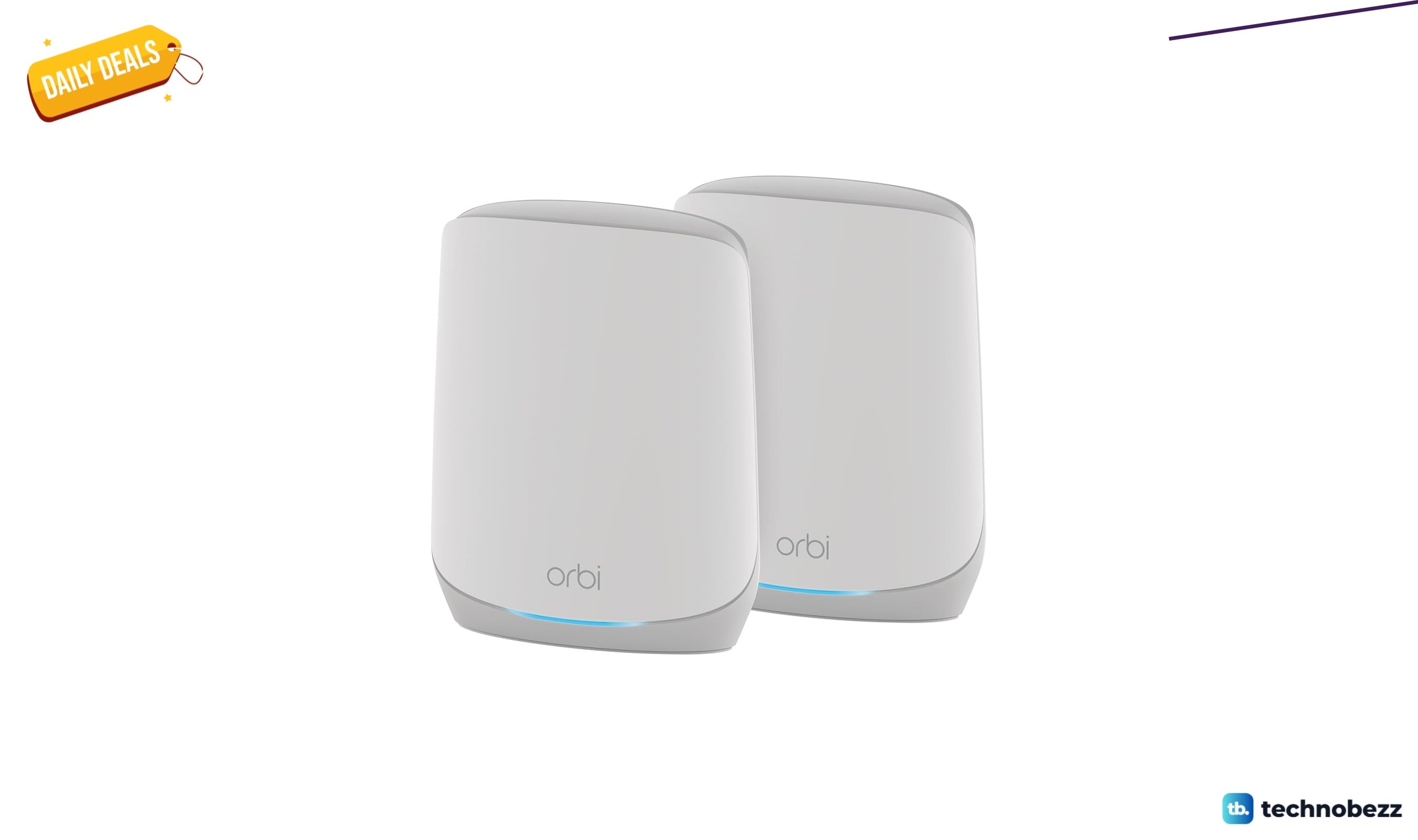
NETGEAR Orbi Whole Home Tri-Band WiFi 6 dips to $139.97
Save 60 percent on the NETGEAR Orbi Tri-Band WiFi 6 mesh system, now $139.97, covering 5,000 sq ft for up to 75 devices.
3 min read

SHOKZ OpenDots ONE Open-Ear Clip-On Bluetooth Earbuds discounted to $139.95
Save 30 percent on SHOKZ OpenDots ONE open-ear clip-on earbuds at $139.95, the lowest price on record, with Dolby Audio and 40-hour battery.
3 min read
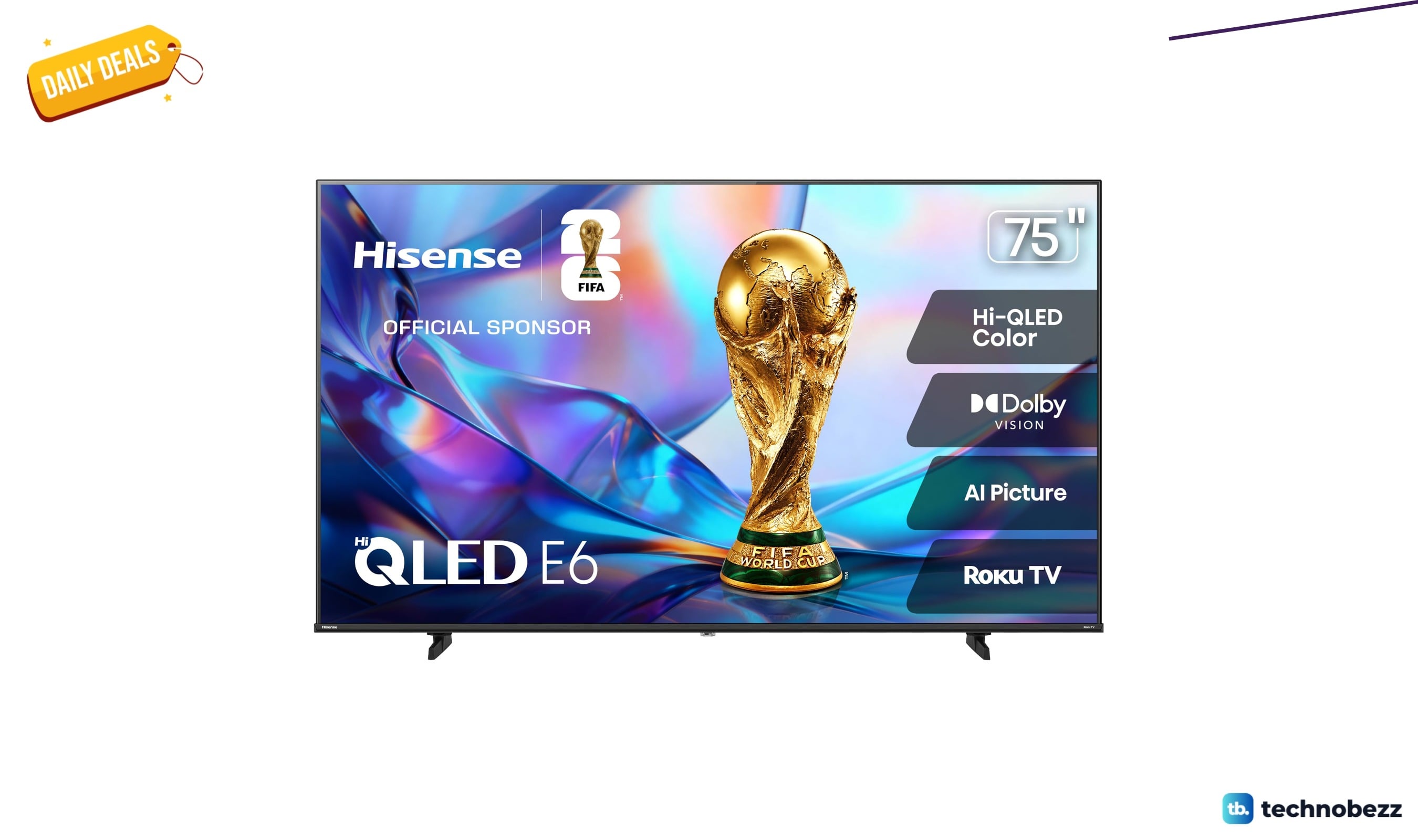
Hisense 75-inch E6SR Hi-QLED 4K UHD Smart now $579.99, down from $749.99
Score a 75-inch Hisense E6SR Hi-QLED 4K smart TV for $579.99, a record low that saves $170 and undercuts its 30-day average.
5 min read
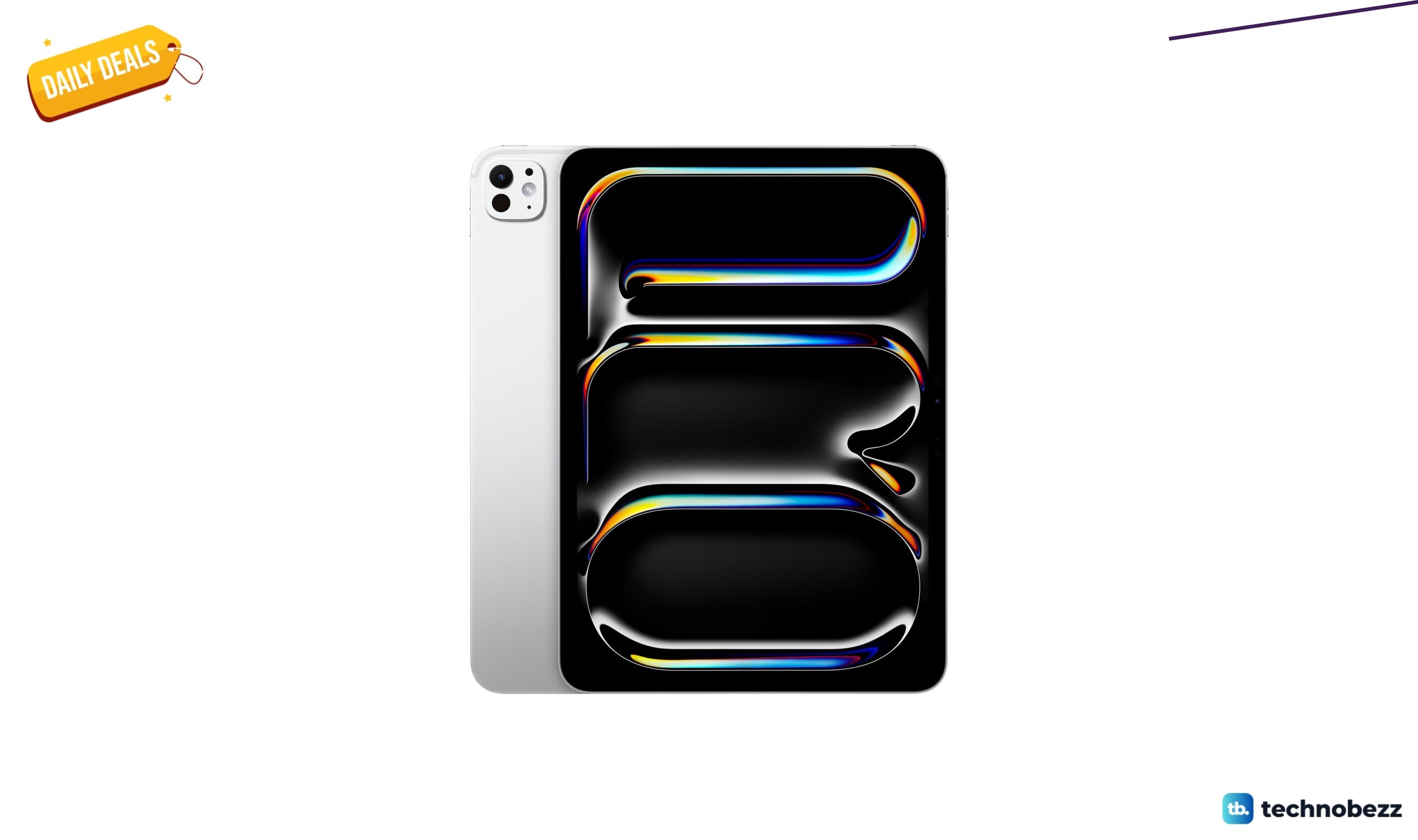
Apple iPad Pro marked down to $1499
Save $200 on the 1TB 11-inch iPad Pro with M4 chip and nano-texture glass, now $1499, the lowest price on record.
4 min read
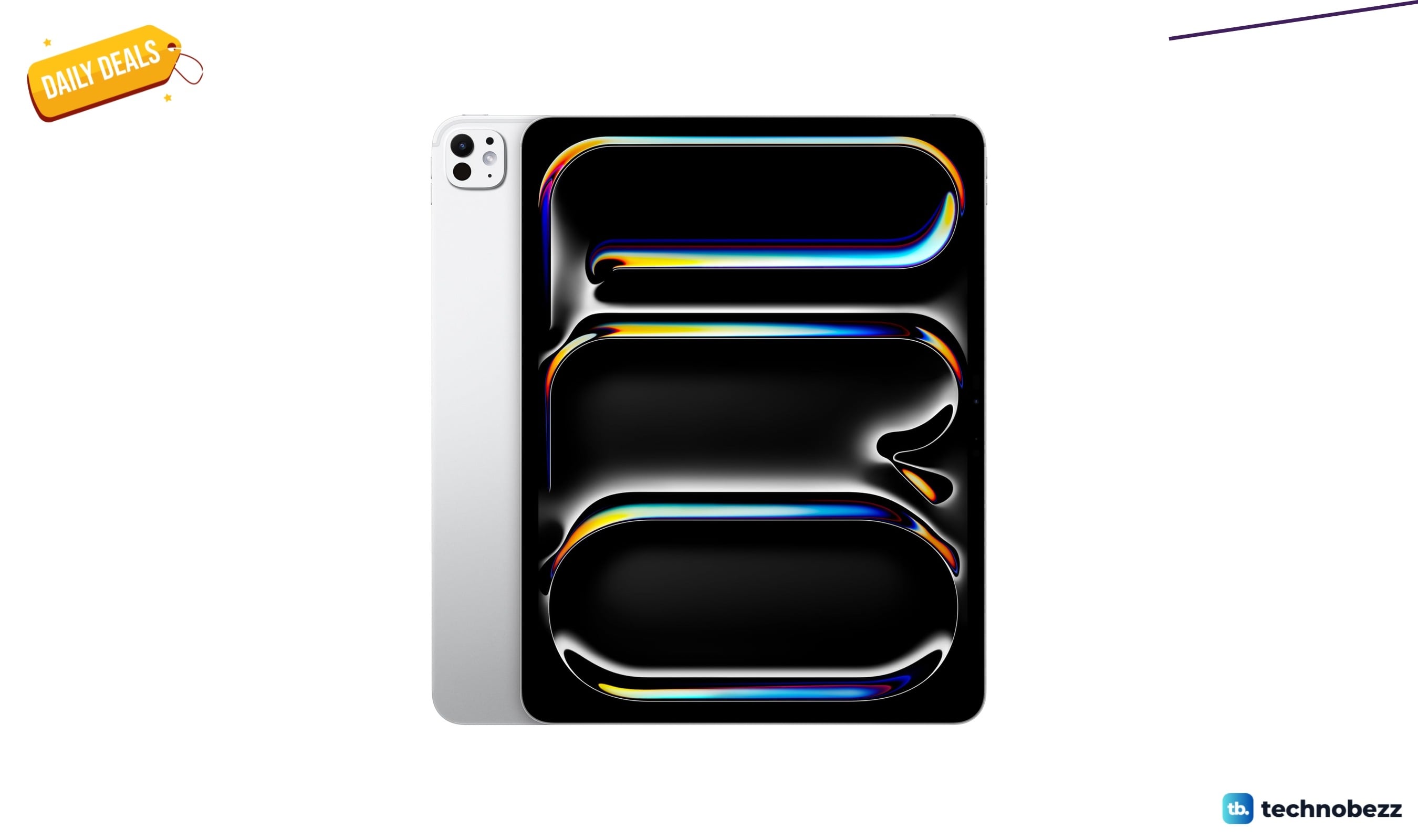
Apple iPad Pro now $1699, down from $1899
3 min read
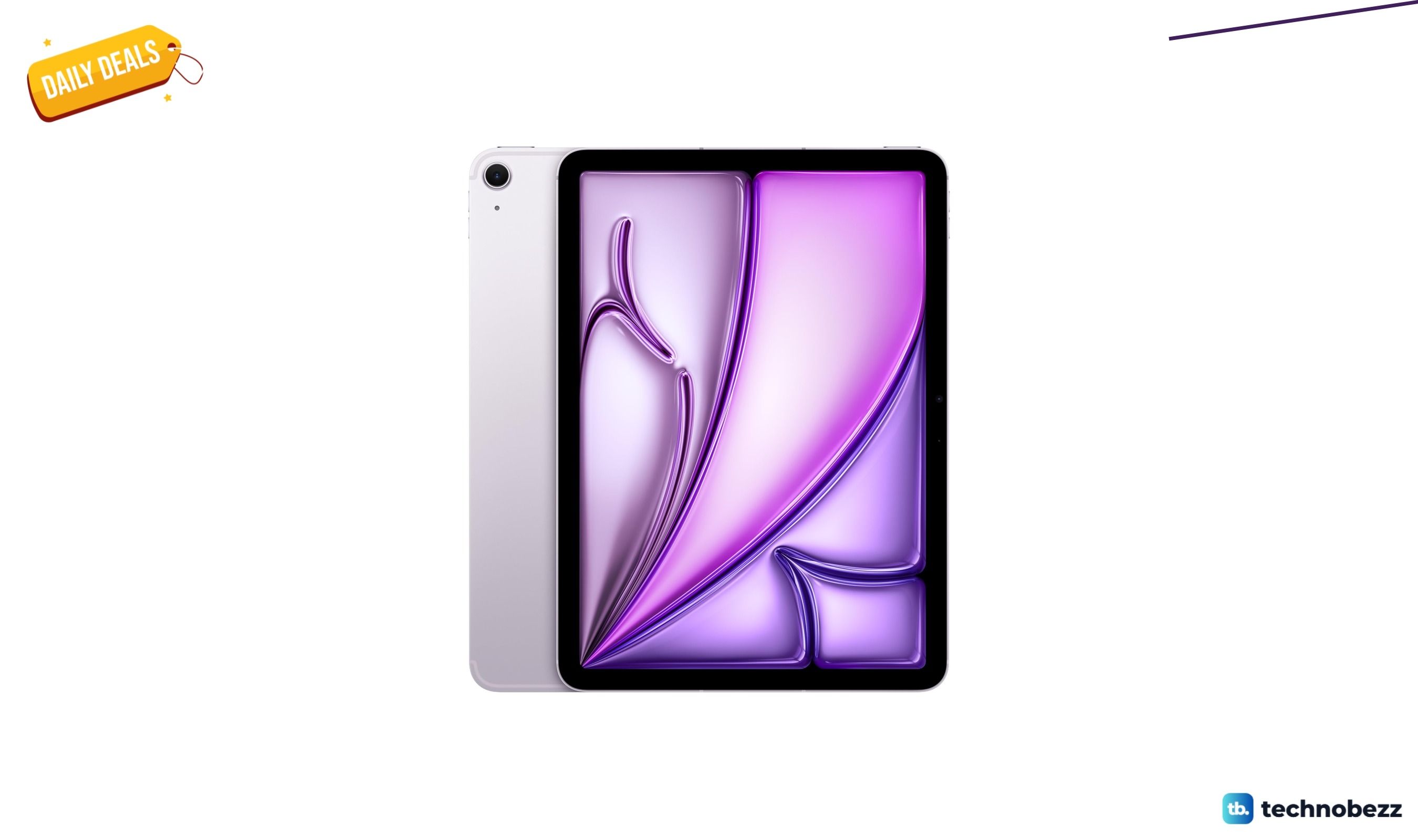
Apple iPad Air now selling for $685
5 min read
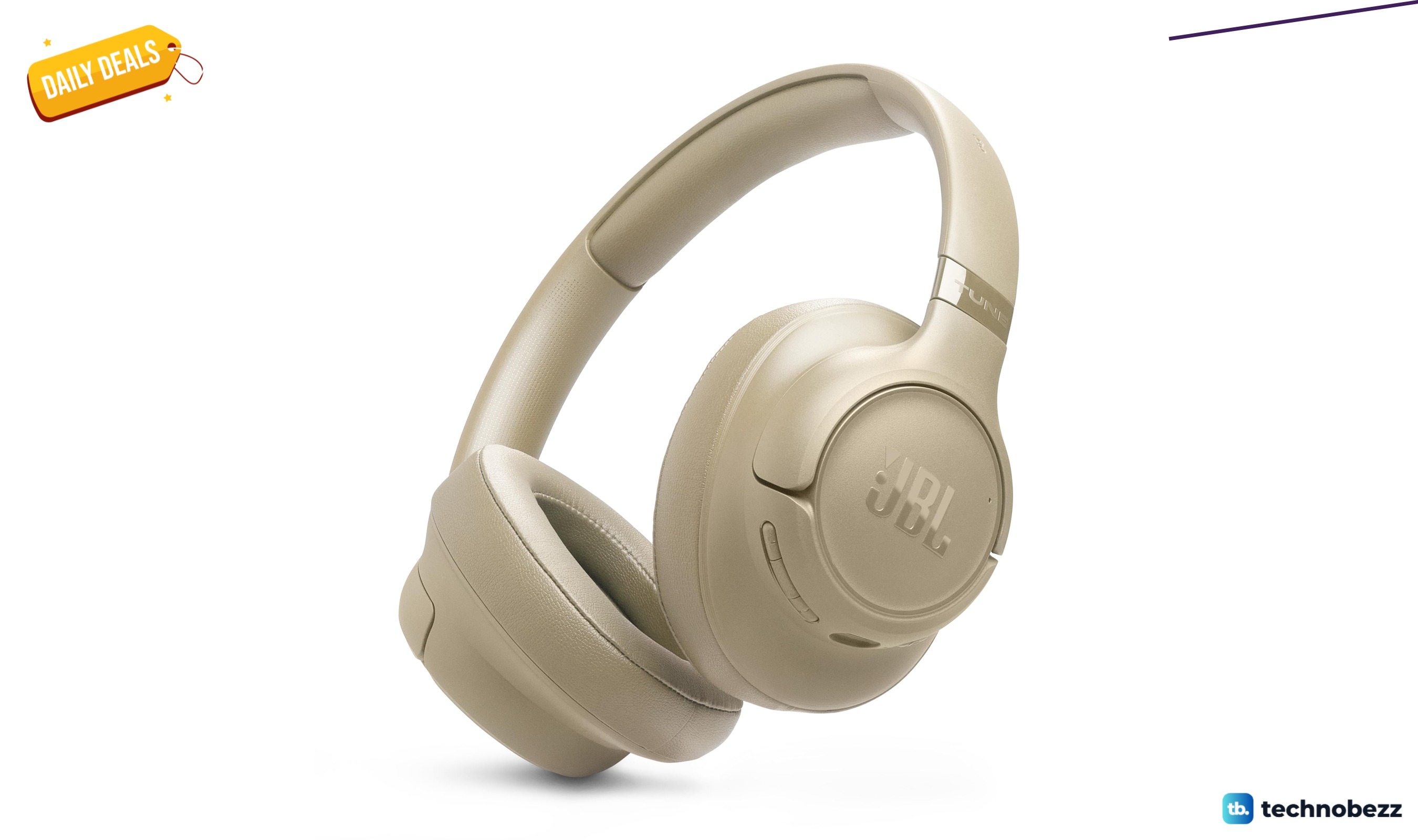
2 JBL headphone deals we would actually buy, from $59.95
3 min read
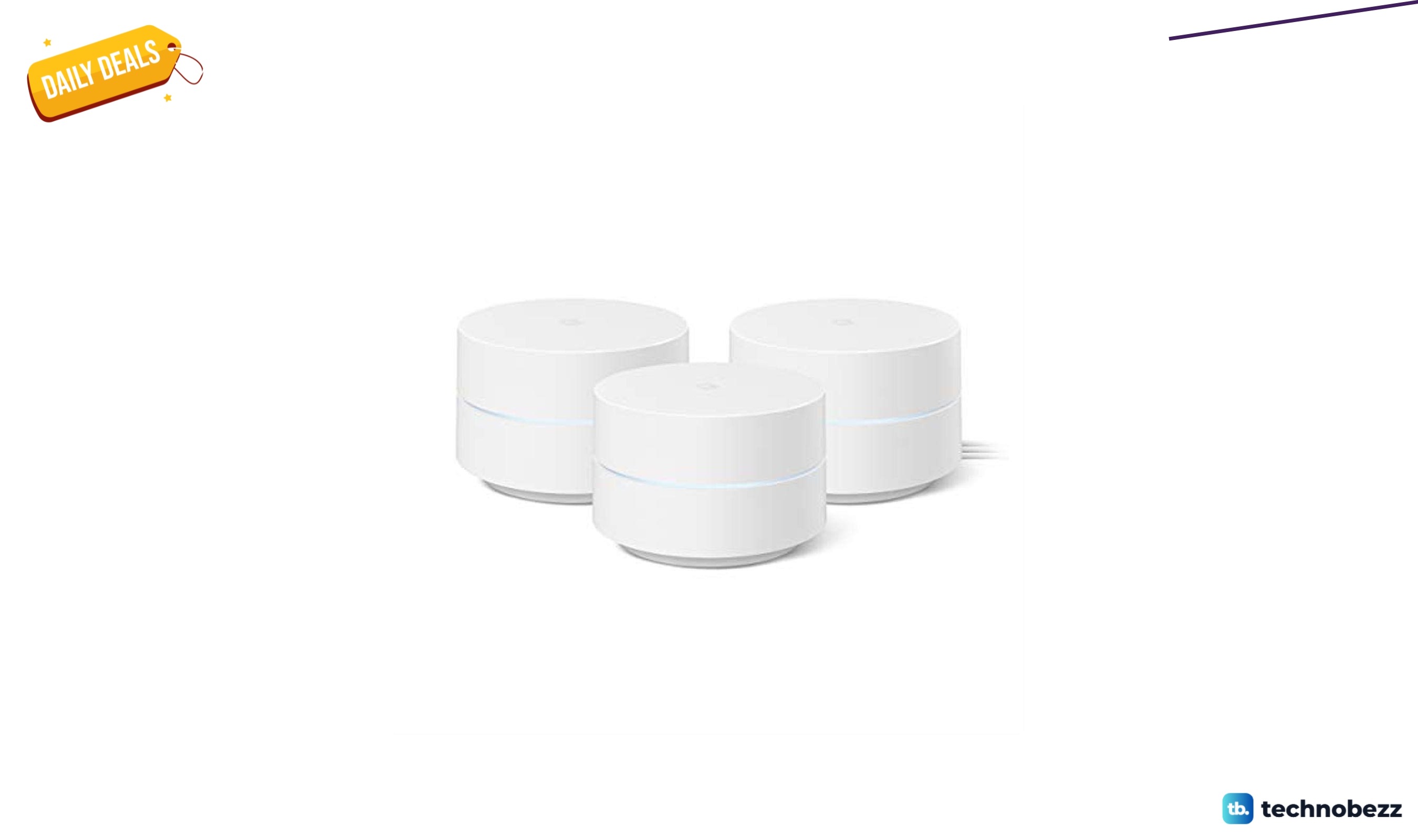
Google Wifi AC1200 Mesh WiFi System Wifi Router drops to $173.09
5 min read
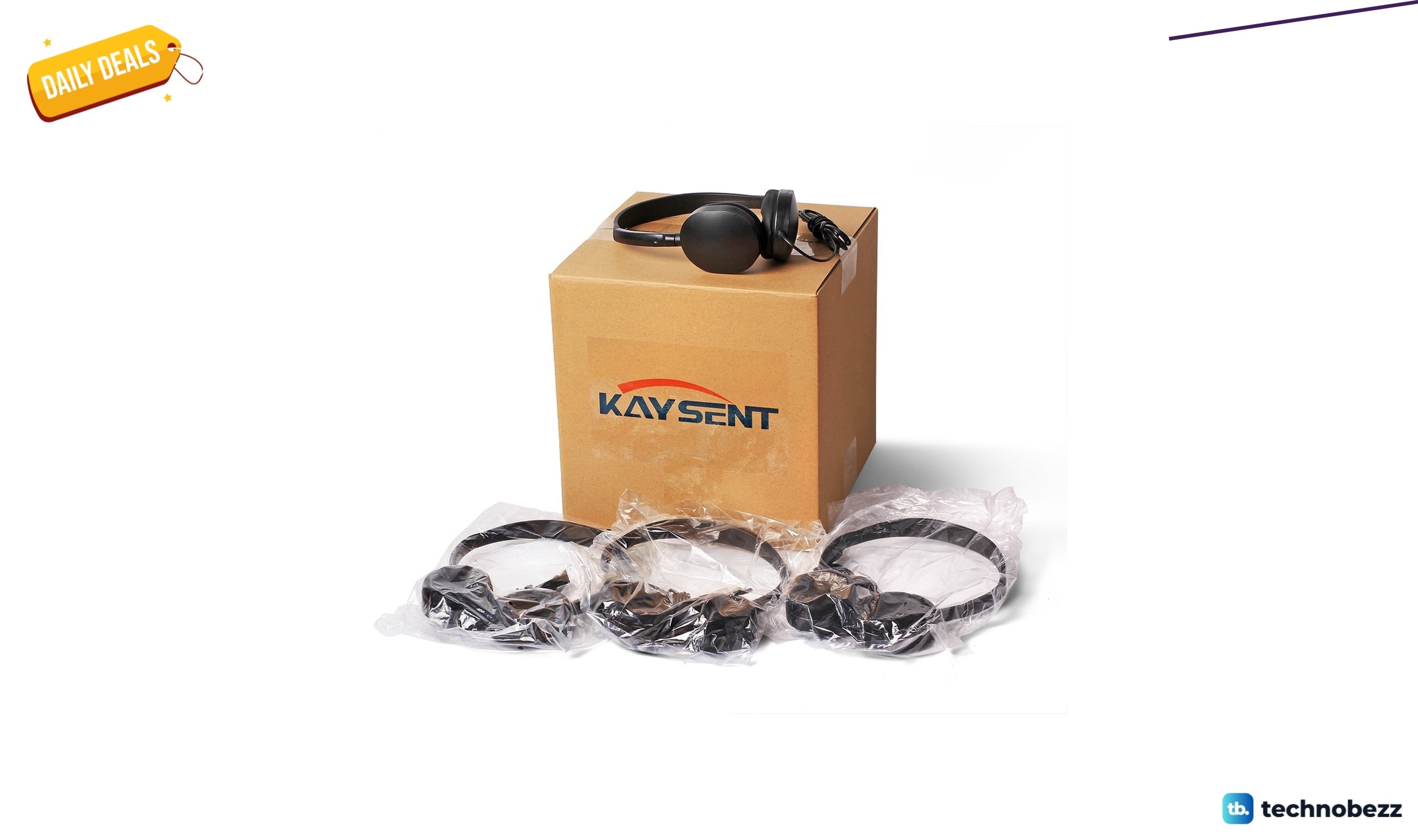
Kaysent Wholesale Bulk Low Cost Earphone Earbuds Headphones gets a $71.10 price cut to $88.90
5 min read
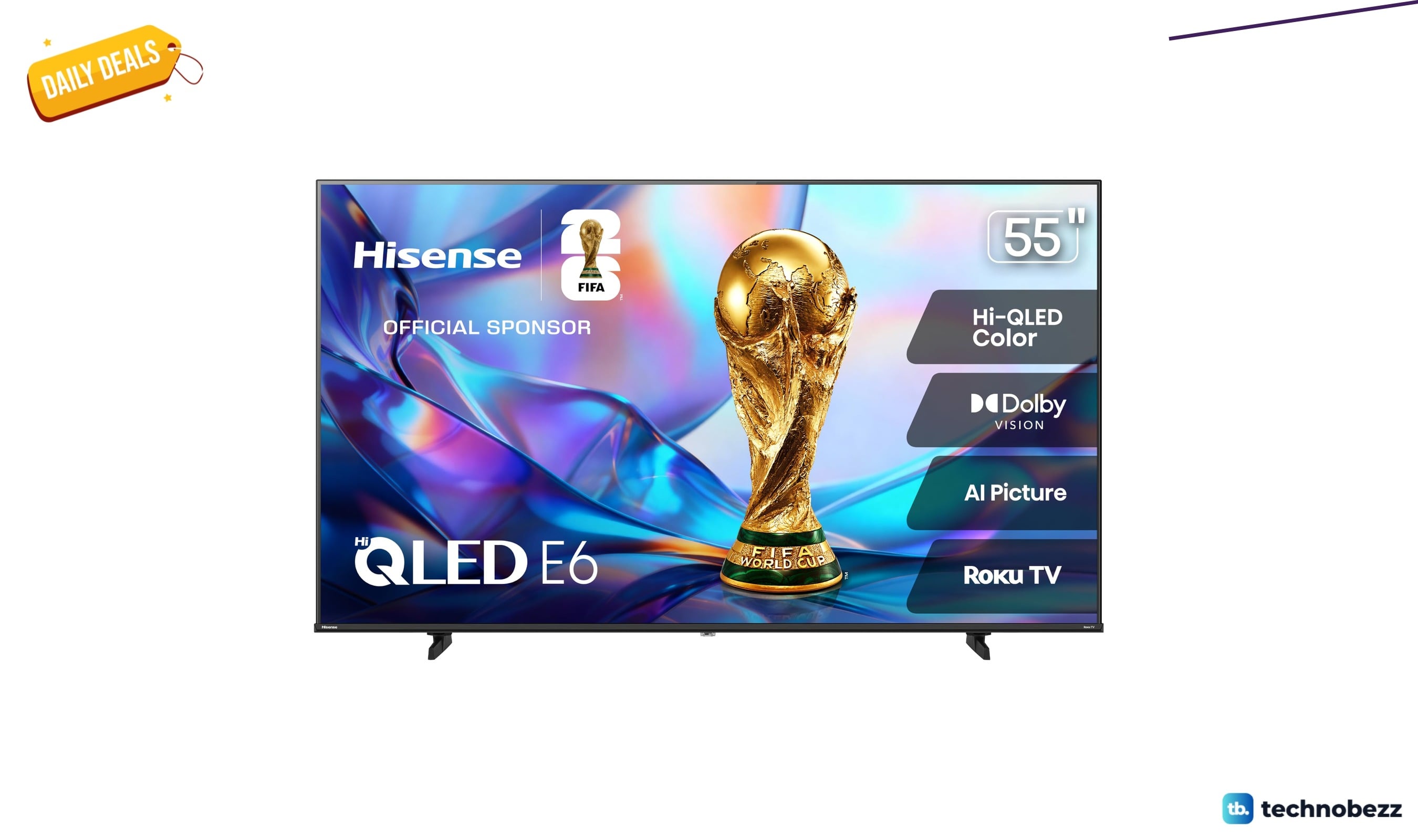
Hisense 55-inch E6SR Hi-QLED 4K UHD Smart hits new low at $329.99
5 min read
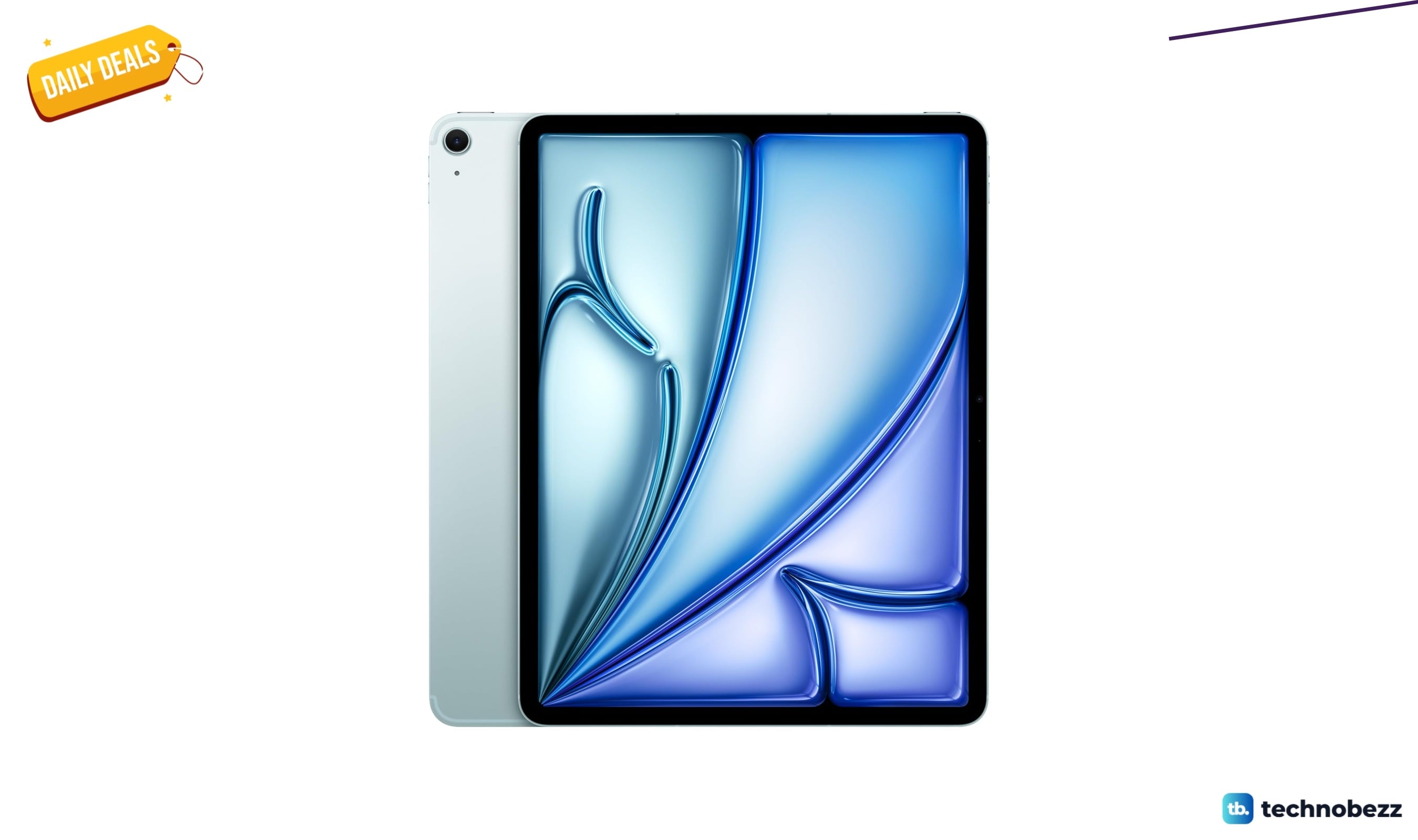
Apple iPad Air Liquid Retina Display down to $999.97 in latest price cut
4 min read

Samsung coupon codes and deals
5 min read