Choosing a Sony lens starts with sensor format, subject, available light, stabilization, and carrying weight. Standard zooms cover broad needs, while fast primes, macro lenses, and long telephotos serve focused roles.
Technobezz is supported by its audience. We may get a commission from retail offers.
Best Sony Lenses in 2026
The Sony FE 24-70mm F2.8 GM II is our top pick, with focused choices for travel, portraits, low light, macro, and wildlife.
T
Technobezz
Editorial Team
Updated September 27, 2026Sep 27, 2026
•9 min read

Get Deals Like These in Your Inbox
The best prices, reviewed weekly.
The Sony FE 24-70mm F2.8 GM II is our top pick. Its versatile range, constant F2.8 aperture, fast autofocus, and 695g weight suit events, portraits, travel, and everyday work.
At a Glance
| Category | Product | Why We Picked It |
|---|---|---|
| Best overall | Sony FE 24-70mm F2.8 GM II | Versatile 24-70mm coverage with a constant F2.8 aperture |
| Best value | Sony FE 20-70mm F4 G | Unusually wide 20mm coverage in a compact 488g zoom |
| Best for portraits | Sony FE 85mm F1.4 GM II | F1.4 subject separation, smooth bokeh, and fast autofocus |
| Best for low light | Sony FE 50mm F1.4 GM | Bright F1.4 performance with a natural-looking focal length |
| Best for macro | Sony FE 100mm F2.8 Macro GM OSS | Native 1.4x magnification with macro-tuned optical stabilization |
| Best for birds and wildlife | Sony FE 400-800mm F6.3-8 G OSS | Exceptional 800mm reach with internal zoom and stabilization |
How we chose
Our selection prioritizes focal-length utility, aperture, autofocus, stabilization, close-focus ability, magnification, weight, and handling. Each lens must deliver a clear advantage for its assigned shooting role.
The best Sony lenses right now
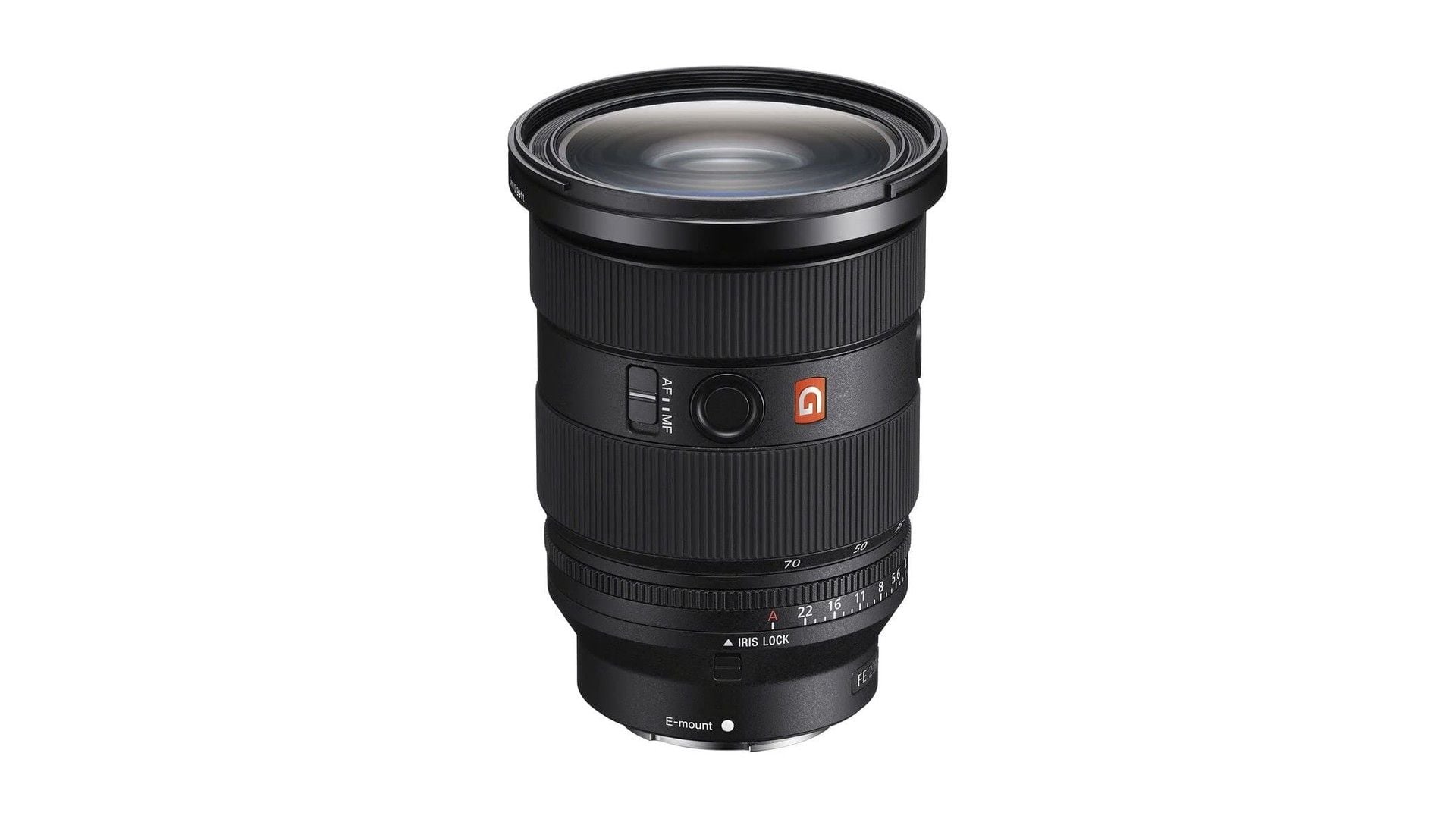
Sony FE 24-70mm F2.8 GM II - Best overall
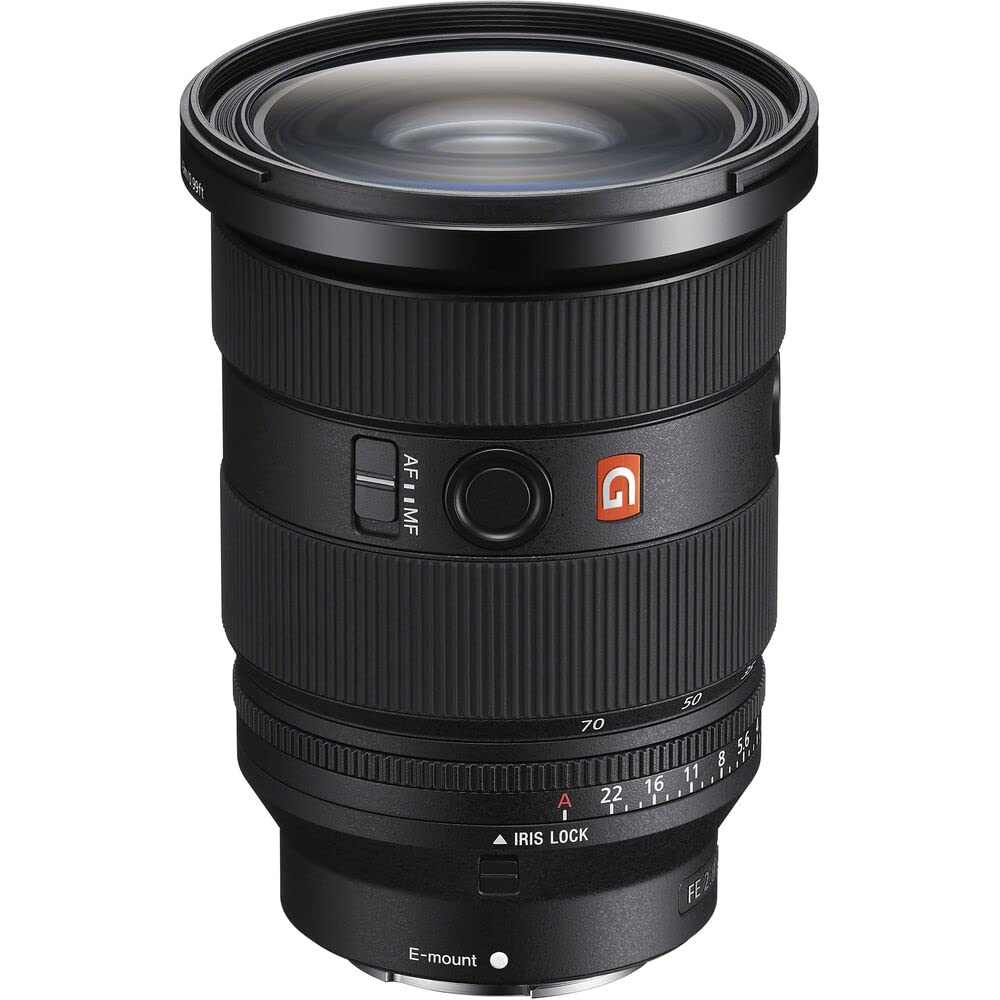
The 24-70mm range gives this full-frame standard zoom the flexibility to handle weddings, events, portraits, travel, and everyday work. Its constant F2.8 aperture suits low light, while fast autofocus and strong edge-to-edge performance support demanding photography.
At 695g, the lens is much lighter than the original GM version. It focuses from 0.21m at the wide end and 0.30m at the telephoto end, but it has no optical stabilization and carries a high cost.
Key highlights
- Sony E-mount for 35mm full frame
- 24-70mm focal range
- Constant F2.8 maximum aperture
- 0.21m wide to 0.30m telephoto minimum focus distance
- 695g weight
Pros
- Excellent general-purpose 24-70mm range
- Constant F2.8 aperture suits events and low light
- Strong edge-to-edge performance and fast autofocus
- Much lighter than the original GM version
Cons
- Very expensive for a standard zoom
- No optical stabilization in the lens
- Less wide than the 20-70mm F4 G
Who it's for
Professional and everyday photographers seeking one full-frame zoom for weddings, events, portraits, and travel.
Skip if
Choose another lens when compactness, optical stabilization, or substantially lower cost matters more than F2.8 performance.
Sony FE 20-70mm F4 G - Best value
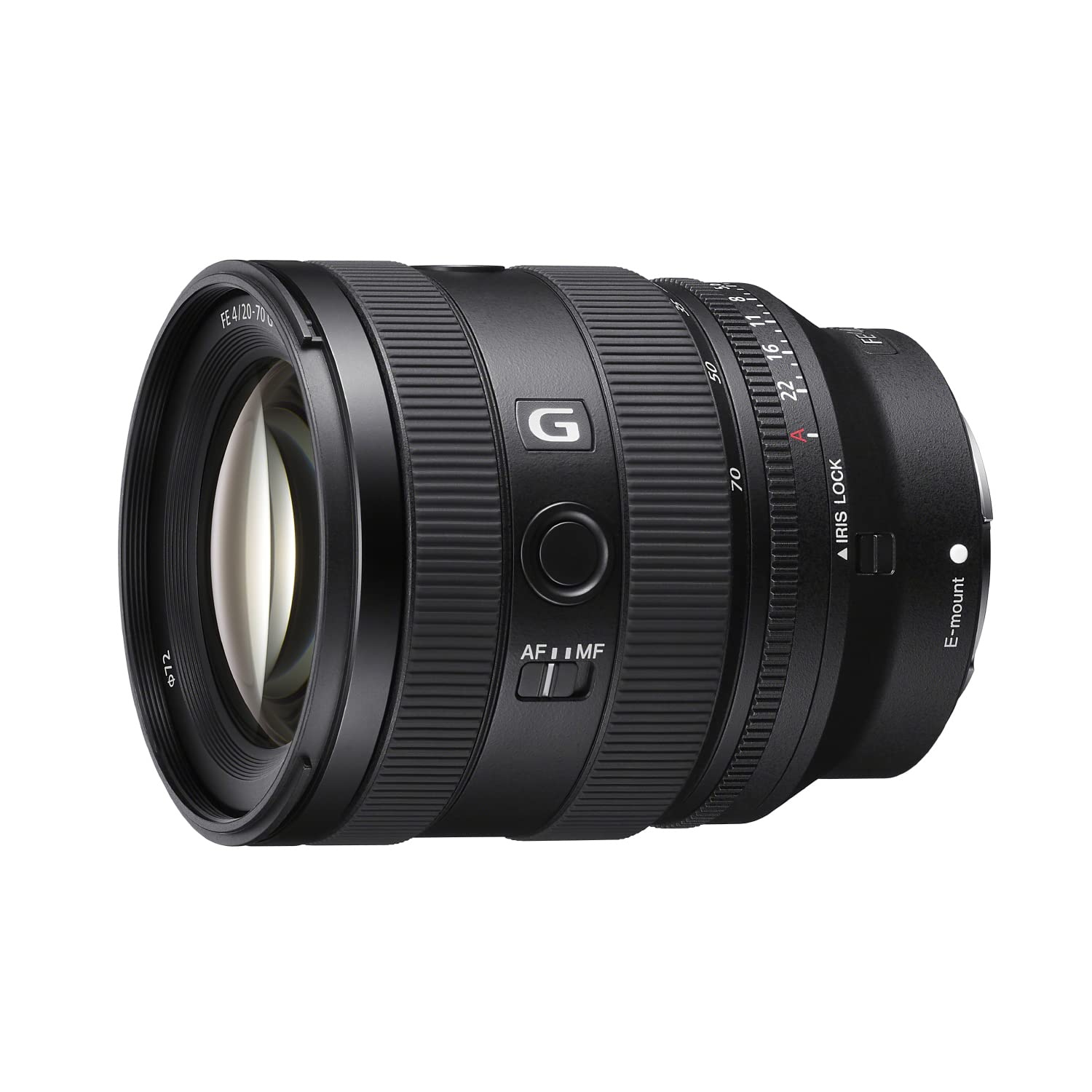
The unusually useful 20mm wide end gives travel and hybrid video shooters more coverage while retaining a 70mm long end. A constant F4 aperture and compact build keep the lens suited to travel.
At 488g, it combines manageable weight with fast, quiet dual linear-motor autofocus. Maximum magnification reaches 0.39x, with autofocus minimum distances of 0.30m wide and 0.25m telephoto.
F4 is one stop slower than F2.8. The lens also lacks in-lens stabilization and stops at 70mm.
Key highlights
- Sony E-mount for 35mm full frame
- 20-70mm focal range
- Constant F4 maximum aperture
- 0.30m wide and 0.25m telephoto minimum focus distance in AF
- 0.39x maximum magnification
- 488g weight
Pros
- Unusually useful 20mm wide end
- Compact and light enough for travel
- Fast, quiet dual linear-motor autofocus
- Strong close-up capability for a standard zoom
Cons
- F4 is one stop slower than an F2.8 zoom
- No in-lens stabilization
- Does not reach beyond 70mm
Who it's for
Travelers and hybrid video shooters prioritizing a wide field of view, manageable weight, and video-friendly operation.
Skip if
Look to a faster lens for low-light events or stronger subject isolation.
Sony FE 85mm F1.4 GM II - Best for portraits
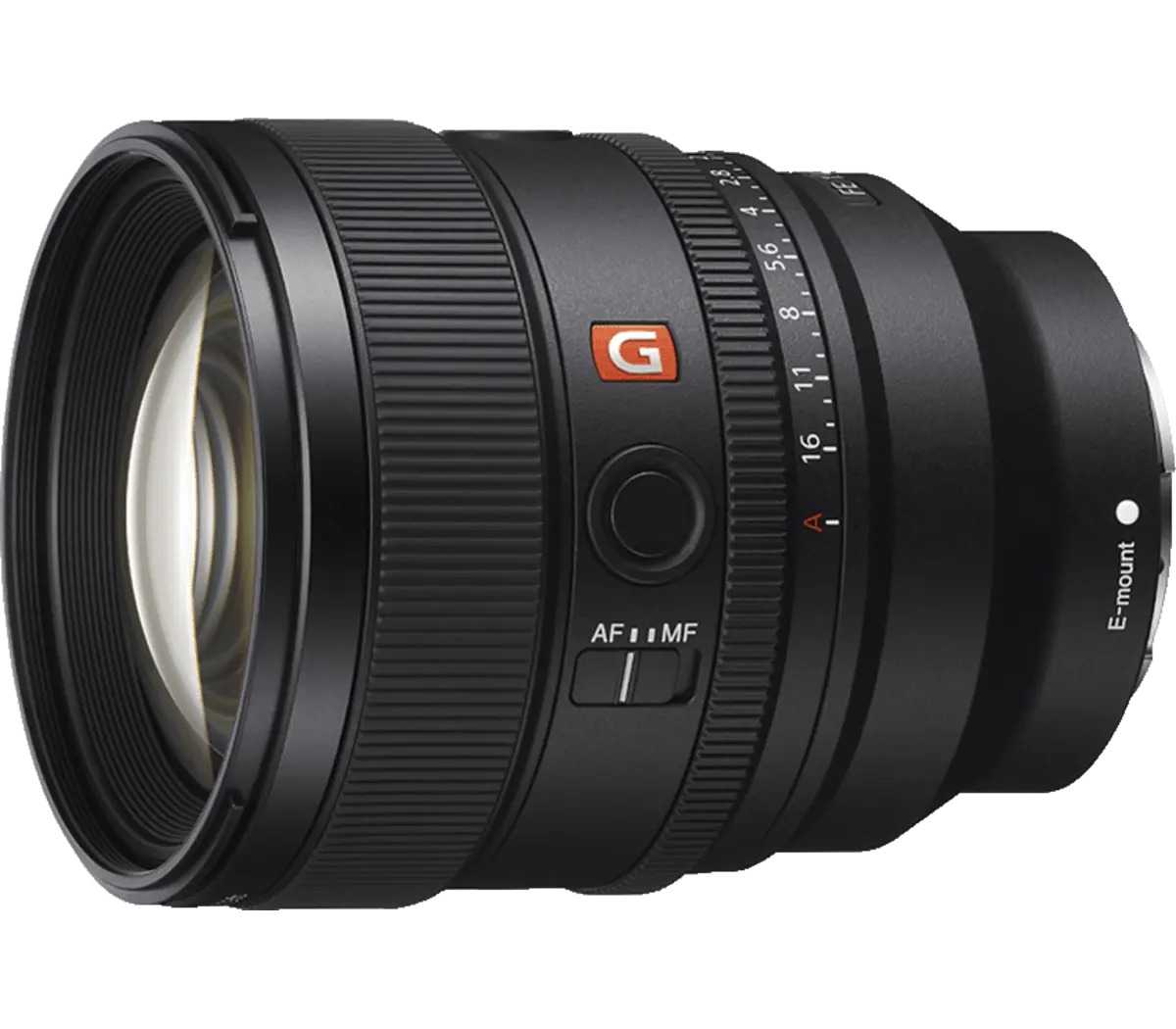
Portrait work plays directly to this prime's 85mm focal length, F1.4 maximum aperture, excellent subject separation, and smooth bokeh. Fast, quiet dual linear-motor autofocus suits portraits, fashion, and weddings.
The sharper, substantially lighter design weighs 642g and includes an aperture ring plus two customizable buttons. Minimum focus distance is 0.85m with autofocus and 0.80m with manual focus. There is no optical stabilization, and 85mm can feel restrictive indoors. Its high cost also limits its appeal outside dedicated short-telephoto work.
Key highlights
- Sony E-mount for 35mm full frame
- 85mm focal length
- F1.4 maximum aperture
- 0.85m AF and 0.80m MF minimum focus distance
- 642g weight
Pros
- Excellent subject separation and smooth bokeh
- Sharper and substantially lighter than the original GM
- Fast, quiet dual linear-motor autofocus
- Useful aperture ring and two customizable buttons
Cons
- High price for a single-focal-length lens
- No optical stabilization
- 85mm can be restrictive indoors
Who it's for
Portrait, fashion, and wedding photographers focused on subject isolation and short-telephoto framing.
Skip if
A zoom, stronger close-up capability, or a lower-cost portrait lens is the better choice for your work.
Sony FE 50mm F1.4 GM - Best for low light
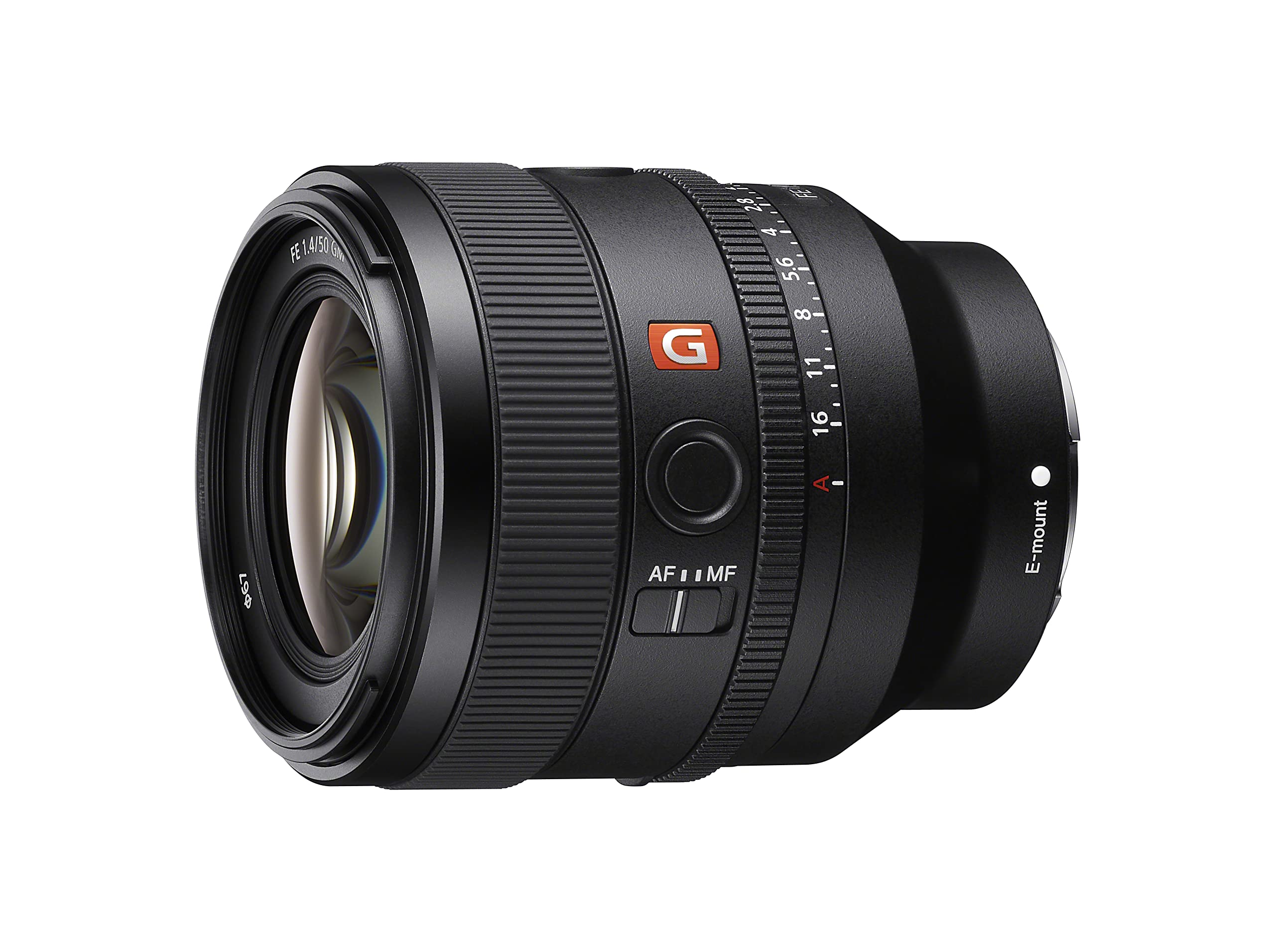
At 50mm, this full-frame prime provides a natural-looking focal length for street photography, environmental portraits, documentary work, and video.
The F1.4 aperture supports available-light shooting and shallow depth of field. Sharp results, attractive background blur, and fast, quiet autofocus round out its strengths.
The manageable body weighs 516g, focuses to 0.41m with autofocus or 0.38m with manual focus, and accepts 67mm filters. It lacks optical stabilization, costs more than slower 50mm primes, and cannot match a zoom's flexibility in fast-changing scenes.
Key highlights
- Sony E-mount for 35mm full frame
- 50mm focal length
- F1.4 maximum aperture
- 0.41m AF and 0.38m MF minimum focus distance
- 67mm filter diameter
- 516g weight
Pros
- Bright F1.4 aperture in a manageable body
- Sharp results with attractive background blur
- Fast and quiet autofocus
- Versatile natural-looking focal length
Cons
- Expensive compared with slower 50mm primes
- No optical stabilization
- A zoom is more flexible for fast-changing scenes
Who it's for
Available-light street photographers, environmental portrait shooters, documentary creators, and videographers seeking shallow depth of field.
Skip if
Select a different lens for zoom flexibility or a lighter, less expensive everyday prime.
Sony FE 100mm F2.8 Macro GM OSS - Best for macro
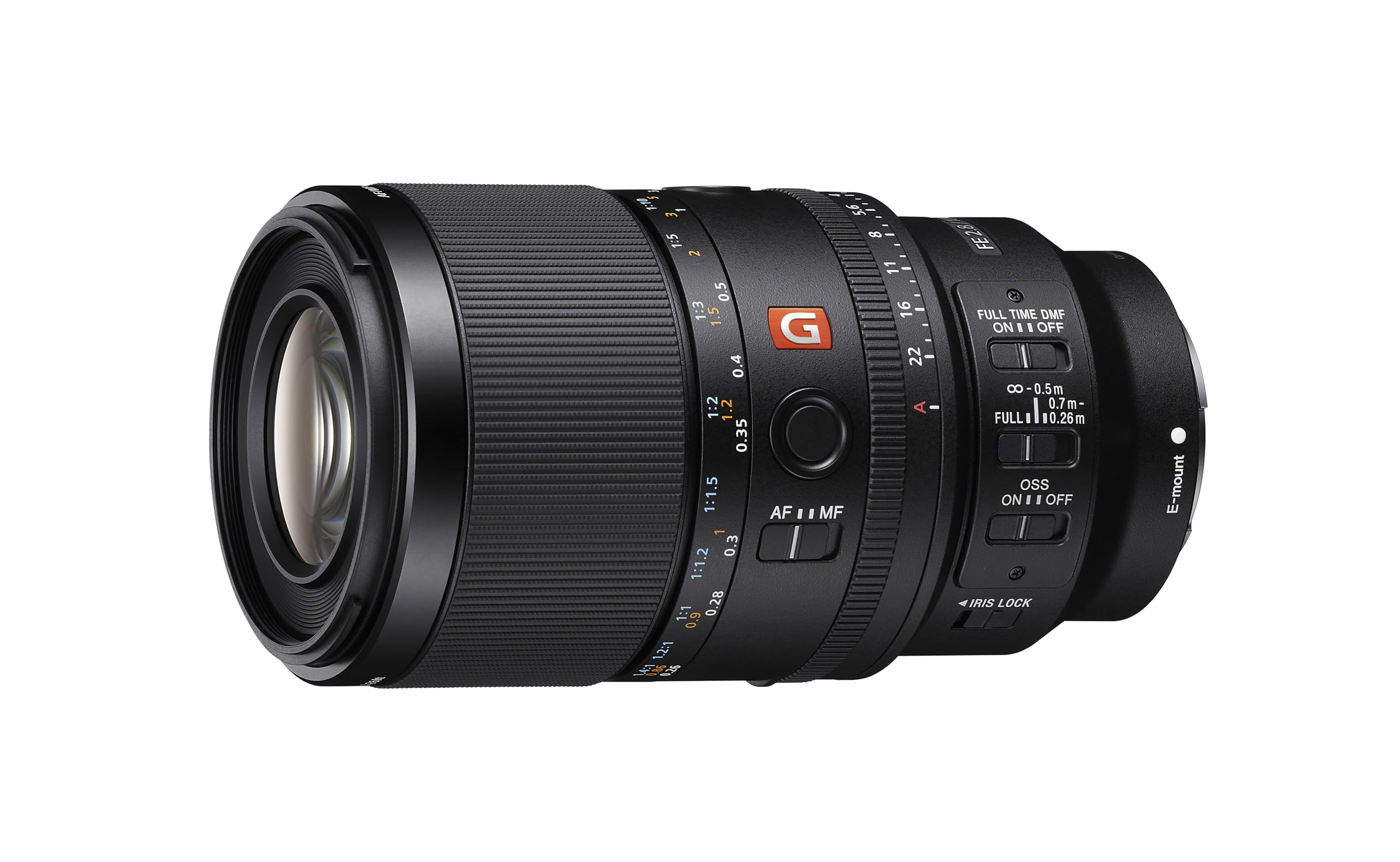
Native 1.4x maximum magnification takes this 100mm F2.8 macro lens beyond life-size reproduction. Its 0.26m minimum focus distance suits detailed photographs of insects, products, botanicals, and other small subjects. Macro-tuned Optical SteadyShot provides stabilization for close-up work. The lens also serves as a sharp short-telephoto and portrait option.
This specialized design is longer and heavier than many standard primes. Very shallow macro depth of field still rewards careful support and lighting, while the cost is difficult to justify for occasional close-ups.
Key highlights
- Sony E-mount for 35mm full frame
- 100mm focal length
- F2.8 maximum aperture
- 1.4x native maximum magnification
- 0.26m minimum focus distance
- Optical SteadyShot
Pros
- Exceeds life-size reproduction at 1.4x
- Macro-tuned optical stabilization
- Supports both Sony teleconverters
- Also useful as a sharp short-telephoto and portrait lens
Cons
- Expensive for occasional close-up use
- Longer and heavier than many standard primes
- Very shallow macro depth of field still rewards careful support and lighting
Who it's for
Serious insect, product, botanical, and detail photographers who need greater-than-life-size magnification.
Skip if
Occasional close-up shooters and buyers seeking a smaller general-purpose lens need less specialized equipment.
Sony FE 400-800mm F6.3-8 G OSS - Best for birds and wildlife
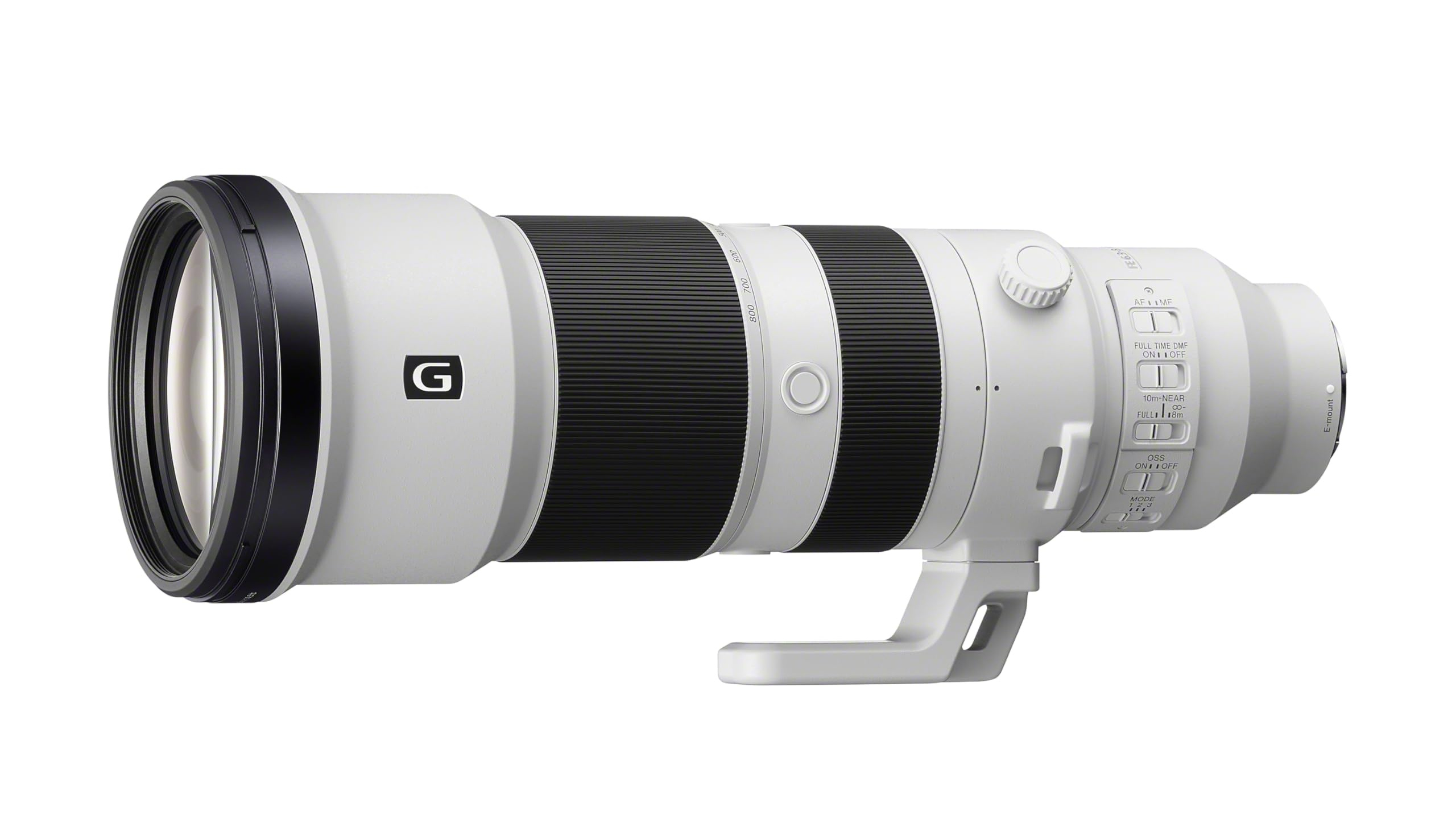
Maximum reach defines this full-frame 400-800mm zoom. It targets distant birds, wildlife, aircraft, and daylight field sports. Internal zoom maintains the lens length and balance, while Optical SteadyShot and fast linear-motor autofocus support field use.
The 2,475g build is very large and heavy. Its F6.3-8 maximum aperture demands ample light or high ISO.
Minimum focus distance runs from 1.7m to 3.5m. The 400mm wide end also remains too long for many nearby or larger subjects.
Key highlights
- Sony E-mount for 35mm full frame
- 400-800mm focal range
- F6.3-8 maximum aperture
- 1.7-3.5m minimum focus distance
- Optical SteadyShot
- 2,475g weight
Pros
- Exceptional native reach to 800mm
- Internal zoom maintains length and balance
- Optical stabilization and fast linear-motor autofocus
- Compatible with 1.4x and 2x teleconverters
Cons
- Very large and heavy
- Slow F6.3-8 aperture demands ample light or high ISO
- 400mm wide end is too long for nearby or larger subjects
- Uses expensive 105mm filters
Who it's for
Bird, wildlife, aircraft, and daylight field-sports photographers who place maximum reach first.
Skip if
A different lens is better for extended handheld use, dim conditions, or focal lengths below 400mm.
How to Choose
- Match the lens to the sensor format. FE lenses cover full-frame sensors and also work on APS-C bodies with a 1.5x crop. The smaller sensor captures a narrower field of view.
- Choose focal length around the subject. A standard zoom covers broad needs, 85mm favors portraits, 100mm serves macro work, and 400-800mm targets distant subjects. A 50mm prime provides a natural-looking focal length for low-light photography.
- Balance aperture against size and price. F1.4 primes and F2.8 zooms gather more light and create shallower depth of field but cost and weigh more. F4 and variable-aperture lenses are often better travel values.
- Check stabilization in the lens and body. Optical SteadyShot is valuable with unstabilized APS-C bodies, macro lenses, and long telephotos. Many wide and standard Sony lenses rely on compatible camera-body stabilization.
- Consider autofocus and video controls. Fast, quiet autofocus benefits moving subjects and video. Aperture de-click switches and linear manual focus provide useful video control.
- Plan for carrying and support equipment. Weight matters during all-day use. Large telephotos can require a monopod, stronger tripod head, larger bag, and costly filters.
What is the difference between Sony E and FE lenses?
Both use the physical E-mount. FE lenses project an image circle large enough for full-frame sensors, while lenses labeled E are generally designed for APS-C cameras.
Can an FE lens be used on a Sony APS-C camera?
Yes. It mounts normally, but the smaller sensor captures a narrower field of view equivalent to multiplying the focal length by about 1.5x.
Can an APS-C E lens be used on a full-frame Sony camera?
Usually yes, but the camera normally switches to APS-C crop mode. This reduces the used sensor area and output resolution.
What do G, GM, and OSS mean on Sony lenses?
G identifies Sony's premium G Lens line, GM denotes the higher-end G Master line, and OSS means the lens includes Optical SteadyShot stabilization.
When is Optical SteadyShot most useful?
OSS is especially valuable with unstabilized APS-C bodies, macro lenses, and long telephotos. Many Sony wide and standard GM lenses rely on in-body stabilization, which older or entry-level cameras may lack.
Share this article
More in News
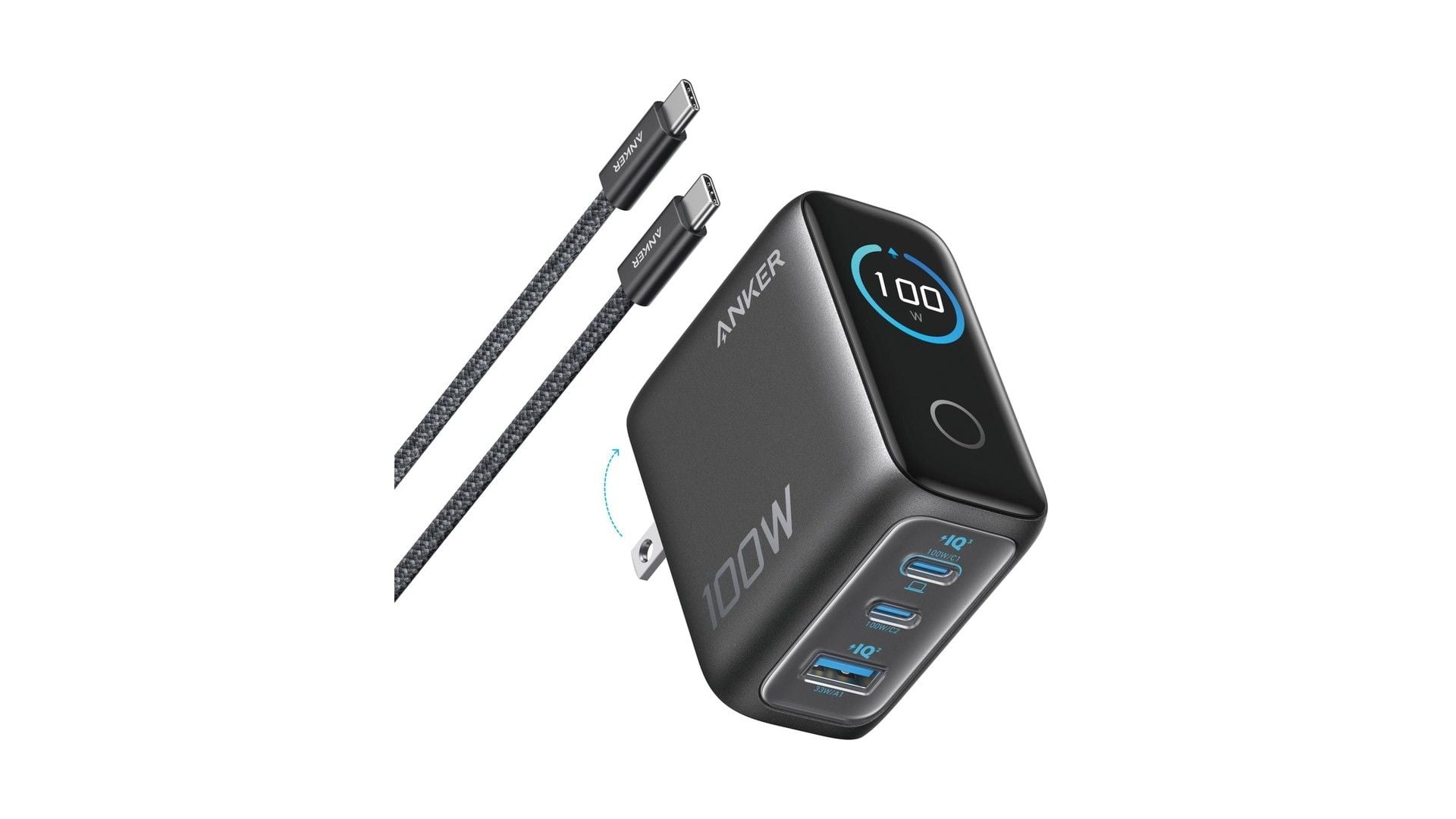
Best Anker Chargers in 2026
The Anker Charger 100W Smart Display is our top pick for balanced laptop power, three-port flexibility and useful live readouts.
3 min read
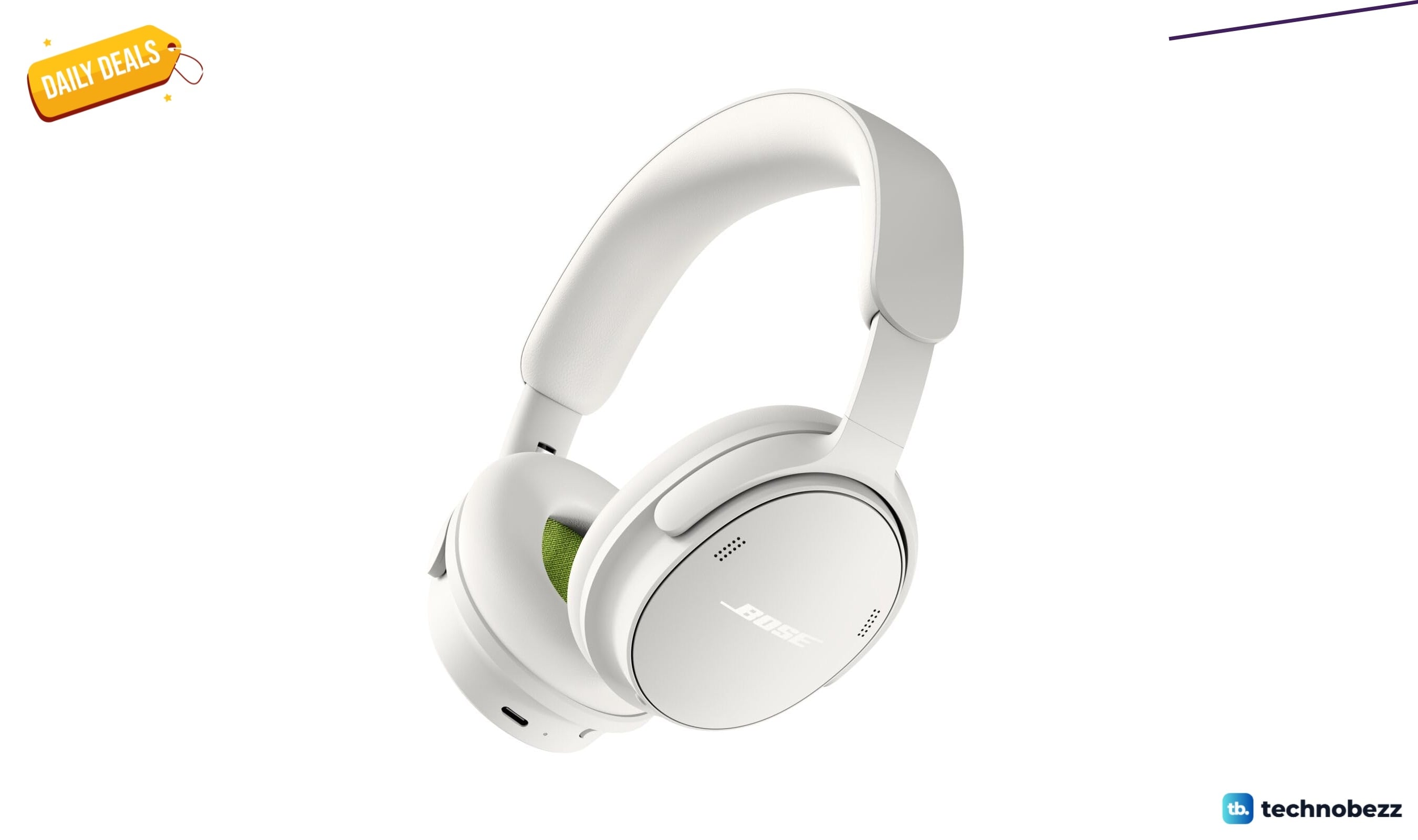
Bose QuietComfort Headphones Wireless Headphones gets a $40 price cut to $319
Bose QuietComfort wireless headphones drop to a record-low $319, saving $40 on a model that rarely goes on sale.
4 min read
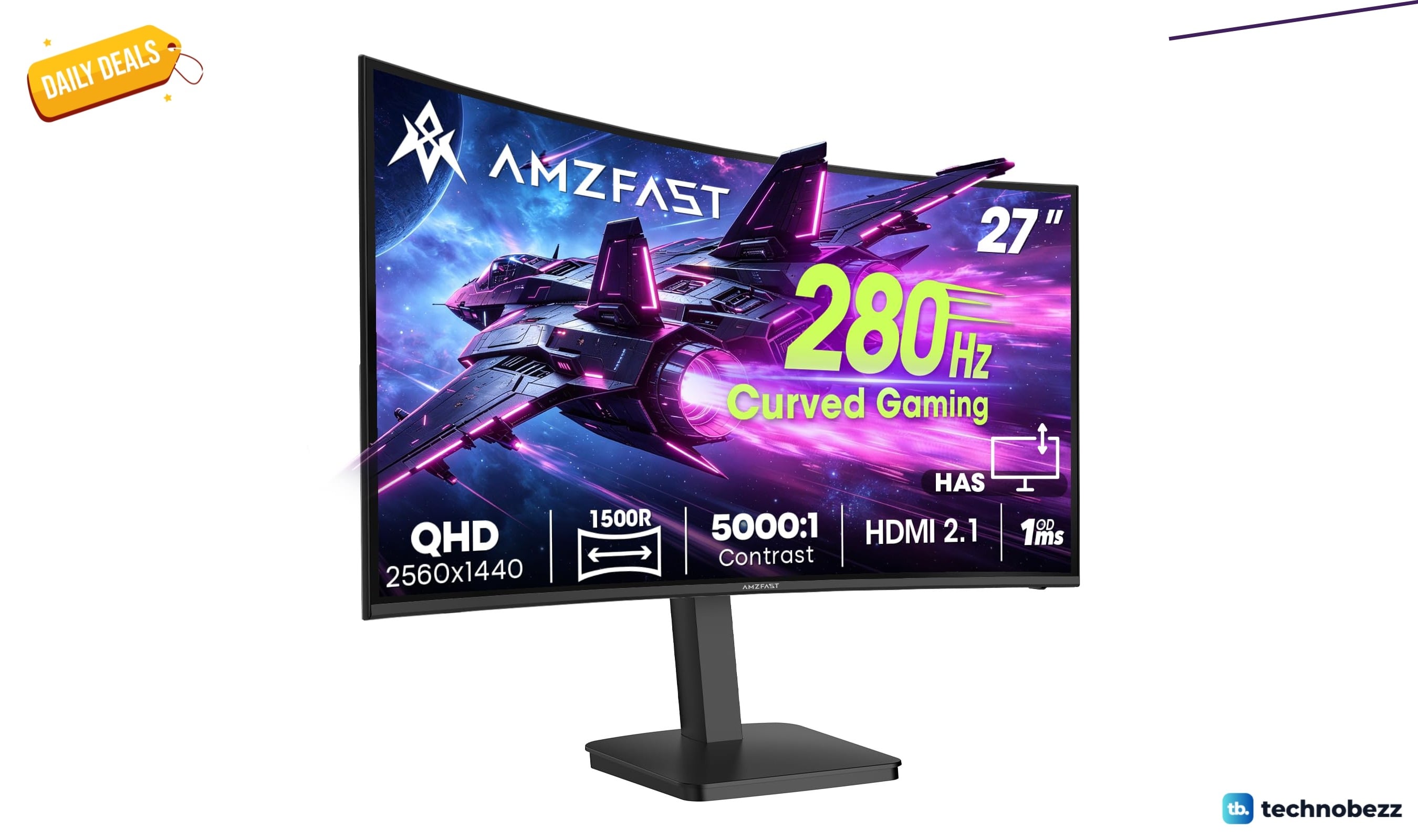
Amzfast WQHD Curved Gaming Monitor drops to $199.99, its lowest price yet
Score a 27-inch 1440p 280Hz curved gaming monitor for $199.99, a record low that saves $50 off list.
3 min read
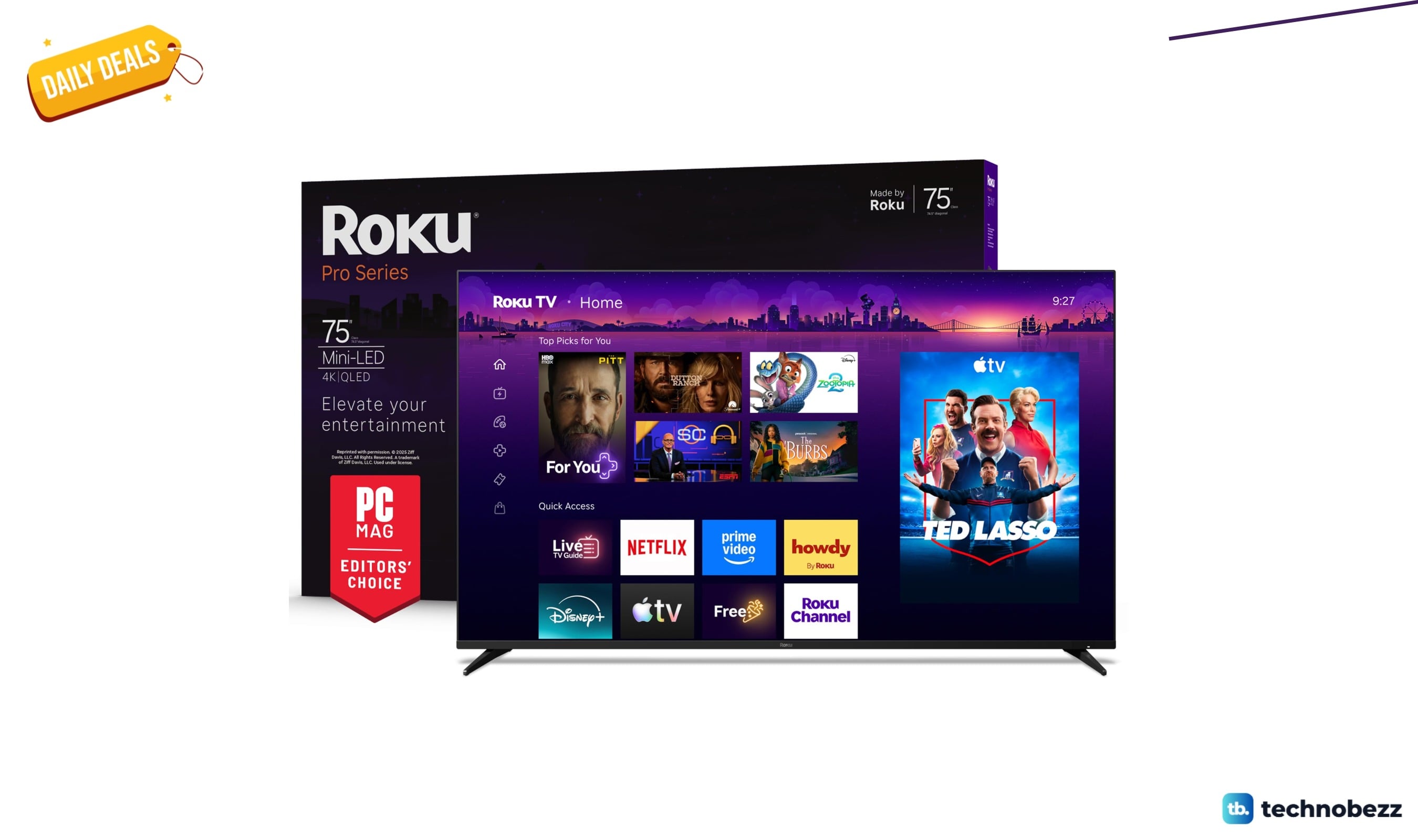
Roku 75-inch Pro TV 4K QLED Mini-LED TV now selling for $899.99
Save $800 on the Roku 75-inch Pro 4K QLED Mini-LED TV at $899.99, its lowest price ever, with 120Hz and Dolby Vision IQ.
5 min read
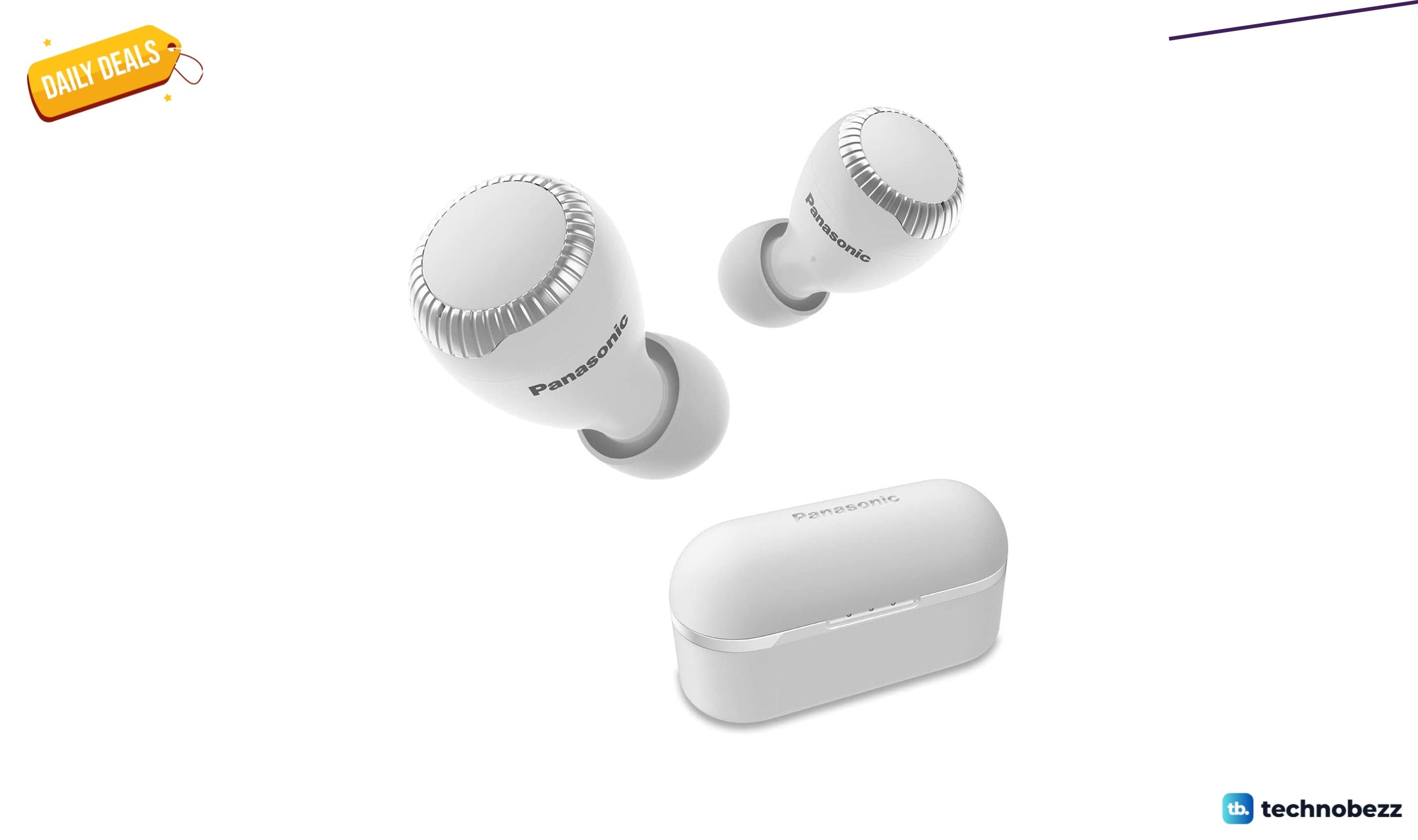
2 Headphone Deals Worth Checking Today, Starting at $58.29
4 min read
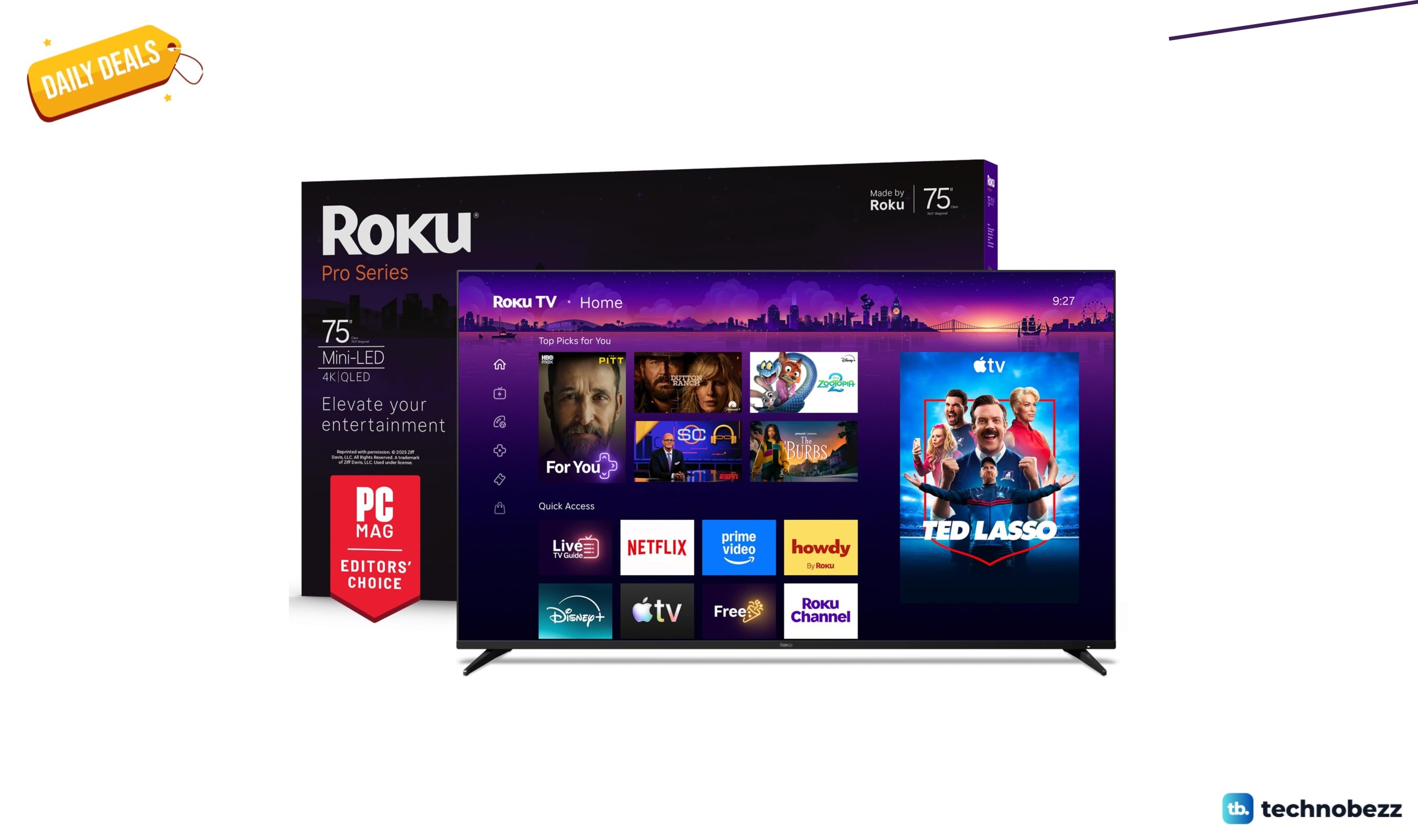
Today's best TV deals, starting at $565.83
3 min read
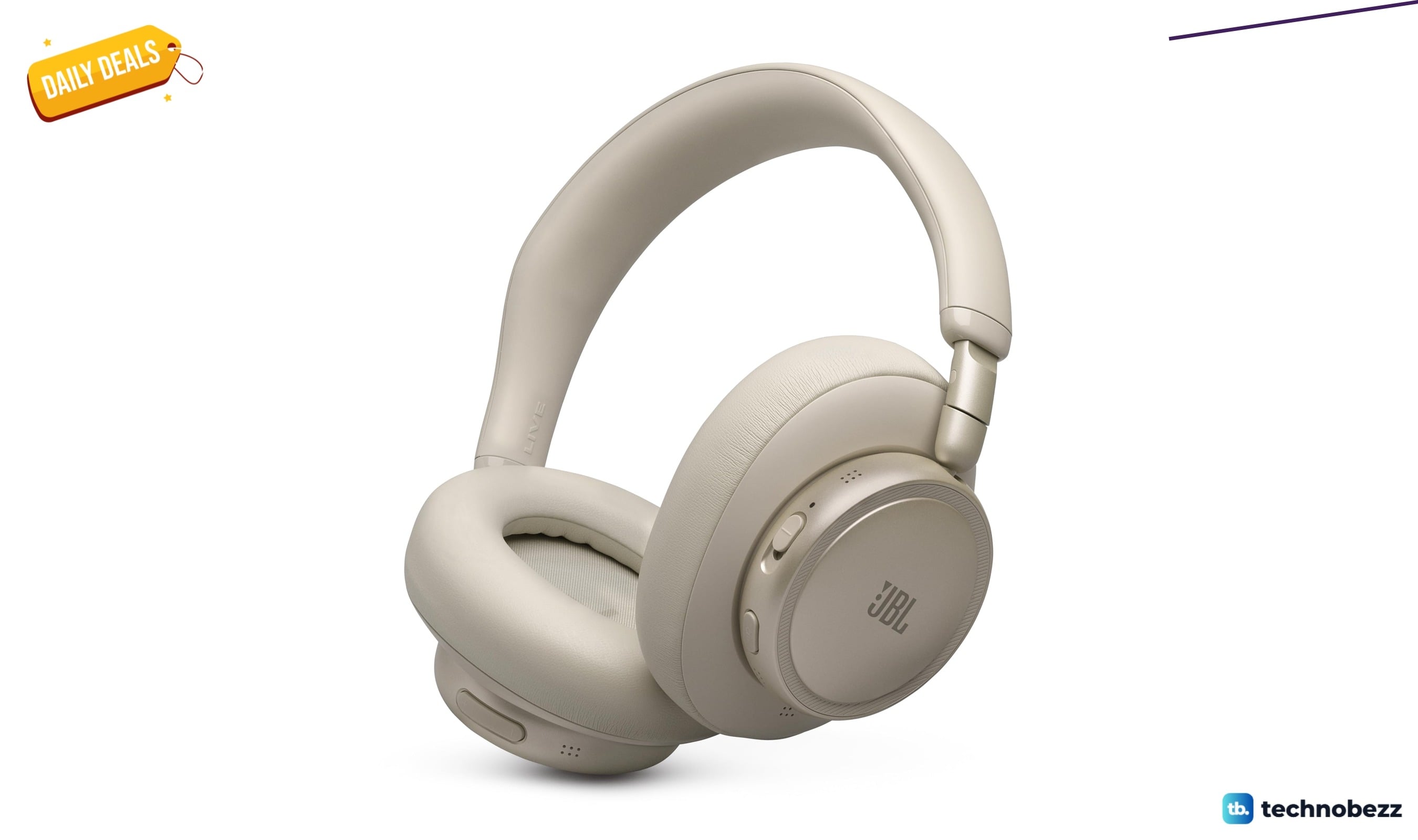
JBL Live 780NC Wireless Over-Ear Noise Cancelling Headphones falls to $189
3 min read
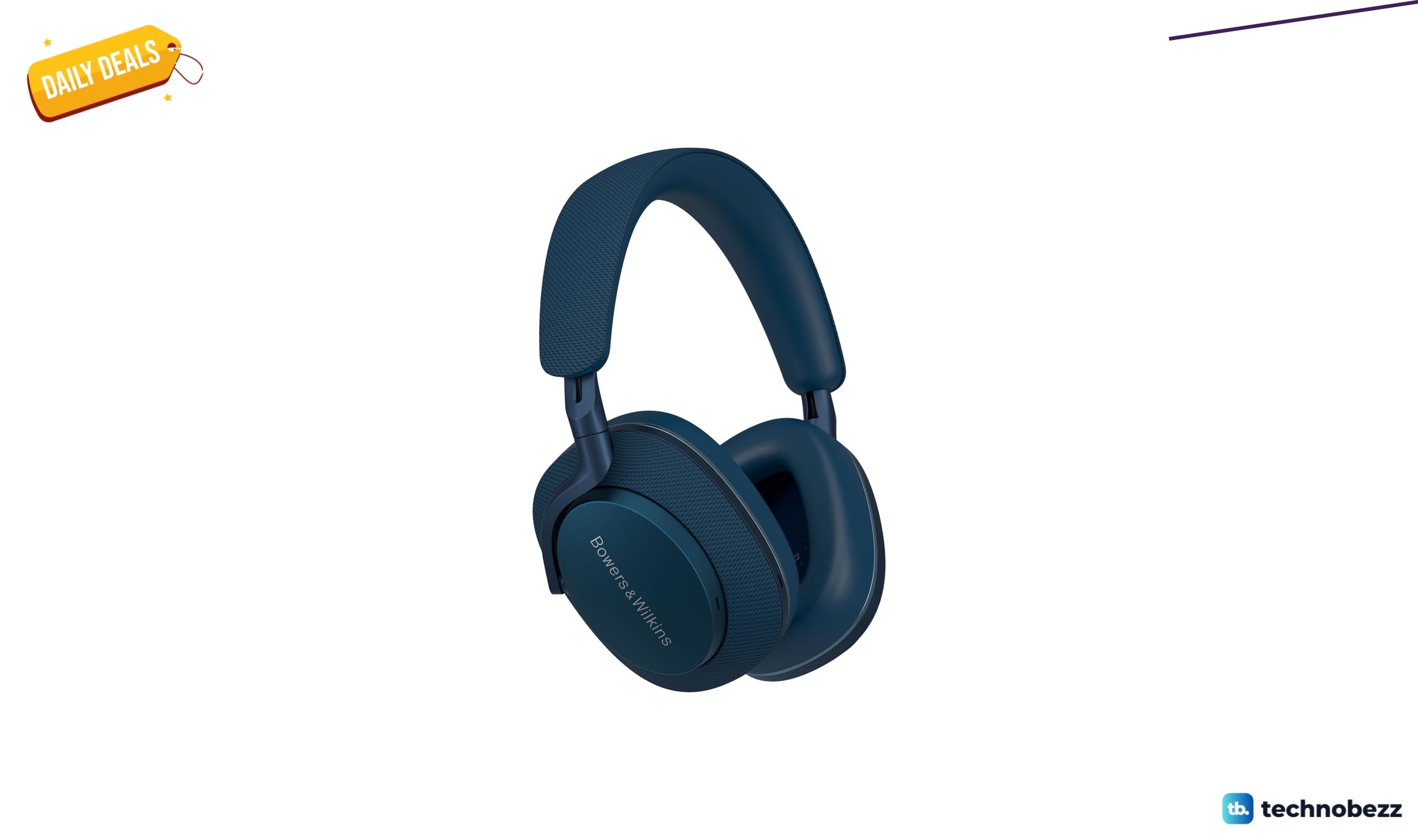
Bowers & Wilkins Px7 S2e Over-Ear Headphones price drops to $319.99
5 min read
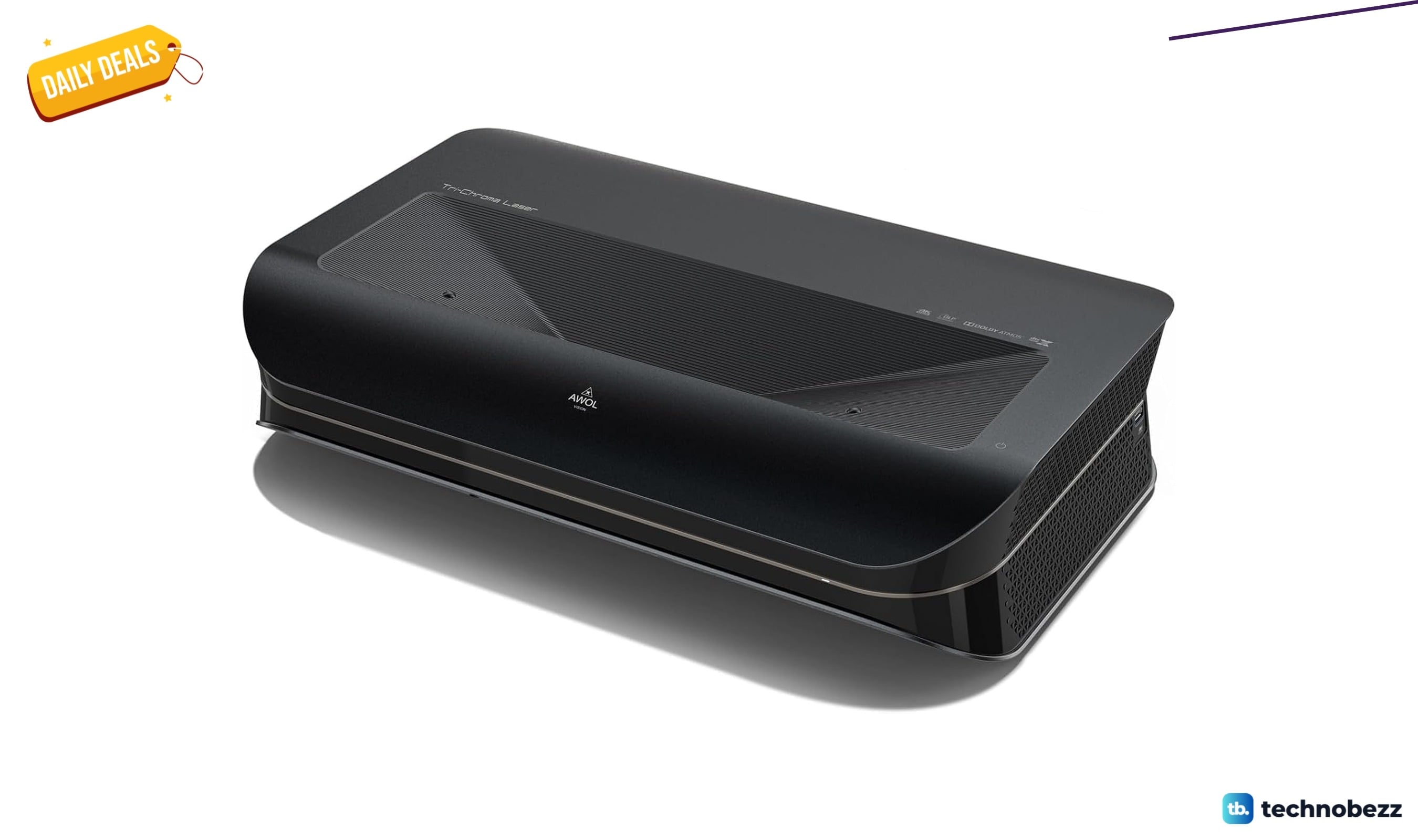
AWOL VISION LTV-3000 Pro 4K 3D Ultra price drops to $1614.15
4 min read
Lenovo Idea Tab Pro Gen 2 Tablet on sale for $349.99
5 min read

Lenovo coupon codes and deals
5 min read

LG coupon codes and deals
4 min read