For seniors who want independence without constant worry, the right smartwatch does more than tell time. It can detect a fall, call for help, track heart health, and keep family connected. The Apple Watch SE 3 is the best pick for most people, but the choice really depends on whether you need professional monitoring (a person answering the alert) or direct 911 access, and what phone you already own.
Technobezz is supported by its audience. We may get a commission from retail offers.
8 Best Smartwatches for Seniors in 2026
The Apple Watch SE 3 tops our list of the 8 best smartwatches for seniors in 2026, offering fall detection, health tracking, and family connectivity for safety and independence.
T
Technobezz
Editorial Team
Updated September 4, 2026Sep 4, 2026
•11 min read

Get Deals Like These in Your Inbox
The best prices, checked by our editors.
At a Glance
| Category | Product | Why We Picked It |
|---|---|---|
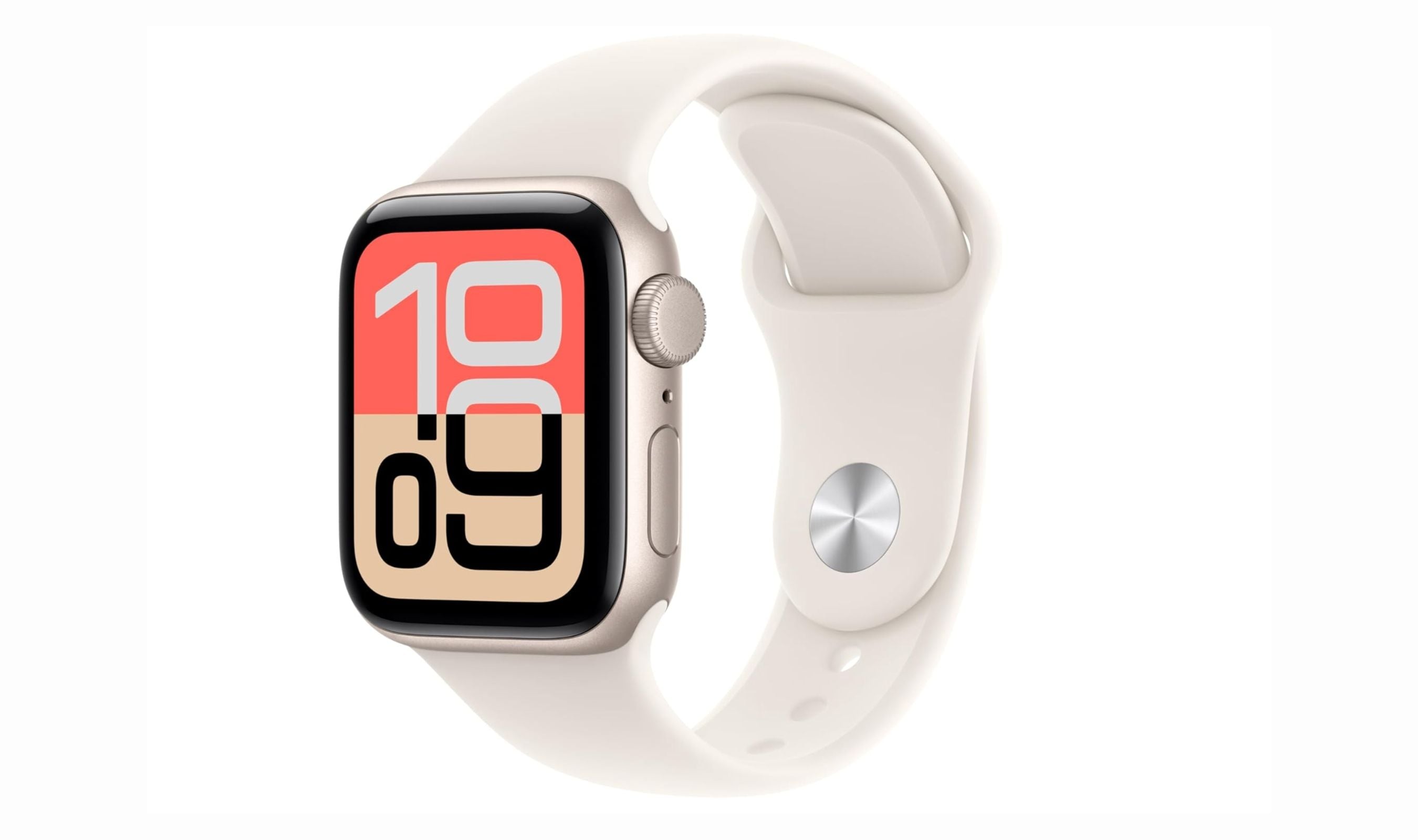
| Best overall | Apple Watch SE 3 | Best balance of safety features, health tracking, and value for iPhone users |
| Best for emergency monitoring | Connected Caregiver Safety+ Watch | 24/7 monitoring, included fall detection, and caregiver alerts |
| Best for Android users | Samsung Galaxy Watch 8 Classic | Physical rotating bezel makes navigation easier |
| Best voice-activated | Kanega Watch by UnaliWear | Hands-free operation for those who can't press a button |
| Best budget | SOS Smartwatch by Bay Alarm Medical | Standalone safety without a smartphone |
| Also recommended | Google Pixel Watch 5 LTE | Satellite SOS on the LTE model when mobile coverage is unavailable |
| Also recommended | Garmin Venu 3 | Battery that lasts up to two weeks |
| Also recommended | Amazfit Bip 6 | 1.97-inch AMOLED screen and up to 14 days of battery life |
How we chose
We evaluated smartwatches based on five criteria that matter most for seniors: fall detection and emergency response, ease of use (large displays, simple navigation, voice control), health monitoring accuracy, battery life, and overall value. We looked at both dedicated medical alert watches with professional monitoring centers and mainstream consumer smartwatches. Our assessment considers expert feedback, verified product specifications, and real-world user experiences across multiple sources to identify the best options for different needs and budgets.
The best smartwatches for seniors right now
Apple Watch SE 3 - Best overall
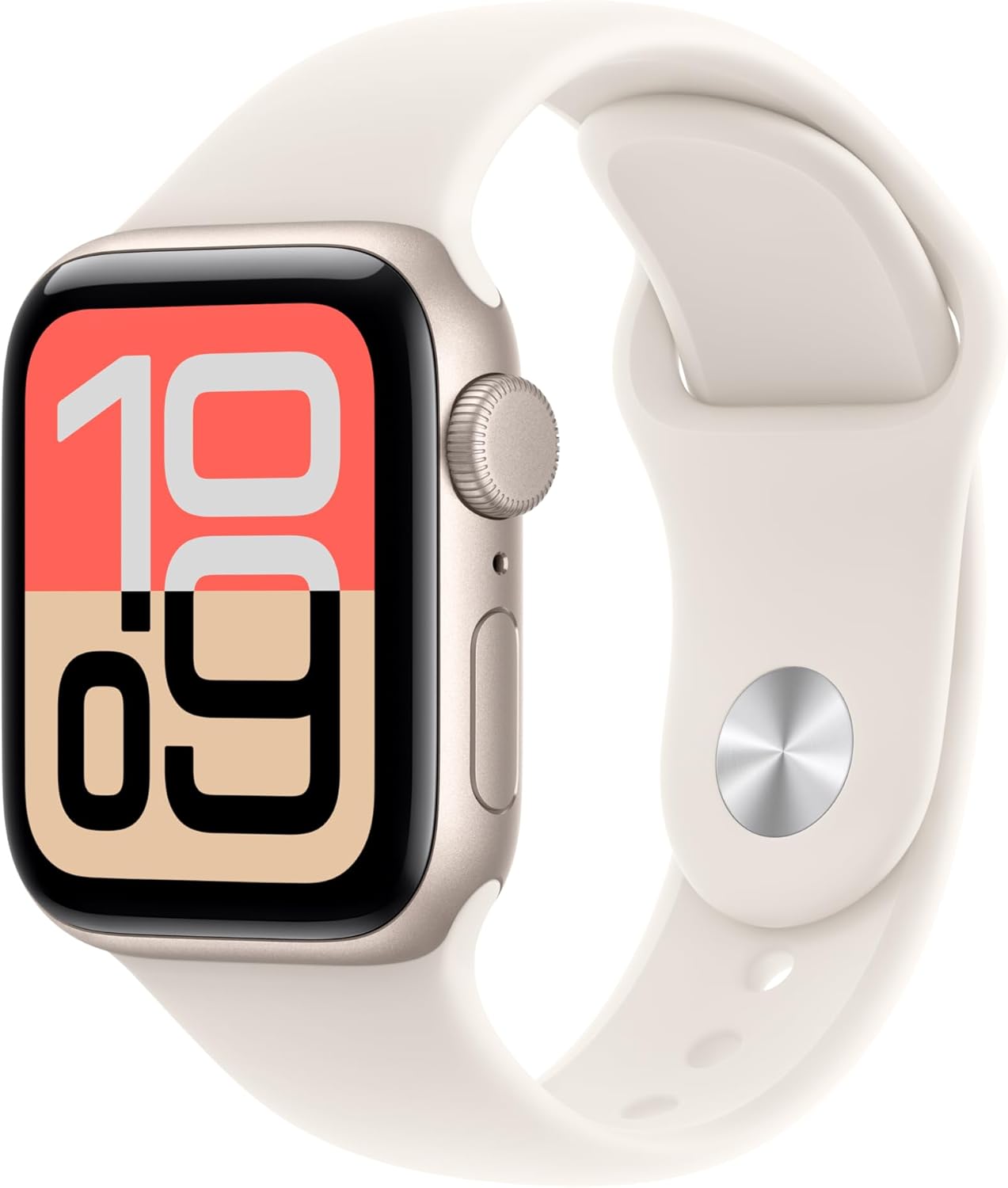
The Apple Watch SE 3 delivers the core safety and health features seniors actually need at a price that makes sense. It includes fall detection, heart rate monitoring with irregular rhythm notifications, and crash detection. The linked GPS model needs a nearby iPhone or supported Wi-Fi calling for emergency calls. The always-on display (new for this generation) means the time is visible without raising your wrist, and the S10 chip keeps everything fast and responsive.
Key highlights
- Fall detection with automatic 911 calling if unresponsive
- Always-on display for easy time checking
- Heart rate monitoring with irregular rhythm notifications
- Emergency SOS by holding the side button
- Works seamlessly with iPhone
Pros
- Same S10 processor as premium Apple Watch models
- Simple, intuitive interface for iPhone users
- Family Setup lets a caregiver manage a GPS + Cellular model remotely
- Water resistant to 50 meters
Cons
- Requires an iPhone (won't work with Android)
- No ECG or blood oxygen sensor
- Battery lasts about 18 hours, needs daily charging
- Cellular model costs extra for standalone emergency calling
Who it is for: iPhone users who want reliable safety features, health tracking, and a straightforward smartwatch experience without paying for premium models.
Skip if
You don't own an iPhone, need professional monitoring instead of 911 dialing, or want a watch that can go multiple days between charges.
Connected Caregiver Safety+ Watch - Best for emergency monitoring
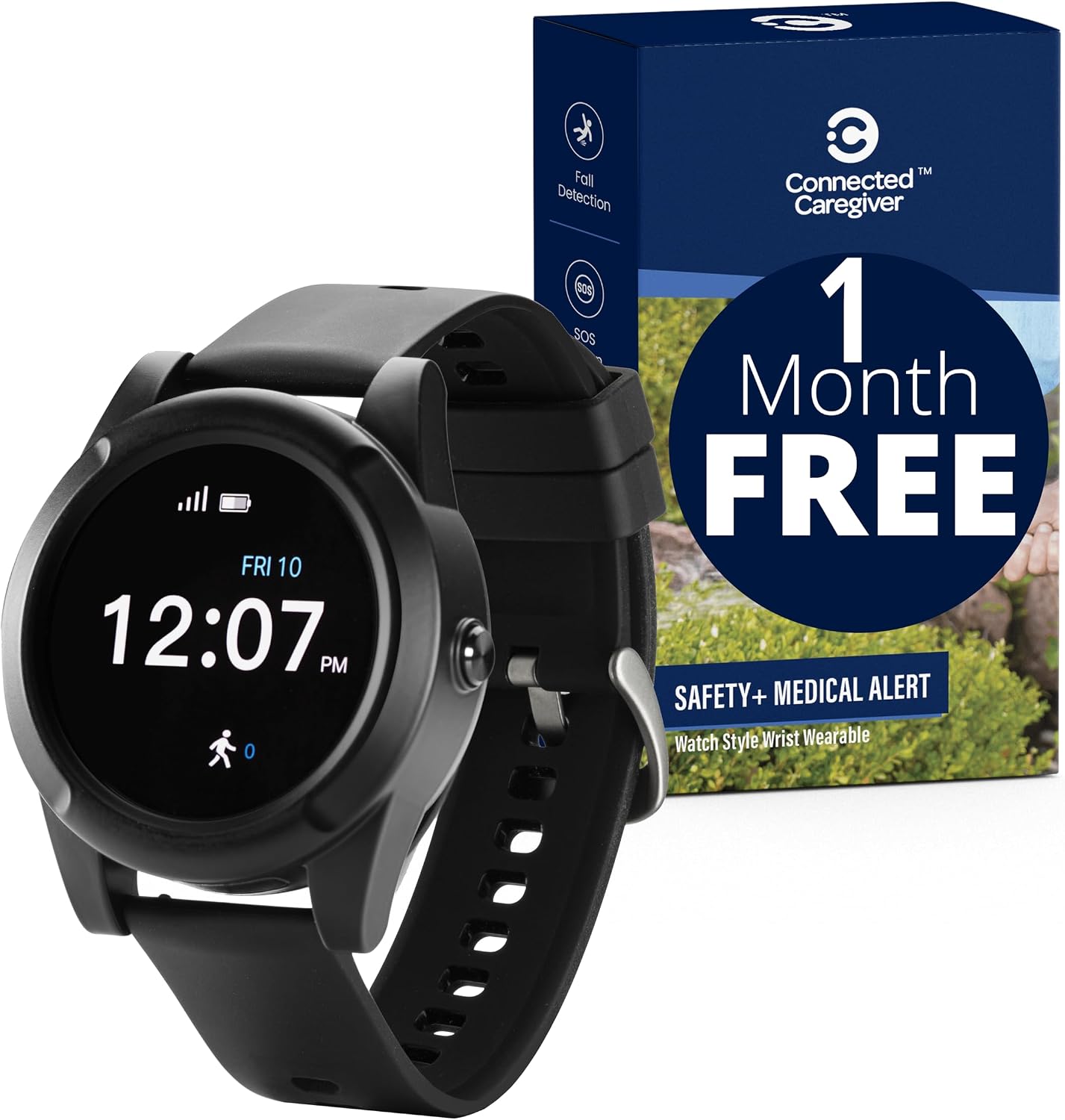
The Connected Caregiver Safety+ Watch connects to a U.S. monitoring center over 4G and includes automatic fall detection. Its caregiver app shows location, step count, morning activity, and battery status. The Amazon listing includes one month of service, followed by a $40 monthly subscription.
Key highlights
- 24/7 U.S. emergency monitoring over 4G
- Automatic fall detection included in the subscription
- Help button with two-way voice communication
- Caregiver app with location and battery updates
Pros
- Fall detection has no separate add-on fee
- Care Circle shares alerts with family
- Water-resistant design for shower use
Cons
- $40 monthly subscription after the included first month
- Requires an activation call before use
- Needs cellular coverage and regular charging
Who it is for: Families who want professional emergency monitoring and an app for checking on a loved one.
Skip if
You want a watch without a monitoring subscription.
Samsung Galaxy Watch 8 Classic - Best for Android users
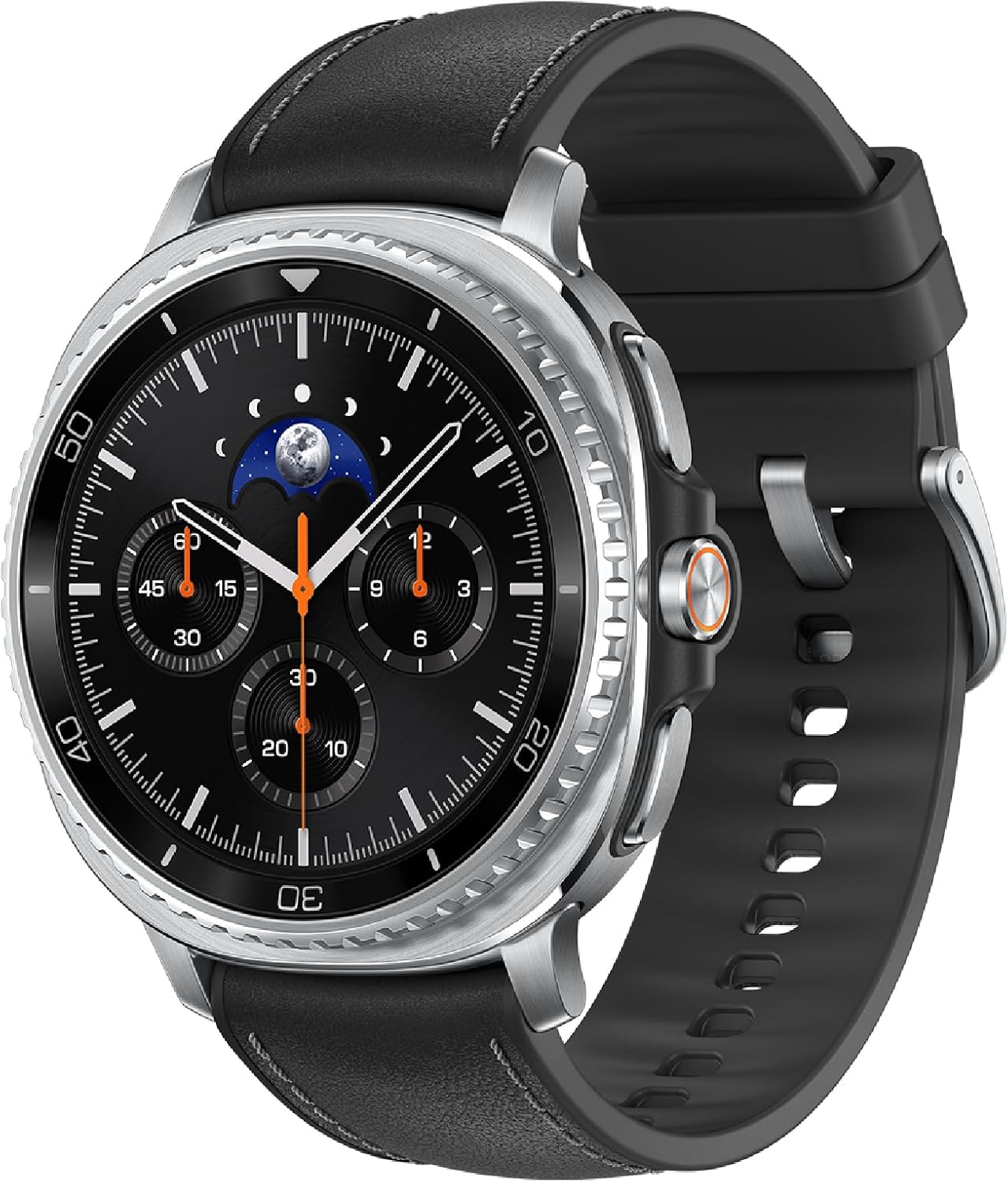
The Galaxy Watch 8 Classic brings back the physical rotating bezel, which is a genuine advantage for seniors who find touchscreens frustrating. Turning the bezel to scroll through menus is easier than swiping, especially for those with arthritis or unsteady hands. It includes fall detection, heart rate monitoring, ECG (requires a Samsung phone), and a bright Super AMOLED display that's readable in sunlight. Battery life stretches to about 30-40 hours, better than most Apple Watches.
Key highlights
- Physical rotating bezel for touch-free navigation
- Fall detection with automatic SOS to emergency contacts
- ECG for heart rhythm analysis (with Samsung phone)
- Super AMOLED display, 3,000 nits brightness
- Battery life up to 40 hours
Pros
- Rotating bezel makes menu navigation much easier
- Excellent display visibility in all lighting
- Stainless steel build feels like a traditional watch
- Works with most Android phones
Cons
- ECG feature requires a Samsung Galaxy phone
- Some features locked to Samsung ecosystem
- Large 46mm case may feel heavy on smaller wrists
- Higher price than competing Android watches
Who it is for: Android users who want a traditional-looking smartwatch with easy physical navigation and comprehensive health tracking.
Skip if
You use an iPhone, want the simplest possible interface, or need professional medical alert monitoring.
Kanega Watch by UnaliWear - Best voice-activated
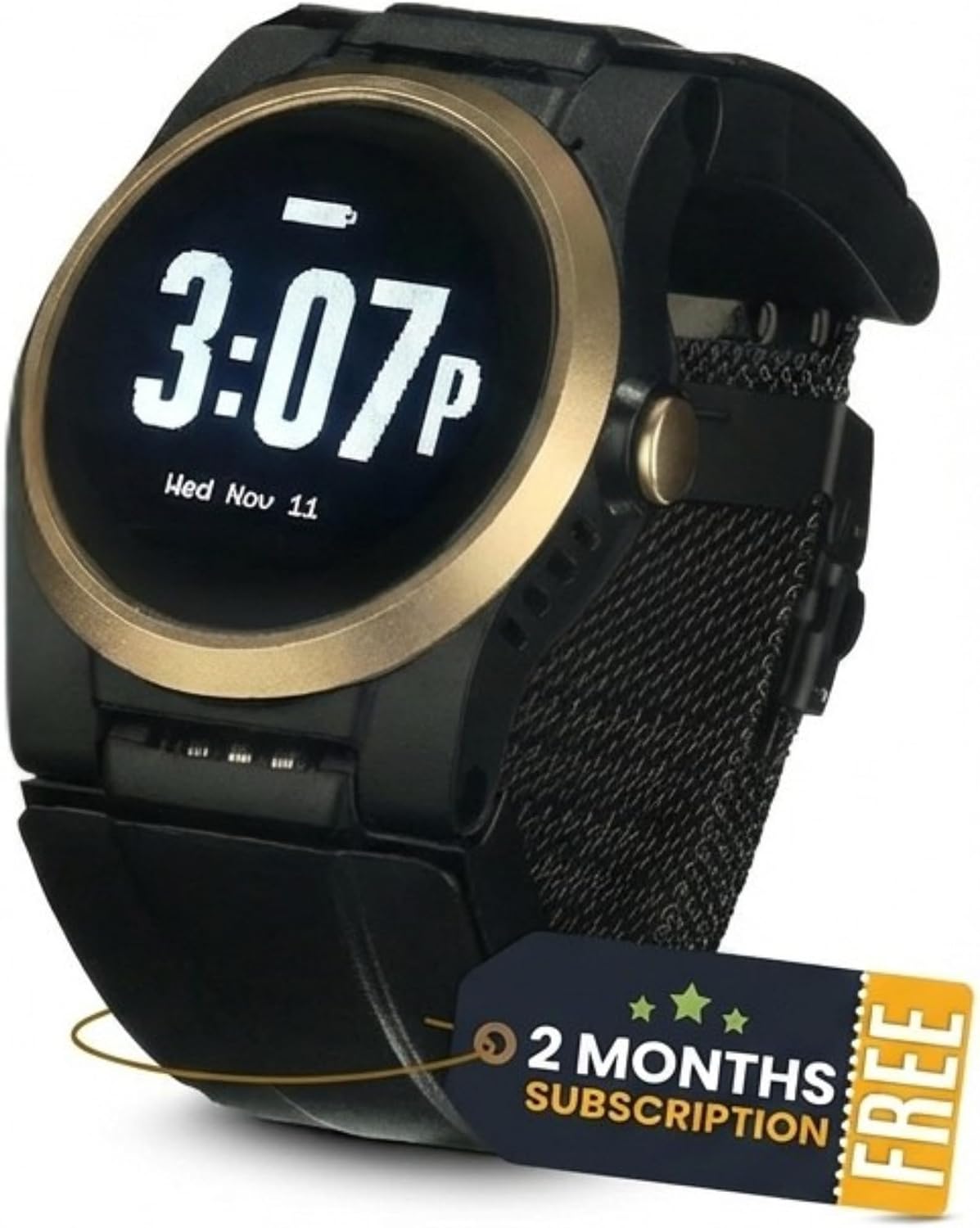
The Kanega Watch is built for seniors who may not be able to press a button in an emergency. It responds to set voice commands such as "Get help" and "Call the operator." The patented swappable battery system means the watch never needs to come off for charging, which is critical for someone at risk of falls during the night. It requires home Wi-Fi and uses Verizon cellular away from home, and comes pre-programmed so it works right out of the box.
Key highlights
- Voice-activated emergency alerts (no button pressing needed)
- Swappable battery system for 24/7 wear
- Automatic fall detection included at no extra cost
- Pre-programmed before shipping (no setup)
- Works without a smartphone
Pros
- Three ways to trigger help: voice, button, or automatic fall detection
- Battery swaps without removing the watch
- Cellular and Wi-Fi connectivity for reliable indoor coverage
- Medication reminders via voice
Cons
- Higher monthly fee (from $64.95/month on annual plan)
- Bulkier design than consumer smartwatches
- Voice commands have a learning curve
- First year cost exceeds $1,000 with monitoring
Who it is for: Seniors with arthritis, tremors, limited dexterity, or vision challenges who need hands-free emergency access and 24/7 protection.
Skip if
Budget is a primary concern, you're comfortable pressing a button, or you want a slim, stylish smartwatch.
SOS Smartwatch by Bay Alarm Medical - Best budget
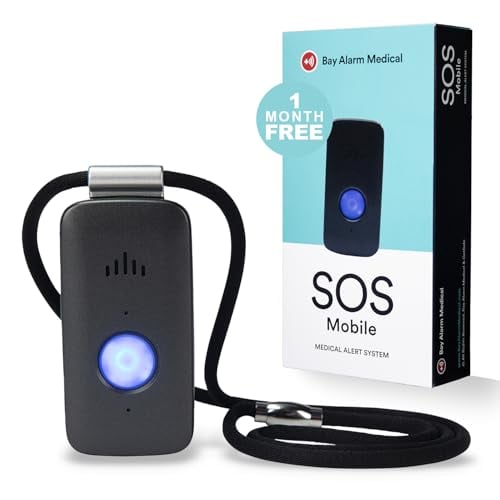
The SOS Smartwatch keeps things simple: press the button, talk to a trained operator. No smartphone required, no complicated menus. It runs on AT&T LTE as a standalone device and includes GPS location tracking so the monitoring center knows exactly where you are. The AI-powered fall detection (available as an add-on) has improved accuracy and fewer false alarms than earlier systems. It's the most affordable entry point into professional medical alert monitoring.
Key highlights
- Dedicated SOS button for one-press emergency connection
- Standalone cellular (no smartphone needed)
- GPS location tracking sent to monitoring center
- Step counter and weather app included
- AI-backed automatic fall detection (add-on plan)
Pros
- Lowest monthly monitoring cost (from $39.95/month)
- Simple interface designed for first-time smartwatch users
- Sleek design that doesn't look like a medical device
- Fast response times (under 15 seconds in testing)
Cons
- Short battery life (6-8 hours), needs nightly charging
- Fall detection costs extra on a separate plan tier
- Limited features beyond safety and basic tracking
- Charging gap overnight means no protection while asleep
Who it is for: Budget-conscious families who want professional monitoring in a simple, standalone watch without a smartphone.
Skip if
You need 24/7 coverage including overnight, want advanced health tracking, or prefer a consumer smartwatch with more features.
Also Good
- Google Pixel Watch 5 LTE - Satellite SOS for emergencies beyond mobile coverage; requires an open outdoor view of the sky.
- Garmin Venu 3 - battery that lasts up to two weeks.
- Amazfit Bip 6 - 1.97-inch AMOLED screen and up to 14 days of battery life.
How to Choose
Professional monitoring vs. direct 911. Medical alert watches connect to a monitoring center that can coordinate help. Consumer watches with Emergency SOS can contact emergency services when the required connection is available. Check whether the chosen model alerts professionals or family members and what subscription it needs.
Smartphone compatibility. Apple Watch only works with iPhone. Samsung and Google watches work with Android. Medical alert watches work without any smartphone at all. If the senior doesn't own a smartphone, consider a standalone medical alert watch or a compatible cellular Apple Watch set up by a family member.
Battery life and charging habits. Apple Watch SE 3 needs daily charging, while Garmin Venu 3 and Amazfit Bip 6 can run for days between charges. Medical alert watches also need a charging routine. Kanega's swappable batteries should be changed daily without removing the watch. Plan for any time a watch spends off the wrist.
Ease of use. Physical buttons, voice control, and rotating bezels all reduce the frustration that leads to a watch ending up in a drawer. Large displays with adjustable text sizes matter for vision. If the person has arthritis or dexterity issues, prioritize watches with alternative navigation methods.
First year total cost. Add the watch price, activation charges, monitoring fees, and any optional cellular plan or paid features. Check what an introductory offer includes and what service costs afterward.
FAQ
Can a smartwatch call for help if I fall and can't move?
A compatible watch with fall detection can alert emergency services or a monitoring center if you do not respond, provided its connectivity and service requirements are met. Check the specific model and enable the feature before relying on it. No system catches every fall, so a manual emergency alert control also matters.
Do these watches work without a smartphone?
Medical alert watches use their own cellular service. Consumer watches generally need a compatible smartphone for setup. Cellular models can make emergency calls without a phone nearby where service is available; some GPS-only watches, including Apple Watch SE 3, can also use supported Wi-Fi calling.
Will Medicare cover a smartwatch for a senior?
Traditional Medicare (Parts A and B) does not cover smartwatches or medical alert devices. Some Medicare Advantage plans may offer discounts or allowances for personal safety devices. Health Savings Accounts (HSAs) or Flexible Spending Accounts (FSAs) may allow purchases if a doctor provides a Letter of Medical Necessity.
How accurate is fall detection on these watches?
Modern fall detection is reasonably accurate but not perfect. It works best for sudden, hard falls. Slow slides to the floor or falls onto soft surfaces may not trigger detection. False alarms can happen during vigorous activity. Choose a watch with both automatic fall detection and a manual emergency alert control, and check that these features are enabled.
What's the difference between a medical alert watch and a regular smartwatch for emergencies?
A medical alert watch connects to a monitoring center under a paid service plan. A consumer smartwatch's emergency features can contact emergency services and designated contacts, depending on the model and settings. Cellular service and optional safety features may involve separate charges.
Published April 26, 2026 Last updated September 5, 2026
Share this article
More in News
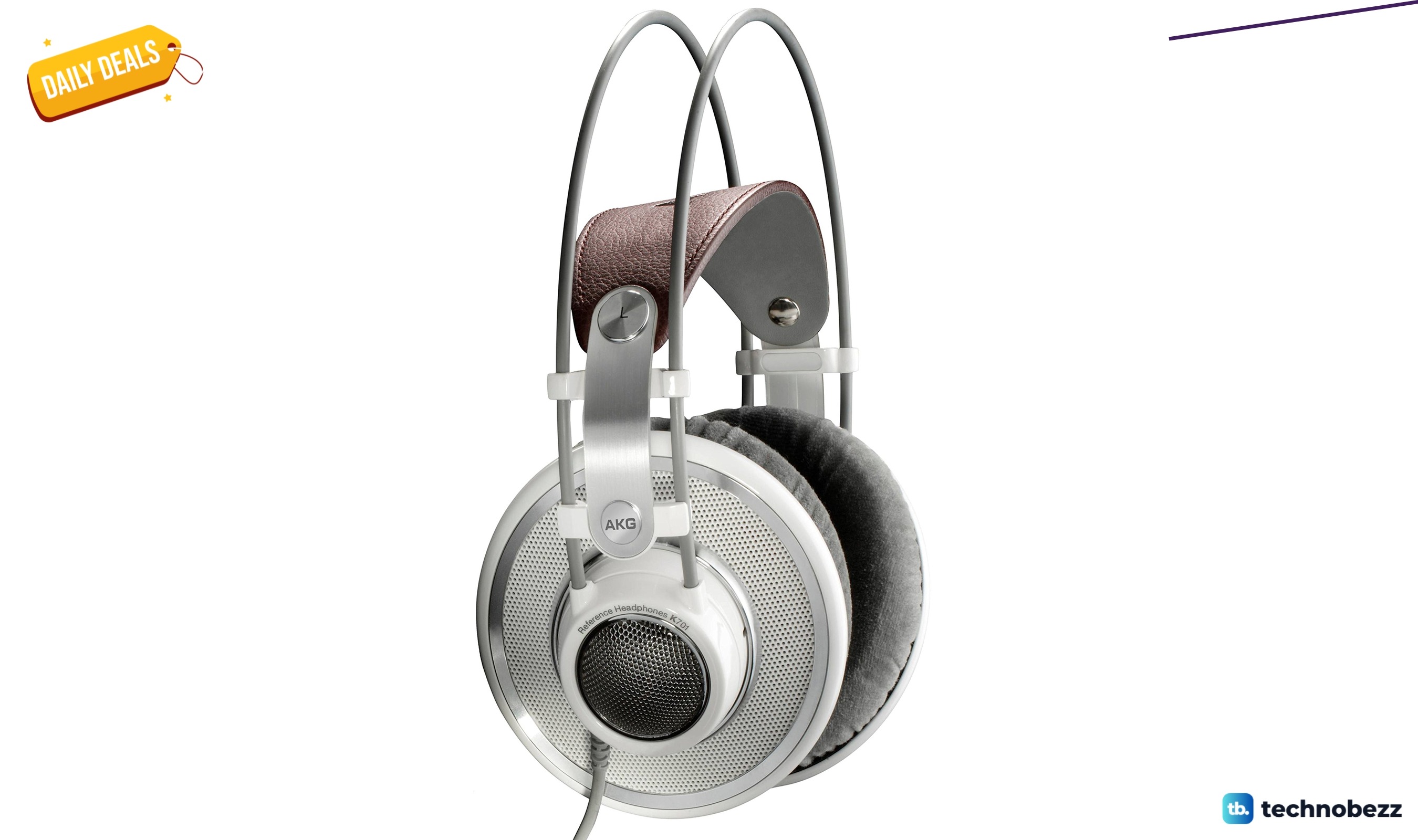
AKG K 701 Ultra Reference Class Stereo discounted to $247.37
AKG K 701 headphones drop to $247.37 on Amazon, a 47% discount that sits below recent 30, 90, and 180-day average prices.
5 min read
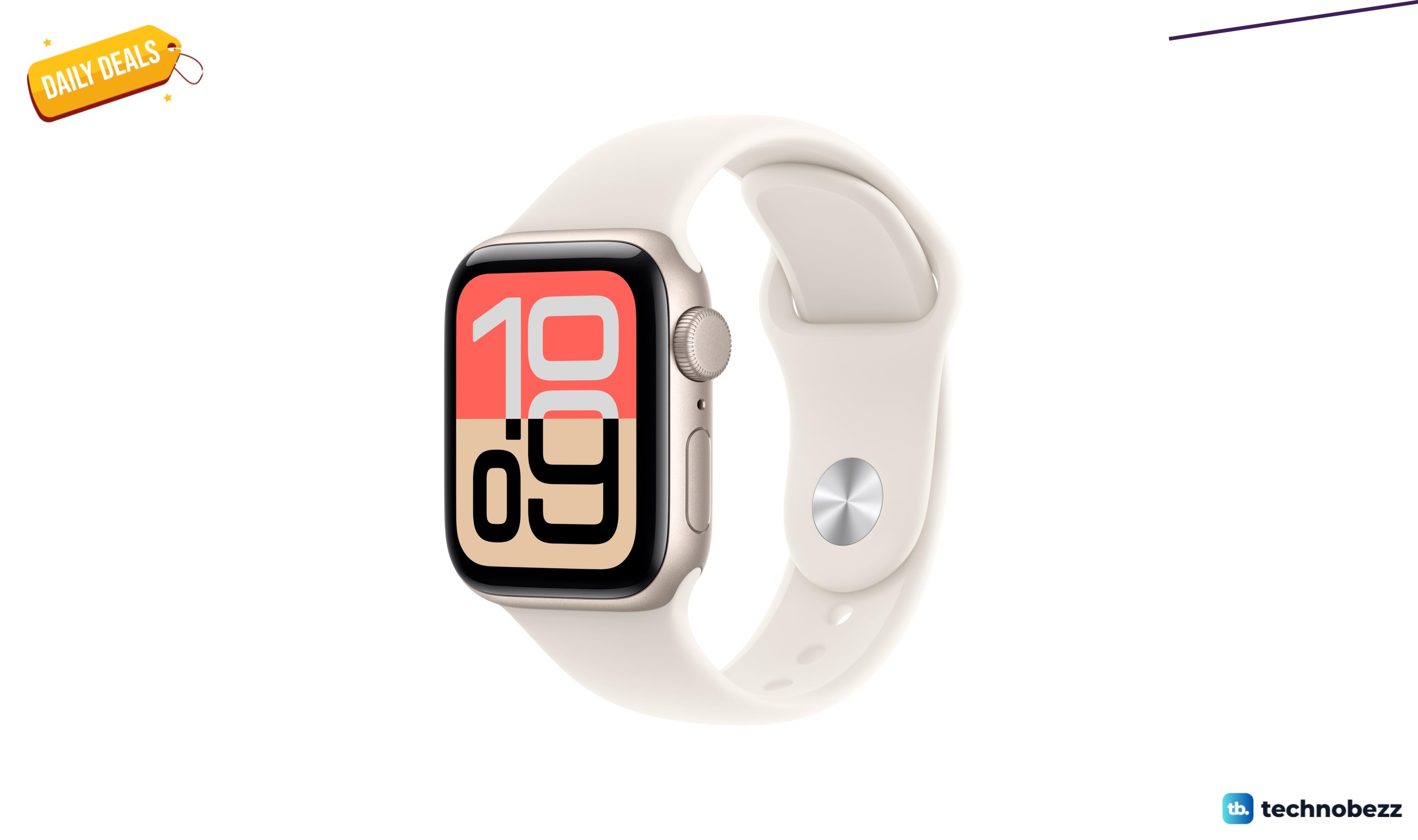
Apple Watch SE 3 GPS 40mm Smartwatch discounted to $189.97
Save $59.03 on the Apple Watch SE 3 GPS 40mm at Amazon, matching its lowest recorded price with health and sleep tracking.
5 min read
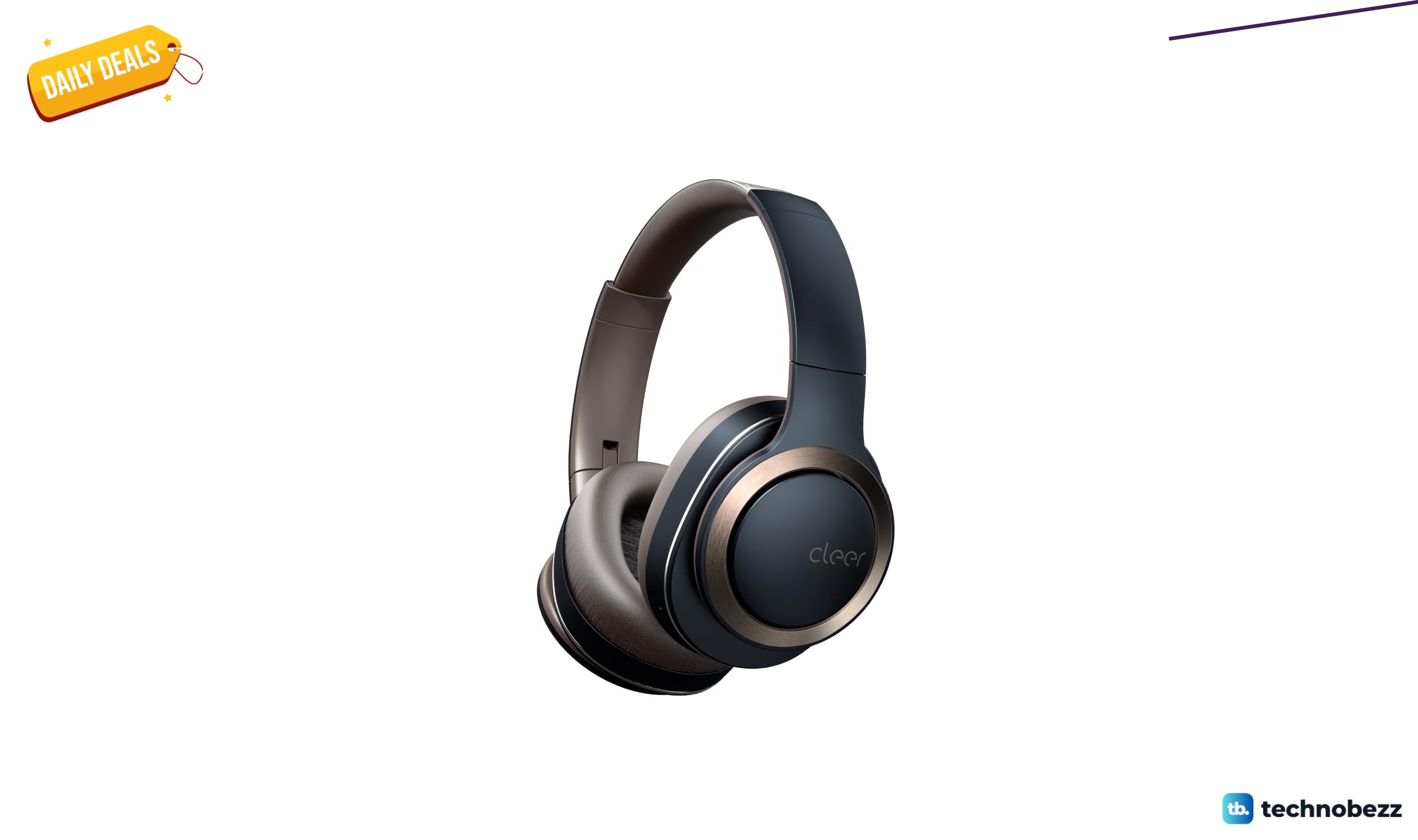
Cleer Audio Enduro ANC Noise Canceling Headphones price drops to $94.99
Save 47% on Cleer Audio Enduro ANC headphones at $94.99, with 60-hour battery, active noise cancellation, and multipoint Bluetooth.
3 min read

Lenovo coupon codes and deals
Browse 5 current Lenovo offers, including 3 coupon codes and 2 online deals.
5 min read

Woot coupon codes and deals
3 min read

Samsung coupon codes and deals
5 min read

Best tech coupon codes and online deals
4 min read
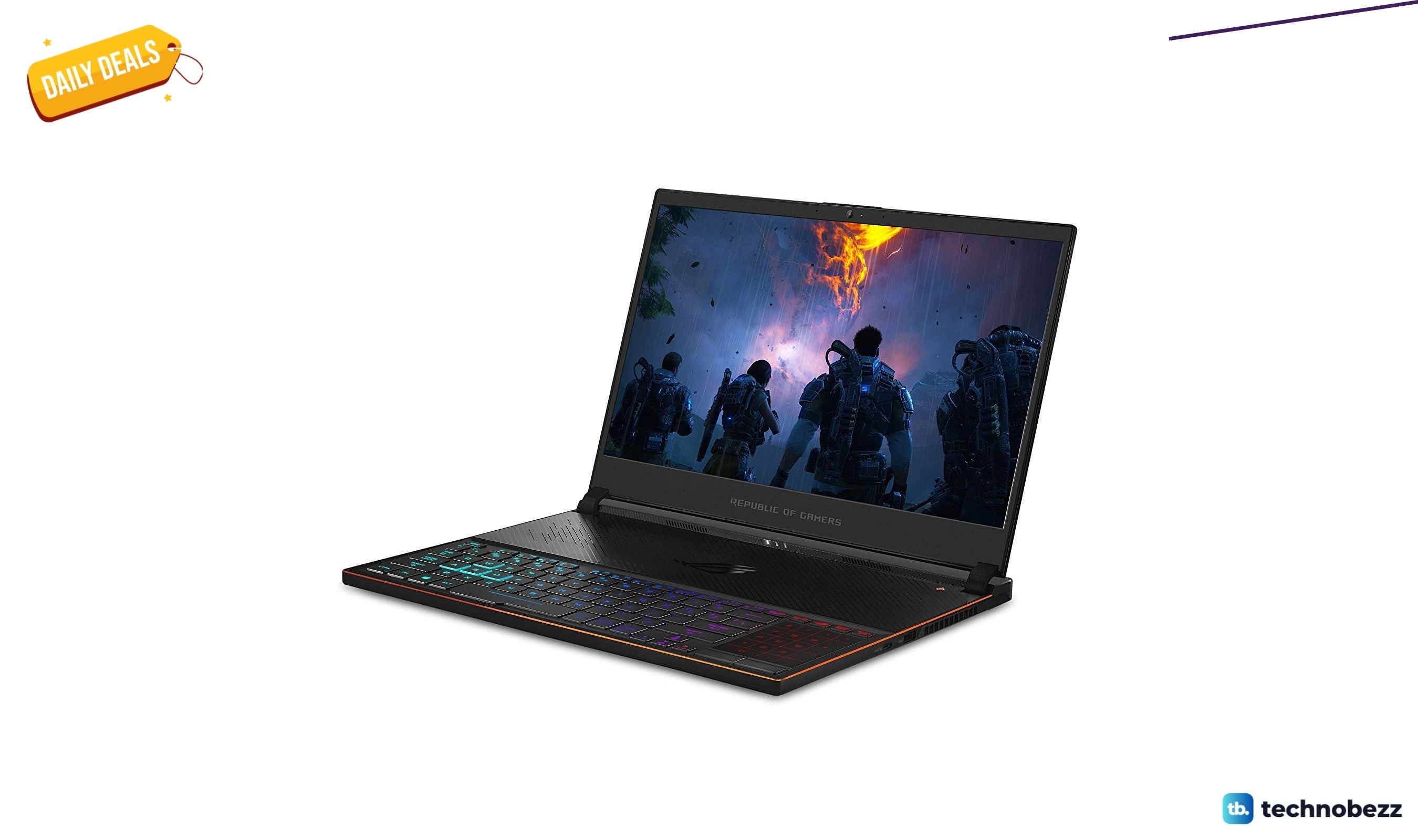
ASUS ROG Zephyrus S Ultra Slim Gaming gets a $660.95 price cut to $1338.05
5 min read
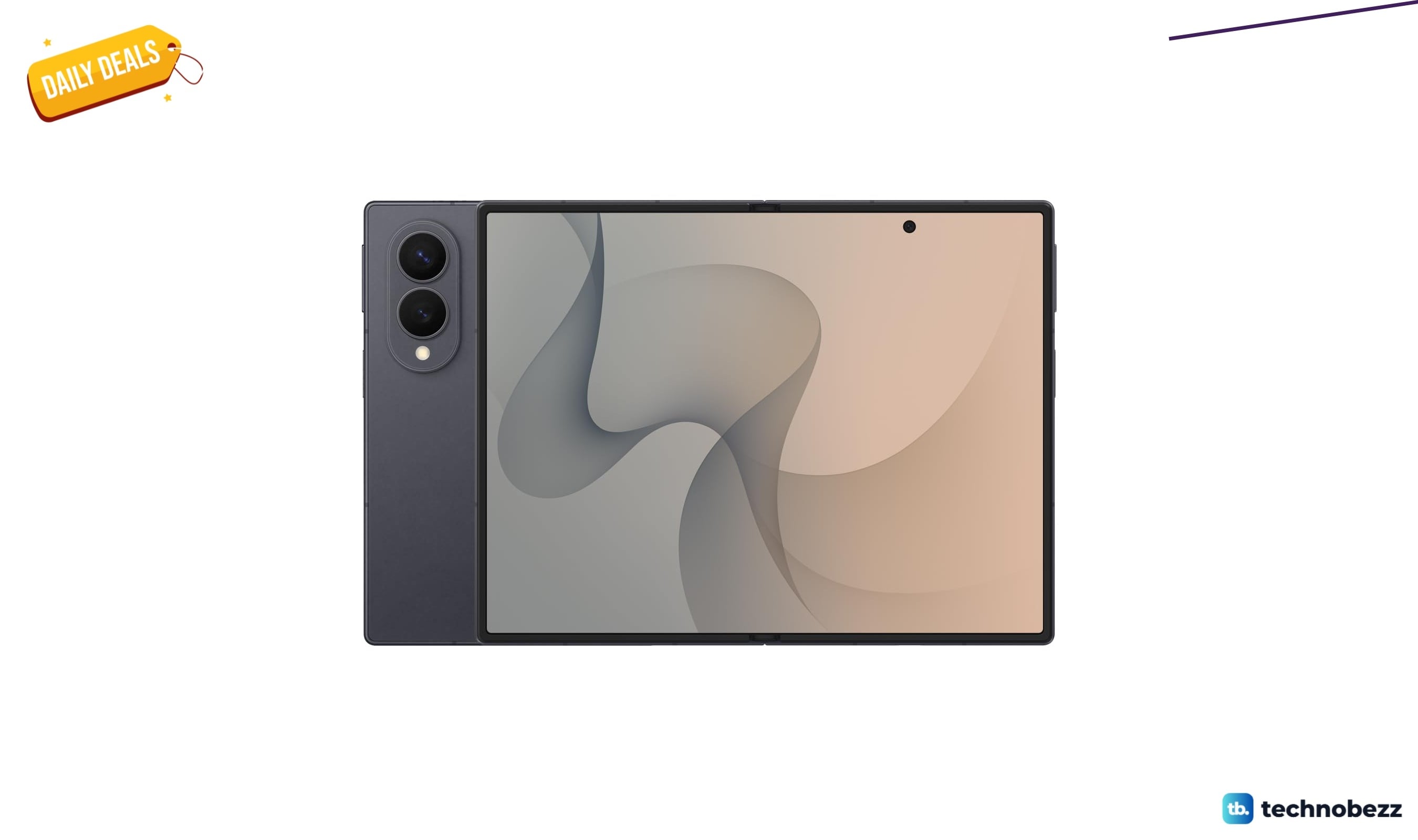
Samsung Galaxy Z Fold8 Unlocked Android Smartphone on sale for $1649.99
3 min read
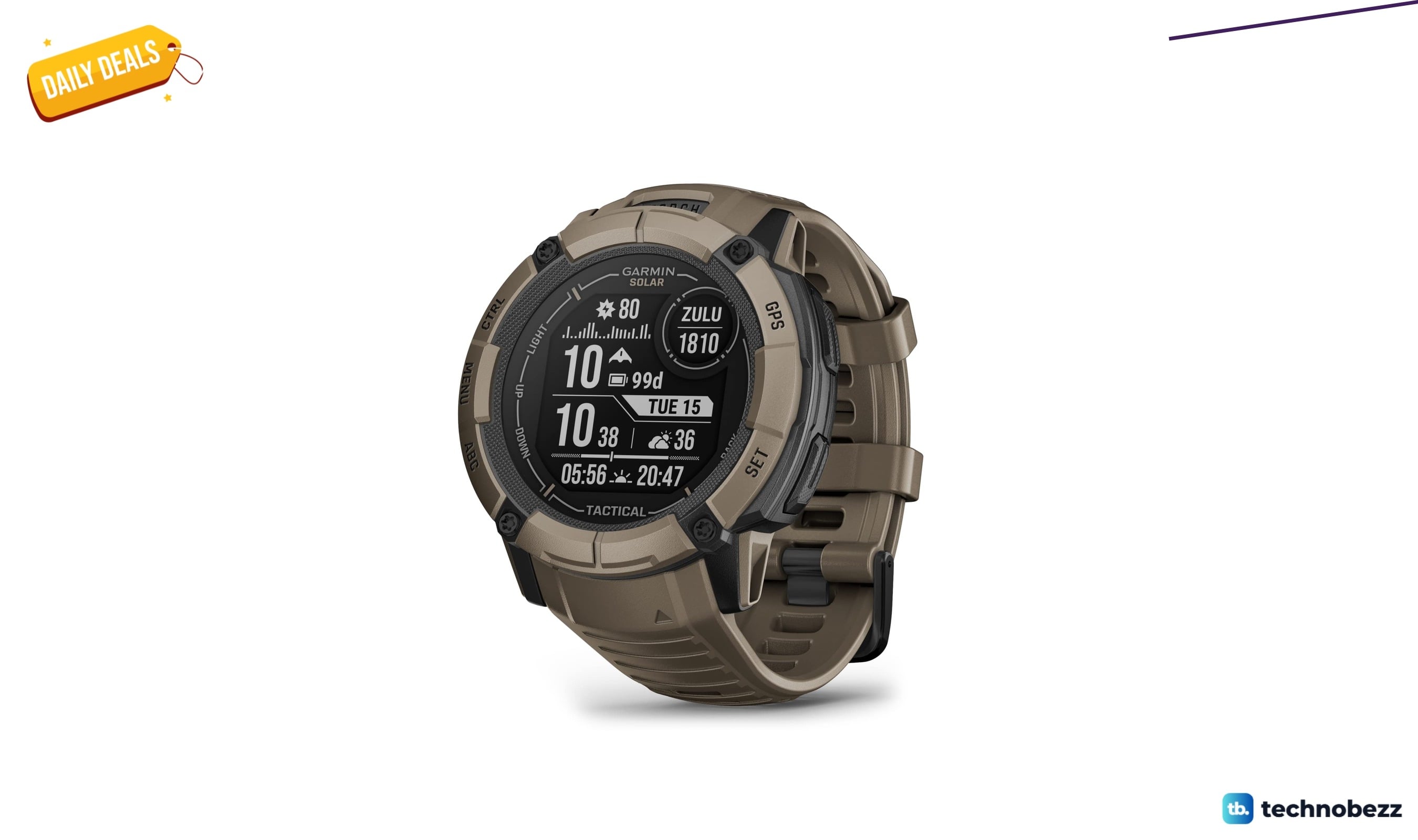
We found 2 smartwatch deals from $219.99 that are actually worth it
5 min read
Sony WH-CH720 Noise Canceling Wireless Bluetooth Headphones now $87.94, down from $119.99
3 min read
TCL 75-inch F7D QLED 4K TV leads 2 TV deals from $499.99
5 min read