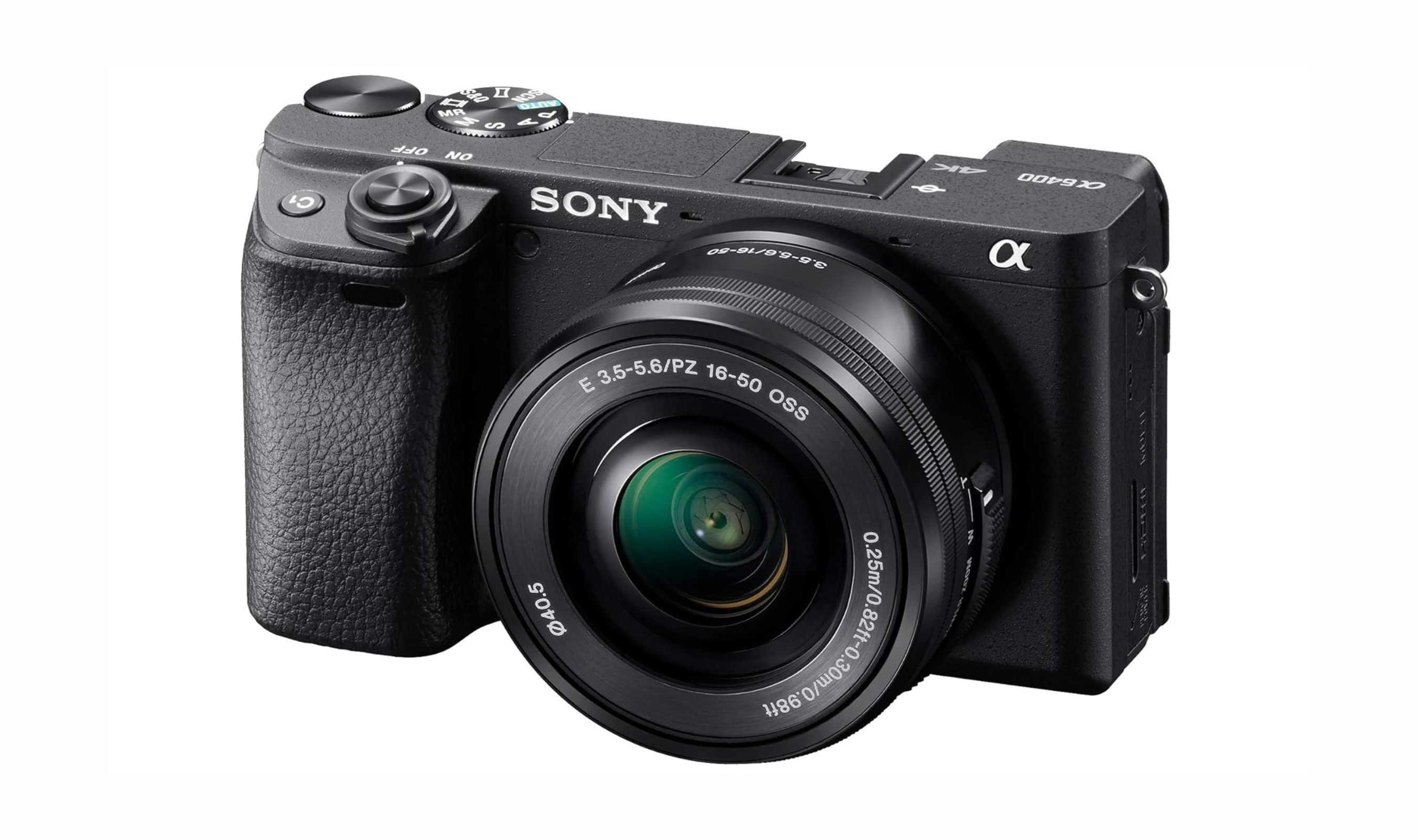
Finding a capable mirrorless camera under $1000 used to mean serious compromises, but 2026 has changed that completely. The Sony A6400 stands out as our top pick, delivering professional-level autofocus and 4K video in a compact body. This list is for photographers who want serious performance without breaking the bank, whether you're upgrading from a smartphone or looking for a capable second body.
Product
Technobezz is supported by its audience. We may get a commission from retail offers.
Best Mirrorless Cameras Under $1000 for 2026
Sony A6400 leads our 2026 picks for the best mirrorless cameras under $1000, featuring pro autofocus and 4K video.
T
Technobezz
Senior Editor
Updated June 15, 2026Jun 15, 2026
•10 min read

Get Deals Like These in Your Inbox
The best prices, reviewed weekly.
At a Glance
| Category | Product | Why We Picked It |
|---|---|---|
| Best overall | Sony Alpha a6400 | Excellent autofocus and 4K video in a compact package |
| Best value | Canon EOS R10 | Fast burst shooting and reliable tracking for the price |
| Best for vlogging | Sony ZV-E10 | Designed specifically for content creators with flip screen |
| Best for enthusiasts | Fujifilm X-T30 III | Beautiful film simulations and tactile controls |
| Best compact | Olympus System E-M10 Mark IV | In-body stabilization in a travel-friendly body |
| Also recommended | Nikon Z fc | Retro style meets modern autofocus for street shots |
| Also recommended | Canon EOS R50 | Perfect beginner camera with reliable autofocus |
| Also recommended | Panasonic Lumix G85 | Unlimited 4K and great stabilization for video |
How we chose and tested
We evaluated cameras based on real-world performance across multiple shooting scenarios, prioritizing autofocus reliability, image quality, and video capabilities. Our assessment considers lens ecosystem availability, build quality, and long-term value. We prioritize products that deliver professional features at accessible price points, focusing on cameras that perform well in both photo and video applications.
The best mirrorless cameras under $1000 right now
Sony Alpha a6400 - Best overall
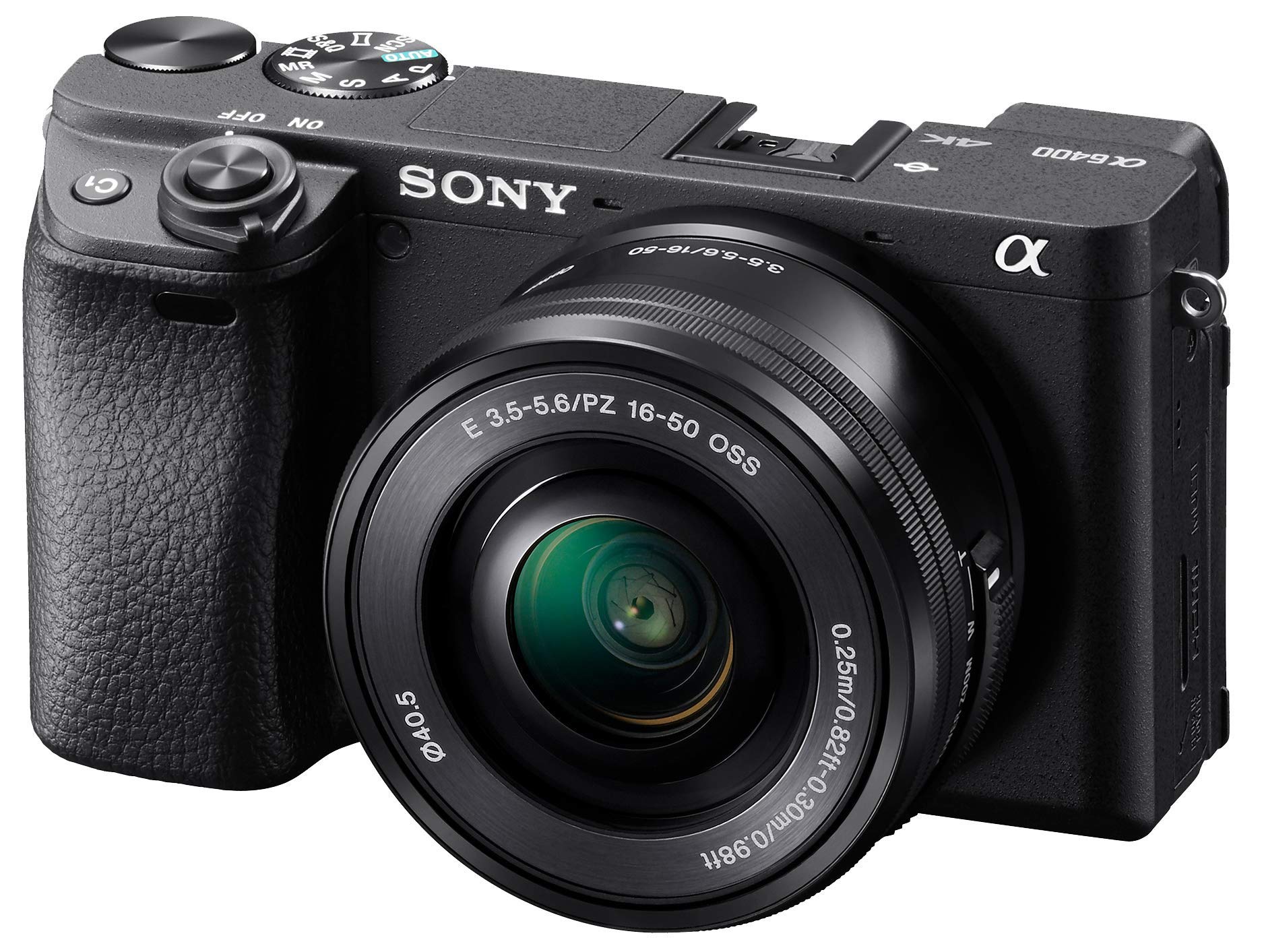
The Sony Alpha a6400 delivers flagship-level performance at a mid-range price, with autofocus that keeps up with fast action and video quality that rivals more expensive cameras. It's the camera to get if you want one tool for both photos and video without compromise.
Key highlights
- Real-time Eye AF tracks subjects with impressive accuracy
- 4K video oversampled from 6K for exceptional sharpness
- 11fps continuous shooting with reliable autofocus tracking
- Flip-up touchscreen perfect for vlogging and selfies
- Extensive Sony E-mount lens ecosystem with third-party support
Pros
- Autofocus performance matches cameras costing twice as much
- Compact body
- Excellent low-light performance up to ISO 6400
- Fast buffer clearing with quality SD cards
Cons
- No in-body image stabilization
- Battery life could be better for extended shooting
- Menu system has a learning curve for new users
Who it is for: Hybrid shooters who need both photo and video capabilities, wildlife photographers on a budget, and anyone wanting access to Sony's extensive lens system.
Skip if
You need in-body stabilization for handheld video work or prefer simpler menu systems.
Canon EOS R10 - Best value
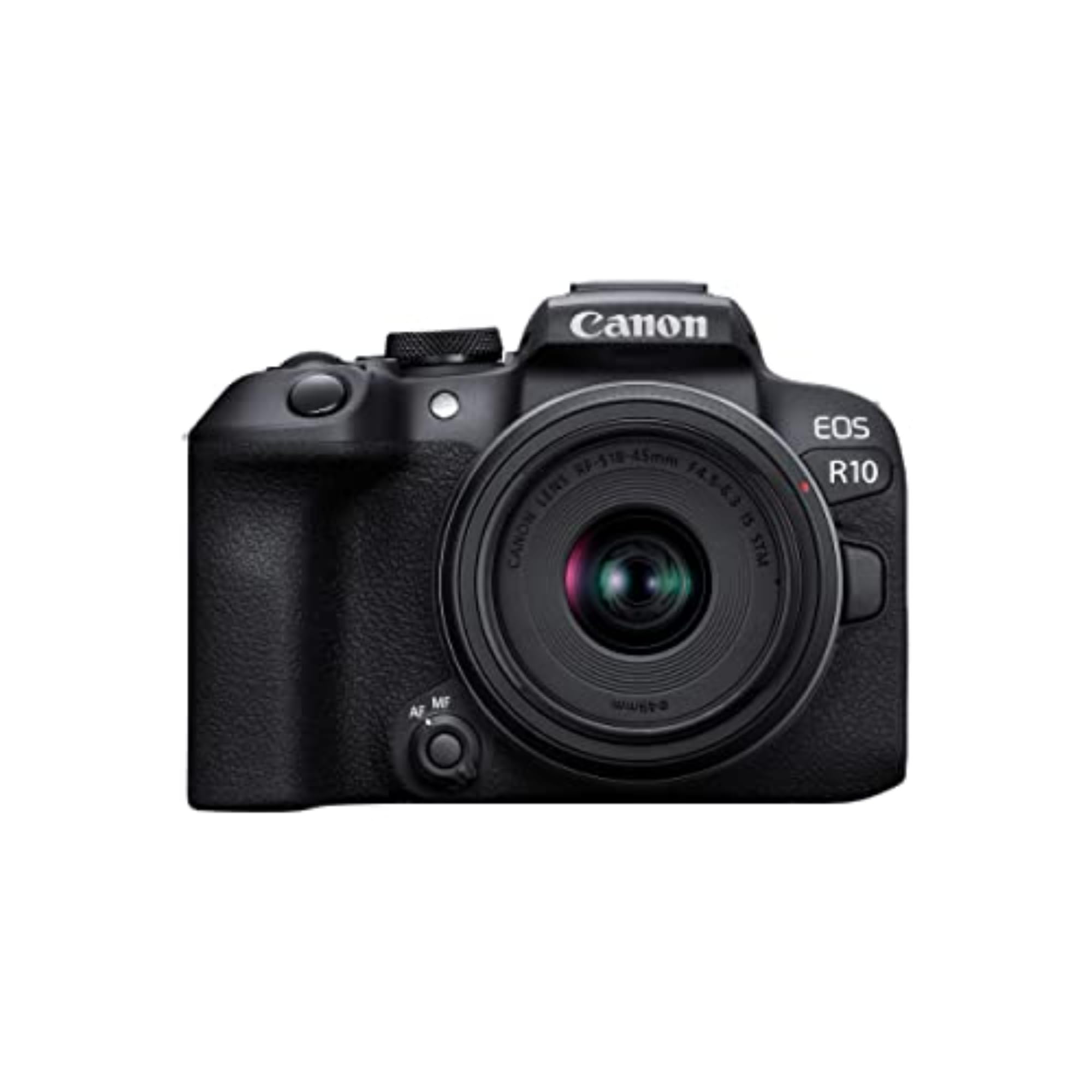
The Canon EOS R10 offers incredible speed and reliable autofocus at a price that makes it the best value in its class. With burst rates up to 23fps and subject tracking borrowed from Canon's professional cameras, it handles action photography with ease.
Key highlights
- 15fps mechanical shutter, 23fps electronic shutter burst rates
- Dual Pixel CMOS AF II with human, animal, and vehicle detection
- 4K video
- Comfortable ergonomics with dual command dials
- Compatible with Canon's growing RF lens system
Pros
- Fastest burst shooting in this price range
- Excellent subject tracking for sports and wildlife
- User-friendly interface that grows with your skills
- Good battery life for extended shooting sessions
Cons
- No in-body image stabilization
- 4K video mode has a significant crop factor
- Limited selection of native RF-S lenses currently available
Who it is for: Action photographers, parents shooting kids' sports, wildlife enthusiasts, and anyone needing reliable tracking for moving subjects.
Skip if
You shoot primarily handheld video or need extensive lens options immediately.
Sony ZV-E10 - Best for vlogging
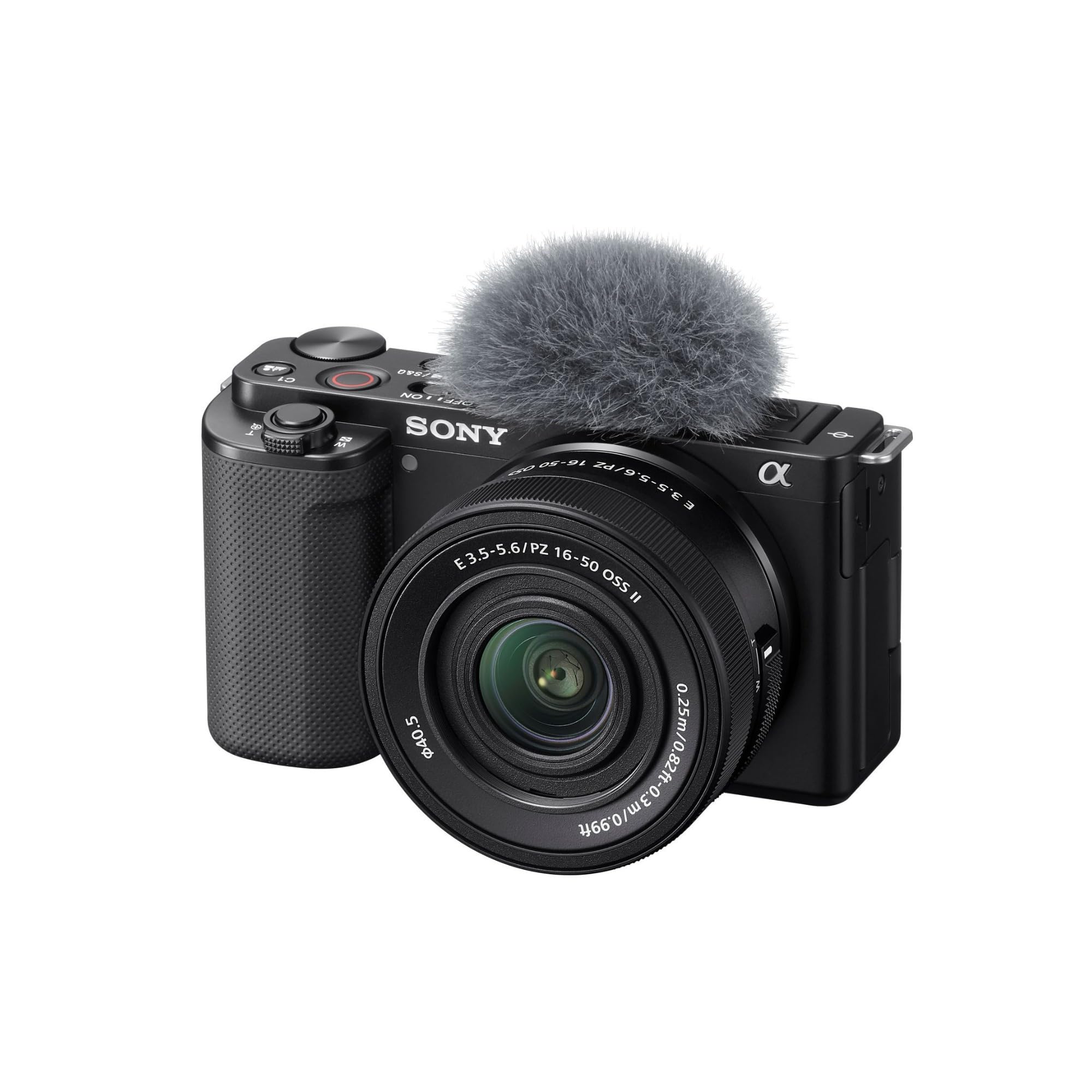
Designed specifically for content creators, the Sony ZV-E10 removes traditional camera features to focus on what matters for video work. Its product showcase mode and directional microphone make it the obvious choice for YouTubers and social media creators.
Key highlights
- Product showcase mode automatically shifts focus between face and objects
- Directional three-capsule microphone with included windscreen
- 4K video oversampled from 6K with full pixel readout
- Fully articulating screen for easy self-framing
- No recording limits or overheating issues
Pros
- Specialized features designed for modern content creation
- Excellent audio quality straight from camera
- Compact, lightweight body perfect for gimbals
- Real-time Eye AF works reliably in video mode
Cons
- No electronic viewfinder for stills photography
- Plastic construction feels less premium
- Kit lens has limited low-light capability
Who it is for: YouTubers, TikTok creators, product reviewers, and anyone whose primary output is video content.
Skip if
You need a viewfinder for outdoor photography or prioritize stills over video.
Fujifilm X-T30 III - Best for enthusiasts
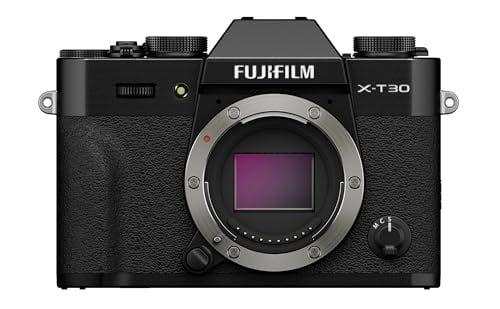
The Fujifilm X-T30 III makes photography fun again with its tactile controls and beautiful film simulations that deliver distinctive looks straight from camera. It's the camera for photographers who value the shooting experience as much as the final image.
Key highlights
- X-Trans CMOS 4 sensor with excellent color science
- 20 film simulation modes including Classic Chrome and Acros
- Physical dials for shutter speed, ISO, and exposure compensation
- 6.2K video at 30fps and 4K at 60fps
- Compact, retro-inspired design
Pros
- Film simulations reduce or eliminate need for post-processing
- Intuitive physical controls make manual shooting enjoyable
- Excellent JPEG quality straight from camera
- Compact size with premium build quality
Cons
- No in-body image stabilization
- Autofocus trails Sony and Canon for fast action
- Battery life requires carrying spares
Who it is for: Street photographers, travel shooters, and anyone who enjoys the tactile experience of photography with distinctive color profiles.
Skip if
You shoot fast-moving sports or wildlife regularly, or need the latest video features.
Olympus System E-M10 Mark IV - Best compact
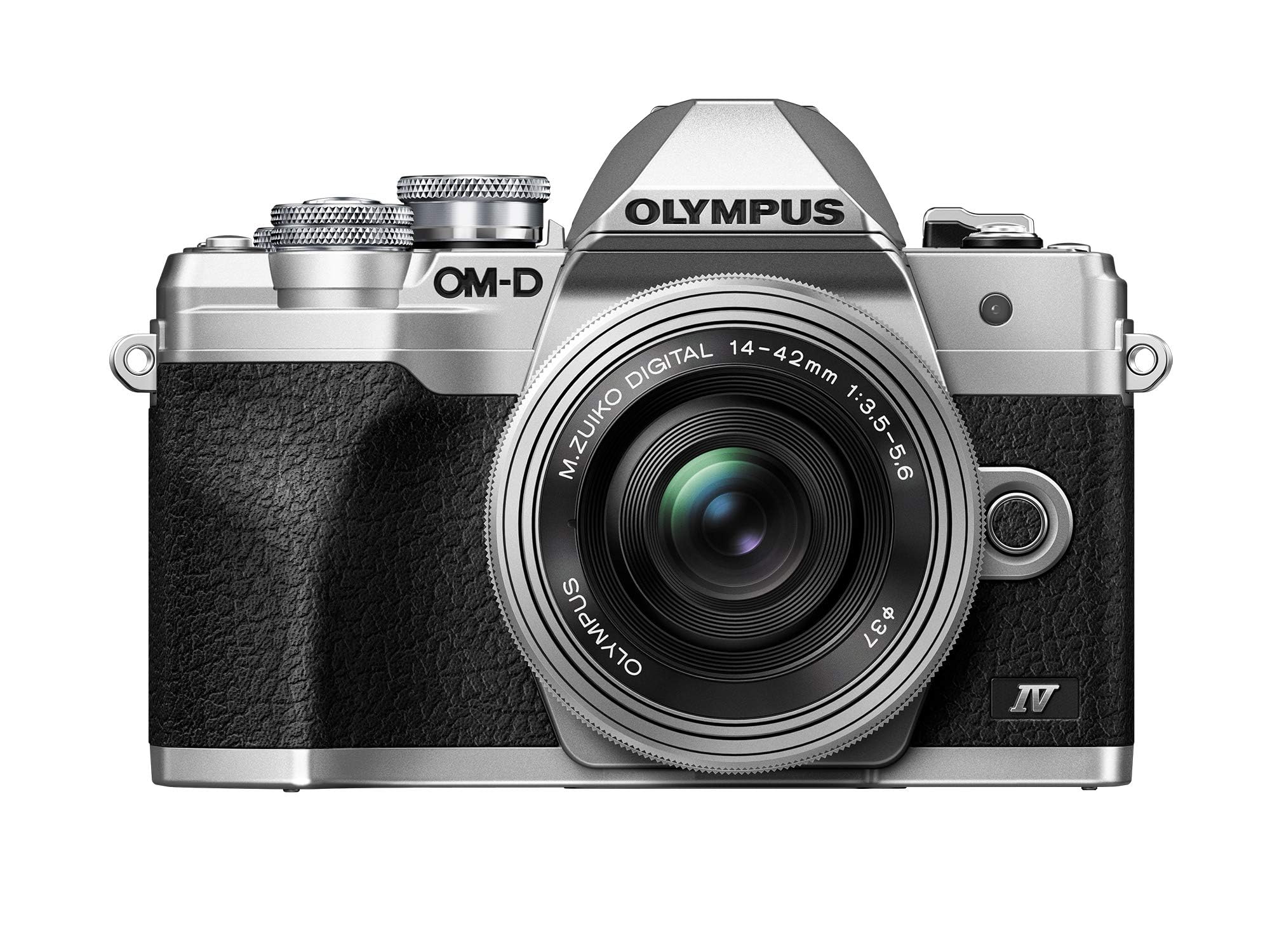
The Olympus System E-M10 Mark IV proves that good things come in small packages, offering 5-axis in-body stabilization in one of the lightest systems available. It's the perfect travel companion for photographers who prioritize portability without sacrificing image quality.
Key highlights
- 5-axis in-body image stabilization provides up to 4.5 stops
- 20.3MP Micro Four Thirds sensor in compact body
- Flip-down LCD screen perfect for selfies and vlogging
- Continuous shooting with improved autofocus
- Extensive creative filters and art modes
Pros
- Excellent stabilization for handheld shooting
- Genuinely pocketable with compact lenses
- Helpful interface with extensive beginner guidance
- Good battery life for its size
Cons
- Smaller sensor limits low-light performance
- Autofocus system less advanced than competitors
- Limited dynamic range compared to APS-C sensors
Who it is for: Travel photographers, hikers, backpackers, and anyone wanting the lightest possible capable system.
Skip if
You need the best low-light performance or shoot fast action regularly.
Also Good
- Nikon Z fc - retro style meets modern autofocus for street shots.
- Canon EOS R50 - perfect beginner camera with reliable autofocus.
- Panasonic Lumix G85 - unlimited 4K and great stabilization for video.
How to Choose
Consider these factors when selecting your mirrorless camera under $1000:
Autofocus performance matters most for action photography. Cameras like the Sony A6400 and Canon R10 offer professional-level tracking that keeps up with fast-moving subjects. If you shoot sports, wildlife, or active children, prioritize autofocus capabilities.
Video features vary significantly at this price point. For serious video work, look for uncropped 4K, microphone inputs, and articulating screens. The Sony ZV-E10 and Panasonic G85 offer specialized video features, while hybrid cameras like the A6400 balance stills and video well.
Lens ecosystem determines your long-term investment. Sony's E-mount has the largest selection with extensive third-party support. Canon's RF system is growing but has fewer budget options. Consider not just the camera body but the lenses you'll want to add over time.
Sensor size affects image quality and system size. APS-C sensors offer the best balance of quality and affordability. Micro Four Thirds cameras like the Olympus are more compact but have smaller sensors. Full-frame options exist in the used market but require more expensive lenses.
Handling and controls impact your shooting experience. Some photographers prefer tactile dials like on the Fujifilm, while others want touchscreen simplicity. Consider how the camera feels in your hands and whether the controls match your shooting style.
FAQ
What's the difference between APS-C and full-frame sensors?
APS-C sensors are smaller but more affordable, offering excellent image quality for most uses. Full-frame sensors provide better low-light performance and shallower depth of field but cost more, especially for lenses. For most photographers under $1000, APS-C offers the best value.
Do I need in-body image stabilization?
In-body stabilization helps with handheld shooting in low light and smooth video footage. It's valuable but not essential. Many excellent cameras like the Sony A6400 lack IBIS but still produce great results with good technique or stabilized lenses.
Can I shoot professional work with cameras under $1000?
Absolutely. Modern cameras in this price range offer features that were professional-grade just a few years ago. The limiting factor is rarely the camera itself but rather lens quality, lighting, and photographer skill. Many working photographers use cameras from this list for paid assignments.
Which brand has the best lens selection?
Sony's E-mount has the largest selection with extensive third-party support from Sigma, Tamron, and others. Fujifilm's X-mount offers excellent native lenses but fewer third-party options. Canon's RF system is growing but currently has more limited affordable choices.
Should I buy new or used?
Both options have merit. New cameras come with warranties and latest features. Used cameras from reputable dealers offer significant savings on models that were flagship just a few years ago. Consider your budget and whether you value latest features or maximum value.
Published April 26, 2026 Last updated June 15, 2026
Share this article
More in News
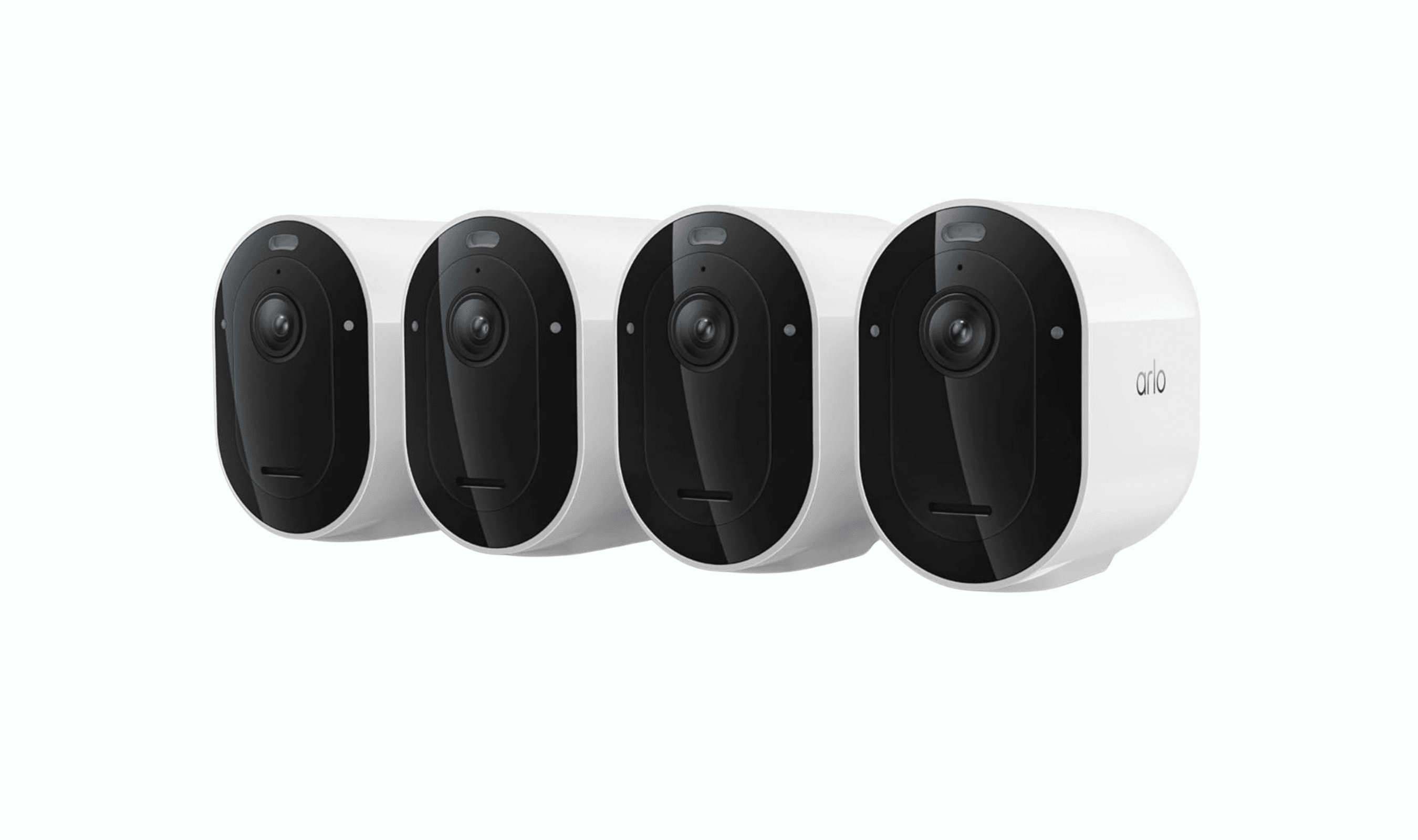
9 Best Home Security Cameras for 2026
Arlo Pro 6 leads our 2026 picks for the best home security cameras. Compare top models for video quality, smart features, and value.
5 min read
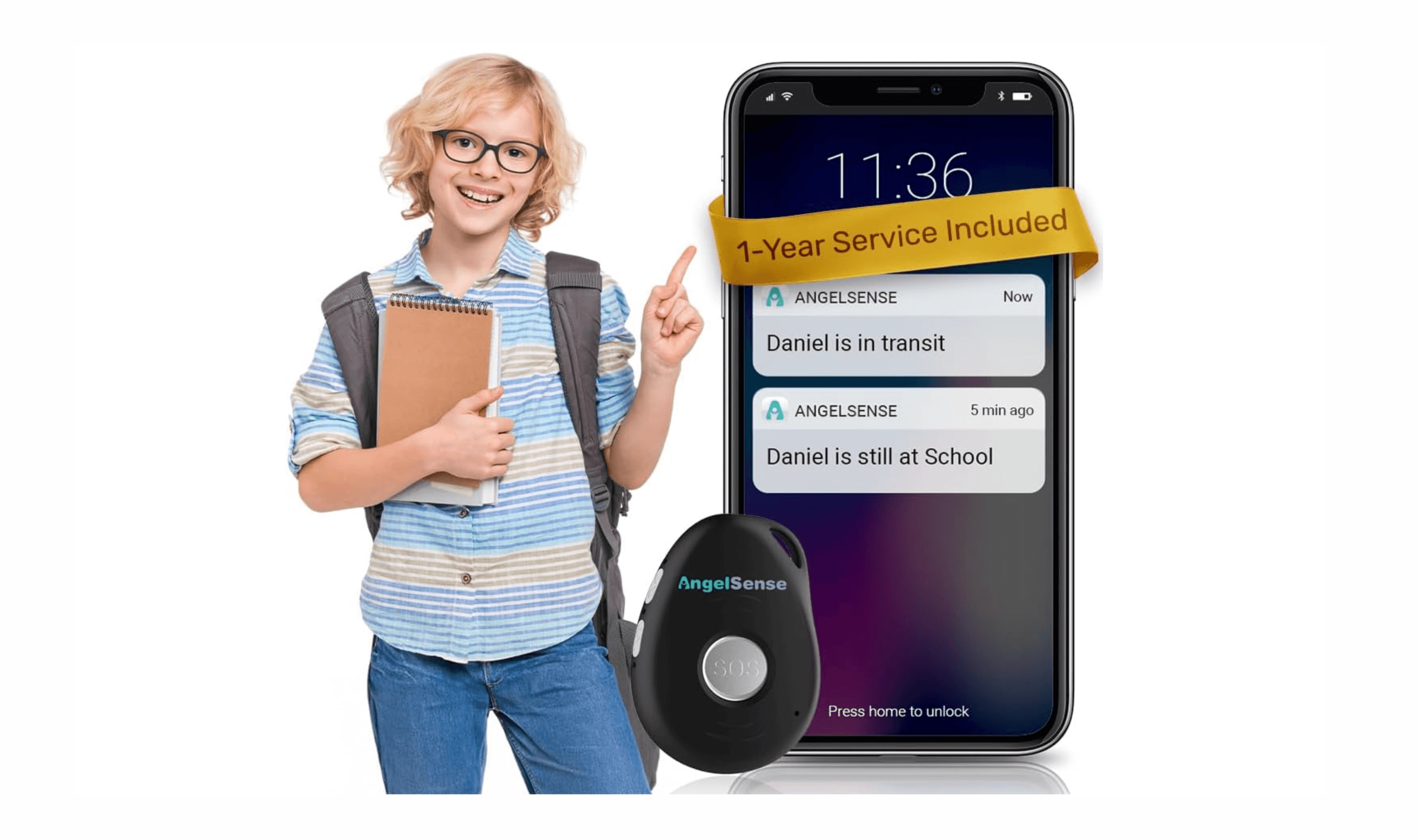
7 Best GPS Trackers for Kids in 2026
The 7 best GPS trackers for kids in 2026, from the AngelSense Safety Monitor for total peace of mind to the budget Apple AirTag and the TickTalk 5 smartwatch.
5 min read
8 Best High Capacity Power Banks for 2026
The Anker Prime 27,650mAh tops our list of the 3 best high capacity power banks in 2026, with 250W output for laptops and travel.
5 min read
Best Travel Adapters for 2026
Epicka Universal Travel Adapter leads our 2026 picks. Find the right adapter for your destinations, device count, and voltage conversion needs.
3 min read
Best USB C Hubs in 2026
4 min read
7 Best UPS Battery Backups for Home Use in 2026
4 min read
7 Best Tablets for Gaming in 2026
4 min read
Best 60 Percent Keyboards of 2026
4 min read
7 Best Lightweight Laptops to Consider in 2026
5 min read
7 Best Tenkeyless Mechanical Keyboards for 2026
4 min read
7 Best LED Strip Lights for 2026
5 min read
8 Best Coffee Makers for the Office in 2026
3 min read