You don't need to spend $800 or more to get a chair that supports your back through an 8-hour workday. The best office chairs under $300 deliver adjustable lumbar support, breathable mesh, and solid build quality that holds up for years. There are several options available to handle specific needs like bigger body types, tight budgets, or small spaces just as well.
Technobezz is supported by its audience. We may get a commission from retail offers.
8 Best Office Chairs Under $300 for 2026
The best office chairs under $300, tested for lumbar support, mesh comfort, and build quality. Top value is the SIHOO M18 around $147, with picks from $143 to $329.
T
Technobezz
Senior Editor
Updated June 15, 2026Jun 15, 2026
•10 min read

Get Deals Like These in Your Inbox
The best prices, reviewed weekly.
At a Glance
| Category | Product | Why We Picked It |
|---|---|---|
| Best value | SIHOO M18 | Adjustable lumbar support and headrest for under $150 |
| Best for larger body types | GABRYLLY Ergonomic Office Chair | 300 lb capacity with retractable footrest and 3D armrests |
| Best for back pain | SIHOO Doro C300 | Self-adaptive lumbar that moves with you |
| Best looking | Branch Daily Chair | Minimalist design that fits a living room setup |
| Best for lumbar support | Hbada E3 Air | Adjustable lumbar support with 3D adjustable armrests |
| Also recommended | Staples Hyken | Great value mesh chair, headrest included |
| Also recommended | Autonomous ErgoChair Core | Tons of adjustments for the price |
| Also recommended | Colamy Atlas | Best build quality under $300 |
How we chose and tested
We evaluated more than a dozen office chairs under $300 based on adjustability, build quality, lumbar support, seat comfort, warranty length, and real-world user feedback from thousands of verified reviews. Our assessment prioritizes chairs with adjustable lumbar support (height and depth), multi-directional armrests, breathable materials, and weight capacities that signal durable construction. We also considered warranty terms as a reliable indicator of how long a manufacturer expects their chair to last.
The best office chairs under $300 right now
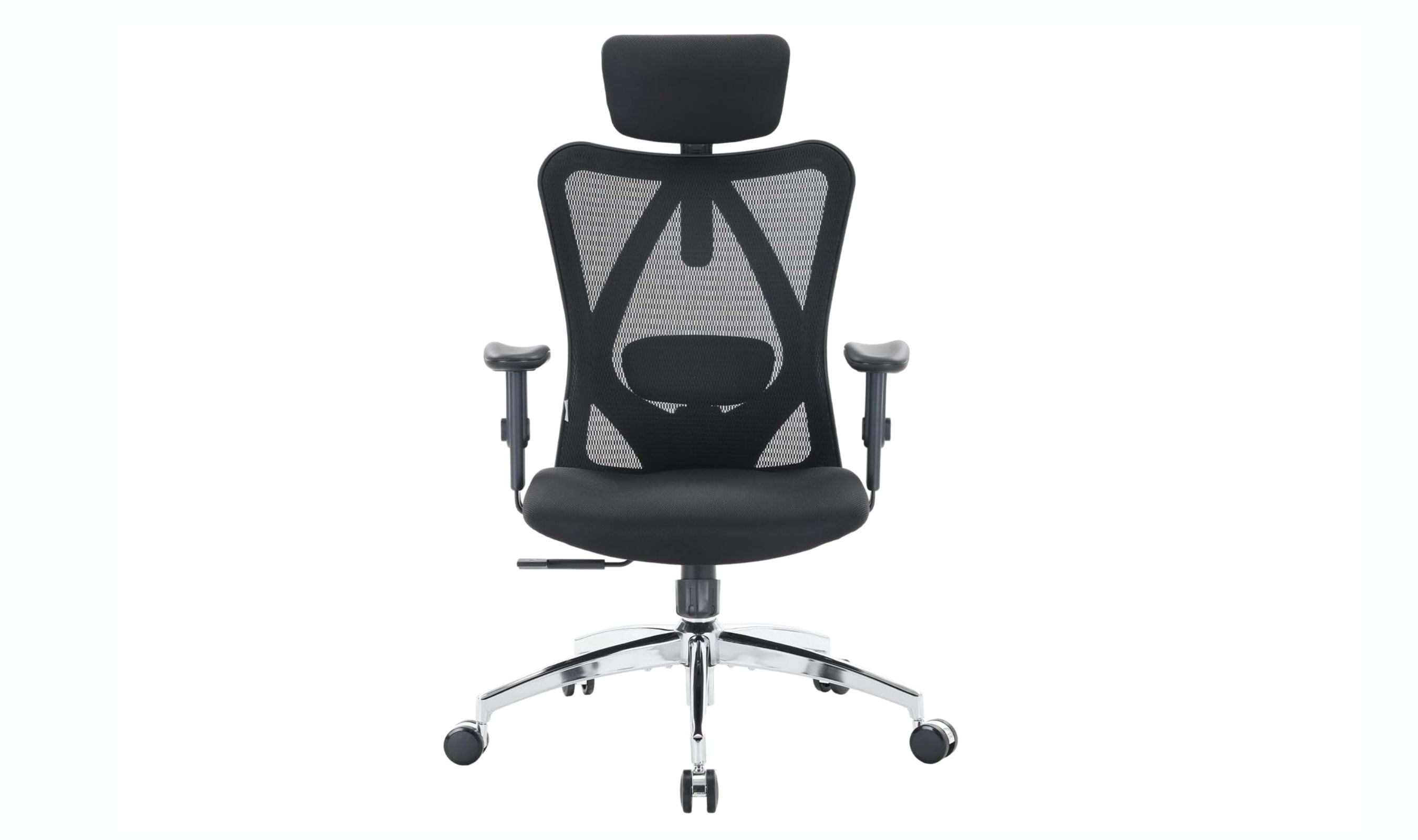
SIHOO M18 - Best value
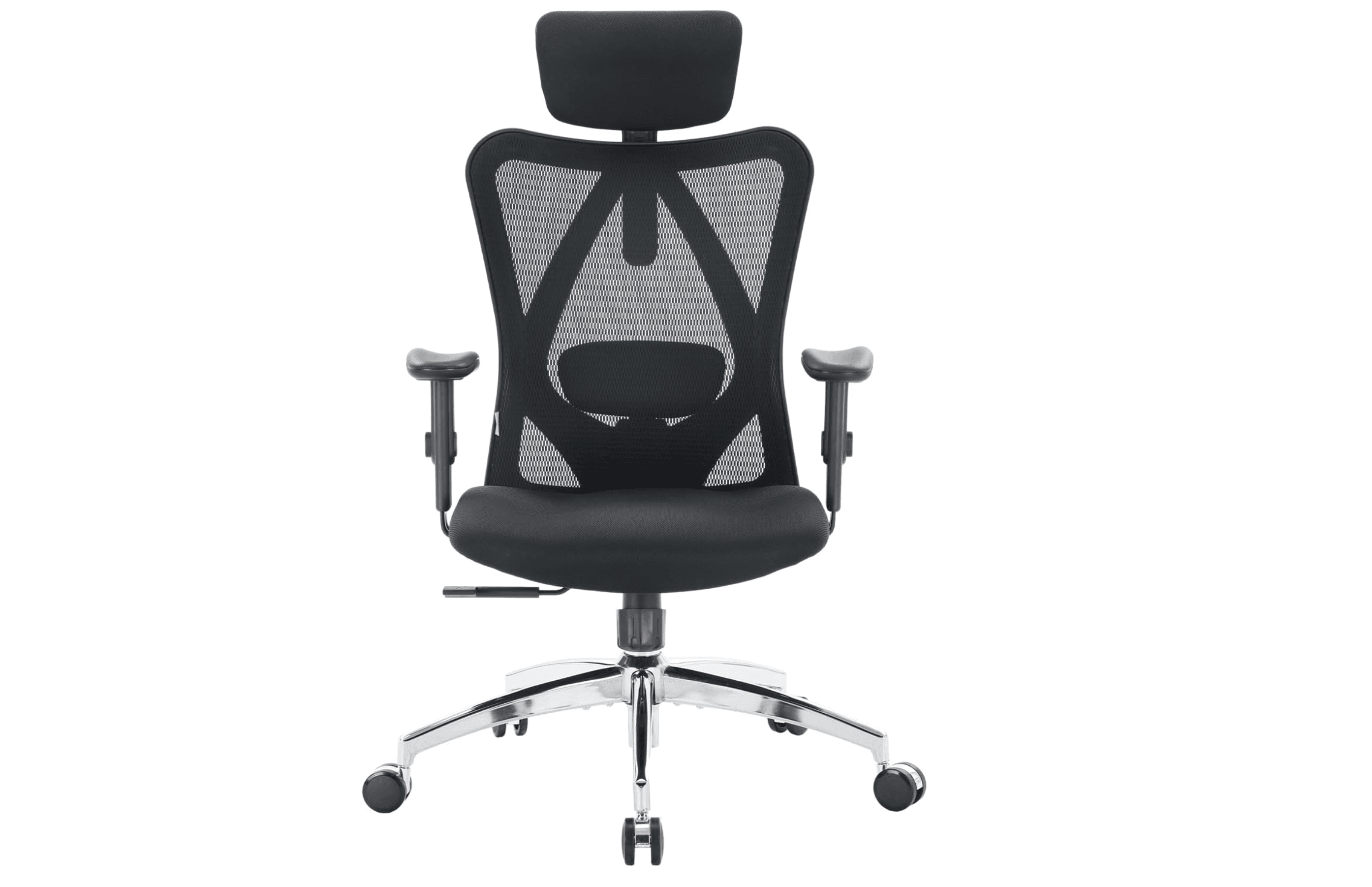
The SIHOO M18 proves you can get real ergonomic features without spending much. With over 16,000 verified reviews and a price that often lands under $150, this chair delivers adjustable lumbar support, a headrest, breathable mesh back, and a recline function. The four support points (head, back, hips, hands) create a balanced sitting experience that works for full workdays. The 330 lb weight capacity and 3-year warranty add confidence for a chair at this price point.
Key highlights
- Adjustable lumbar support with height adjustment
- Breathable mesh backrest keeps you cool
- Includes headrest and 2D armrests
- 330 lb weight capacity
- 3-year warranty with free replacement parts
Pros
- Excellent value for the feature set
- Proven track record with thousands of positive reviews
- Headrest included at no extra cost
Cons
- Armrests are 2D (height only, no width or depth adjustment)
- Lumbar support can feel firm for some users
- Best suited for users between 5'6" and 6'2"
Who it is for: Budget-conscious shoppers who need a reliable ergonomic chair for home office or study use. It is a solid entry point into proper ergonomic seating.
Skip if
You need 3D or 4D armrests for precise typing positioning or prefer a plusher seat cushion.
GABRYLLY Ergonomic Office Chair - Best for larger body types
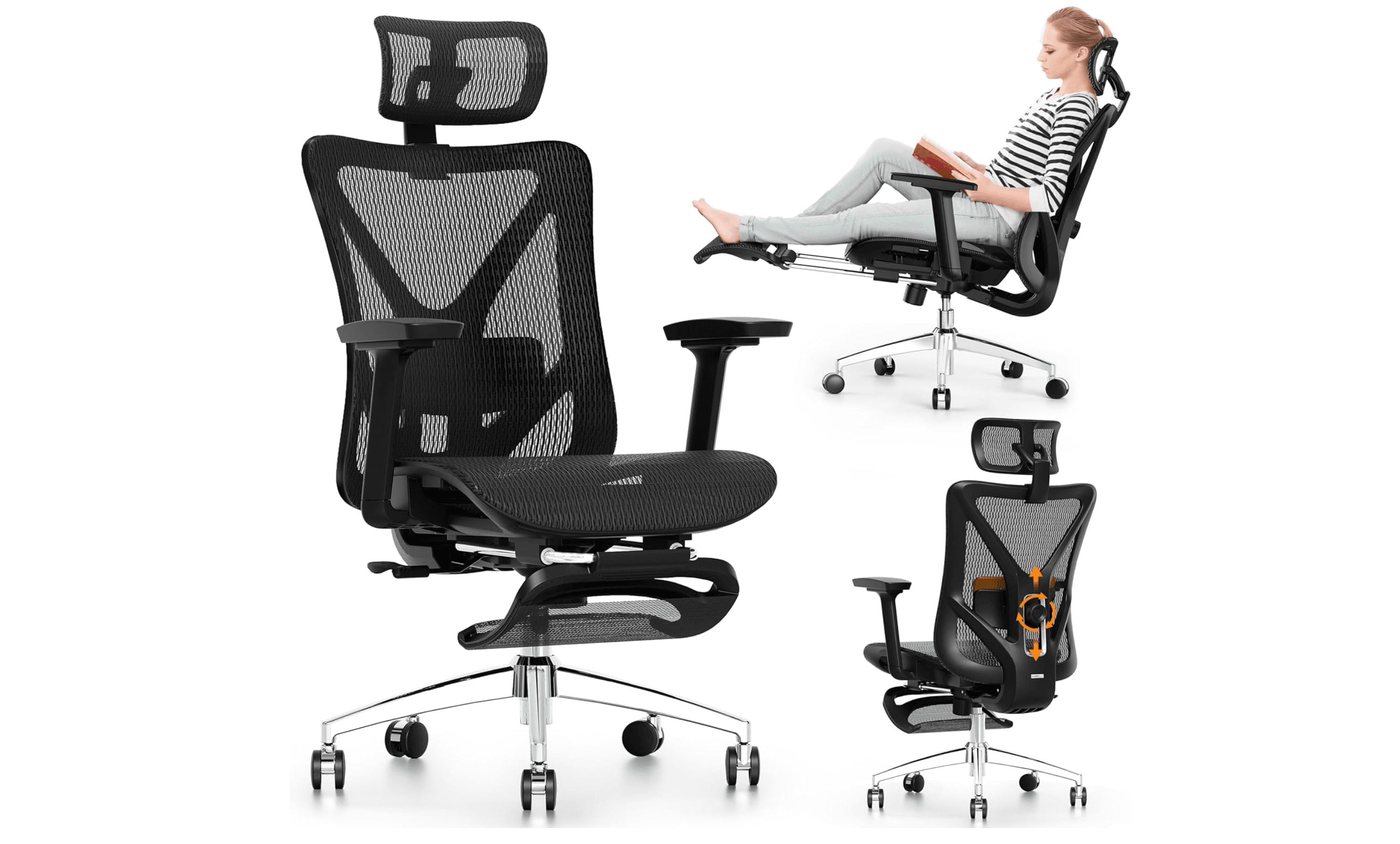
The GABRYLLY stands out with its sturdy steel base and a retractable footrest that extends out for leg support during breaks. The full-mesh construction keeps air flowing through both the seat and back, and the 3D armrests adjust up/down, front/back, and in/out. The 135-degree recline locks into three positions (90/110/135), and the headrest adjusts for height, angle, and bracket position. Rated to 300 lbs with an SGS- and BIFMA-tested frame, it is a solid pick for bigger users who have struggled with chairs that feel flimsy. For bigger users who have struggled with chairs that feel flimsy or wobbly, this is a solid pick.
Key highlights
- 300 lb weight capacity, SGS- and BIFMA-tested frame
- Full-mesh seat and back for maximum airflow
- Retractable steel footrest for leg support
- 3D armrests and 135-degree 3-position recline
- 3-year warranty
Pros
- Retractable footrest plus 135-degree recline
- Mesh construction prevents heat buildup
- Sturdy build that feels solid under load
Cons
- Lumbar support range is modest (2-way)
- Best sized for users up to about 6 feet tall
- Mesh seat is firm, not plush
Who it is for: Larger users who need a sturdy, reliable chair with generous weight capacity. The retractable footrest also makes it easy to stretch out and recline for a break.
Skip if
You prefer a softer, cushioned seat or need self-adaptive lumbar that tracks your spine.
SIHOO Doro C300 - Best for back pain
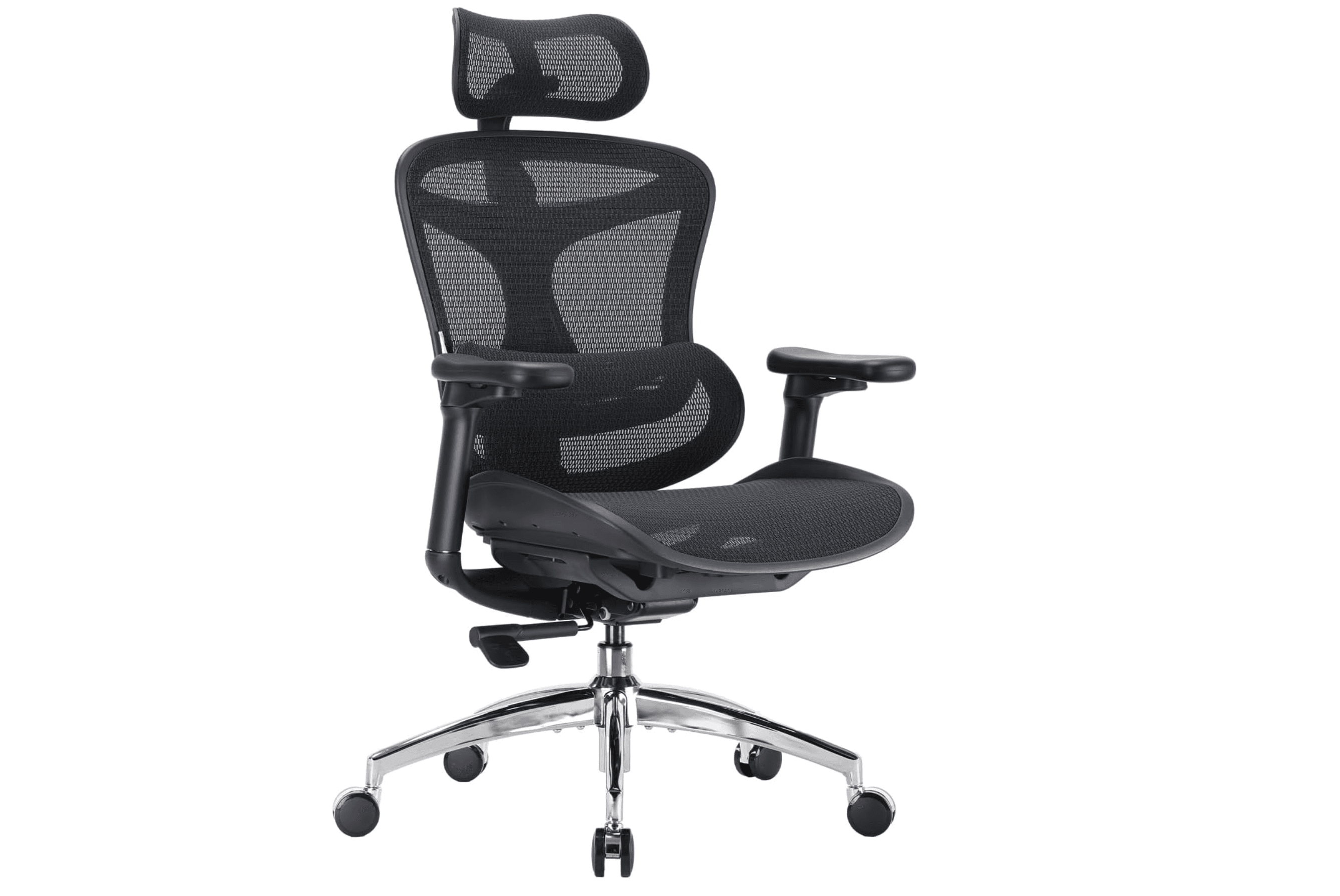
If lower back pain is driving your chair upgrade, the SIHOO Doro C300 deserves serious attention. Its self-adaptive lumbar support system uses a flexible dual-zone backrest that moves with you as you shift positions throughout the day. Lean forward to type and the support follows. Lean back to think and it adjusts automatically. The full-mesh design keeps you cool, and the weight-sensing recline adjusts resistance based on your body weight. At around $299, it offers lumbar technology usually found in chairs costing twice as much.
Key highlights
- Self-adaptive lumbar support that moves with your spine
- Dual-zone flexible backrest for upper and lower back
- 3D adjustable armrests
- Weight-sensing recline mechanism
- Breathable eco-friendly mesh
Pros
- Advanced lumbar system rare at this price
- Smooth, natural recline feel
- Good range of armrest adjustments
Cons
- 3-year warranty is shorter than HON's lifetime coverage
- Long-term durability of the adaptive mechanism is unproven
- Headrest adjustment range could be wider
Who it is for: Anyone dealing with lower back discomfort who wants the most advanced lumbar support available without spending over $500.
Skip if
You prefer a simple, fixed lumbar pad or want a chair with a proven 10-year track record.
Branch Daily Chair - Best looking
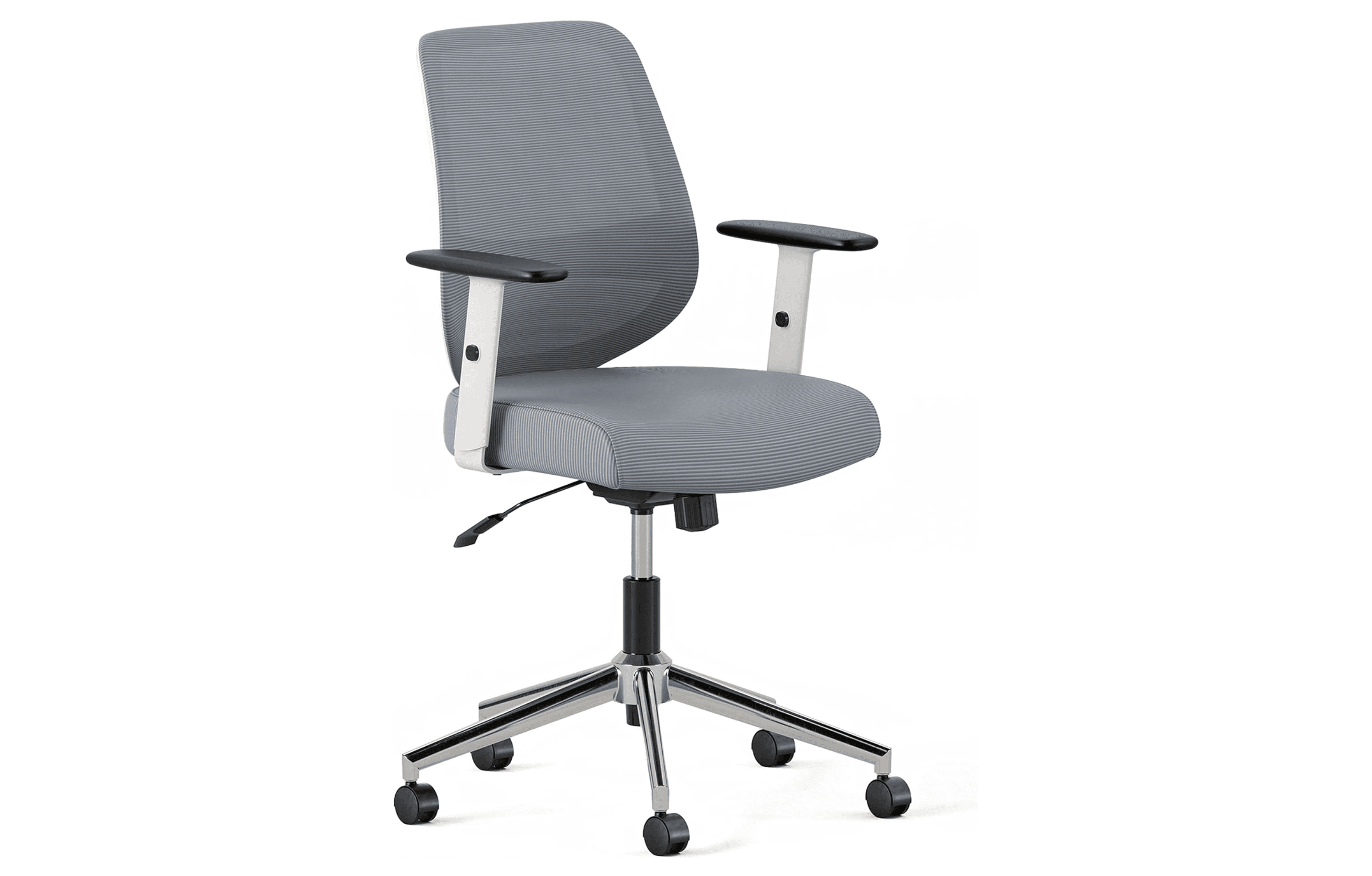
When your office doubles as your living room, aesthetics matter. The Branch Daily Chair combines a clean, minimalist look with genuine ergonomic support. The mesh back is supportive, the lumbar adjusts, and the seat cushion holds up through full workdays. The low-profile armrests adjust in height and tuck under most desks when you push the chair in. Branch sells direct to consumer, so you get a 5-year warranty and free returns within 30 days.
Key highlights
- Minimalist design that fits home decor
- Adjustable lumbar support
- Breathable mesh back with padded seat
- Low-profile armrests that tuck under desks
- 5-year warranty with 30-day free returns
Pros
- Looks better than most ergonomic chairs in this range
- Solid build quality for the price
- Good warranty coverage
Cons
- Armrests are 2D (height only)
- Not ideal for users over 6'2"
- Seat runs slightly firm
Who it is for: Home office workers who want a chair that looks as good as it feels and blends into a visible living space.
Skip if
You need 3D or 4D armrests or require a higher weight capacity.
Hbada E3 Air- Best for lumbar support
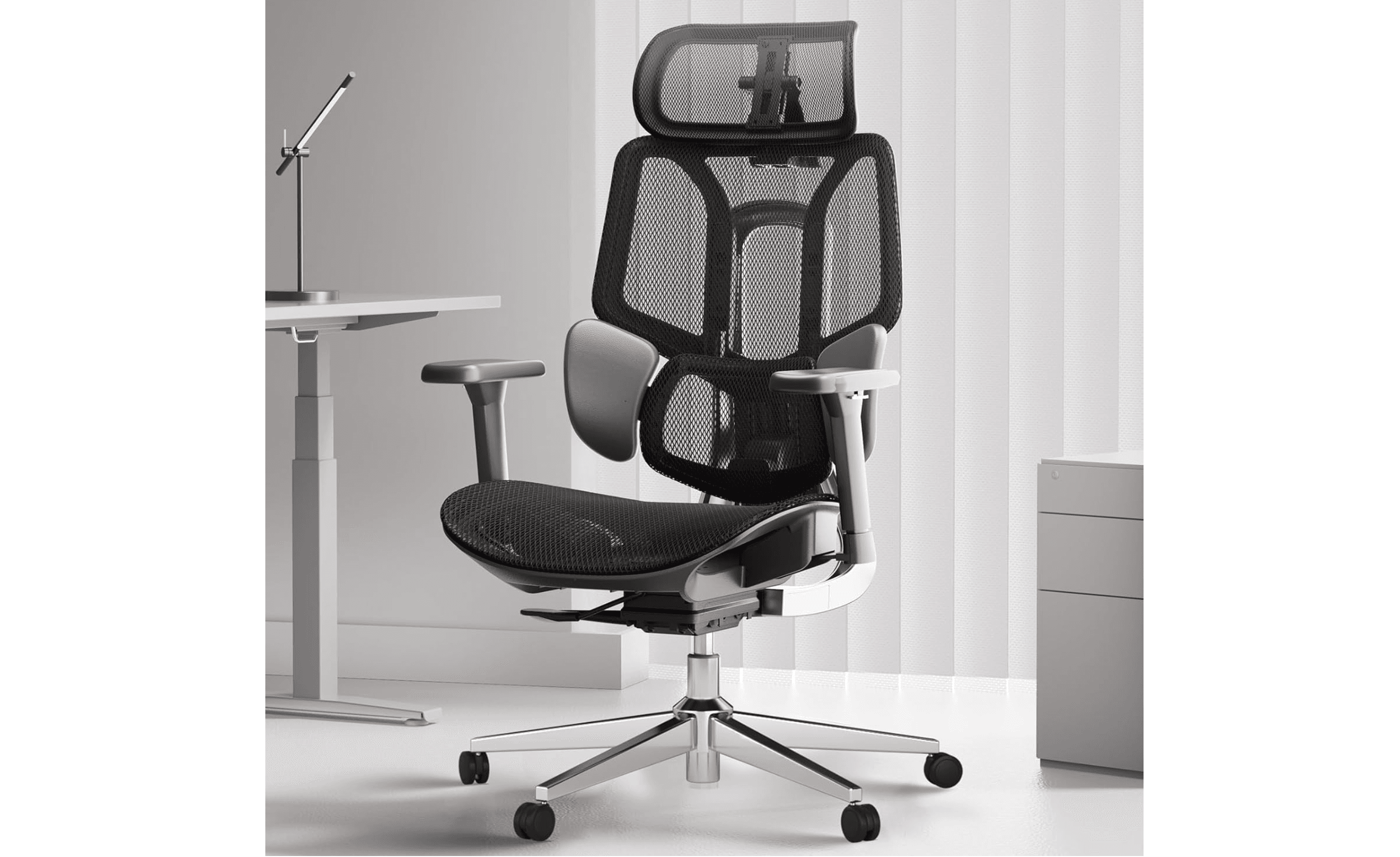
The Hbada E3 Air provides 3-zone dynamic lumbar support, 3D adjustable armrests, a mesh back, a padded seat, and a 3D adjustable headrest. Current pricing is around $329. The core ergonomic geometry is correct, and for a first ergonomic chair or a secondary home office seat, the feature set is competitive.
Key highlights
- Adjustable lumbar support
- Mesh back with padded seat cushion
- Includes headrest
- 3D adjustable armrests
- Easy assembly in about 20 minutes
Pros
- Strong value for the price
- Breathable mesh back
- Headrest included
Cons
- Lighter build with less durable feel
- 2-year warranty is shorter than competitors
- Seat cushion is on the thinner side
Who it is for: Students, freelancers, or anyone setting up a home office on a tight budget who still wants adjustable lumbar support and a headrest.
Skip if
You sit 10-plus hours daily and need commercial-grade durability.
Also Good
- Staples Hyken - great value mesh chair, headrest included.
- Autonomous ErgoChair Core - tons of adjustments for the price.
- Colamy Atlas - best build quality under $300.
How to Choose
Lumbar support is non-negotiable. Look for chairs with adjustable lumbar support that moves up and down (and ideally in and out). Fixed lumbar pads rarely hit the right spot for everyone. This is the single most important ergonomic feature.
Armrest adjustability matters more than you think. At minimum, get height-adjustable armrests (2D). If you type for hours, 3D or 4D armrests that also adjust in width and depth help prevent shoulder and neck tension. Fixed armrests are a red flag.
Mesh backs beat foam for long sessions. Mesh breathes, prevents heat buildup, and maintains consistent support. Foam seats can be more comfortable initially but trap heat and compress over time. The ideal combo is a mesh back with a dense foam seat.
Weight capacity tells you about build quality. A chair rated for 300 lbs or more typically uses thicker steel, stronger gas cylinders, and better casters. Even if you weigh less, a higher capacity generally means a more durable chair.
Warranty length reveals manufacturer confidence. A 5-year or lifetime warranty signals the company expects the chair to last. A 1-year warranty suggests the opposite. In the under-$300 range, aim for at least 3 years.
FAQ
Is a $300 chair really better than a $100 chair?
Yes. The jump from $100 to $300 gets you adjustable lumbar support, proper armrests, quality mesh, denser seat foam, and build durability that lasts 5-plus years instead of 12 to 18 months. It works out cheaper per year of use.
Can a chair under $300 help with back pain?
It can, as long as it has proper adjustable lumbar support. Chairs like the SIHOO Doro C300 with self-adaptive lumbar or the HON Ignition 2.0 with height and depth adjustment provide the kind of targeted support that can reduce lower back strain during long work sessions. No chair replaces regular movement and breaks.
Should I buy a used Herman Miller instead of a new chair under $300?
A used Herman Miller Aeron or Steelcase Leap for $250 to $400 can be an excellent value if you can inspect it in person for worn mesh, depleted foam, and functional adjustments. A new $300 chair with a warranty is a safer bet if you cannot test the used chair first.
How long should an office chair under $300 last?
A quality chair in the $250 to $300 range from a brand like HON or Branch should last 5 to 7 years with daily use. Budget options around $100 to $150 typically last 1.5 to 3 years before components wear noticeably.
What features should I prioritize in a budget ergonomic chair?
Focus on adjustable lumbar support that moves up and down, seat height adjustment that fits your leg length, breathable mesh back, and a weight capacity of at least 250 lbs. Armrest adjustability and seat depth adjustment are nice to have but harder to find at this price.
Published May 2, 2026 Last updated June 16, 2026
Share this article
More in News
JBL Clip 5 Bluetooth Speaker is $49.95 at Woot
JBL Clip 5 Bluetooth Speaker is $49.95 at Woot in new condition, with a $79.95 Woot Reference Price.
3 min read
ASUS Vivobook S16 16-inch price drops to $1159.99
ASUS Vivobook S16 Copilot+ PC drops to $1159.99 on Amazon, its lowest price in months, saving you $140.
3 min read
msi PRO MAX 271PHW E14 IPS 1920 now $169.99, down from $199.99
Save $30 on the MSI PRO MP271QP 27-inch 144Hz IPS monitor with USB-C hub at Amazon, now $169.99.
5 min read
JBL Reflect Flow Wireless Sport Earbuds Green now $93.66, down from $112.88
JBL Reflect Flow wireless sport earbuds drop to $93.66 at Amazon, offering IPX7 waterproofing and 30-hour battery life for gym-goers and runners.
4 min read
Denon PerL True Wireless Earbuds, 24Hr Battery discounted to $119.76
5 min read
Samsung Class QN80H Series, Neo QLED Mini sees price cut to $1499.99
4 min read
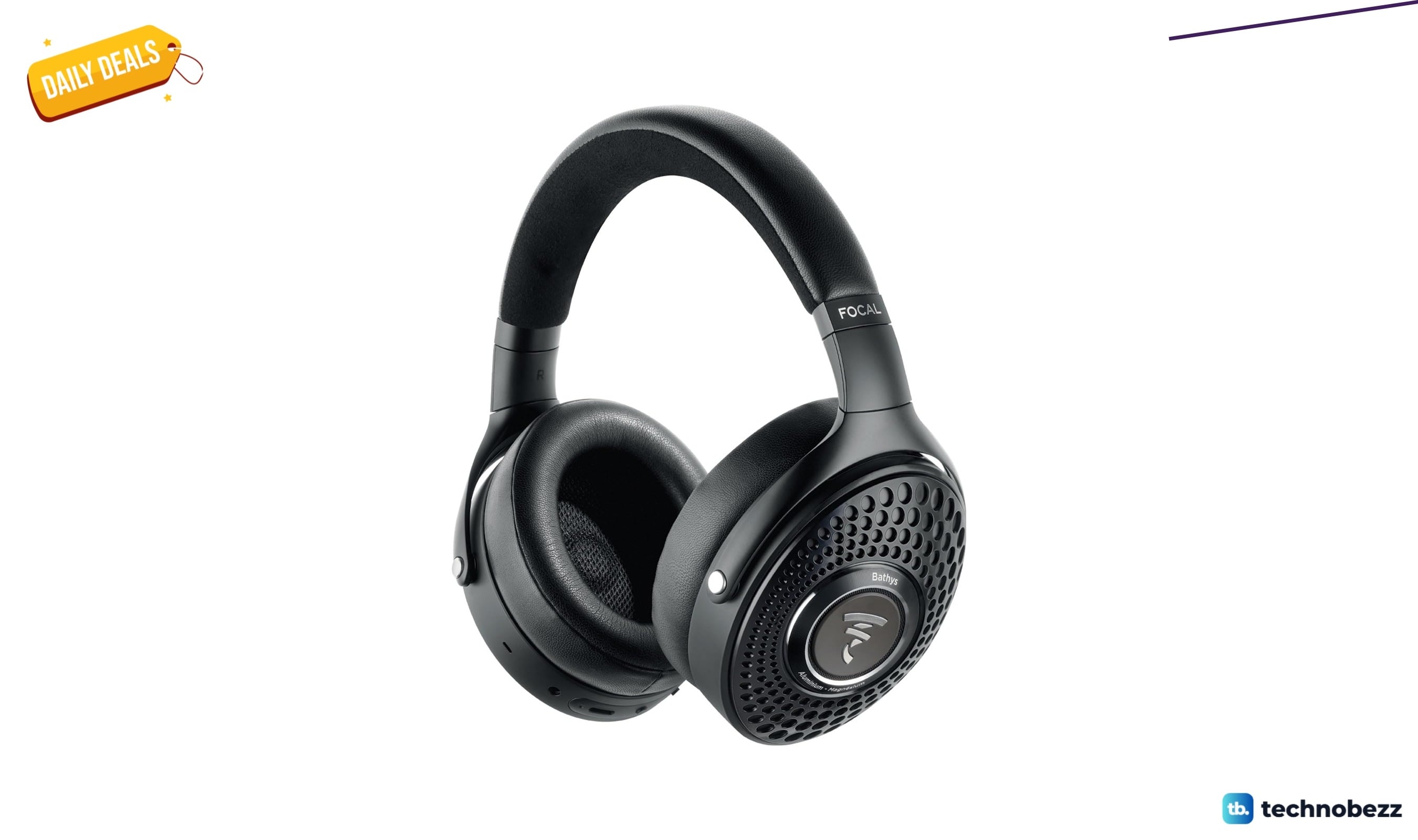
Focal Bathys Over-Ear Hi-Fi Bluetooth Wireless Headphones now selling for $625
4 min read
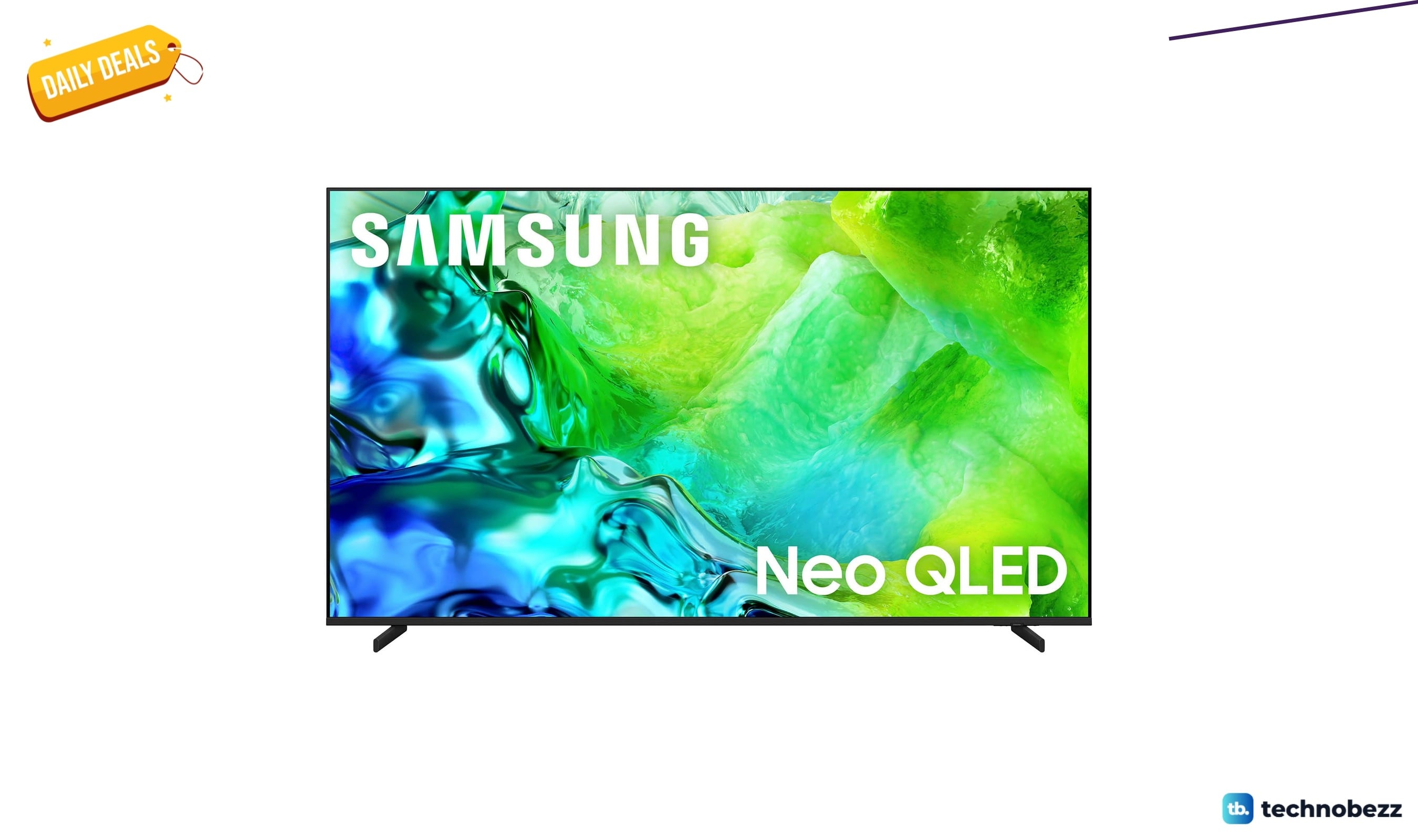
Samsung Class QN80H Series, Neo QLED Mini falls to $1499.99
5 min read
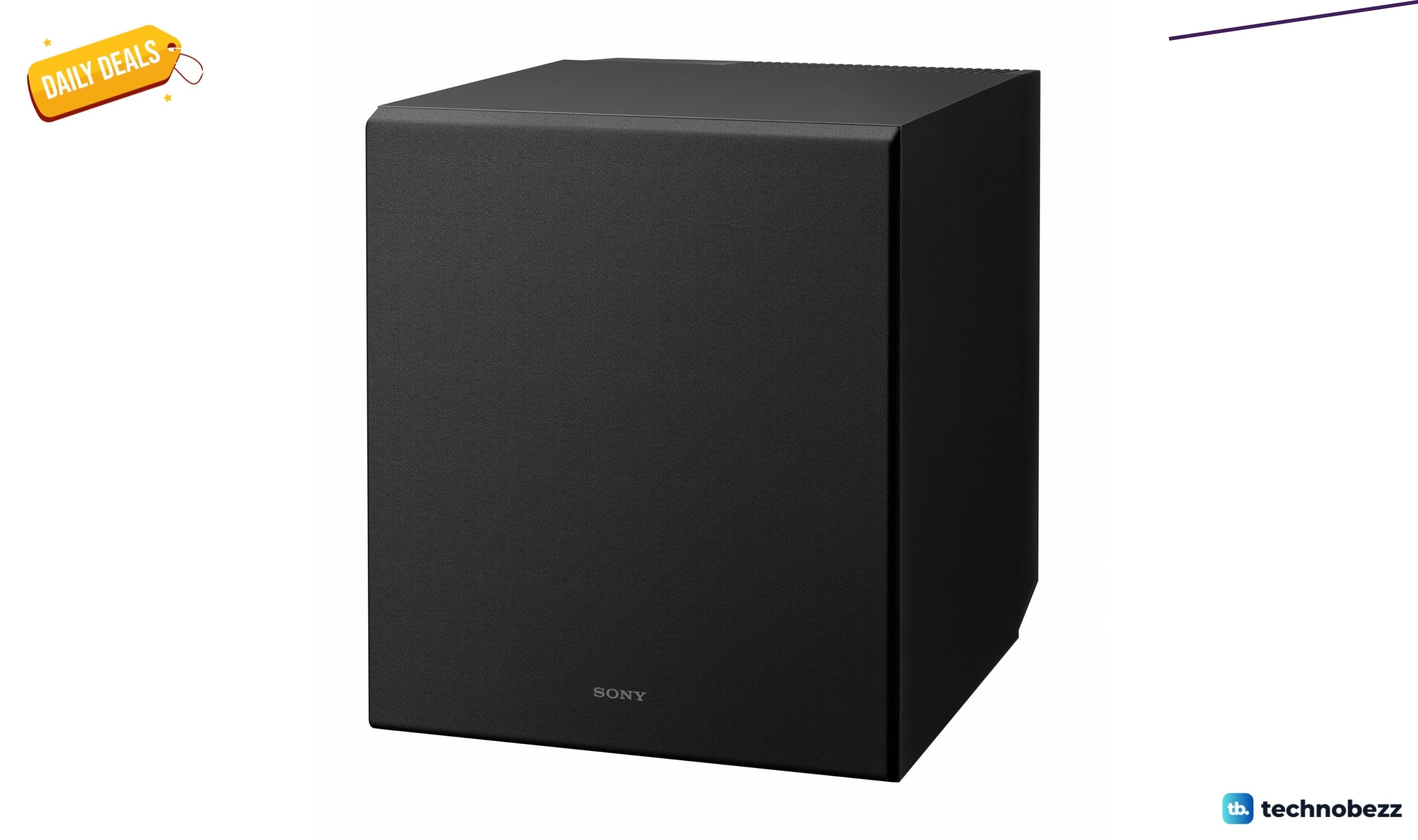
Sony SA-CS9M2 Powerful & Compact Subwoofer falls to $248
4 min read
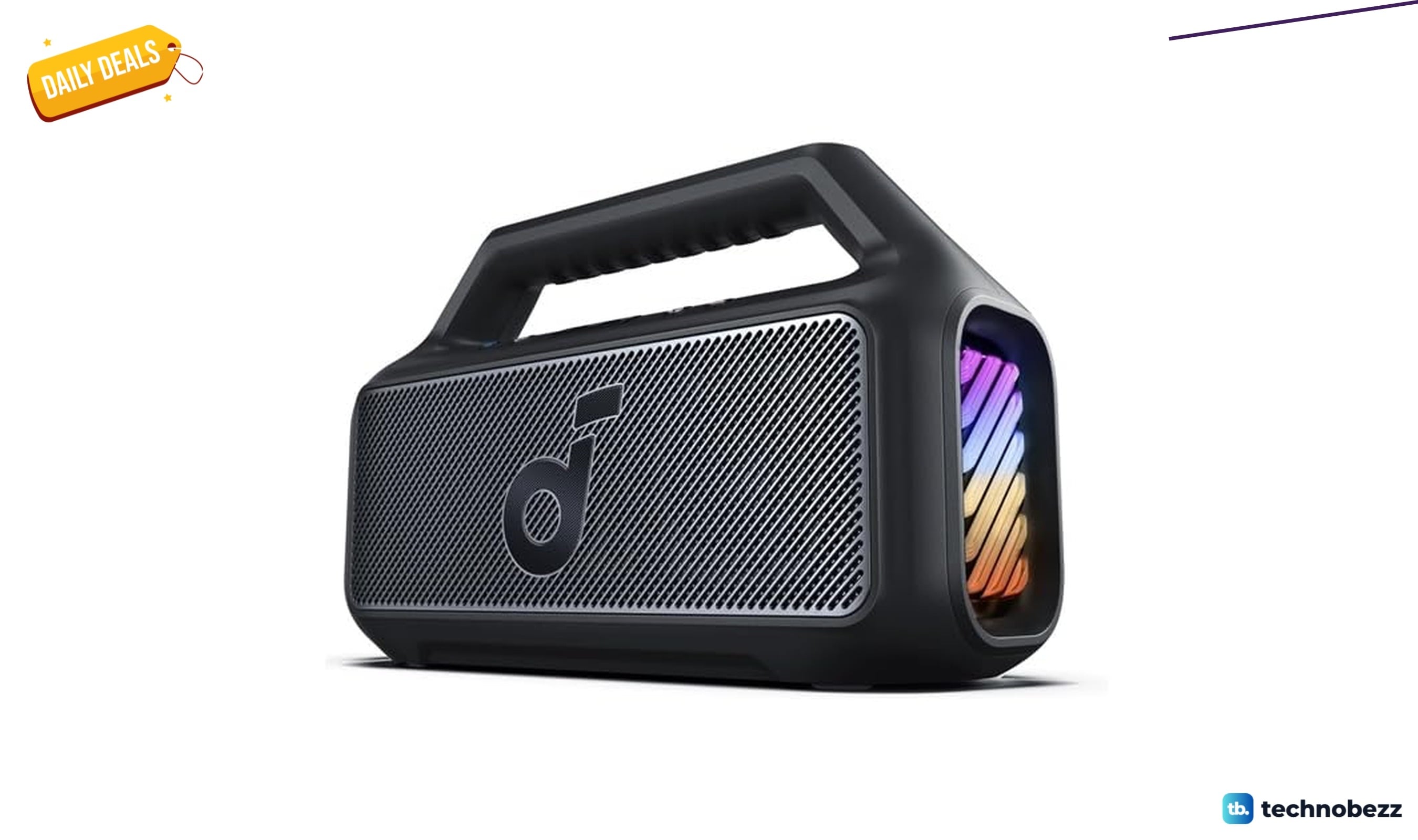
Anker soundcore Boom 2 Bluetooth Speaker is $69.99 at Woot
3 min read
Netgear Nighthawk Wifi 6 Router is $66.99 at Woot
5 min read
ZUMWALT 15.6" Screen Extender down to $239.98 in latest price cut
3 min read