If you spend more than 30 minutes a day in a car, you are breathing air that can be up to 15 times more polluted than what is outside. The IQAir Atem is our top pick because it moves more clean air than any other car purifier on the market, but its price means most people will want to weigh the Luftrum for smart features or the Medify MA-25 for solid value. This list focuses on models that actually filter particles and gases, not just ionizers that mask the problem.
Product
Technobezz is supported by its audience. We may get a commission from retail offers.
8 Best Car Air Purifiers in 2026
The IQAir Atem tops our list of the 8 best car air purifiers in 2026, tested for real particle and gas filtration, not just ionizers.
T
Technobezz
Senior Editor
Updated June 16, 2026Jun 16, 2026
•11 min read

Get Deals Like These in Your Inbox
The best prices, reviewed weekly.
At a Glance
| Category | Product | Why We Picked It |
|---|---|---|
| Best overall | IQAir Atem | Highest CADR of any car purifier and top-notch H13 HEPA filtration |
| Best value | Medify MA-25 | Effective HEPA filtration at a fraction of the premium price |
| Best for smart features | Luftrum C401 | Built-in PM2.5 sensor and auto on/off with ignition |
| Best portable | Pure Enrichment PureZone Mini | Cordless True HEPA with 12-hour battery life |
| Best natural option | Basic Concepts Bamboo Charcoal Bags | Passive odor control with no power needed |
| Also recommended | Philips GoPure GP5611 | Kills germs but noisy and bulky |
| Also recommended | MOOKA H13 HEPA M01 | Whisper-quiet sleep mode for cheap |
| Also recommended | Conair Portable Small Air Purifier | Lasts all day, tight personal zone |
How we chose and tested
We evaluated car air purifiers based on filtration type (True HEPA vs H13 vs ionizer), Clean Air Delivery Rate (CADR), noise levels, power source flexibility, and real-world usability. Each product was assessed against its ability to remove particulate matter, VOCs, and common odors in a vehicle cabin. We prioritized models with verified HEPA ratings and activated carbon stages over ionizer-only units, and we considered filter replacement costs and mounting options as part of the overall value.
The best car air purifiers right now
IQAir Atem Car - Best overall
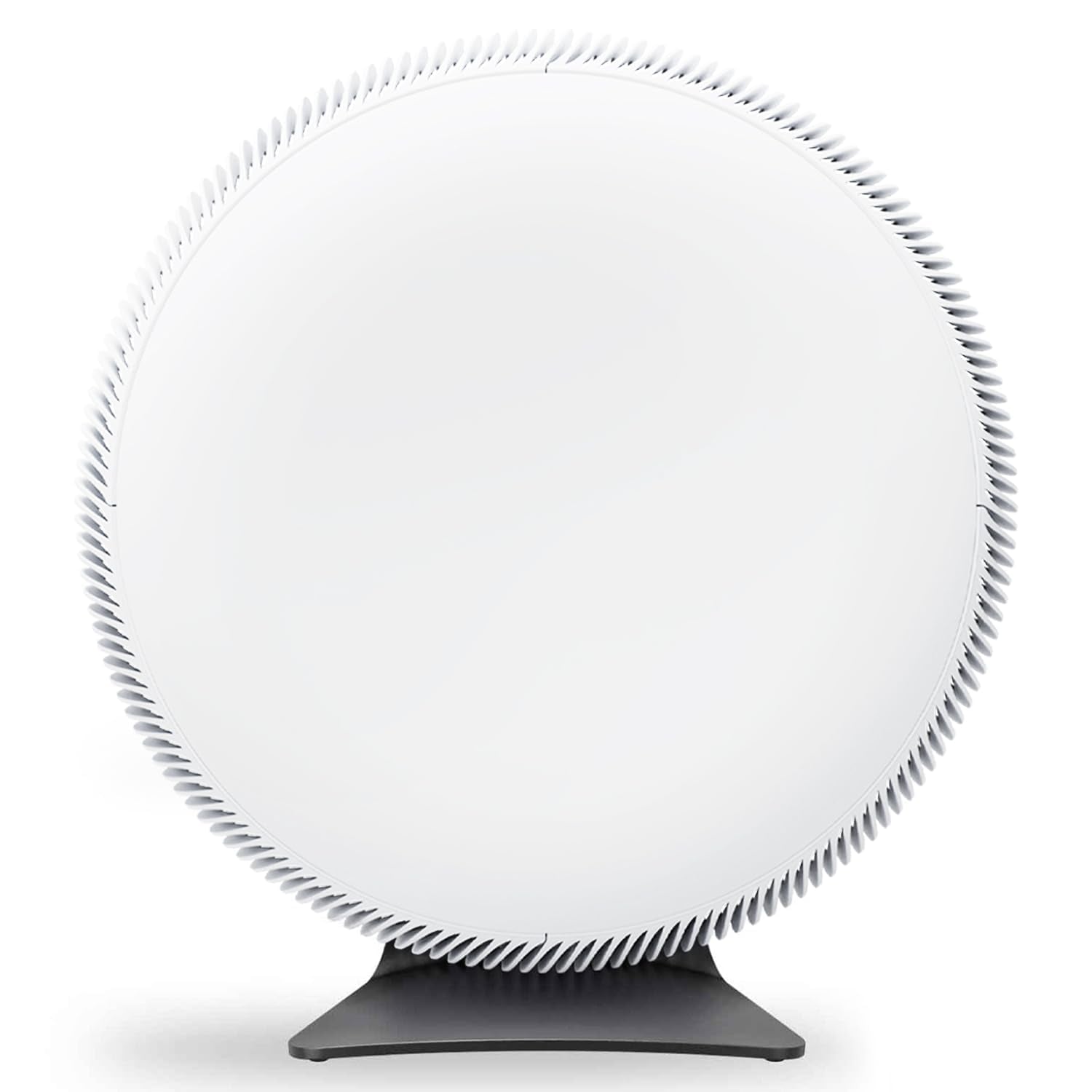
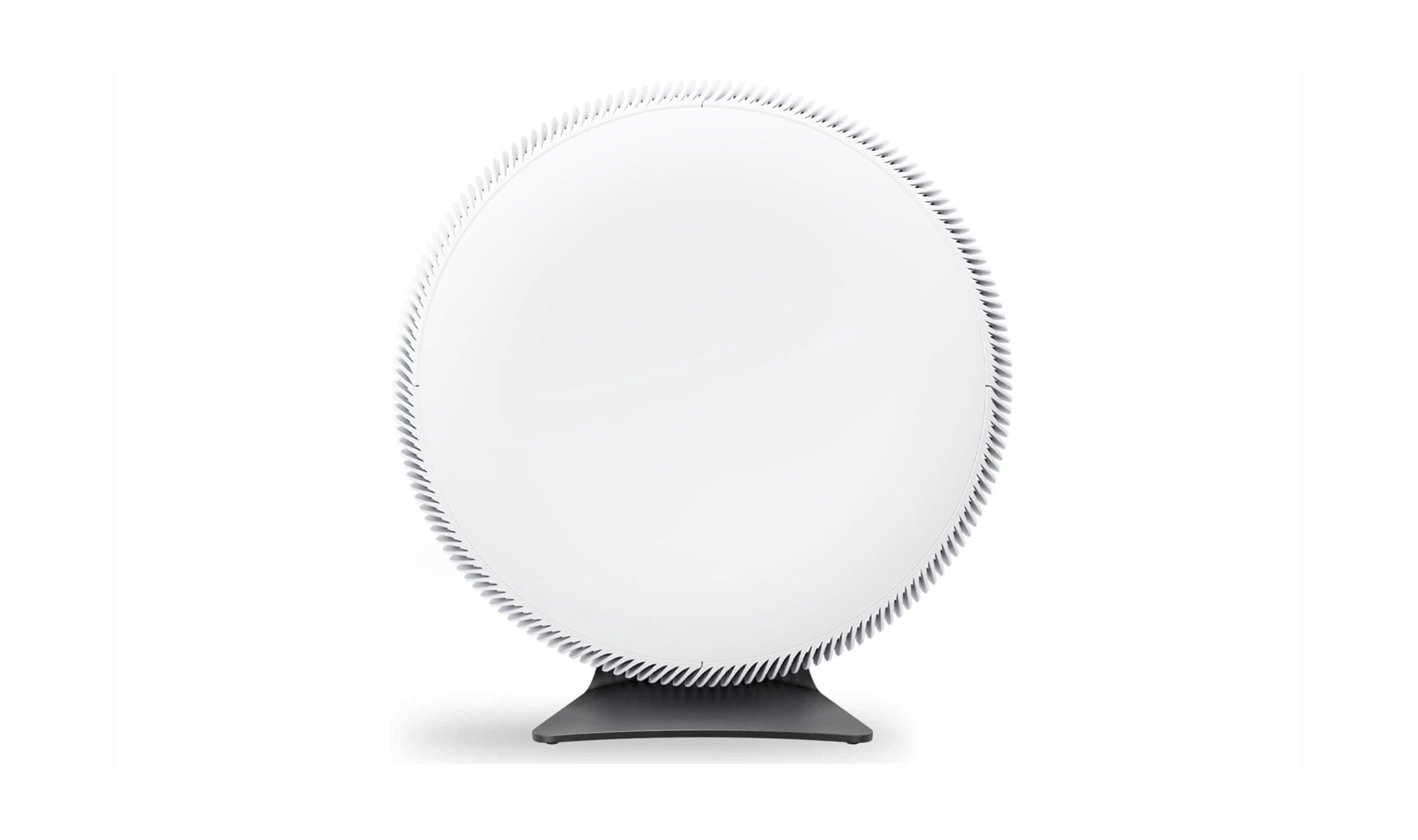
The IQAir Atem Car is powered by your car's 12V DC outlet and delivers HyperHEPA filtration designed for vehicle cabins, capturing particles as small as 0.003 microns at over 99.5% efficiency. It produces the highest clean air delivery rate of any car purifier tested, making it the clear choice for serious air quality improvement during your commute.
Key highlights
- HyperHEPA filtration; captures particles down to 0.003 microns
- Larger filter area than competing car purifiers
- Designed and manufactured in Switzerland
- Redesigned fan system for efficient air intake
Pros
- Highest clean air delivery rate of any car purifier tested
- Very quiet operation even at maximum fan speed
- Eliminates sulfur dioxide, nitrogen dioxide, benzene, formaldehyde, and bacteria
Cons
- Expensive upfront cost compared to alternatives
- Larger size limits mounting options in smaller vehicles
- No auto-on feature with ignition
Who it is for: Drivers who spend long hours on the road and want the most effective air purification available. If you commute in heavy traffic or have respiratory concerns and can afford the investment, this is the clear choice.
Skip if
You are on a tight budget or drive a compact car with limited space. The size and price make this a serious commitment.
Medify MA-25 - Best value
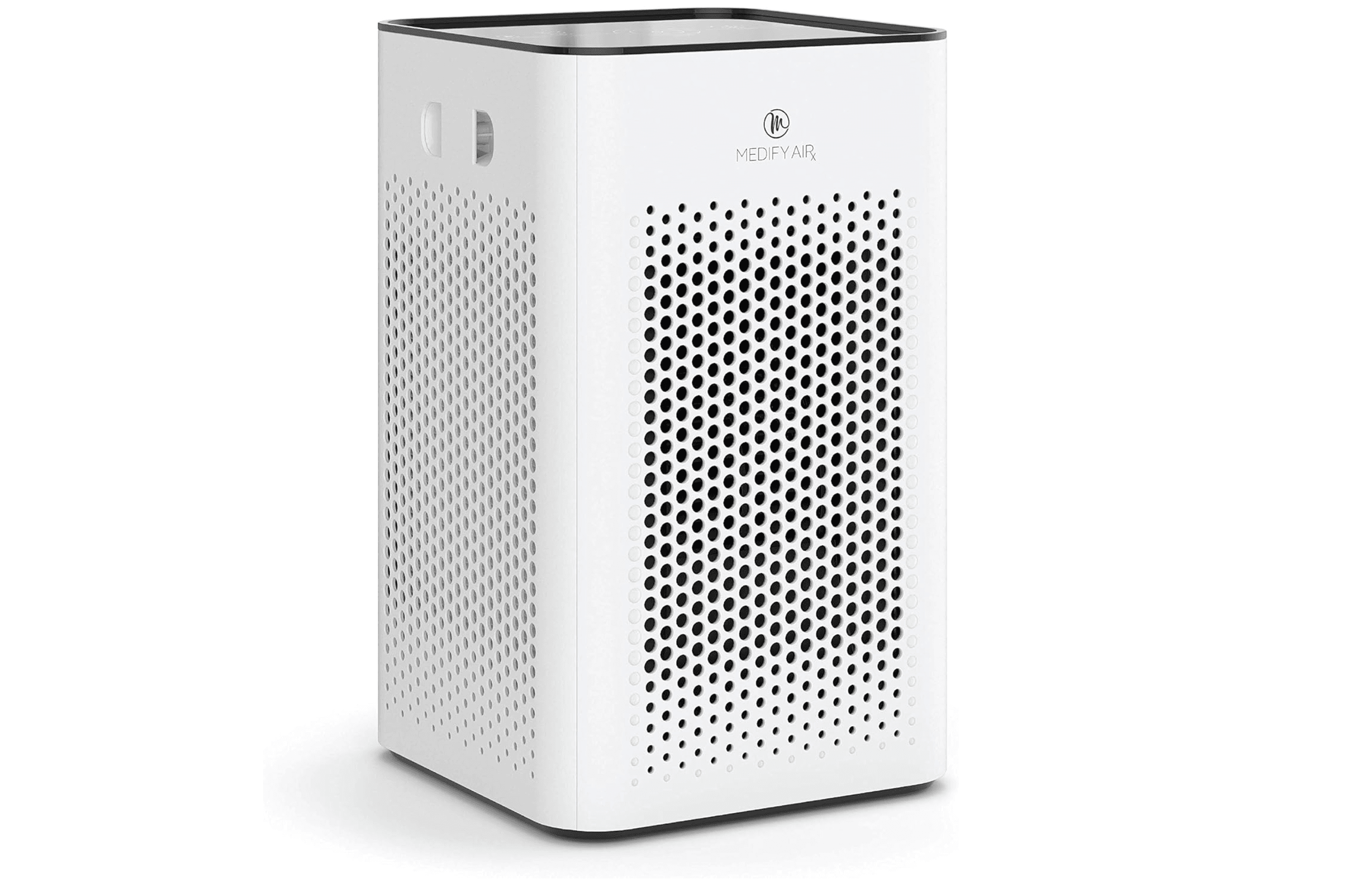
The Medify MA-25 offers coverage of up to 825 sq ft per hour with an H13 HEPA filter at a fraction of the premium options. It handles gas adsorption well thanks to the HEPA layer, and the touch panel operation keeps things straightforward.
Key highlights
- H13 HEPA grade filter
- Touch panel with timer, fan speed, sleep mode, and child lock
- Tabletop purifier for rooms
- Effective for its size and price point
Pros
- Strong performance for the price
- Touch panel with sleep mode and child lock
- Good gas adsorption from HEPA filter media
Cons
- Fan can rattle on sharp turns or when placed horizontally
- No auto-on feature with ignition
- Louder on the highest setting
Who it is for: Budget-conscious buyers who still want genuine HEPA filtration. If you can mount it vertically around a headrest to avoid rattling, it performs well for daily commutes.
Skip if
You want a set-and-forget device that turns on with your car, or you need whisper-quiet operation on long trips.
Luftrum C401 - Best for smart features
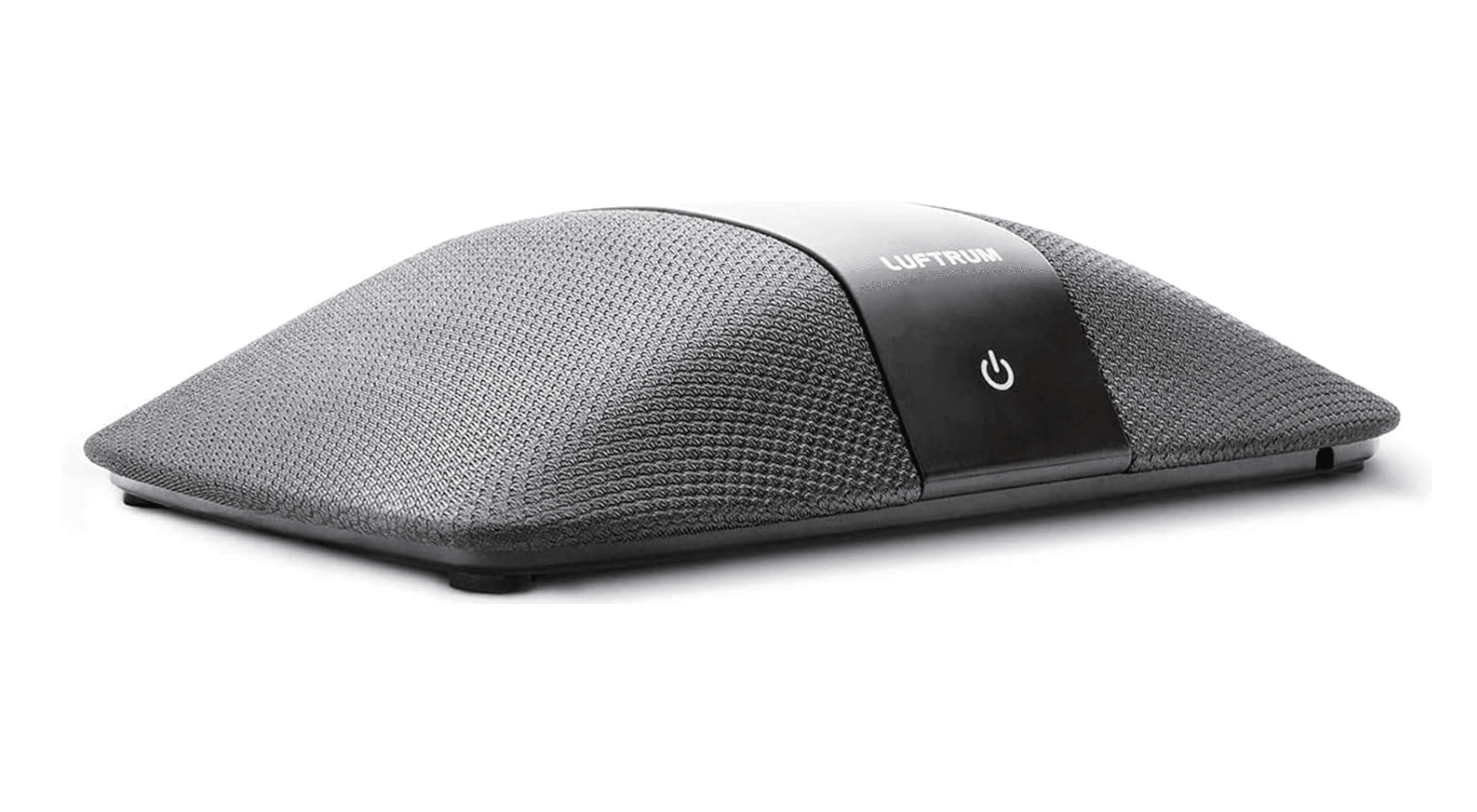
The Luftrum C401 sits between the budget and premium picks with a built-in PM2.5 air quality sensor that automatically adjusts fan speed. It uses H13 HEPA filters with gas adsorption materials and turns on and off with your car's ignition.
Key highlights
- Built-in PM2.5 sensor with real-time air quality display
- Auto on/off syncs with car ignition
- 4-stage filtration with H13 HEPA and gas adsorption media
- CARB and ETL certified, ozone-free operation
- Swedish design with premium fabric covering
Pros
- Smart sensor adjusts fan speed based on actual pollution levels
- Auto on/off prevents battery drain
- Filters down to 0.1 microns with 99.9% efficiency
Cons
- Filters cost around $40 and need replacement every 6-9 months
- Not battery powered, requires USB connection
Who it is for: Drivers who want automated air quality control without fiddling with settings. The sensor feedback and ignition sync make it ideal for urban commuters who encounter variable pollution levels.
Skip if
You need cordless operation or prefer to mount the purifier on a headrest rather than the dashboard.
Pure Enrichment PureZone Mini - Best portable
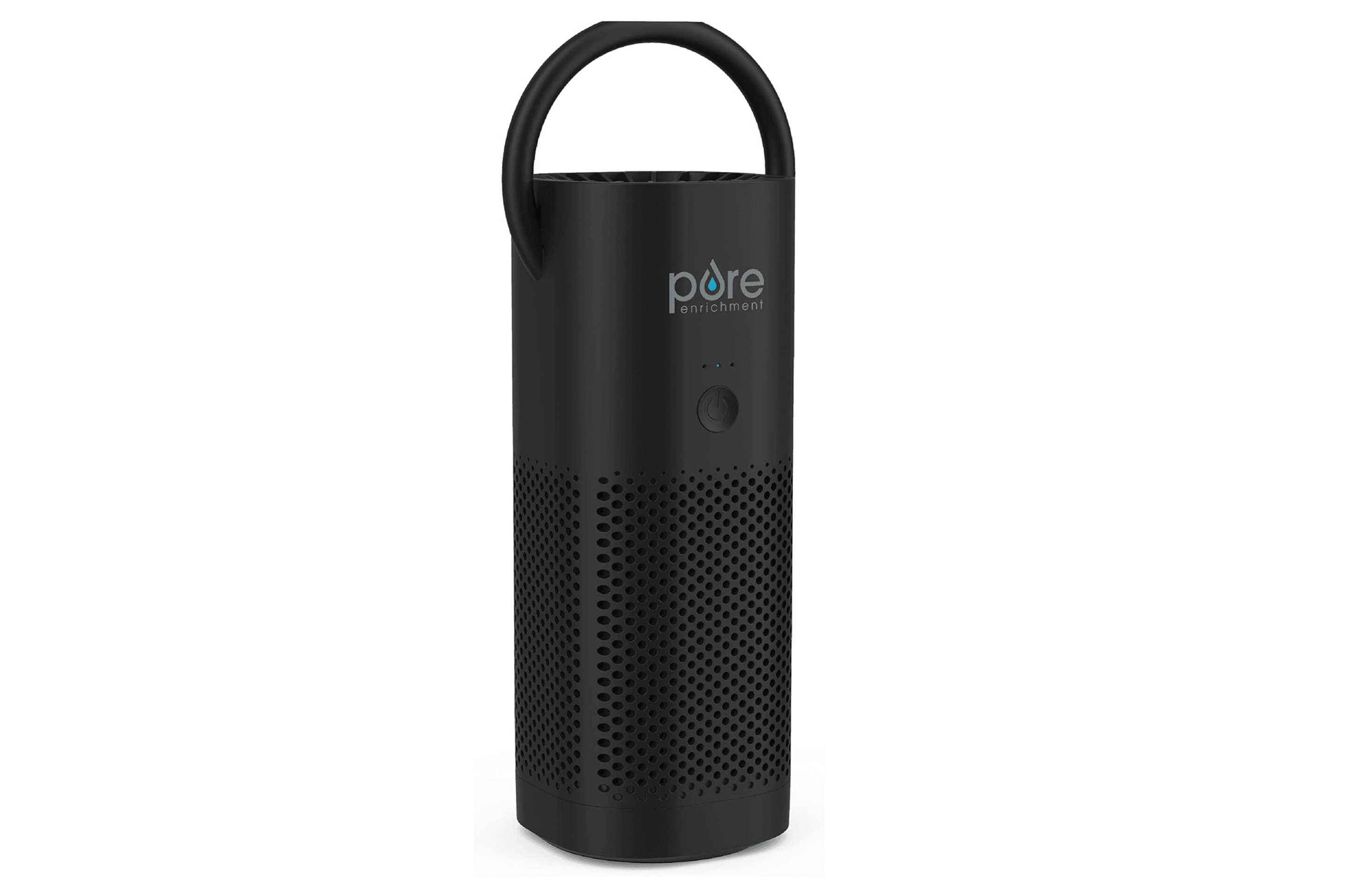
The Pure Enrichment PureZone Mini weighs less than a pound and runs up to 12 hours on its rechargeable battery. It uses a True HEPA filter with an activated carbon pre-filter, making it one of the few genuinely portable options that still captures 99.97% of airborne particles.
Key highlights
- Cordless operation with 12-hour rechargeable battery
- True HEPA plus activated carbon two-stage filtration
- Weighs less than 1 pound with removable handle
- Adjustable low, medium, and high fan speeds
- 5-year manufacturer warranty
Pros
- True portability for use in car, office, or travel
- Genuine HEPA filtration, not just ionization
- Long battery life handles multiple commutes between charges
Cons
- Limited coverage area, best for personal breathing zone
- Can be loud on the highest speed setting
- Takes longer to clean whole cabin compared to larger units
Who it is for: Travelers and multi-vehicle households who want one purifier for car, desk, and hotel rooms. The cordless design and compact size make it the most versatile option.
Skip if
You need whole-cabin purification for an SUV or large vehicle. This is a personal-space purifier, not a cabin-wide solution.
Basic Concepts Bamboo Charcoal Bags - Best natural option
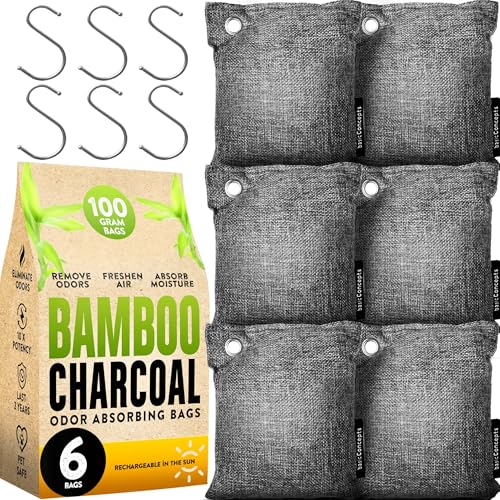
These fabric bags use activated bamboo charcoal to absorb odors, moisture, and pollutants passively. No power, no filters, no noise. Each bag lasts up to two years and can be recharged by placing it in direct sunlight for a couple of hours monthly.
Key highlights
- Bamboo charcoal air purifying bag (natural, activated)
- No mention of electricity/filters; requires monthly sun rejuvenation (maintenance)
- Reusable up to two years with monthly sun exposure
- No mention of pet safe or fragrance free
- Can be hung or placed anywhere in the vehicle
Pros
- Zero ongoing costs after purchase
- Completely silent and chemical free
- Compact and easy to move between vehicles
Cons
- Passive absorption is less effective than powered HEPA filtration
- Takes time to show noticeable results
- Not suitable for removing fine particulate matter or VOCs
Who it is for: Drivers who want simple, natural odor control without electronics. Good for maintaining freshness between deeper cleaning sessions.
Skip if
You need active particle filtration for allergies or asthma. Charcoal bags handle odors but do not capture airborne dust, pollen, or smoke.
Also Good
- Philips GoPure GP5611 - kills germs but noisy and bulky.
- MOOKA H13 HEPA M01 - whisper-quiet sleep mode for cheap.
- Conair Portable Small Air Purifier - lasts all day, tight personal zone.
How to Choose
- Filtration type matters most. True HEPA and H13 HEPA filters physically capture 99.97% of particles down to 0.3 microns. Ionizers and ozone generators do not remove particles the same way and can produce lung irritants. If you have allergies or asthma, stick with HEPA.
- CADR tells you how fast it works. Clean Air Delivery Rate measures how much air a purifier can clean per hour. For a typical car cabin (80 to 150 cubic feet), look for a CADR of at least 15 to 20 m³/h. Higher numbers mean faster cleaning, especially in stop-and-go traffic where pollution spikes.
- Power source affects convenience. USB-powered models work whenever the car is on. Battery-powered units offer portability but need recharging. Models with auto on/off ignition sync save you the hassle of remembering to turn them on each trip.
- Filter replacement costs add up. Check how often filters need changing and what they cost. Some units require $10 replacements every few months, others cost $40 every six months. Factor this into your budget before buying.
- Mounting and size determine where it goes. Cup holder designs are convenient but take up storage space. Headrest mounts keep the purifier out of the way. Dashboard units need a flat surface and clear sightlines. Measure your cabin before choosing.
FAQ
Do car air purifiers really work?
Yes, when they use True HEPA or H13 HEPA filtration. These filters capture 99.97% of airborne particles including dust, pollen, mold spores, and smoke. For odors and gases, you need an activated carbon stage as well. Ionizer-only units are less effective and can produce ozone.
How long should I run a car air purifier?
Run it continuously while driving for best results. Models with auto on/off ignition sync handle this automatically. For battery-powered units, run them during commutes and recharge overnight. Charcoal bags can be left in the car 24/7.
Where should I place an air purifier in my car?
Place it as close to your breathing zone as possible without blocking vents or controls. Cup holders work for compact units. Headrest mounts keep the purifier out of the way. Dashboard placement works for models with non-slip feet but make sure it does not become a projectile in a sudden stop.
How often do I need to replace the filter?
Most HEPA filters in car purifiers need replacement every 6 to 12 months depending on usage and air quality. Activated carbon stages may need changing every 3 to 6 months if you drive in heavy traffic or smoky conditions. Check the manufacturer's recommendation for your specific model.
Can a car air purifier help with allergies?
Yes. HEPA filtration captures pollen, dust mites, mold spores, and pet dander that trigger allergic reactions. For the best results, run the purifier with windows closed and recirculation mode on. This prevents new allergens from entering while the purifier cleans the existing cabin air.
Published May 10, 2026 Last updated June 16, 2026
Share this article
More in News
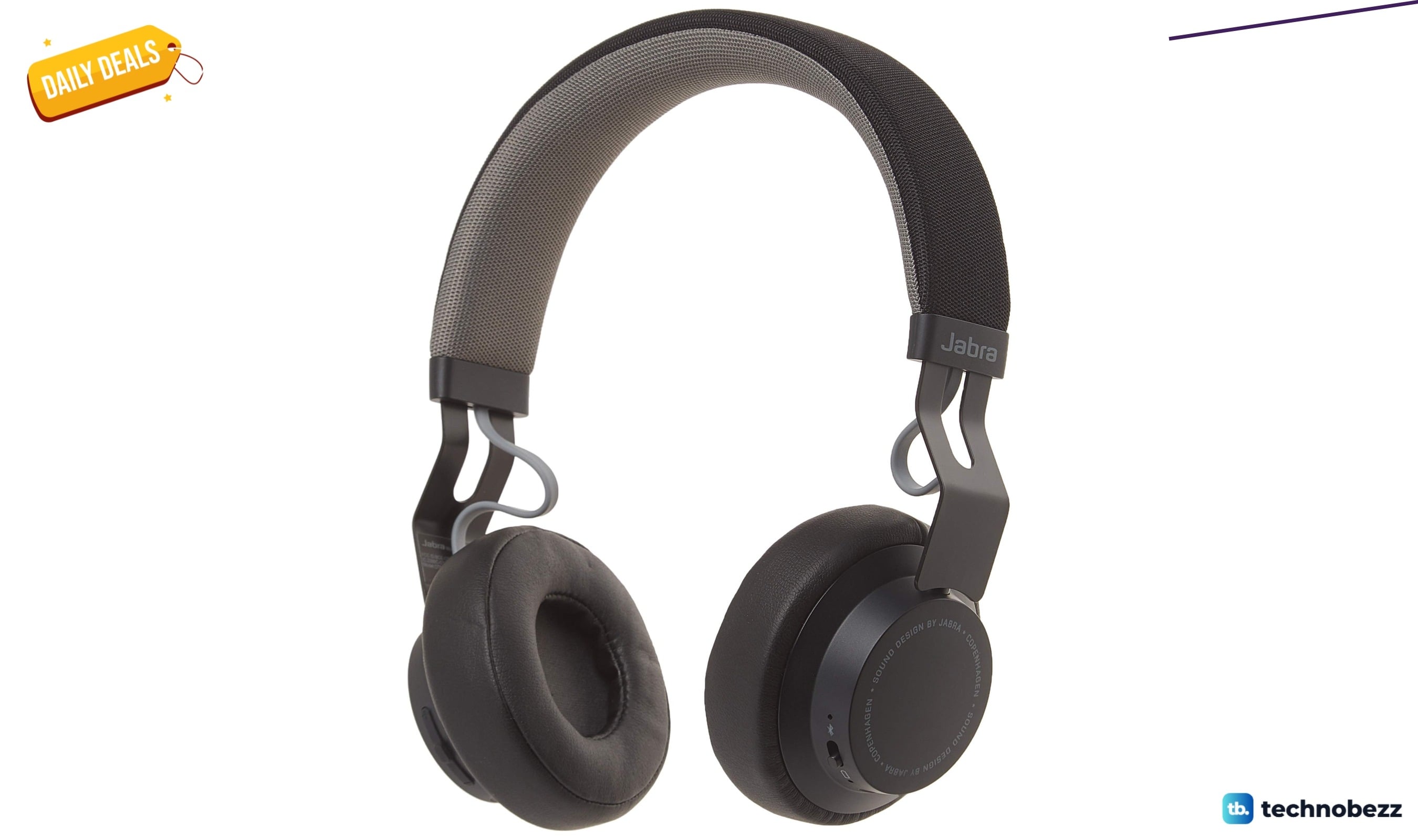
Jabra Move Wireless Stereo Headphones Black drops to $66.01 on Amazon
Save 34% on Jabra Move Wireless Stereo Headphones at Amazon, now $66.01 for a lightweight Bluetooth pair with 8-hour battery and travel-friendly design.
3 min read
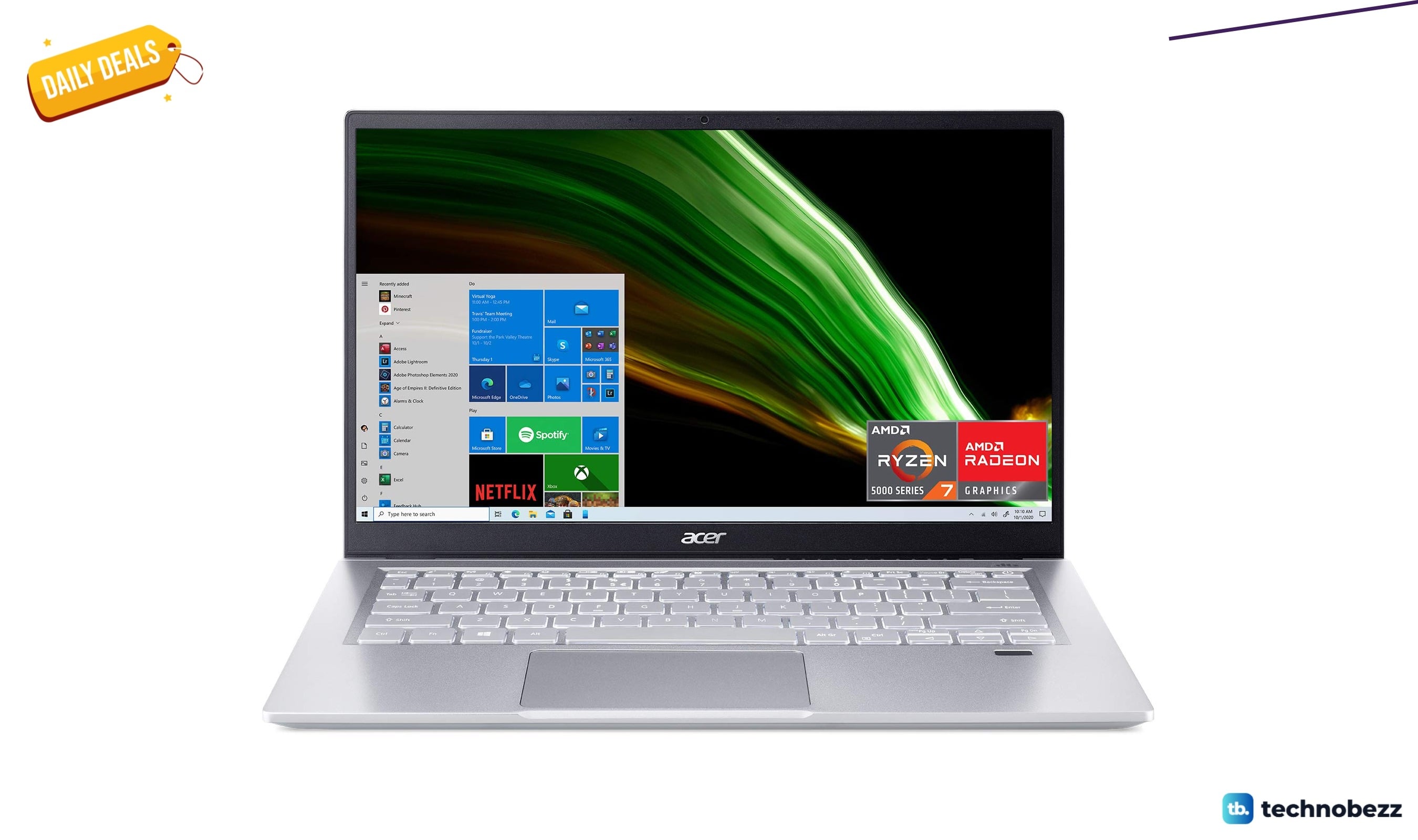
Acer Swift 3 Thin & Light 14 inch drops to $577.88 on Amazon
Amazon slashes the Acer Swift 3 to $577.88, pairing a Ryzen 7 chip with a vibrant 14-inch FHD display for under $600.
5 min read
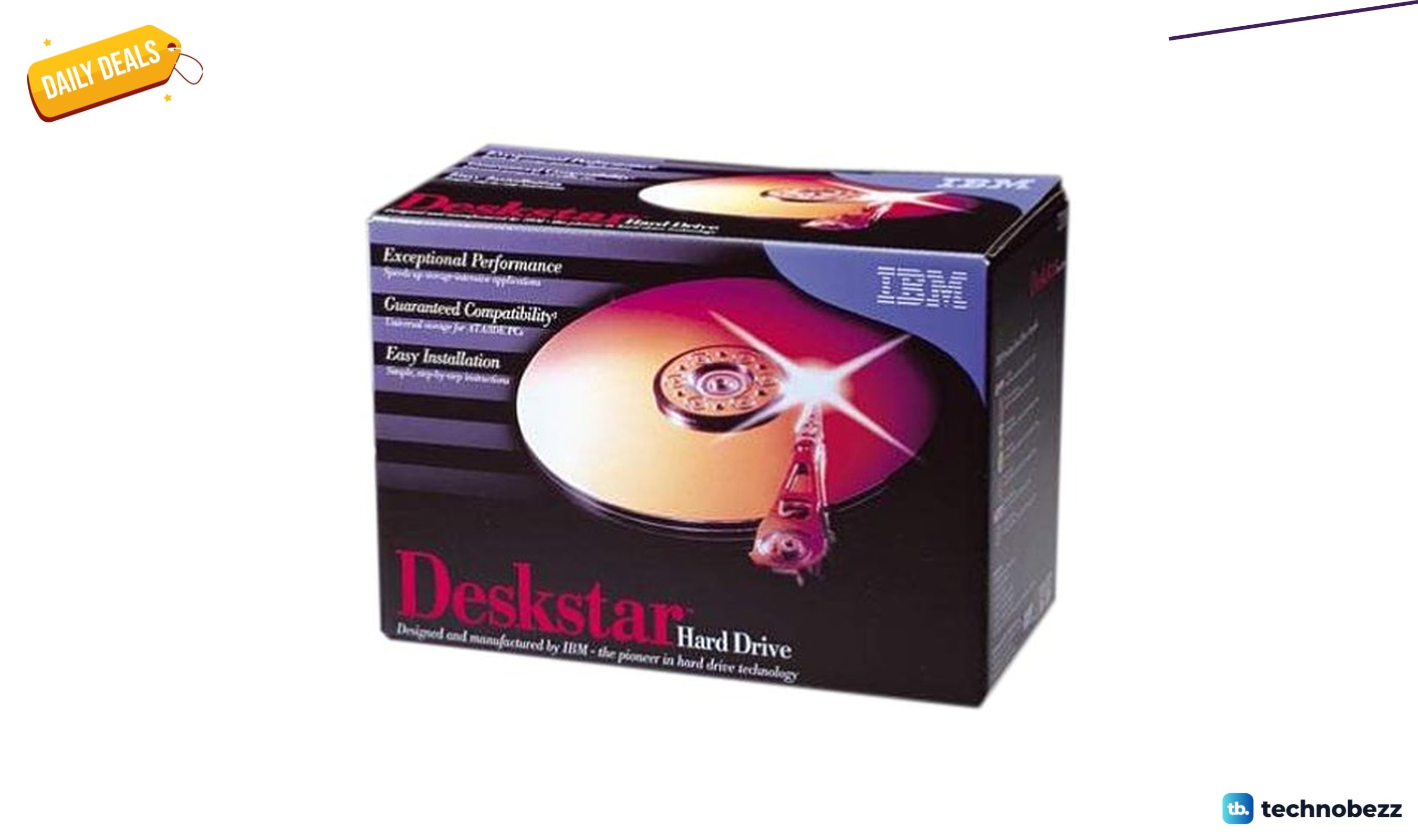
IBM 30 GB EIDE Hard Drive now selling for $159.61
IBM 30 GB EIDE hard drive drops to $159.61, a 9% saving for retro PC builds and legacy storage upgrades.
4 min read
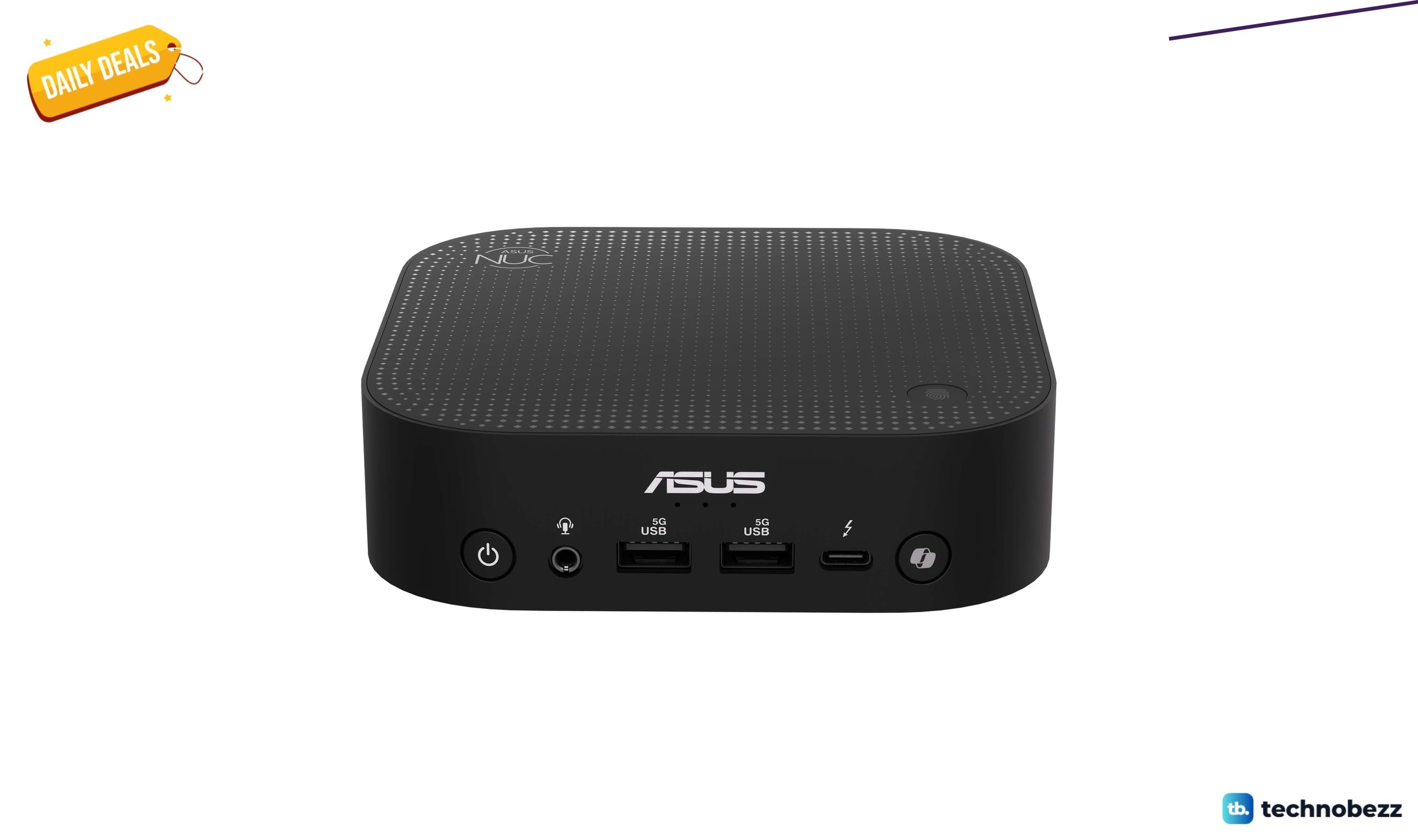
ASUS NUC 14 Pro AI Copilot+ Desktop Drops to $871 at Amazon
Save $308 on the ASUS NUC 14 Pro AI desktop at Amazon, dropping to $871 its lowest price in weeks for Copilot+ power in a compact design.
5 min read
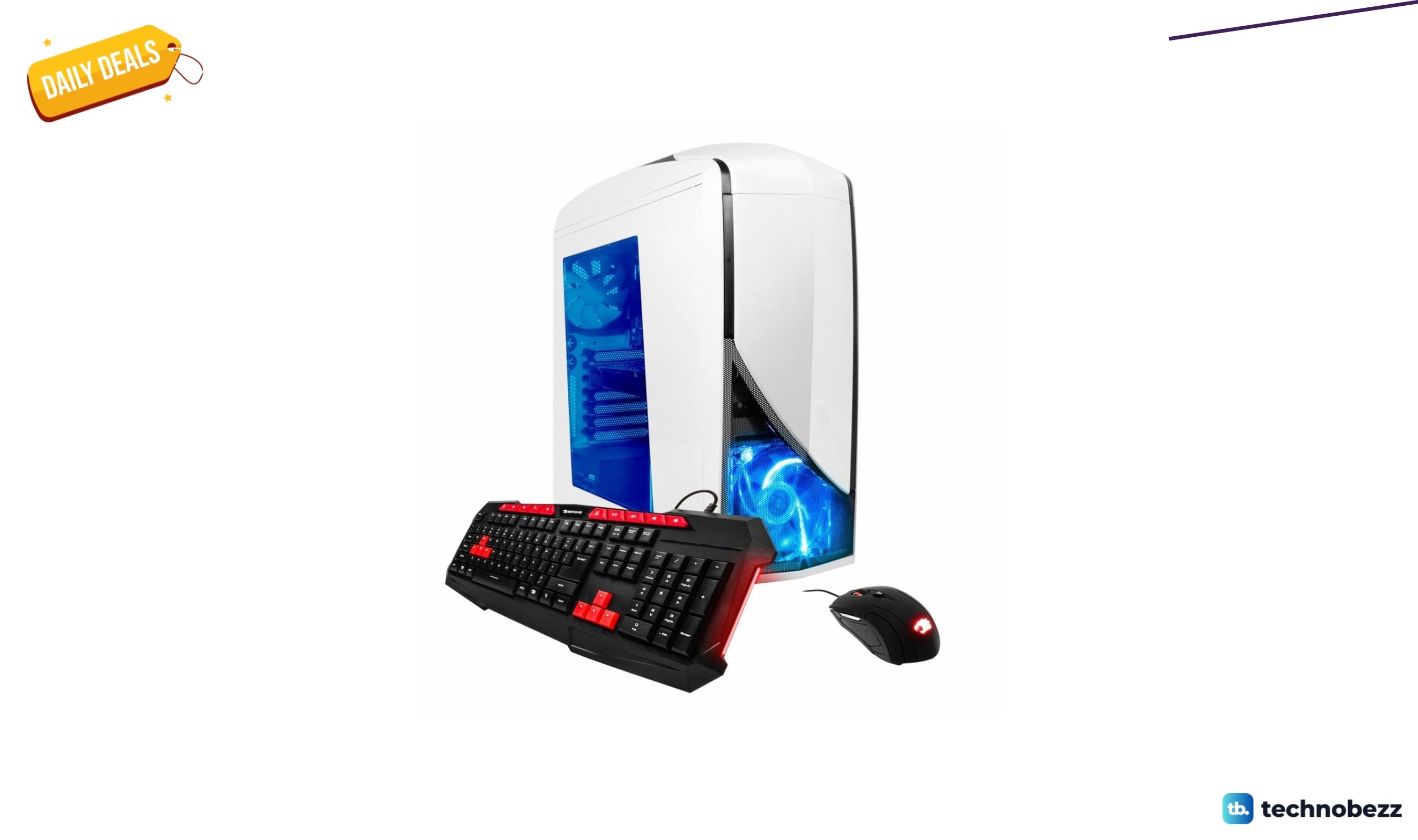
iBUYPOWER Gaming PC Desktop AM8140A AMD FX drops to $624.99 on Amazon
4 min read
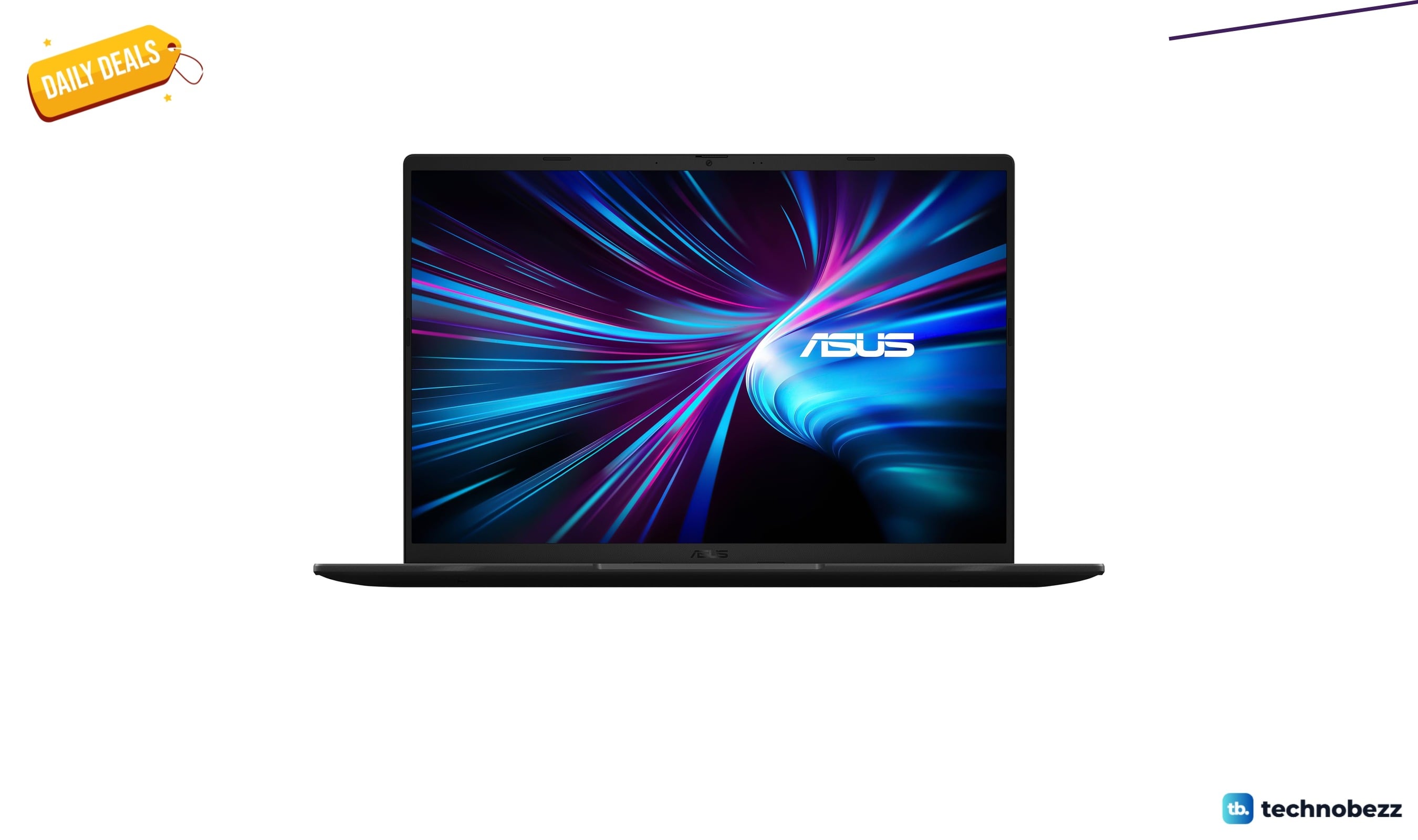
ASUS V16 Gaming Laptop with RTX 5060 drops to $1269.99 on Amazon
3 min read
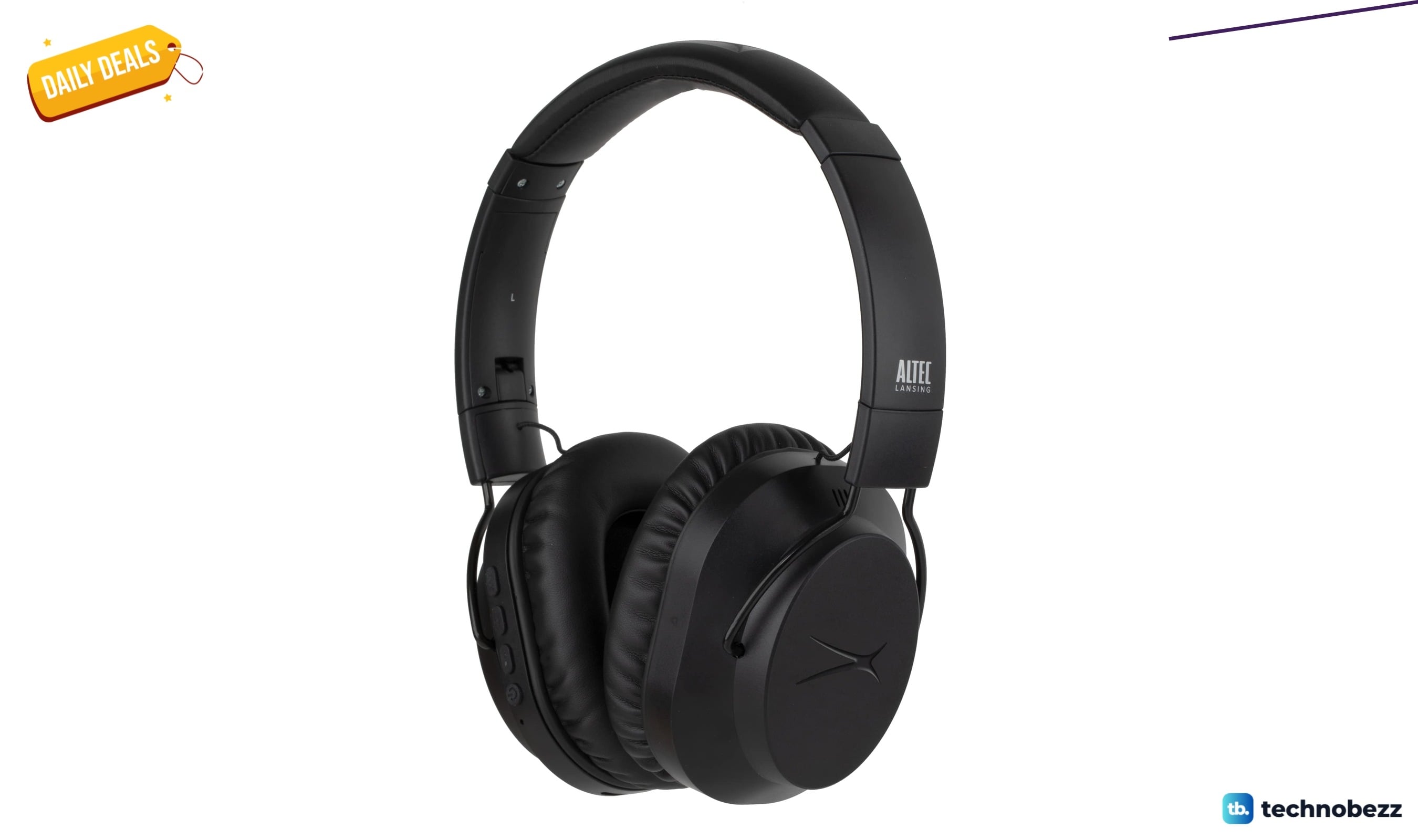
Two headphone deals worth checking today, starting at $31.99
4 min read
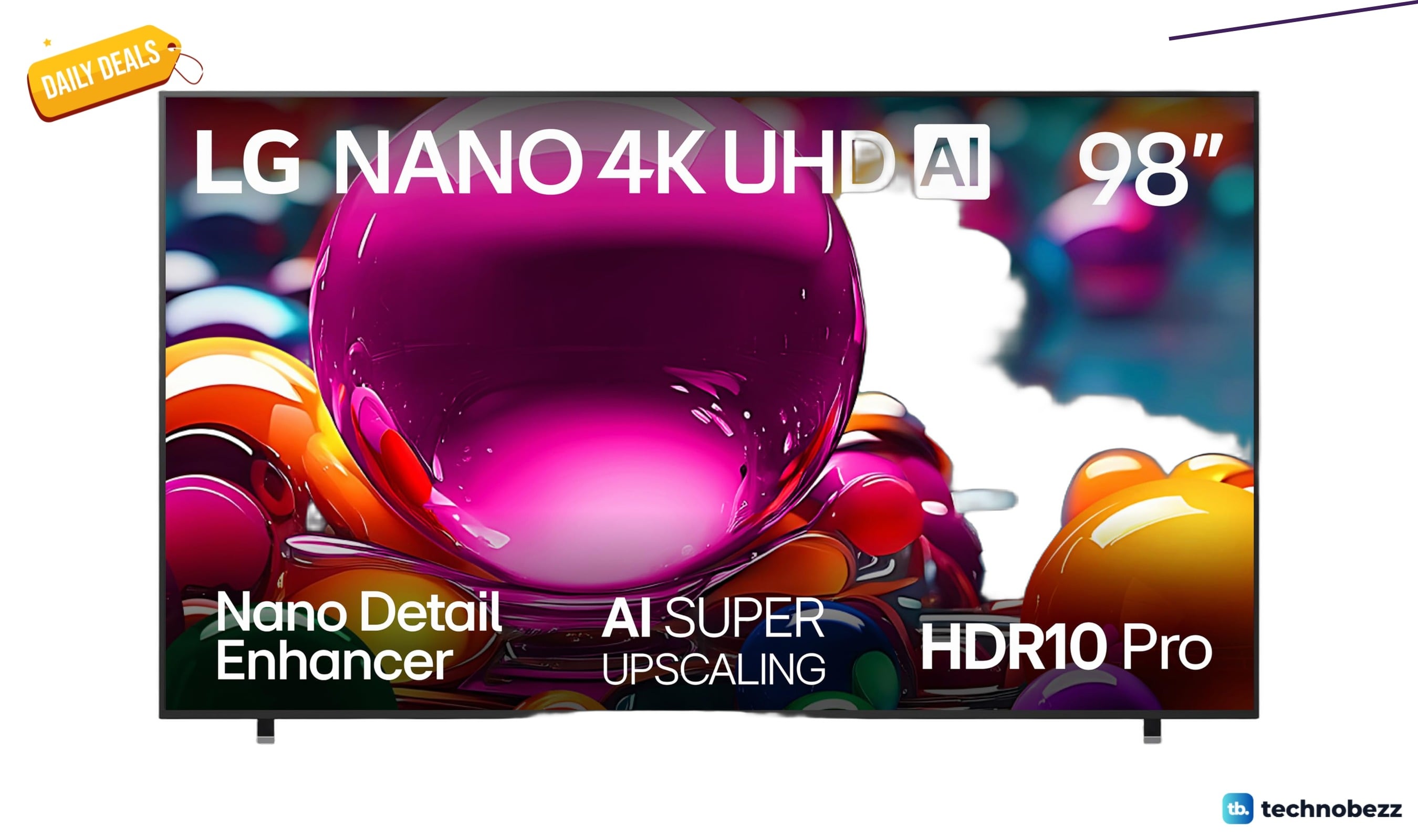
LG Class Nano AI 4K NU85 Smart now selling for $1599.99
3 min read
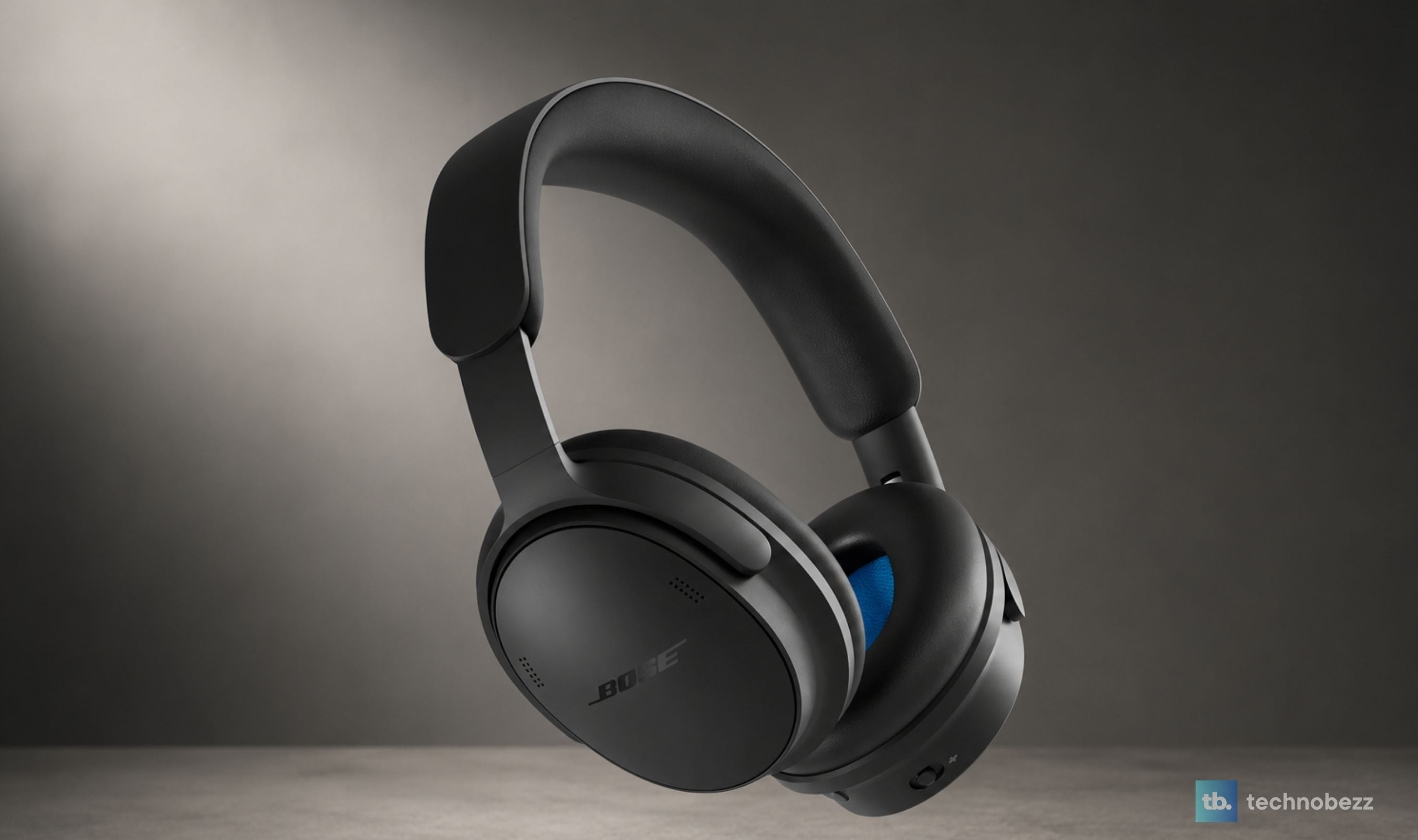
Bose QuietComfort Headphones (2nd Gen) Review, Ultra Features Without the Ultra Price
3 min read
Synology MailPlus five user licence drops to $302.49 on Amazon
5 min read
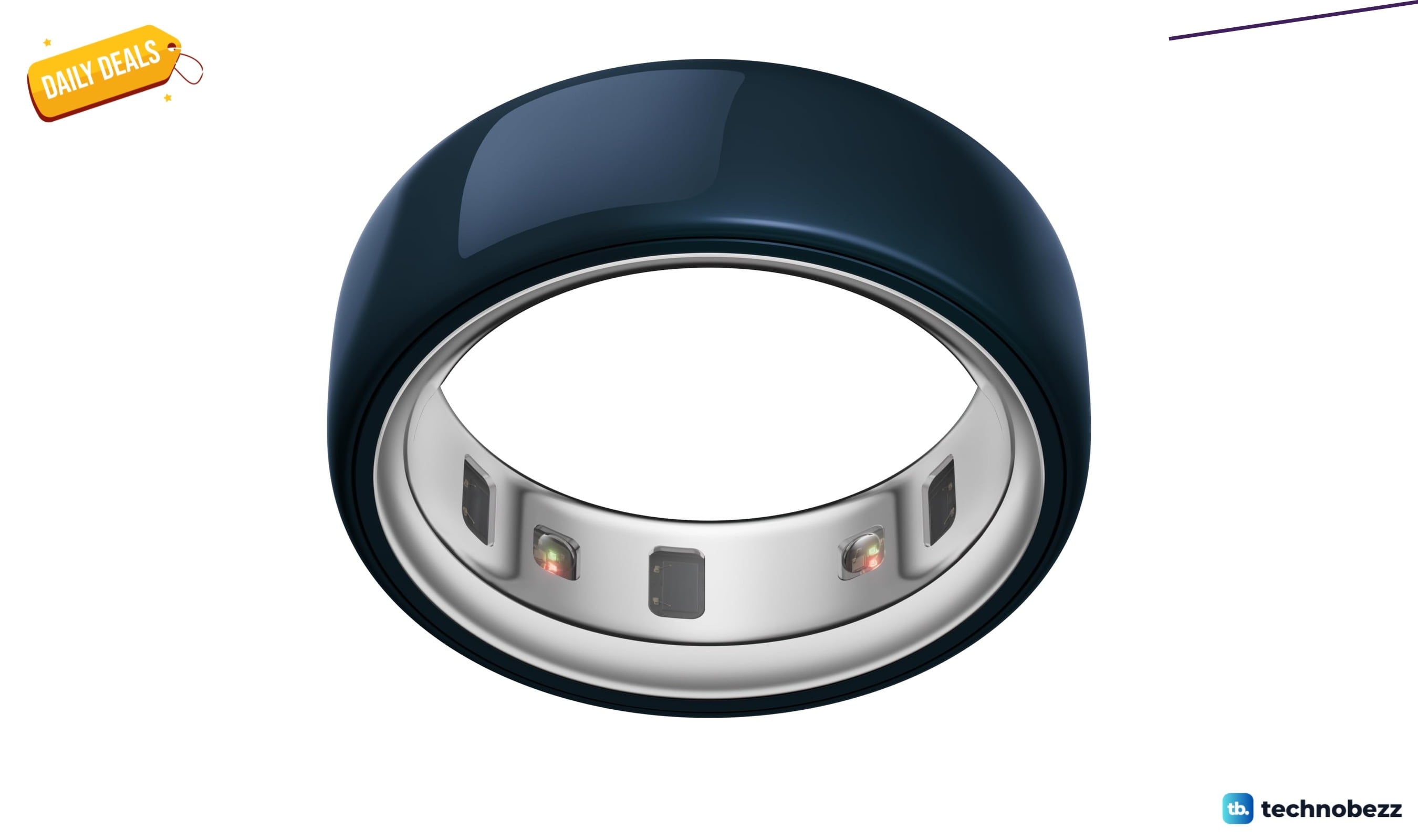
Oura Ring 4 Ceramic Midnight drops to $340 in latest Amazon price cut
3 min read
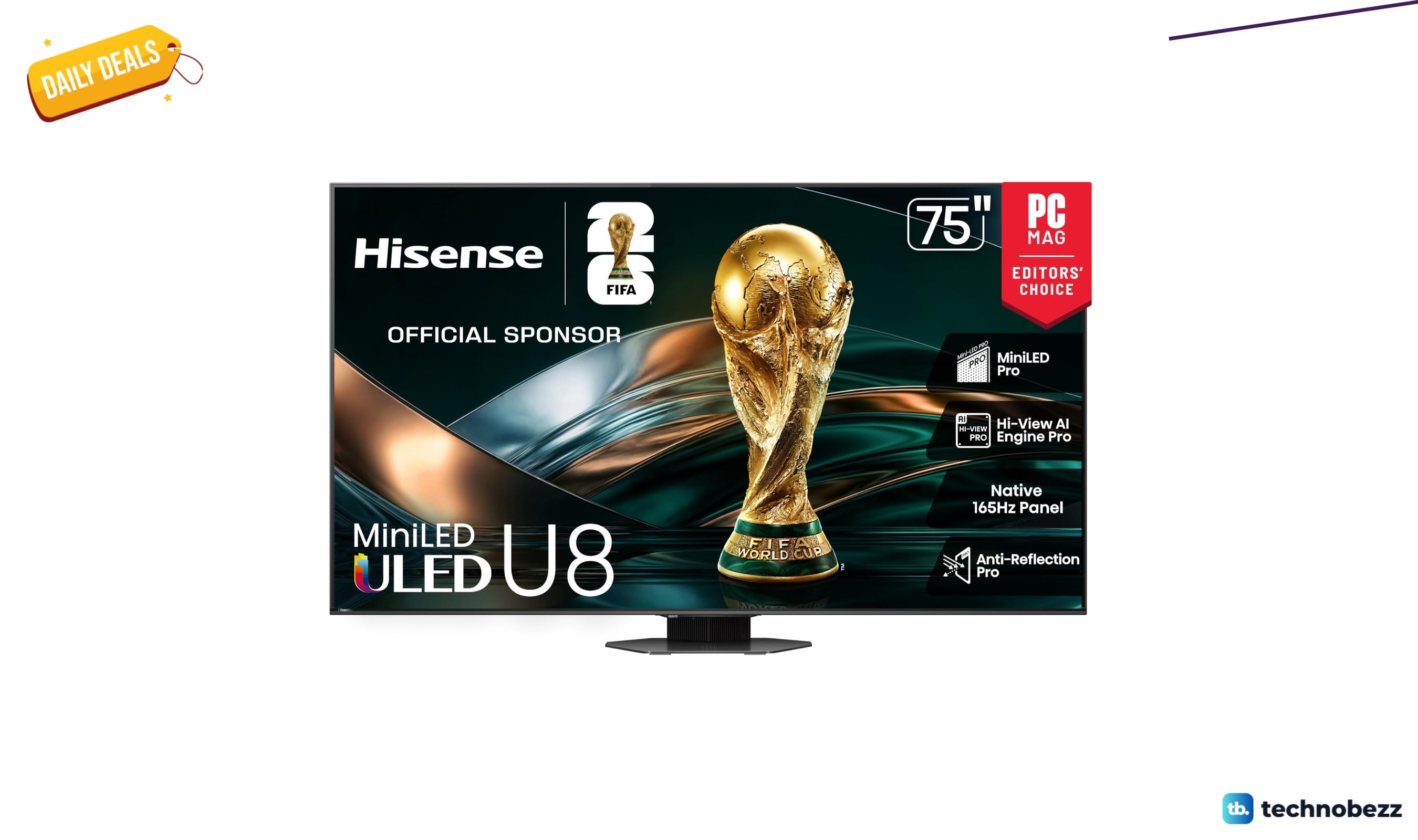
Hisense 75" U8 ULED Mini-LED 4K UHD price drops to $1249.99
3 min read