If you need a camera that can handle anything from mountain biking to underwater diving, the GoPro Hero13 Black delivers the best overall package. For creators who shoot in low light or want more creative control, the DJI Osmo Action 6 offers unique features like adjustable aperture. This list helps you choose based on what matters most for your specific adventures.
Technobezz is supported by its audience. We may get a commission from retail offers.
8 Best Action Cameras for 2026
GoPro Hero13 Black leads our picks for 2026. Compare top action cameras from DJI and Insta360 for low light, value, and 360 video.
T
Technobezz
Editorial Team
Updated September 5, 2026Sep 5, 2026
•7 min read

Get Deals Like These in Your Inbox
The best prices, straight to your inbox.
On GoogleFollow Technobezz: add us as a preferred source.

At a Glance
| Category | Product | Why We Picked It |
|---|---|---|
| Best overall | GoPro Hero13 Black | 5.3K60 video and optional HB-Series Lens Mods |
| Best for low light | DJI Osmo Action 6 | Adjustable aperture and large sensor |
| Best 360 camera | Insta360 X6 | 8K50fps 360 video with dual 1/1.1-inch sensors |
| Best value | DJI Osmo Action 4 | 4K120fps recording, 10-bit color and 18-meter waterproofing |
| Best wearable | Insta360 Go Ultra | Tiny form factor with flip-up screen |
| Also recommended | GoPro Hero12 | 5.3K60 video with support for Hero9–12 Enduro batteries |
| Also recommended | Insta360 Ace Pro 2 | Strong all-rounder with great AI features |
| Also recommended | Akaso Brave 7 LE | Solid budget 4K camera |
How we chose
Our selection process focused on the core attributes that define a top-tier action camera. We prioritized exceptional video stabilization, robust battery performance, and image quality that excels in diverse lighting. Our final assessment also weighed each model's durability, intuitive controls, and the versatility of its mounting ecosystem.
The best action cameras right now
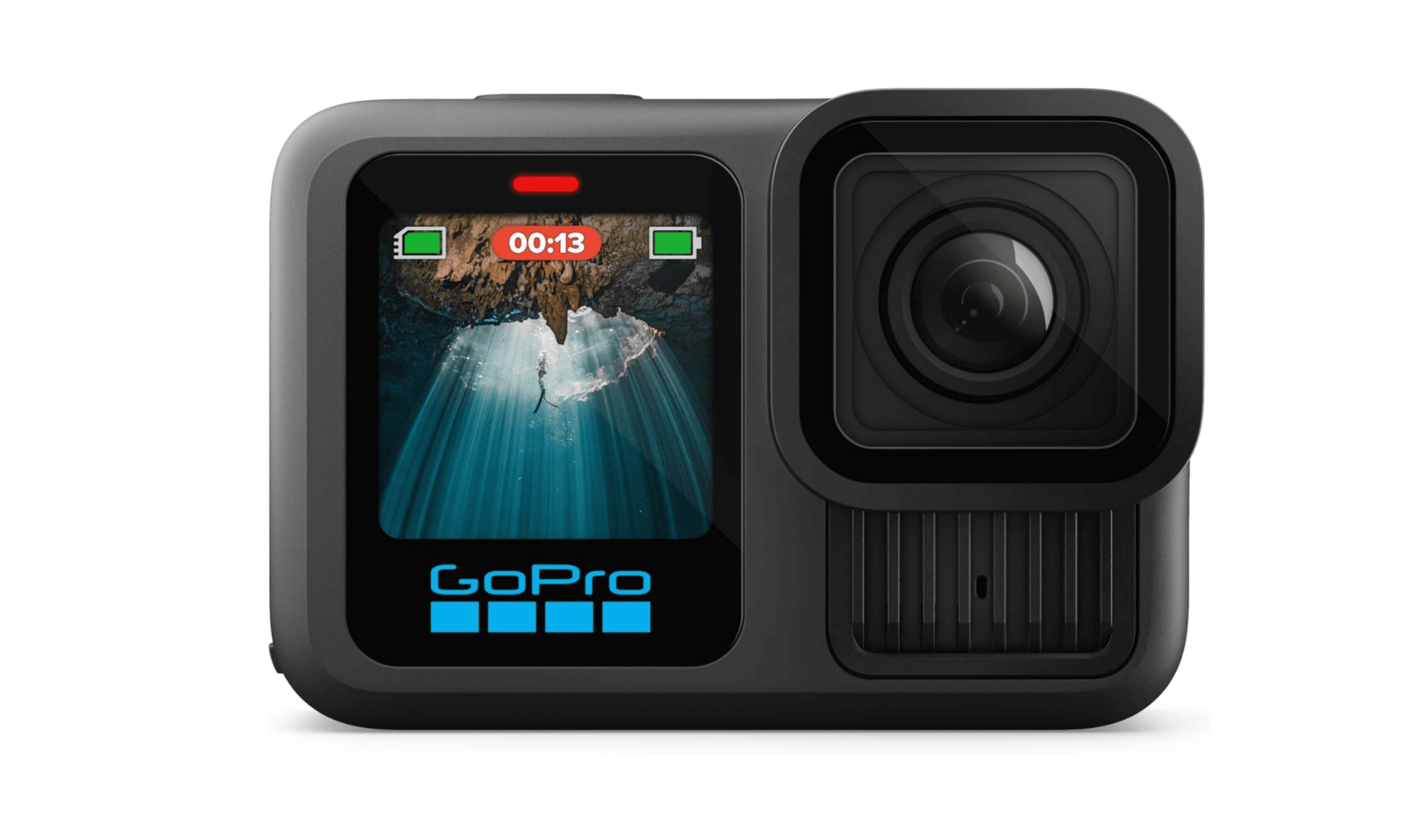
GoPro Hero13 Black - Best overall
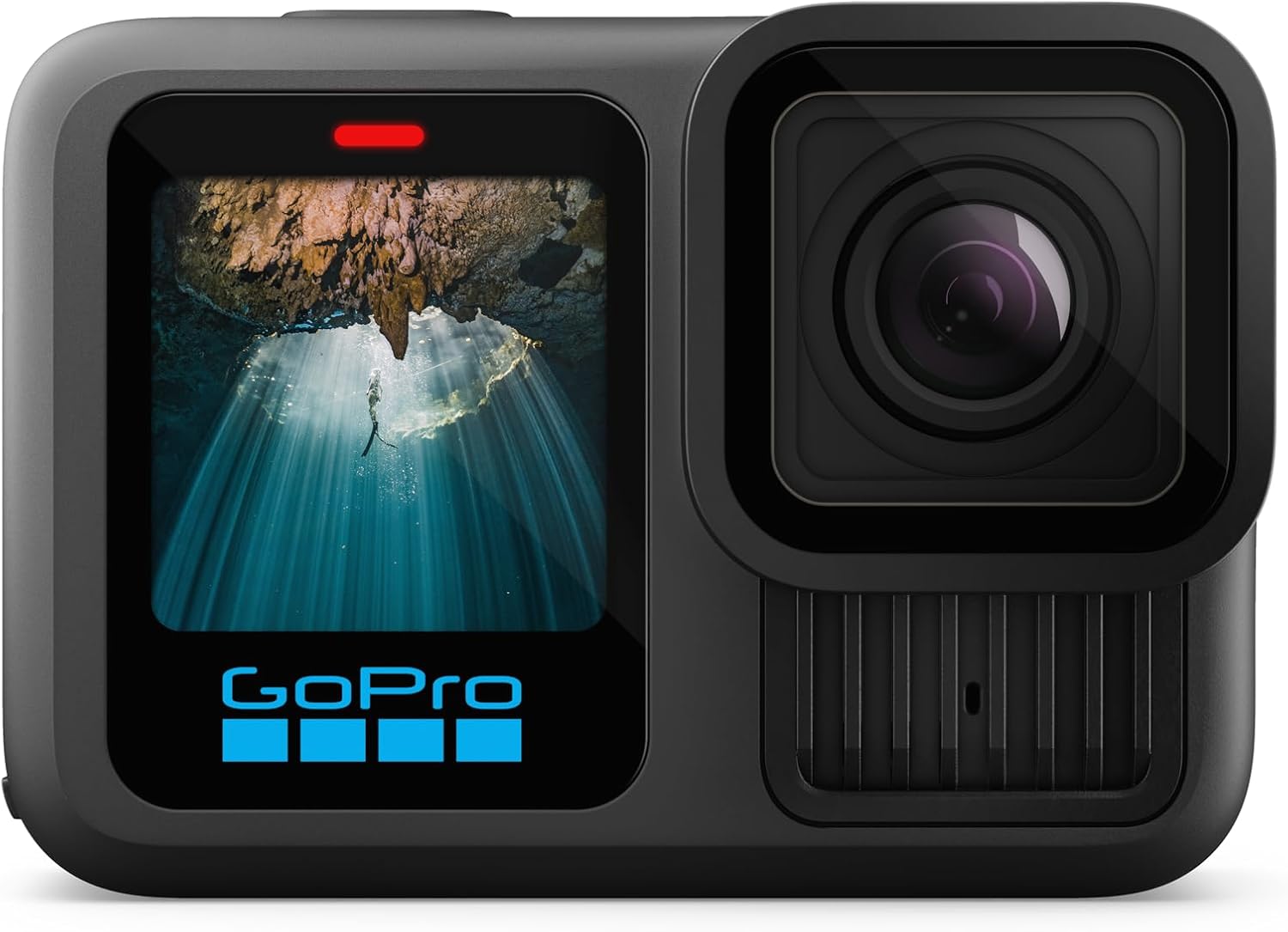
The Hero13 Black combines 5.3K60 video, HyperSmooth 6.0 stabilization, and support for optional HB-Series Lens Mods.
Key highlights
- 5.3K video at 60fps with impressive detail retention
- Compatible with separately sold HB-Series Lenses, including Ultra Wide, Macro, and Anamorphic Lens Mods
- HyperSmooth 6.0 stabilization for smooth footage in any conditions
- Waterproof to 10 meters without additional housing
- Tall image sensor allows easy cropping for vertical content
Pros
- Largest accessory ecosystem with mounts for virtually any situation
- Intuitive interface that beginners find easy to use
- Reliable performance across temperature extremes
- Excellent mobile app for editing and sharing
Cons
- Subscription model pushes additional costs
- Can overheat during extended 4K recording sessions
- Higher price point than some competitors
Who it is for: Anyone wanting the most complete action camera package with proven reliability and extensive accessory support.
Skip if
You're on a tight budget or prioritize low-light performance above all else.
DJI Osmo Action 6 - Best for low light
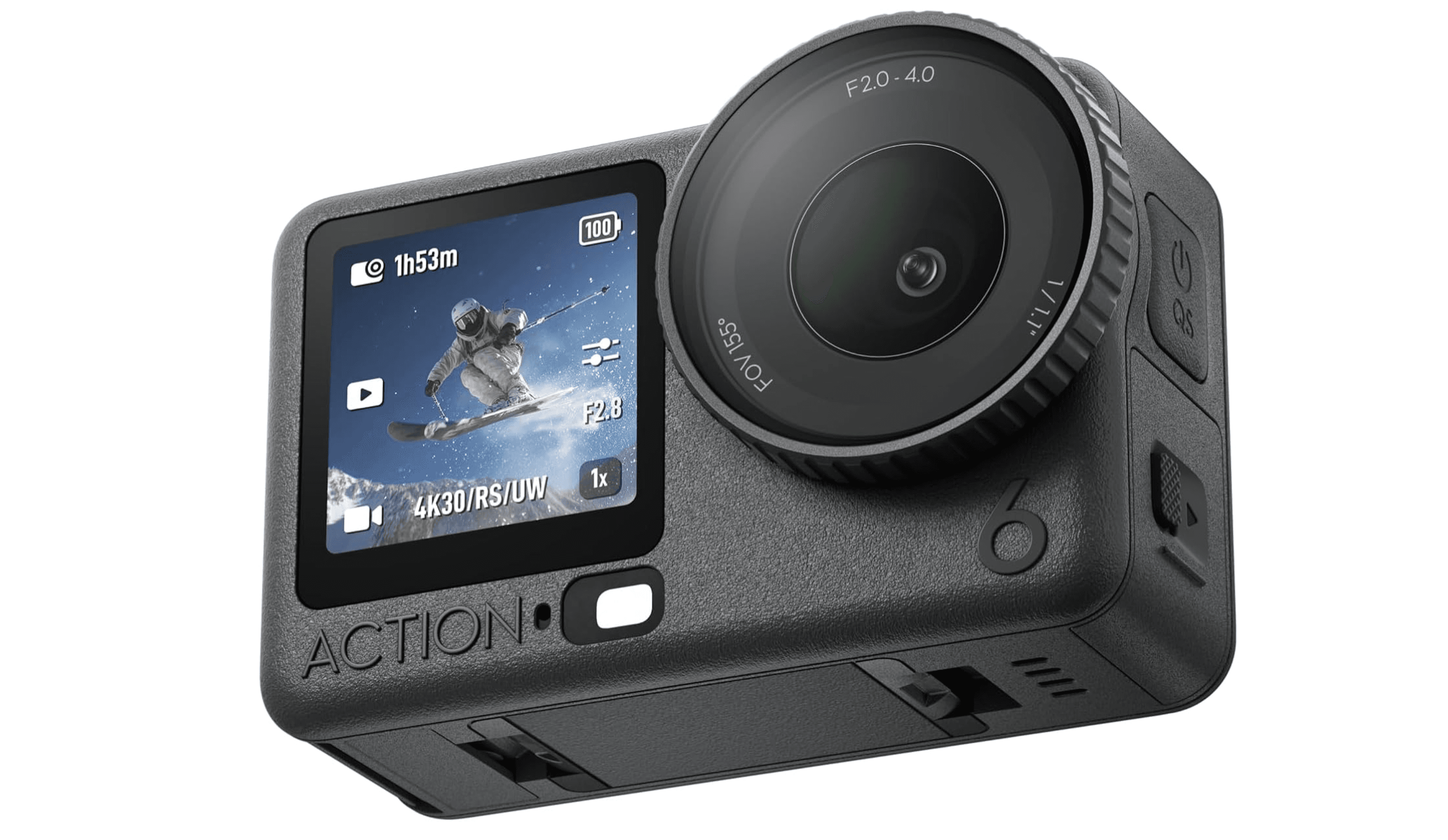
DJI's latest action camera brings professional features to the category, including the first adjustable aperture on an action camera and exceptional low-light performance.
Key highlights
- Adjustable aperture (f/2.0-f/4.0) for creative depth of field control
- Large 1/1.1-inch sensor excels in low-light conditions
- Dual touchscreens for easy framing and operation
- 8K video capability with excellent detail
- Direct compatibility with DJI wireless microphone system
Pros
- Best-in-class low-light performance
- Professional features like adjustable aperture and D-Log M color profile
- Excellent battery life with swappable batteries
- Magnetic mounting system for quick attachment
Cons
- Higher learning curve for advanced features
- Accessory ecosystem not as extensive as GoPro's
- Some users report firmware update issues
Who it is for: Creators who shoot in challenging lighting conditions or want professional-level control over their footage.
Skip if
You prefer the simplest possible operation or need the widest range of specialized mounts.
Insta360 X6 - Best 360 camera
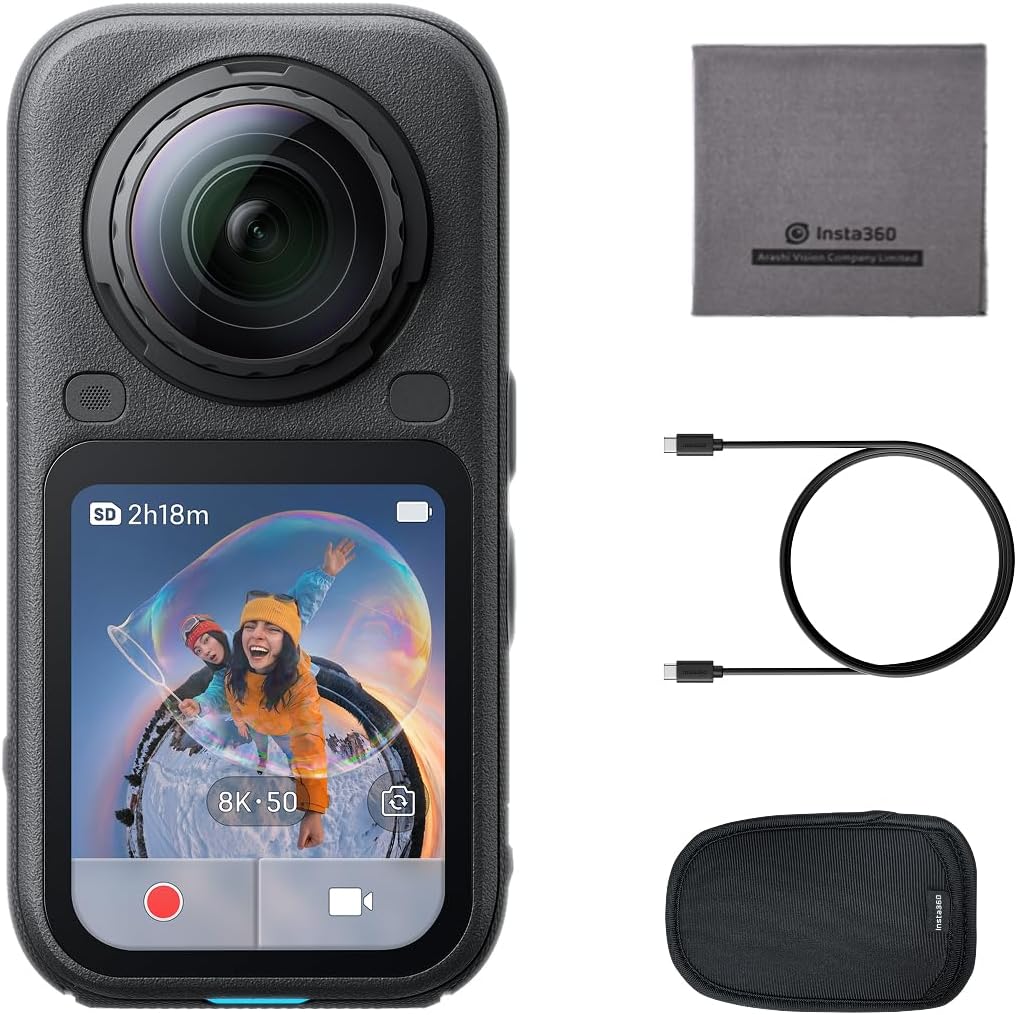
The X6 records 8K 360-degree video at up to 50fps with dual 1/1.1-inch sensors, letting you choose your framing after recording.
Key highlights
- 8K 360-degree video at up to 50fps
- Dual 1/1.1-inch sensors and 10-bit color
- User-replaceable lenses for repairing scratches or damage
- FlowState stabilization and 360-degree Horizon Lock
- Waterproof to 20 meters without a case
Pros
- Choose viewing angles after recording in 360
- InstaFrame 2.0 outputs ready-to-share 4K flat video
- Replaceable lenses simplify repairs
- Built-in storage lets you record without a microSD card
Cons
- Reframing 360 footage adds an editing step
- Selfie stick is not included in the standard package
- Only 47GB of the built-in 64GB storage is usable
Who it is for: Creators wanting maximum flexibility in post-production or those specifically interested in 360-degree content.
Skip if
You prefer straightforward shooting without extensive editing or need traditional 16:9 footage most of the time.
DJI Osmo Action 4 - Best value
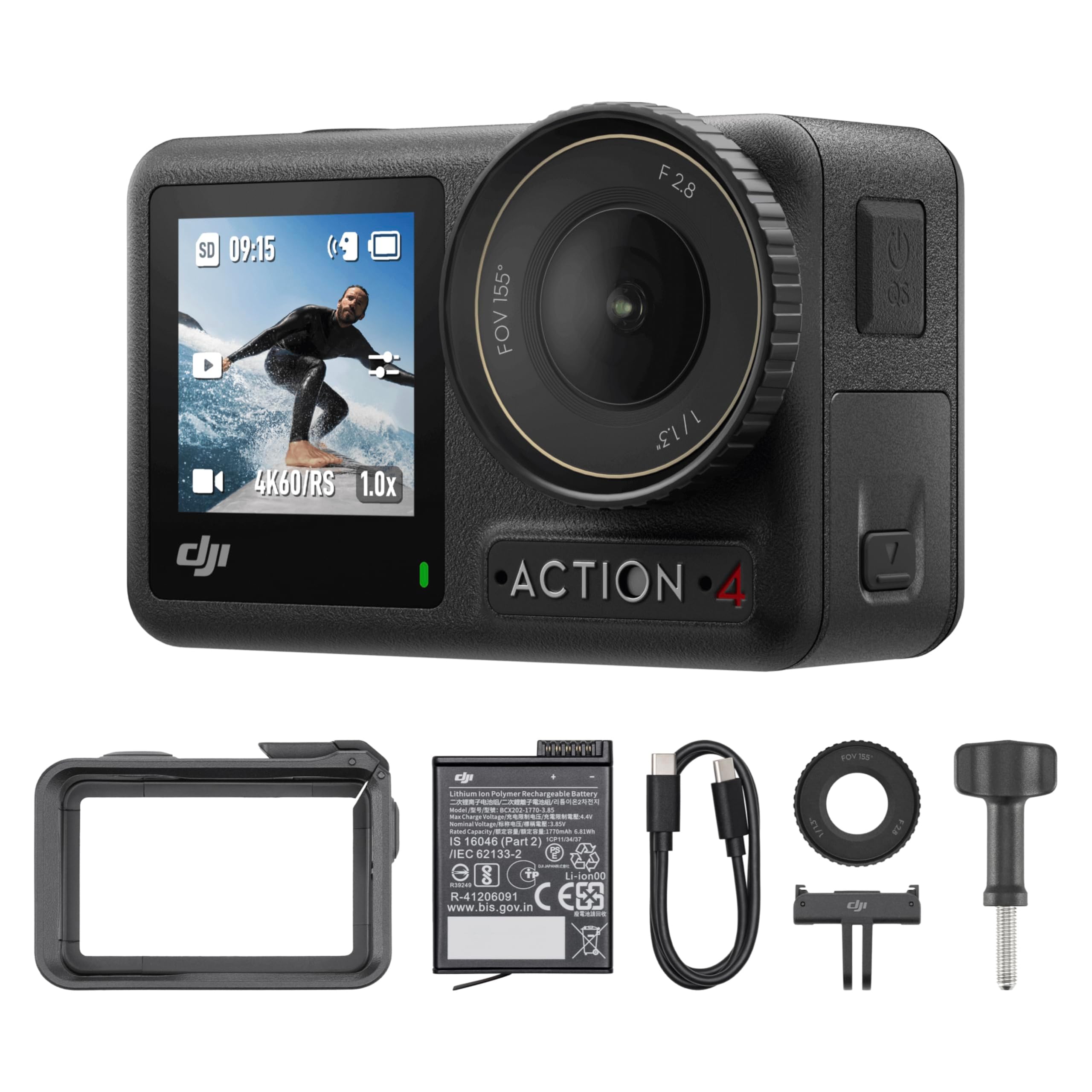
The Action 4 pairs a 1/1.3-inch sensor with 4K120fps recording and 10-bit D-Log M color, covering the essentials for budget-conscious adventurers.
Key highlights
- 1/1.3-inch sensor for good low-light performance
- 4K video at 120fps for smooth slow-motion
- RockSteady 3.0 stabilization for steady footage
- Waterproof to 18 meters without housing
- Compatible with DJI's magnetic mounting system
Pros
- Excellent performance-to-price ratio
- Good low-light capabilities for the price
- Reliable stabilization system
- Compatible with affordable third-party accessories
Cons
- Lacks some advanced features of newer models
- Front screen is smaller than the rear display
- Software updates may be less frequent
Who it is for: Adventurers who want solid performance without paying premium prices for the latest features.
Skip if
You need the absolute latest features or plan to use professional audio equipment extensively.
Insta360 Go Ultra - Best wearable
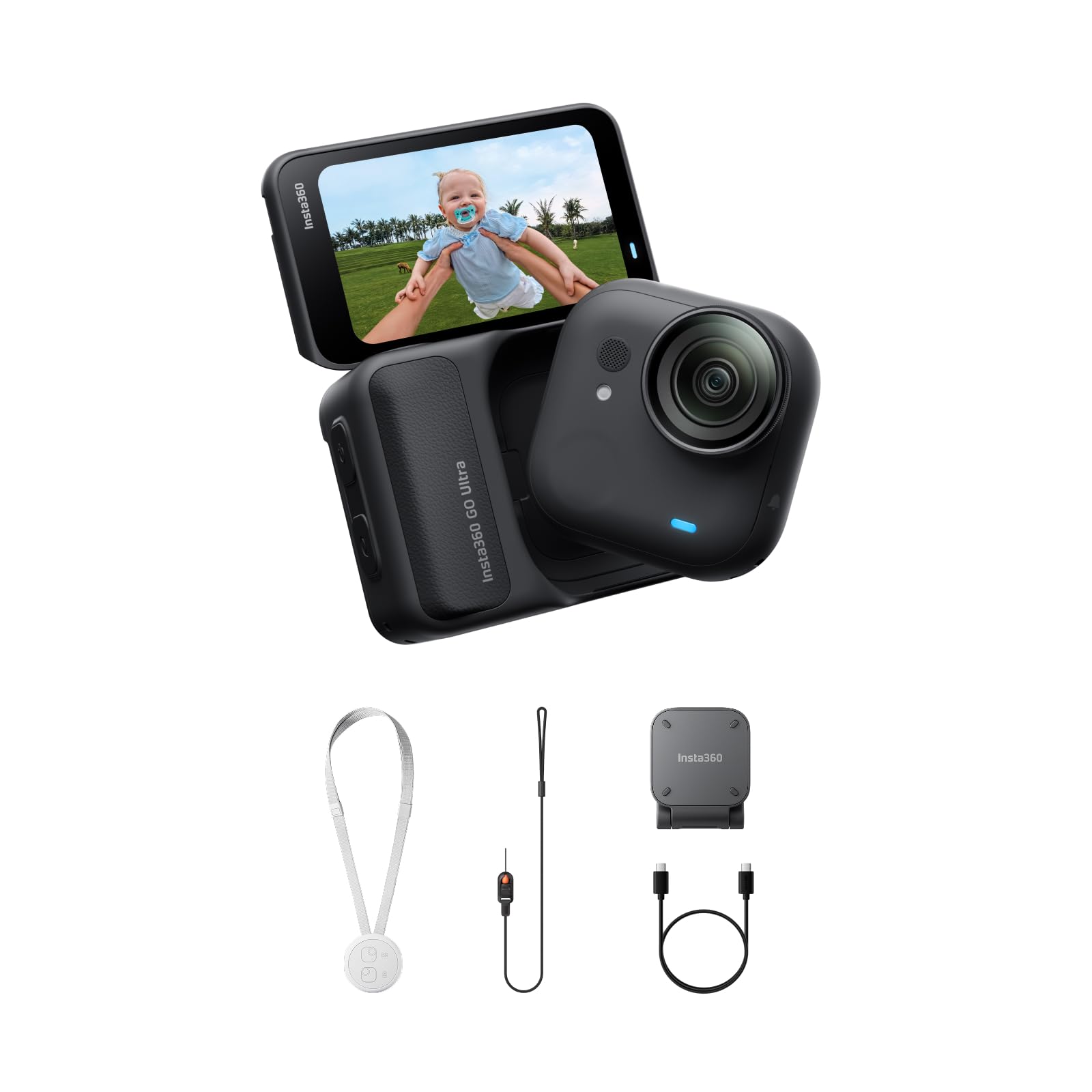
This tiny camera redefines what's possible in a wearable form factor, offering 4K video in a package small enough to mount anywhere without sacrificing key features.
Key highlights
- Ultra-compact design weighing just 53 grams
- 4K video at 60fps in a wearable form factor
- Included Action Pod with flip-up screen for vlogging
- Magnetic mounting system for easy attachment
Pros
- Truly wearable design that disappears on your person
- Excellent for first-person perspective shots
- Flip-up screen makes vlogging intuitive
- Good stabilization despite tiny size
Cons
- Shorter battery life than larger cameras
- Limited manual controls
- Action Pod is only splashproof and cannot be submerged
Who it is for: Vloggers, travelers, and adventurers who prioritize portability and discreet mounting options.
Skip if
You need extended recording times or plan to shoot extensively in low-light conditions.
Also Good
- GoPro Hero12 - 5.3K60 video and compatibility with Hero9–12 Enduro batteries.
- Insta360 Ace Pro 2 - strong all-rounder with great AI features.
- Akaso Brave 7 LE - solid budget 4K camera.
How to Choose
Consider these factors when selecting your action camera:
Image quality needs: Most cameras now offer 4K, but consider if you need higher resolutions like 5.7K or 8K. More important than maximum resolution is performance in your typical shooting conditions, especially low light.
Stabilization requirements: All modern action cameras include electronic stabilization, but quality varies. If you shoot high-movement activities like mountain biking or skiing, prioritize cameras with proven stabilization systems.
Battery life and charging: Consider how long you typically shoot between charges. Some cameras offer better battery life or faster charging, which matters for extended adventures without power access.
Accessory compatibility: If you already own mounts or plan to use specialized accessories, check compatibility. GoPro has the widest ecosystem, but DJI and Insta360 have solid options too.
Editing workflow: Some cameras come with more advanced editing software or unique features like 360-degree reframing. Consider how much time you want to spend in post-production.
FAQ
Do I need the latest model action camera?
Not necessarily. The DJI Osmo Action 4 still offers 4K120fps recording and 10-bit color. Newer models add features such as the Action 6's variable aperture and 8K recording, so choose based on what you need.
How important is waterproofing without a case?
Check the rating for your exact camera and accessories. The Hero13 Black is waterproof to 10 meters, while the Brave 7 LE needs its included housing for diving. The GO Ultra camera is waterproof to 10 meters, but its Action Pod is only splashproof.
Can action cameras replace my smartphone for video?
For adventure and action scenarios, yes. Action cameras offer better stabilization, durability, and mounting options. For everyday video, smartphones often have better image quality and convenience.
What's the advantage of 360-degree cameras?
Cameras like the Insta360 X6 let you reframe shots after recording, which is invaluable for solo creators or situations where you can't predict the best angle. They also create immersive content for VR viewing.
How much should I budget for accessories?
Plan to spend 20-50% of your camera cost on essential accessories like extra batteries, memory cards, and mounts. The exact amount depends on your specific activities and shooting needs.
Published February 23, 2026 Last updated September 5, 2026
Share this article
More on cameras
Deal
Motorola Moto G 5G Unlocked 6/ MP Camera discounted to $247.99
Buying guide
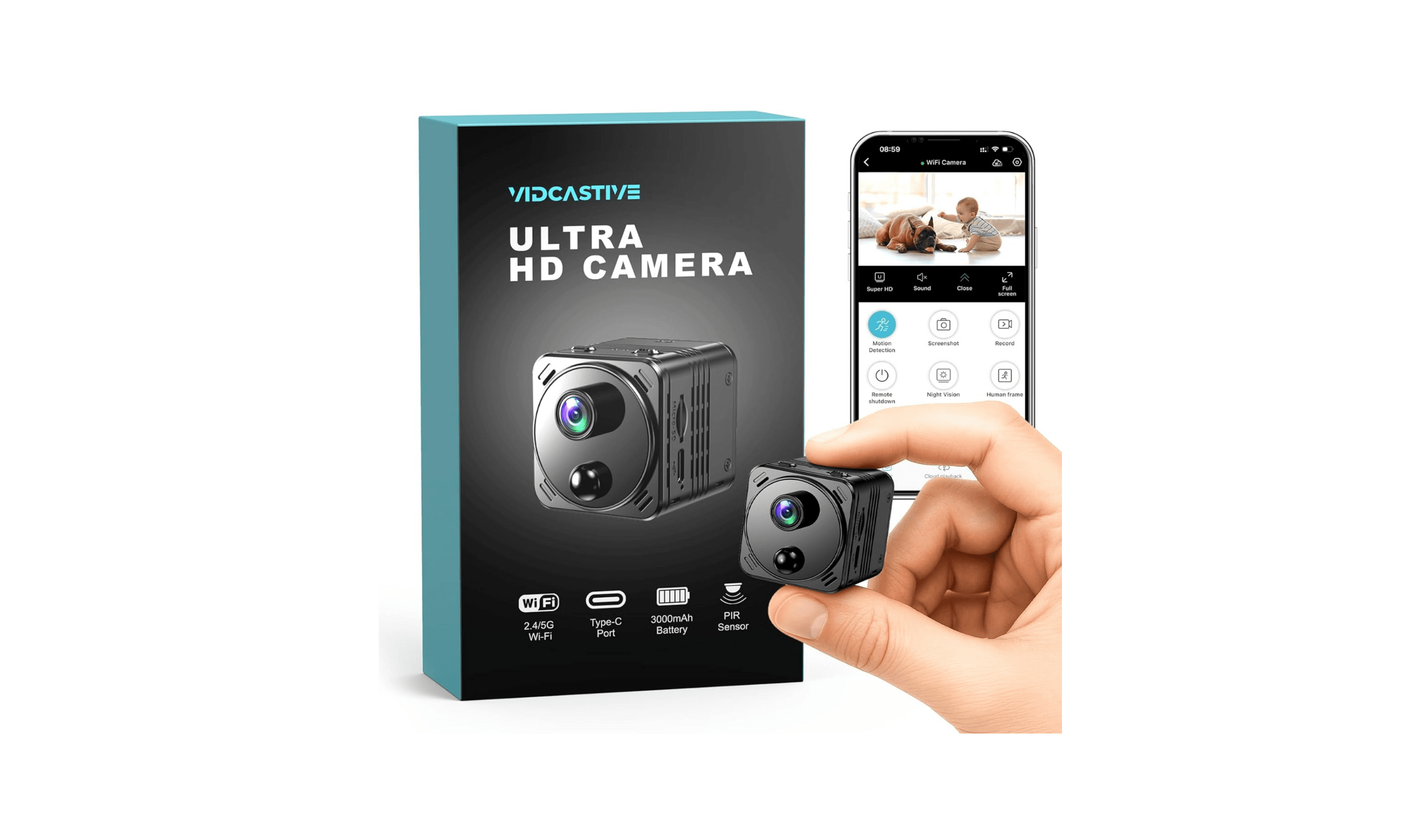
5 Spy Cameras for Home and Portable Monitoring (2026)
Deal
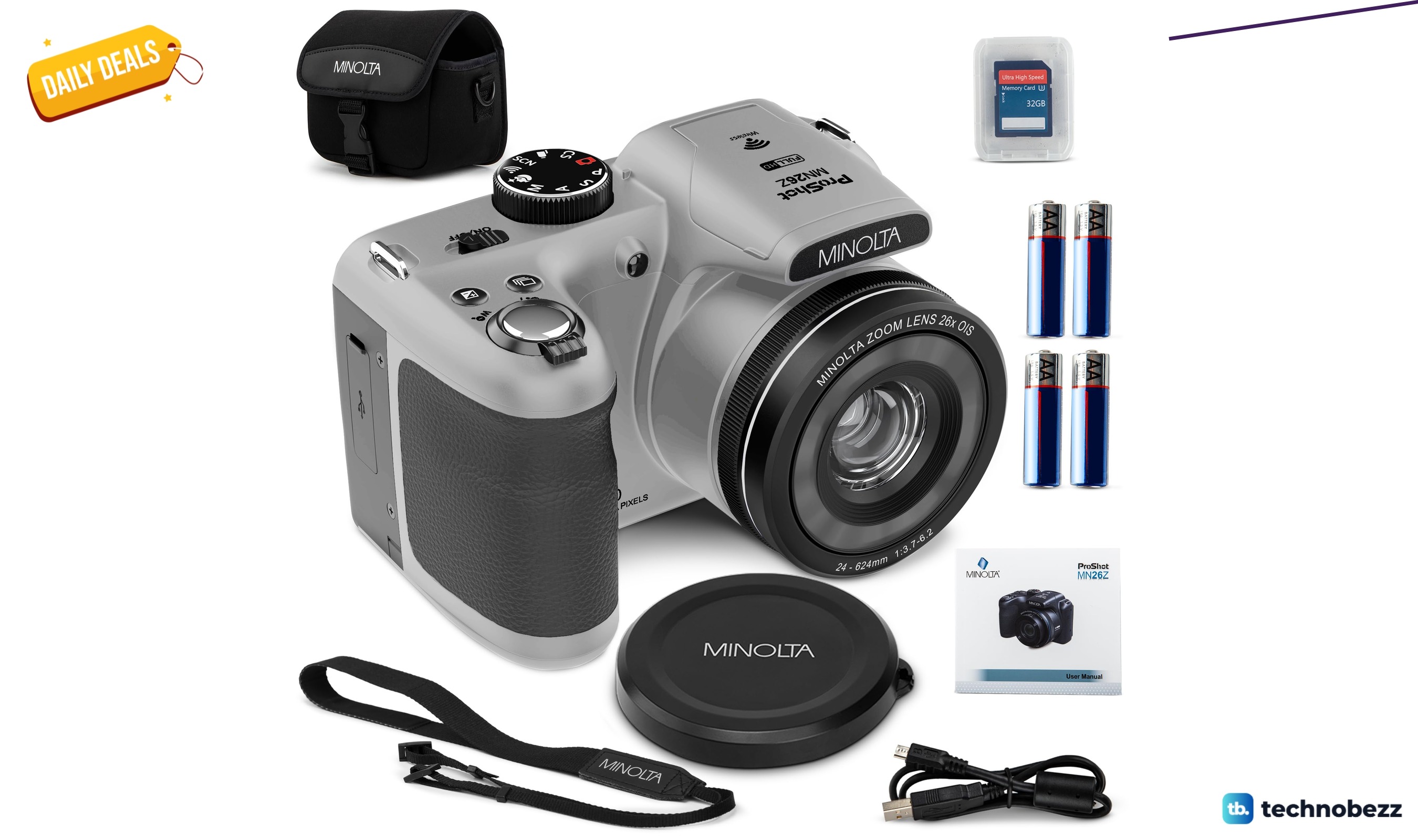
Minolta MN26Z ProShot 20MP Camera price drops to $222.41
Deal
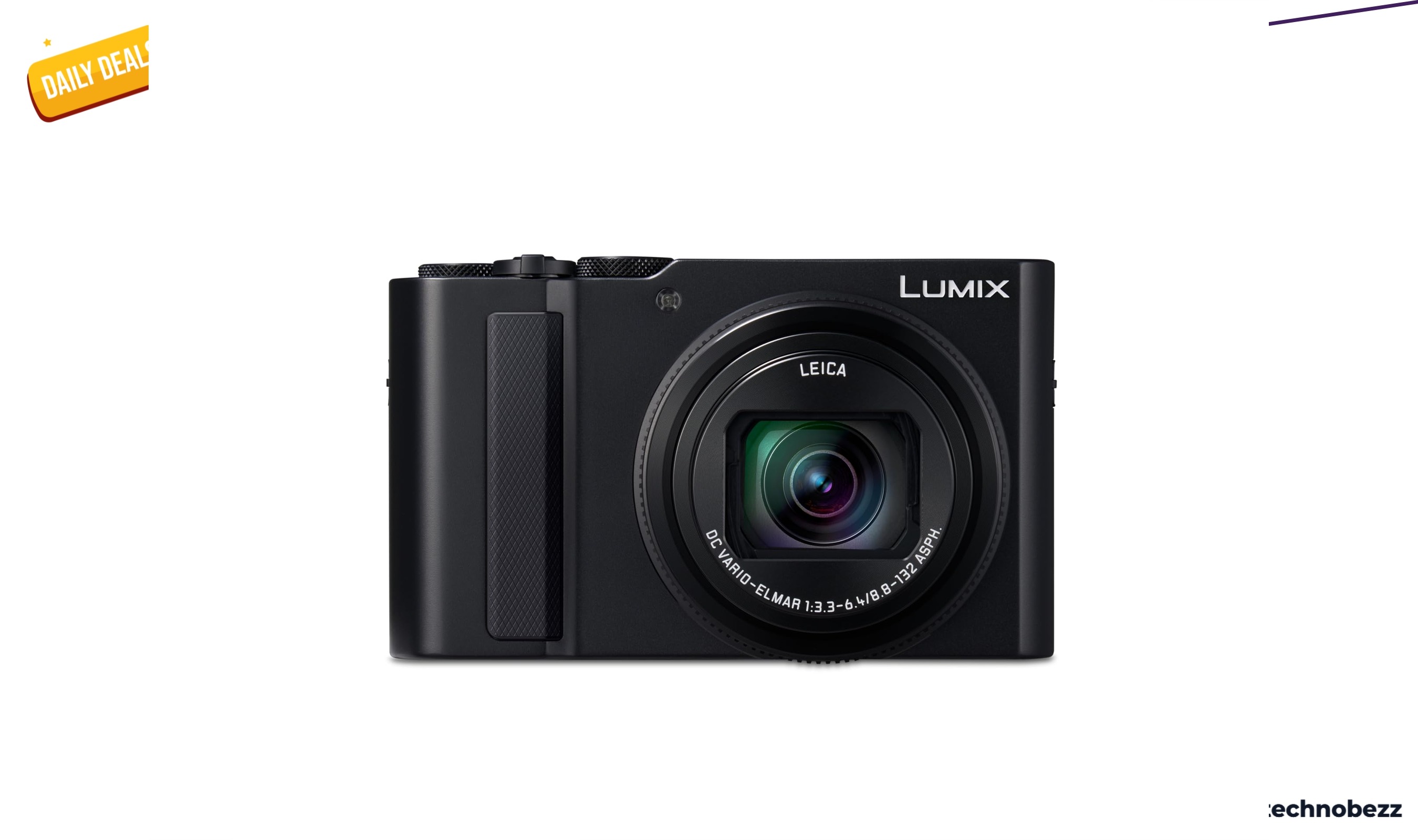
Panasonic LUMIX ZS300 Compact 4K Digital Camera hits new low at $797.99
More buying guides
Buying guide9 Best Keyboards From Top Brands in 2026Buying guide8 Best 60 Percent Keyboards of 2026Buying guideTop 7 Home Theater Systems for 2026Buying guide6 Best Handheld Gaming Consoles for 2026Buying guide6 Best Tablets for Gaming in 2026Buying guide7 Best Laptops for Interior Designers in 2026Buying guide4 Best Budget Laptops Around $300 for 2026Buying guide7 Gaming Consoles for Every Budget in 2026