Portable projectors have evolved from bulky boxes to compact devices that can turn any wall into a screen. The Samsung The Freestyle+ stands out as our top pick for its versatile design and solid performance. This list helps you choose between ultra-portable options for camping, budget-friendly models for casual viewing, and premium picks for home cinema quality.
Technobezz is supported by its audience. We may get a commission from retail offers.
7 Best Portable Projectors for 2026
Samsung The Freestyle 2nd Gen leads our picks for the 8 best portable projectors. Compare top models for value, outdoor use, and premium home cinema in 2026.
T
Technobezz
Editorial Team
Updated September 5, 2026Sep 5, 2026
•9 min read

Get Deals Like These in Your Inbox
The best prices, checked by our editors.
At a Glance
| Category | Product | Why We Picked It |
|---|---|---|
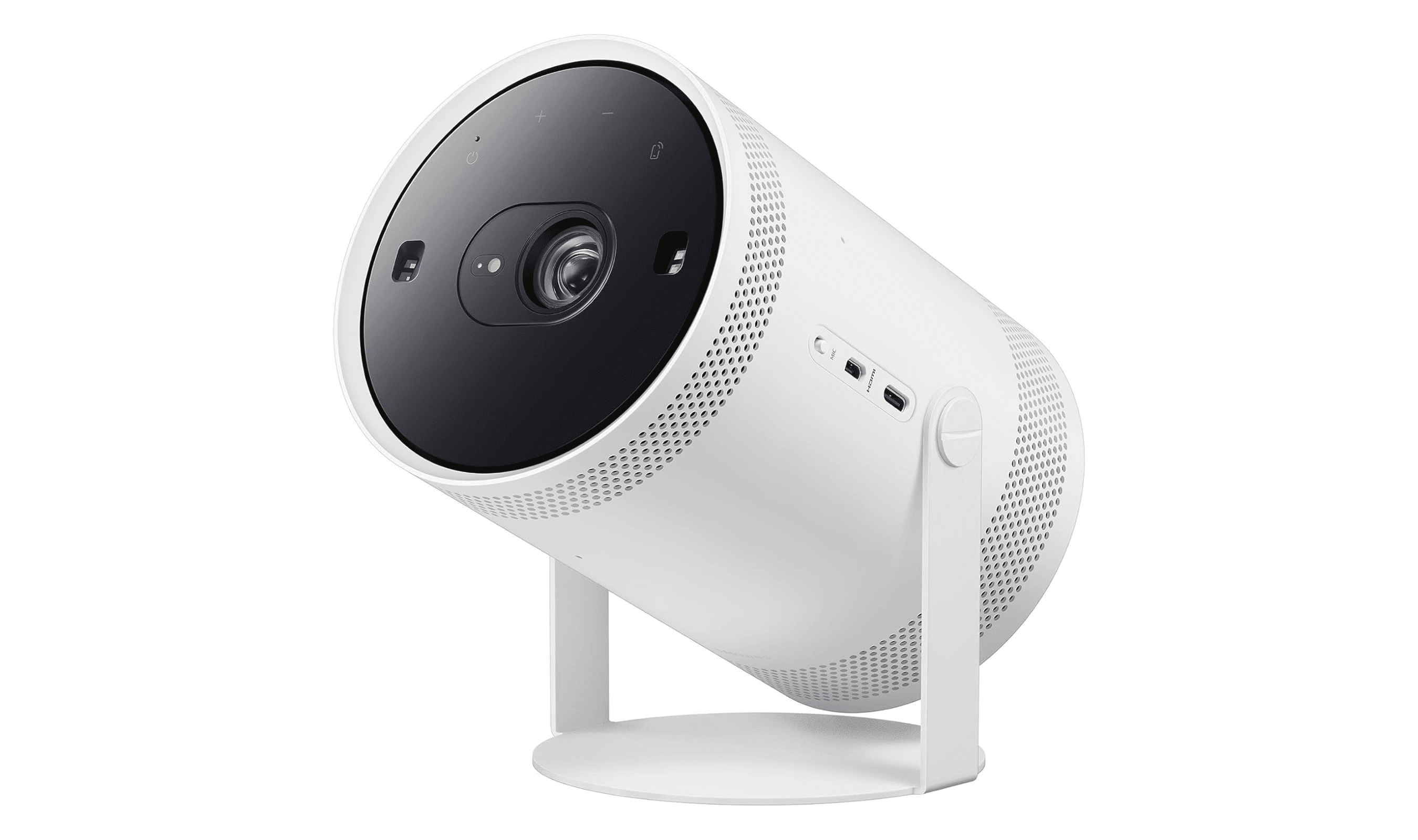
| Best overall | Samsung The Freestyle+ | 1080p, 430 ISO lumens, automatic image adjustment, and 360-degree sound |
| Best value | XGIMI MoGo 4 | Affordable price with Google TV and decent brightness |
| Best for outdoor use | Anker Nebula Mars 3 Air | Built-in battery, Google TV and Netflix officially licensed |
| Best premium | Soundcore Nebula X1S | 4K laser projection, optical zoom, and Google TV with Netflix |
| Best ultra-portable | Kodak Luma 500 | Compact 1080p with Google TV and up to 2 hours of eco-mode battery use |
| Also recommended | Soundcore Nebula P1 | Great audio with detachable speakers |
| Also recommended | Aurzen Eazze D1G | Solid budget 1080p for basics |
How we chose
Our selection prioritized the core attributes that define a great portable projector. Our criteria included brightness for versatile environments, battery life for true portability, and user-friendly setup. We focused on models that deliver reliable image quality and practical features for everyday entertainment.
The best portable projectors right now
Samsung The Freestyle+ - Best overall
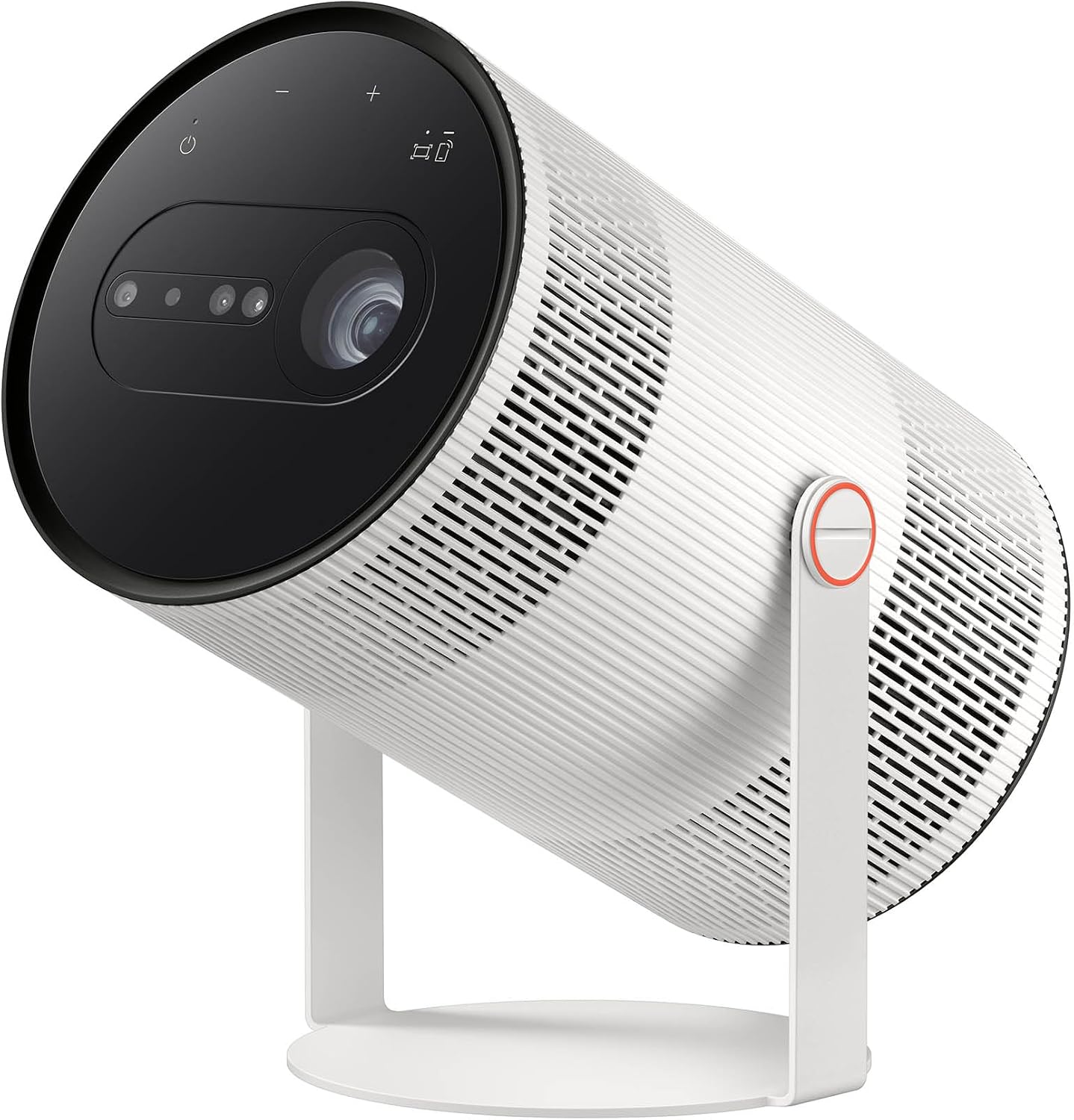
The Freestyle+ combines 1080p resolution, up to 430 ISO lumens, and automatic image adjustment in a compact design. Built-in streaming apps, Gaming Hub, and 360-degree sound make it convenient to move between viewing spots.
Key highlights
- 1080p resolution with HDR10+ support
- Up to 430 ISO lumens brightness
- AI OptiScreen image adjustment and real-time focus
- Streaming apps and Samsung Gaming Hub
- 360-degree sound with Q-Symphony support
Pros
- Automatic alignment and focus simplify setup
- Compact design is easy to reposition
- Streams shows and cloud games without a separate player
- Can synchronize audio with compatible Samsung soundbars
Cons
- Limited to 1080p resolution
- External battery sold separately
- Streaming apps require a Samsung account and internet access
Who it is for: People who want one versatile projector for both indoor and outdoor use, with easy setup and good sound.
Skip if
You need maximum brightness for daytime viewing or have a strict budget.
XGIMI MoGo 4 - Best value
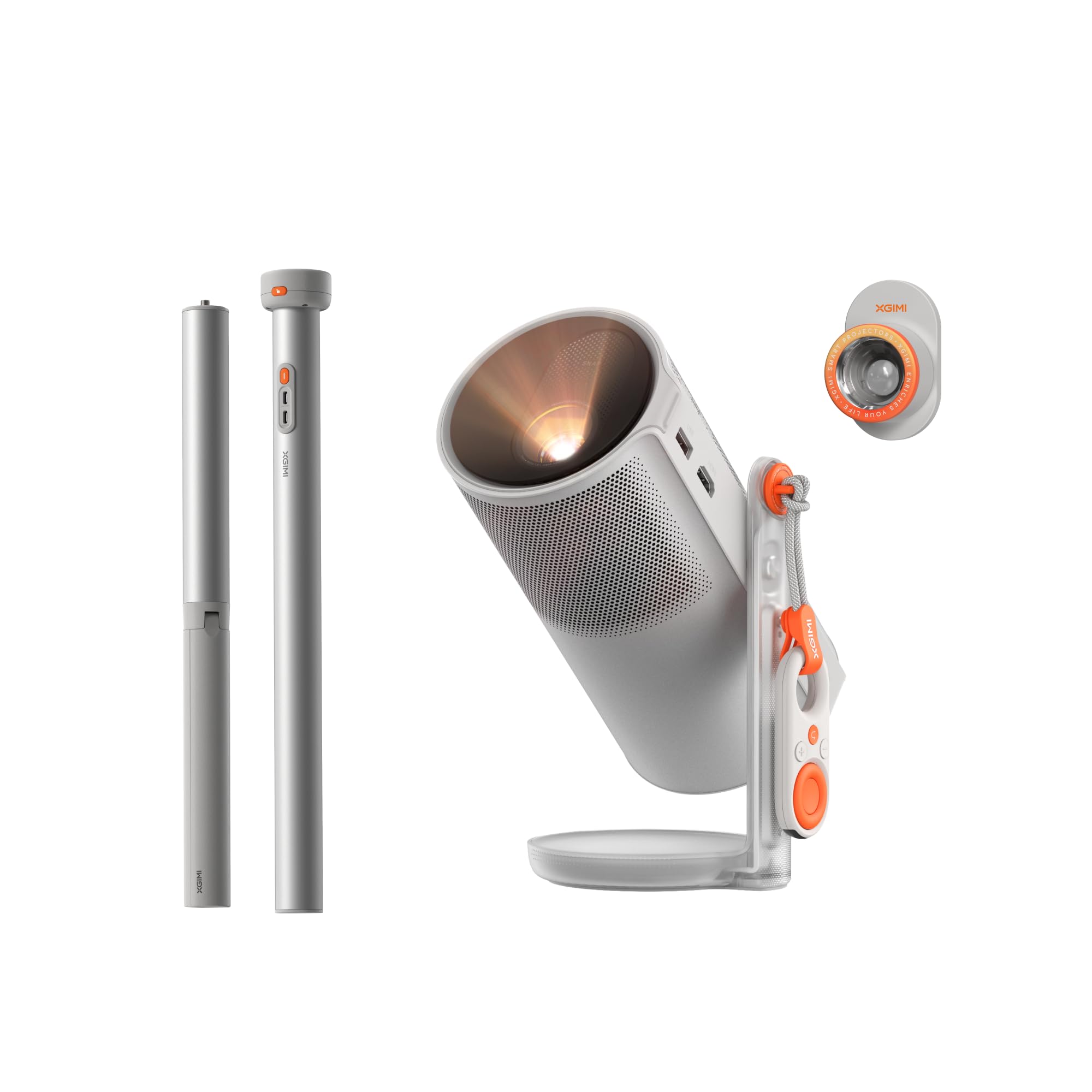
This projector offers Google TV integration and 450 ISO lumens of brightness for viewing in dark rooms. It strikes a good balance between features and affordability.
Key highlights
- Built-in Google TV with Netflix support
- 1080p resolution with 450 ISO lumens brightness
- Compact cylindrical design
- Auto focus and keystone correction
- Includes PowerBase Stand that doubles playtime up to 5 hours
Pros
- Excellent value for money
- Full Google TV experience
- Easy automatic setup
- Good picture quality in dark conditions
Cons
- Struggles in brighter rooms
- Some interface lag when first turned on
- Limited battery life for longer movies without the PowerBase Stand
Who it is for: Budget-conscious buyers who want smart features and decent performance without breaking the bank.
Skip if
You need to use it in well-lit rooms or want longer battery life for outdoor movie nights without the included stand.
Anker Nebula Mars 3 Air - Best for outdoor use
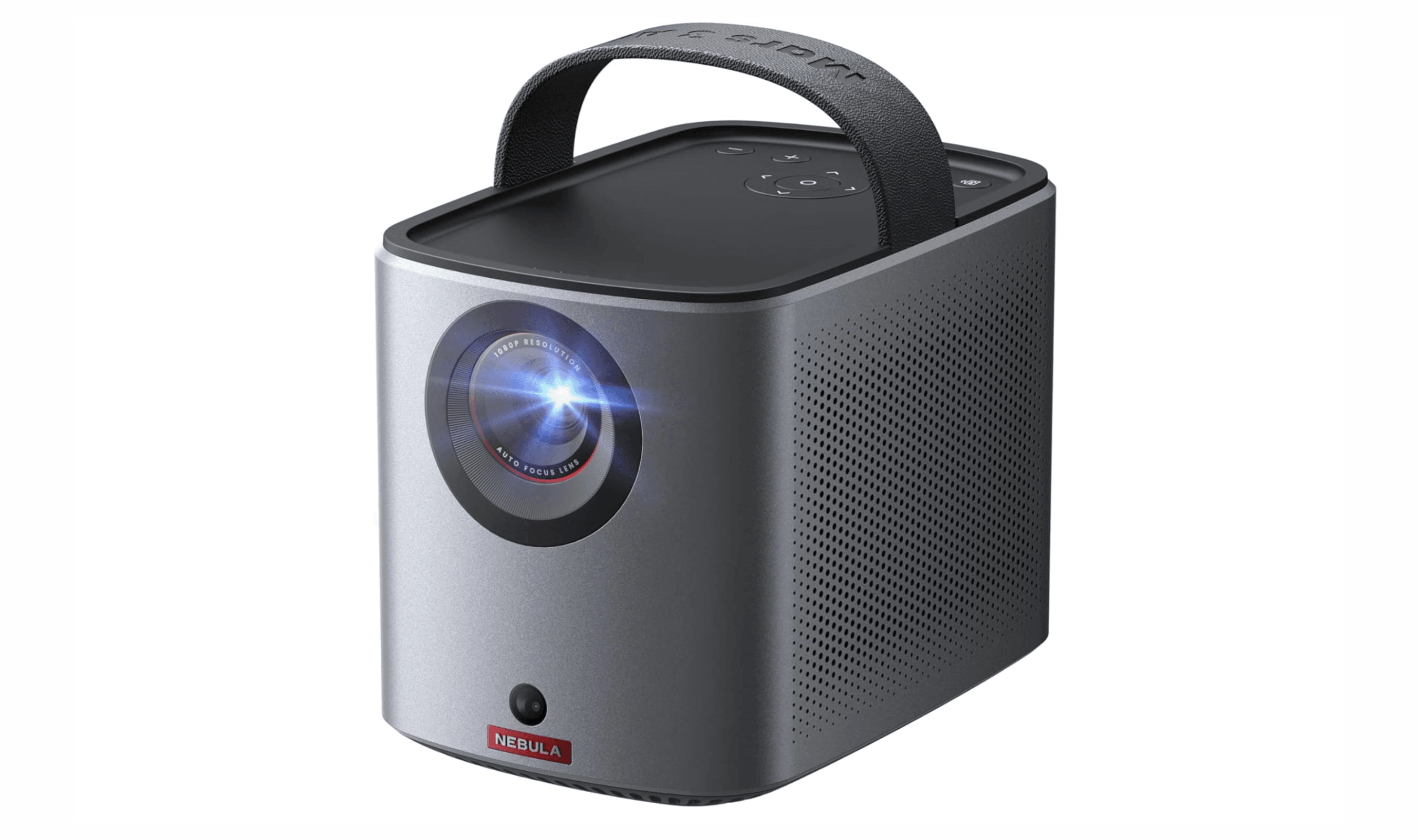
With its built-in battery and Google TV streaming, this projector is built for camping trips and backyard movie nights. Its 400 ANSI lumens and 2.5-hour playtime make it a solid pick for after-dark outdoor viewing.
Key highlights
- 1080p HDR display with 400 ANSI lumens
- Up to 2.5 hours of playtime on a built-in battery
- Dual 8W speakers with Dolby Audio
- Built-in handle for easy carrying
- Google TV with officially licensed Netflix
Pros
- Excellent battery life for outdoor use
- Netflix officially licensed with Google TV
- Good brightness for outdoor evenings
- Easy to transport
Cons
- Heavier than some portable options
- Picture quality lags behind home theater projectors
- Limited to darker outdoor conditions
Who it is for: Campers, outdoor enthusiasts, and anyone who needs a projector that can handle being outside.
Skip if
You only plan to use it indoors or want the absolute best picture quality available.
Soundcore Nebula X1S - Best premium
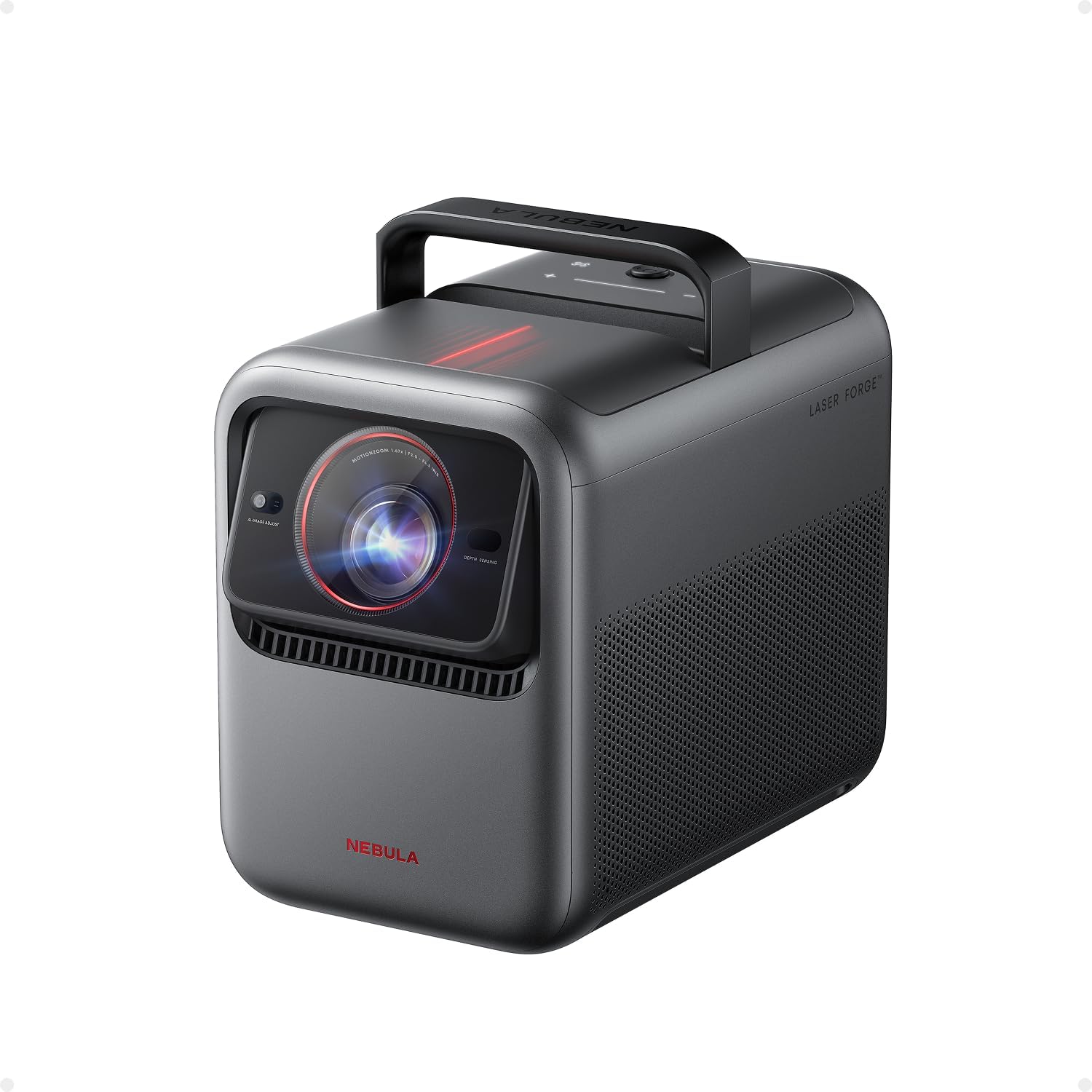
The Nebula X1S combines 4K triple-laser projection, Dolby Vision, and a 1.67× optical zoom for home cinema. Its 6,000 ANSI-lumen maximum applies to Conference Mode; Soundcore recommends the 3,000-lumen Nebula Master Mode for daily viewing.
Key highlights
- 4K triple-laser projection with Dolby Vision
- Up to 6,000 ANSI lumens in Conference Mode
- 14-element all-glass lens with 1.67× optical zoom
- Google TV with officially supported 4K Netflix
- Built-in 40W speakers with Dolby Audio
Pros
- Optical zoom adjusts image size without moving the projector
- Automatic image adjustment and saved room settings
- Built-in streaming apps and stereo speakers
- Dynamic iris adjusts contrast
Cons
- Requires external power; no built-in battery
- Maximum brightness requires the noisier Conference Mode
- Satellite speakers for expanded surround sound cost extra
Who it is for: Home cinema enthusiasts who want 4K streaming, optical zoom, and automatic setup for rooms with a power outlet.
Skip if
You need battery-powered viewing away from an outlet.
Kodak Luma 500 - Best ultra-portable
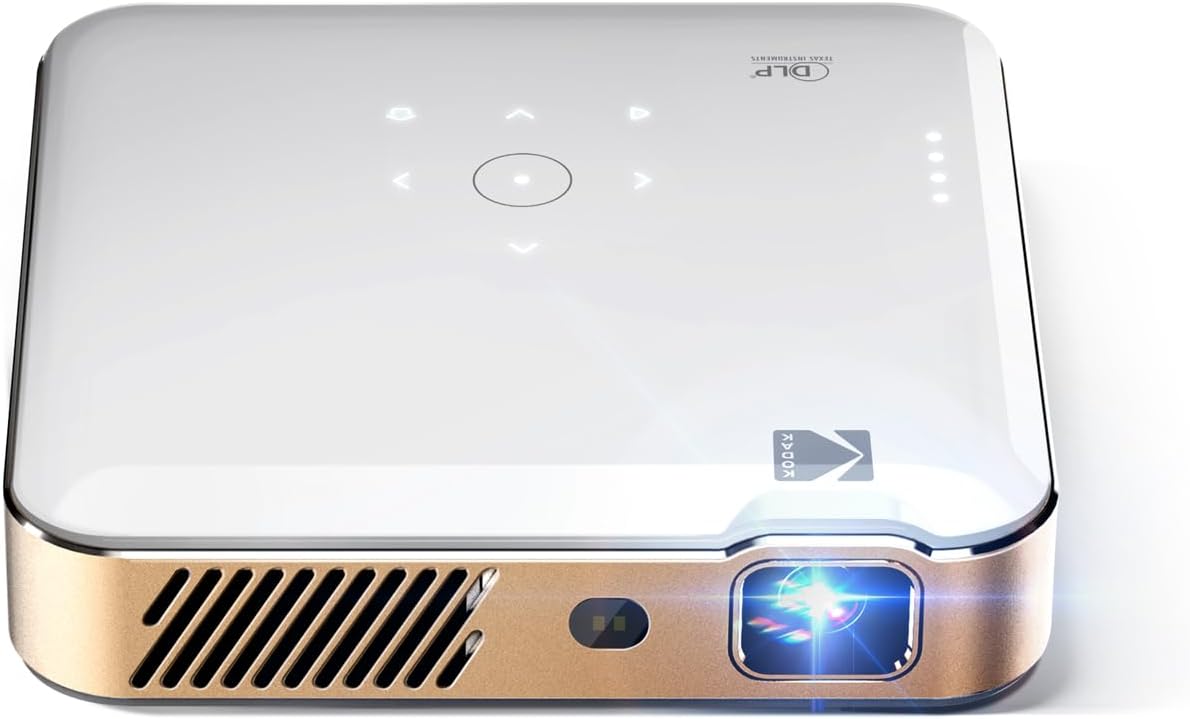
The Kodak Luma 500 brings native 1080p resolution, Google TV, and Netflix certification to a compact projector. Autofocus and automatic keystone correction simplify setup, while its built-in battery supports up to two hours of viewing in eco mode.
Key highlights
- Native 1080p resolution with 4K input support
- 150 ANSI lumens brightness
- Google TV with Netflix certification and Chromecast
- Autofocus and automatic keystone correction
- Up to two hours of battery use in eco mode
Pros
- Compact design for travel
- Built-in battery for viewing away from an outlet
- Certified Netflix streaming without an external player
- HDMI, USB, Wi-Fi, and Bluetooth connectivity
Cons
- Limited brightness at 150 ANSI lumens
- Small dual 1.5W speakers
- Two-hour battery rating requires eco mode
Who it is for: Travelers, presenters, and anyone who needs a projector that fits in a bag without weighing them down.
Skip if
You need high brightness for larger rooms or want premium audio quality.
Also Good
- Soundcore Nebula P1 - great audio with detachable speakers. Check Price on Soundcore
- Aurzen Eazze D1G - solid budget 1080p for basics.
How to Choose
Consider these factors when picking your portable projector:
Brightness matters most: Look for at least 400 lumens for decent performance in dim rooms, and 800+ for better results in rooms with some ambient light. Outdoor use requires even more brightness.
Battery life vs. portability: Longer battery life usually means more weight. Decide if you need 2+ hours of cord-free operation or if you can plug in occasionally for a lighter device.
Smart features add convenience: Built-in streaming platforms like Google TV or Android TV eliminate the need for external devices, making setup simpler.
Resolution expectations: 1080p is standard and looks good on portable projectors. 4K models can show more detail, especially on larger screens.
Audio quality: Most built-in speakers are adequate for small rooms. For better sound, look for Bluetooth connectivity or models with detachable speakers.
FAQ
How bright does a portable projector need to be for outdoor use?
For backyard movie nights after sunset, 400-600 lumens works well. For earlier evening viewing with some ambient light, look for 800+ lumens. Direct sunlight viewing isn't practical with any portable projector.
Can portable projectors replace a TV?
For casual viewing in dark rooms, yes. For daily use in bright living rooms, traditional TVs still perform better. Portable projectors excel at creating large, temporary screens anywhere.
How important is battery life?
It depends on your use case. For camping or outdoor events without power access, 2+ hours is essential. For indoor use where you can plug in, battery life matters less.
Do I need 4K in a portable projector?
Only if you're using it in optimal conditions (dark room, proper screen distance) and want the absolute best picture quality. For most portable uses, 1080p provides excellent results at a lower cost.
What's the typical setup process?
Modern portable projectors with auto focus and auto keystone correction make setup simple. Just turn it on, point it at your wall or screen, and let the projector adjust the image automatically.
Published February 22, 2026 Last updated September 5, 2026
Share this article
More in News

Lenovo coupon codes and deals
Browse 5 current Lenovo offers, including 3 coupon codes and 2 online deals.
5 min read

Woot coupon codes and deals
Browse 2 current Woot offers, including 2 coupon codes and 0 online deals.
3 min read
Samsung coupon codes and deals
Browse 5 current Samsung offers, including 0 coupon codes and 5 online deals.
5 min read

Best tech coupon codes and online deals
Browse 8 current tech offers across 4 merchants, including 4 coupon codes and 4 online deals.
4 min read
5 headphone deals we checked, starting at $60.04
3 min read
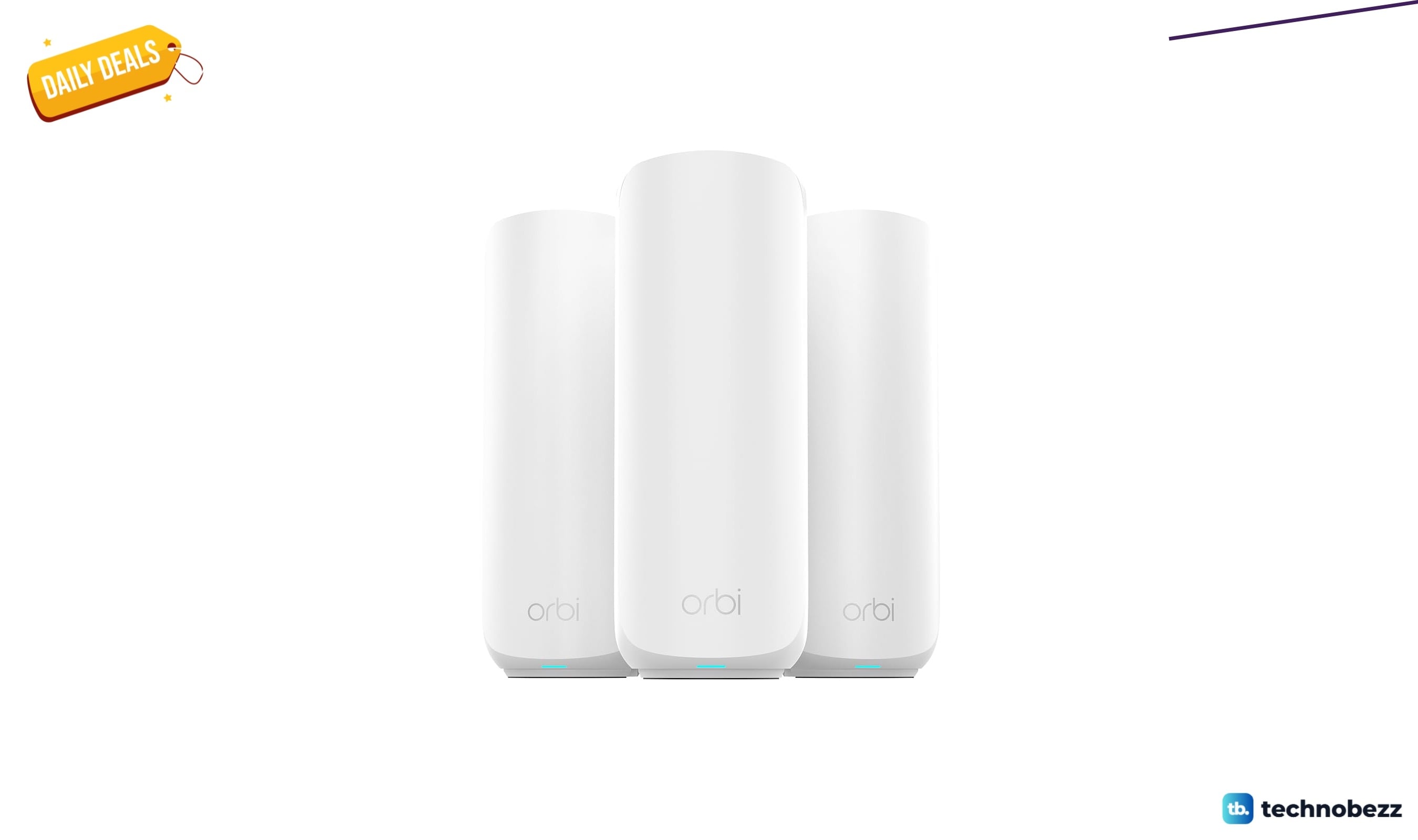
NETGEAR Orbi 370 WiFi 7 Mesh System dips to $265.99
3 min read
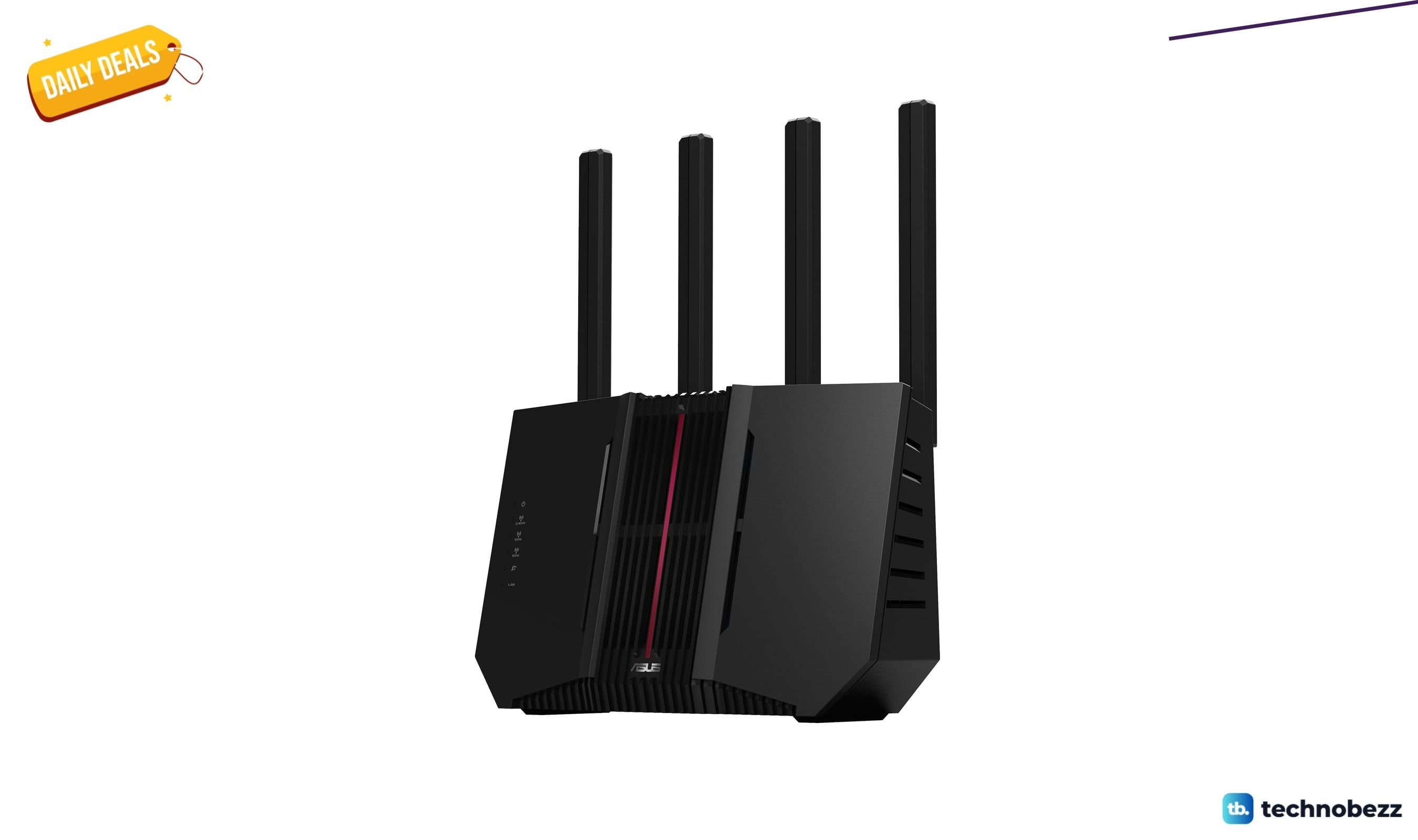
ASUS RT-BE9700 WiFi 7 Router Tri-Band now $198.55, down from $249.99
5 min read
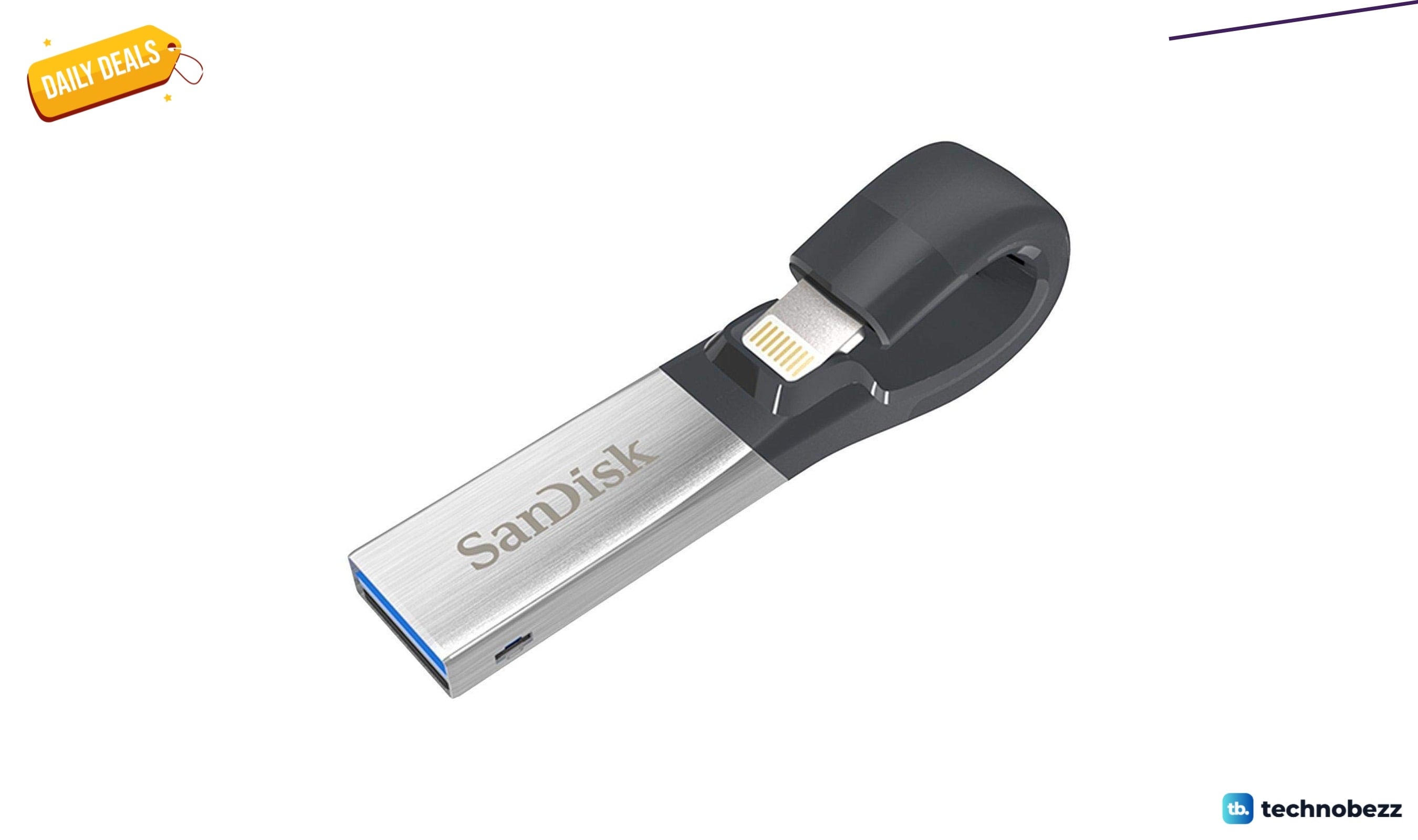
SanDisk 256GB IXpand Flash Drive sees price cut to $99.99
4 min read
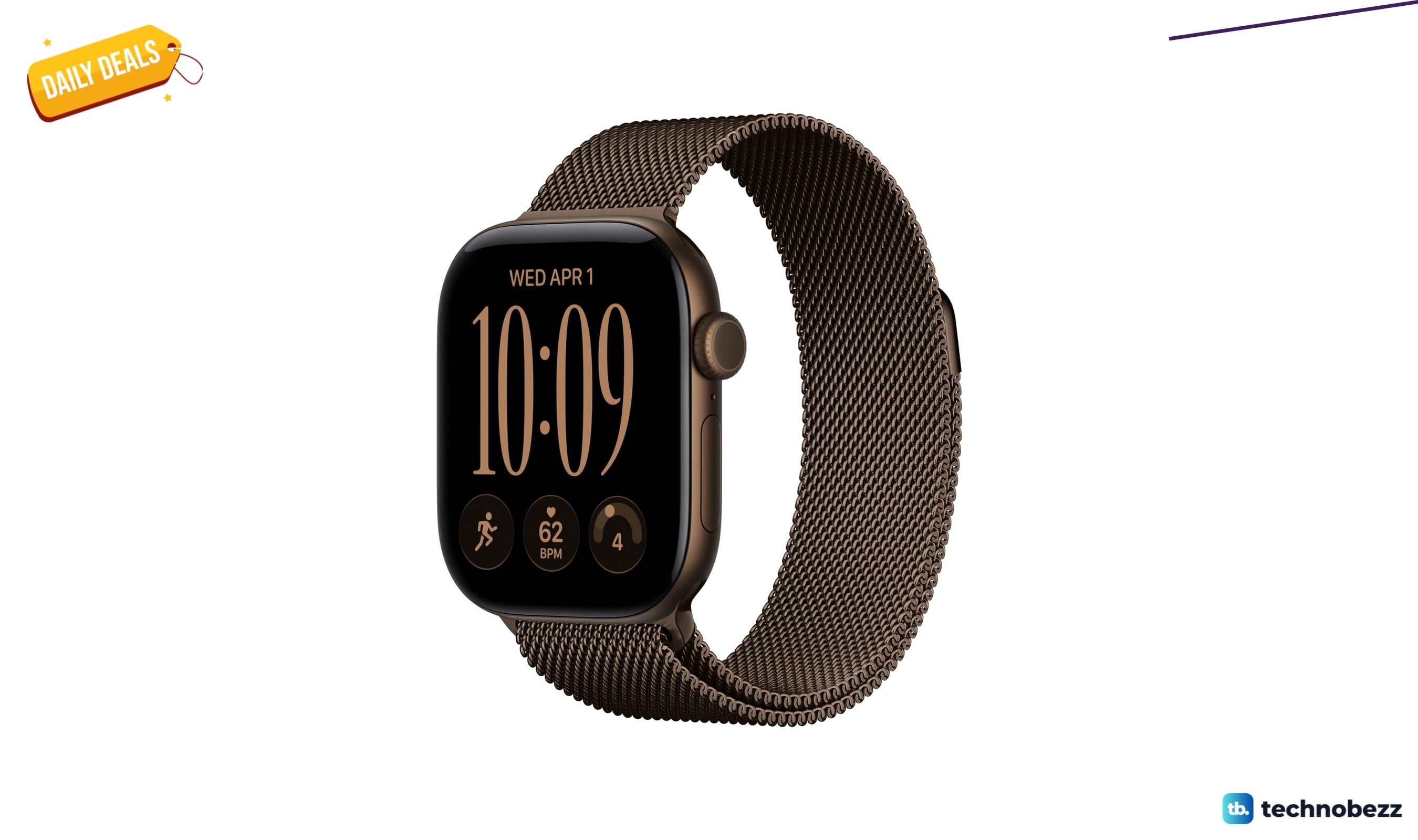
Apple Watch Series 12 GPS + Cellular drops to $499.99, its lowest price yet
3 min read
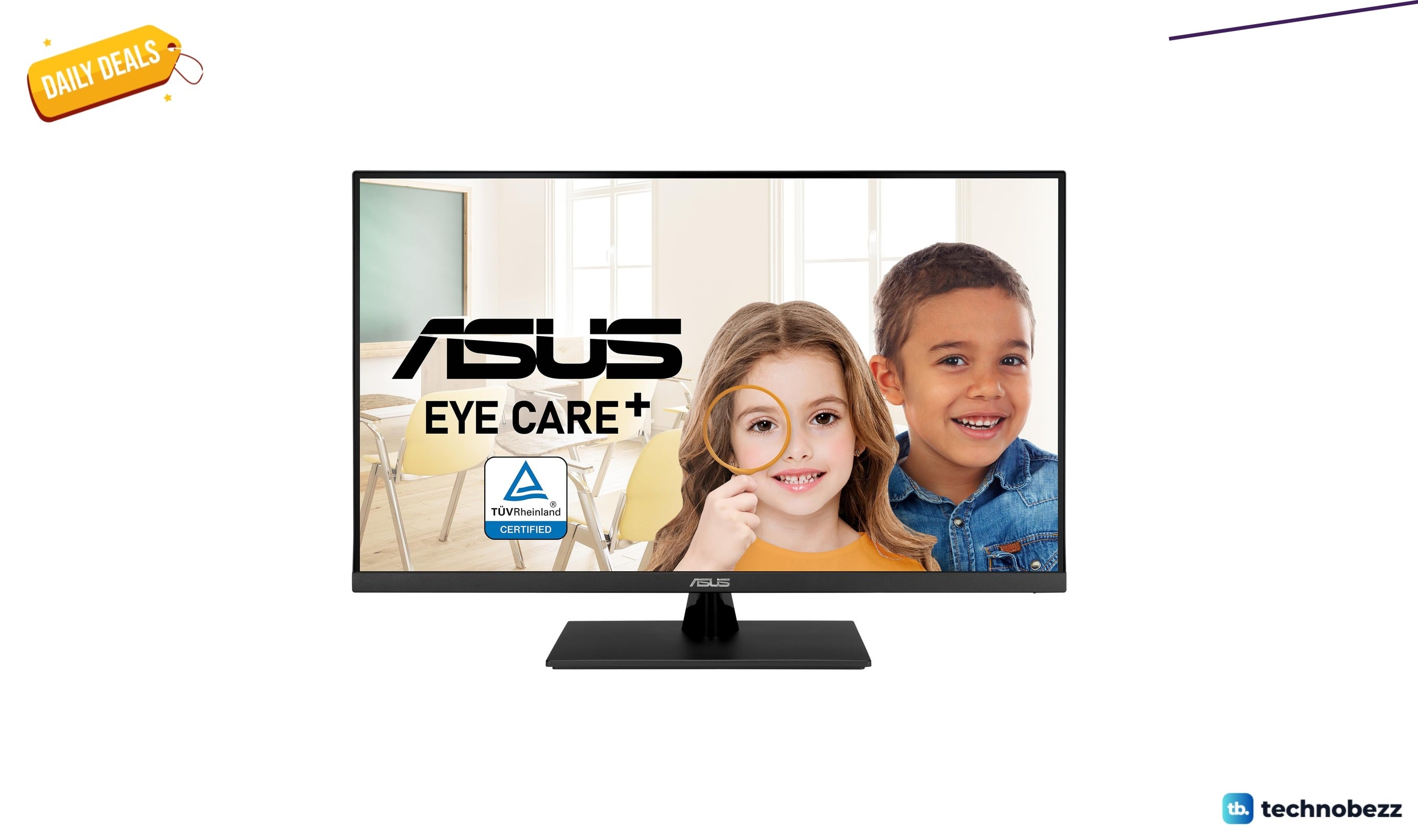
ASUS VP327Q 4K UHD Computer Monitor gets a $78.95 price cut to $170.05
3 min read
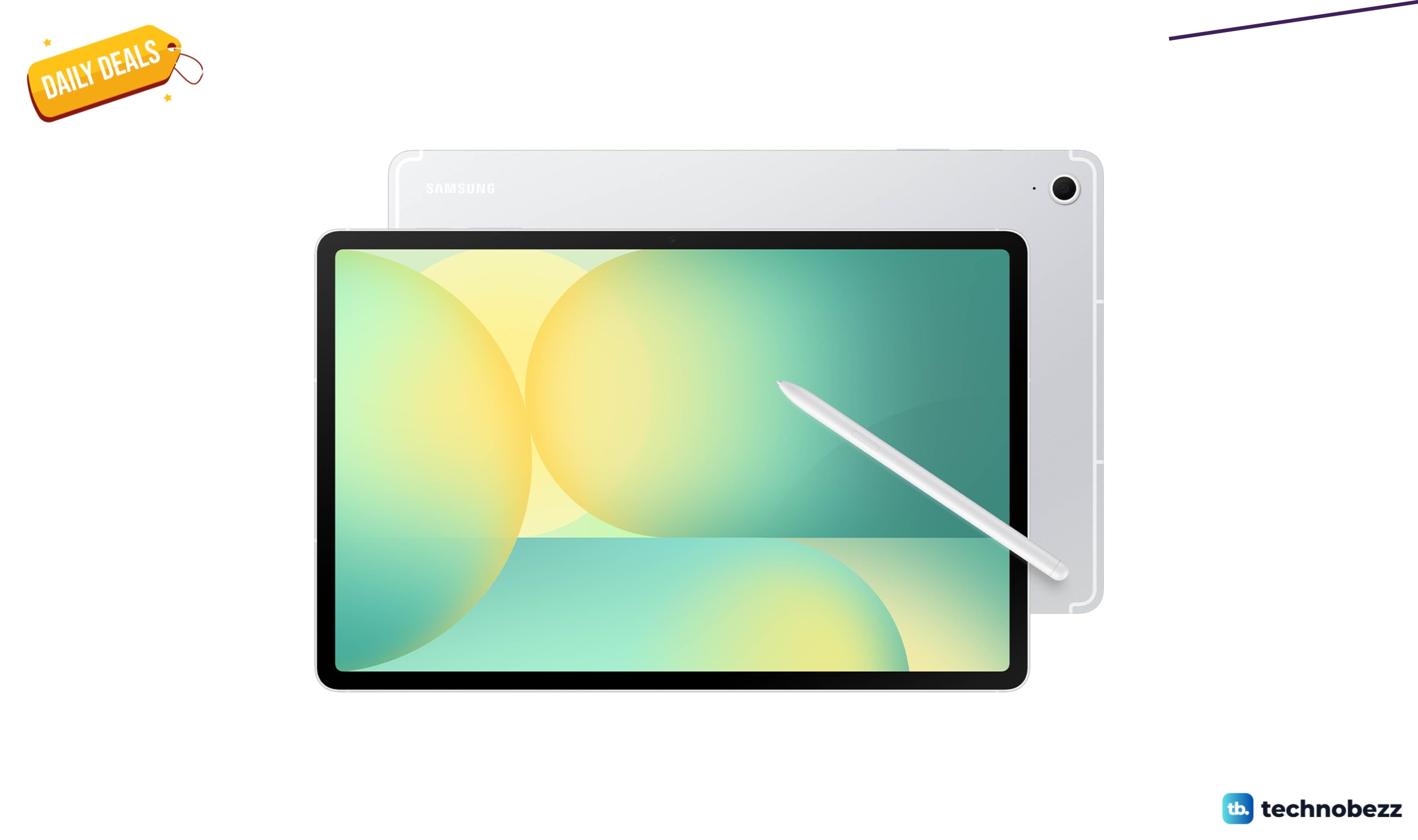
Samsung Galaxy Tab S10 FE WiFi Android Tablet dips to $384.99
5 min read
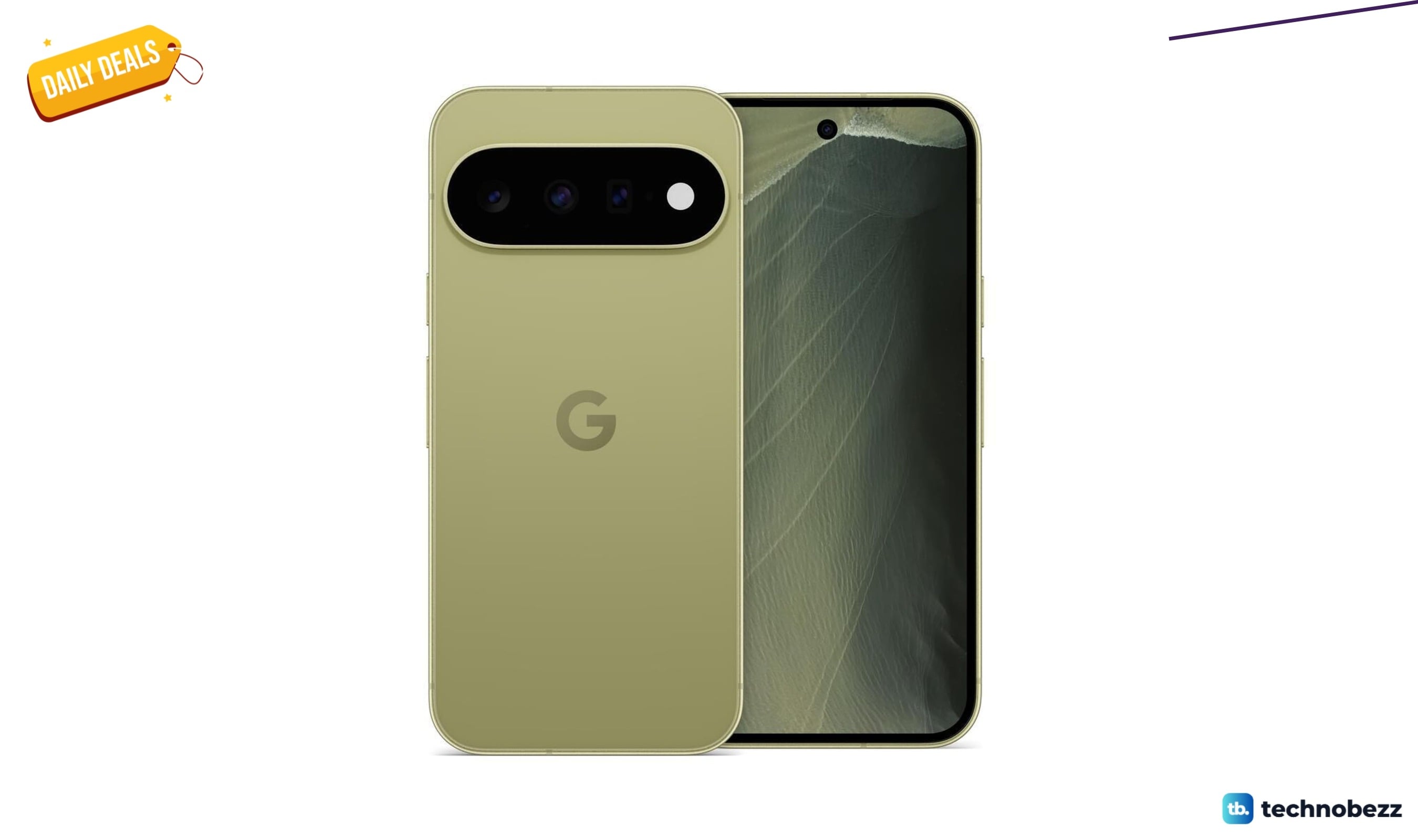
Google Pixel 11 Unlocked Smartphone now selling for $734
4 min read