Reduce Android System battery drain by checking battery usage, limiting the apps and settings using power, and restarting or updating the device before considering a reset. Review app activity as well as system activity instead of treating one battery-screen label as a complete diagnosis. Android menus vary, so use the steps identified for your phone.
Start with changes you can reverse, such as brightness, screen timeout, and background-app restrictions. Keep track of whether the drain follows heavy use, an update, or an app installation. That gives you a useful starting point without assuming that every short charge is a fault in Android itself.
The short version
- Usage: Compare app and system battery use before changing settings.
- Screen: Lower brightness and shorten the time before the display turns off.
- Background apps: Keep battery optimization enabled and restrict apps that consume excessive power.
- Updates: Restart the device and check both Android and app updates.
- Last resort: Back up your data before a factory reset, then seek manufacturer help if the drain continues.
Inspect battery usage
On a Pixel, open Settings > Battery > Battery usage. Choose View by apps to review apps, or View by systems to examine system functions. These menus are Pixel-specific, and some steps require Android 14 or later.
Tap an app’s name to review or change how it uses battery. Google recommends leaving battery optimization enabled for apps; some apps also allow background-use restrictions. The chart covers use since the last full charge, and rounding can prevent the displayed percentages from totaling exactly 100 percent.
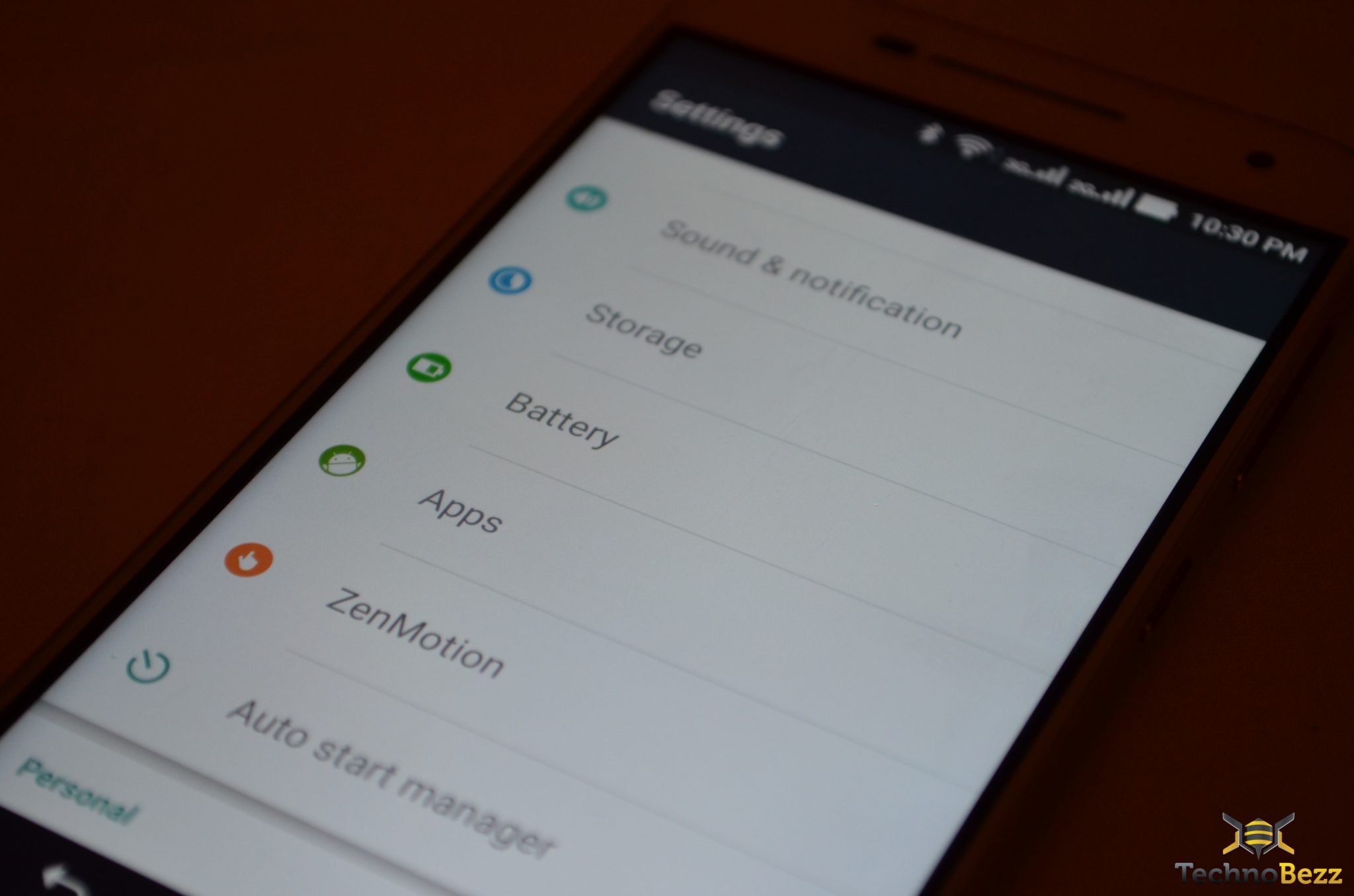
On Samsung models using the Battery and device care interface, open Settings > Battery and device care > Battery. Review the remaining power and estimated usage time there. Older Galaxy software can use different labels.
Use this information to select a specific app or activity to address. Long video sessions, navigation, graphics-heavy games, and extensive camera use all consume power. Compare those activities with what you actually did before treating the drain as unexplained.
Heat also matters: Google says a hot battery drains faster even when the device is not in use, and that this can damage the battery. Keep the device away from situations that make it overheat. For charging, use an appropriate manufacturer-recommended adapter rather than assuming every charger will work equally well.
Reduce screen and vibration use
Lower the brightness to a comfortable, readable level or enable automatic brightness. On the Samsung interface described above, open Settings > Display > Brightness and adjust the slider or enable Adaptive brightness. This addresses screen use directly without changing your apps.
Shorten the delay before the display goes dark. Samsung’s path is Settings > Display > Screen timeout, with 15 seconds suggested for maximum savings. Choose a delay that still lets you read and use the screen comfortably.
Google also recommends turning off keyboard sounds or vibrations to reduce battery use. Use your device’s keyboard and sound controls for those options rather than following an older phone’s menu labels. This is an optional adjustment, so keep feedback you need for comfortable typing.
When a charge is running low, reducing screen-heavy activities helps stretch it further. Limit video playback, long navigation sessions, and demanding games until you can charge. A shorter timeout cannot offset a display that you deliberately keep active for those tasks.
Limit connectivity and location use
Turn on Airplane mode when you do not need the mobile network. Google also recommends using Wi-Fi instead of mobile data to conserve battery. If you need help establishing that connection, use the steps for an Android phone that cannot connect to Wi-Fi.
Turn off Bluetooth when you do not need connected accessories, and turn off location access when you do not need location-based functions. Some apps and features will not work with location disabled. Restore it when you need directions or another feature that depends on it.
Long GPS sessions, tethering, and streaming music or video are among the activities Google recommends limiting when you need a charge to last. Focus on the activity you can postpone. You do not need to remove all connectivity just to make a small improvement.
For app-specific drain, return to the battery-usage screen rather than assuming the location menu reports each app’s power consumption. Review background use and apply the battery restriction your phone provides. Avoid changing unrelated permissions without identifying what the app needs to do.
Use built in power saving
On Android devices with Google’s battery-saver menu, open Settings > Battery > Battery Saver. You can choose a schedule for the mode there. Battery Saver limits background activity and can delay apps, network connections, or certain features.
On Samsung models with Battery and device care, open Settings > Battery and device care > Battery > Power saving mode. Samsung warns that this reduces performance and can delay notifications. Account for that tradeoff if you depend on time-sensitive messages.
Android 6.0 Marshmallow introduced Doze and App Standby. They restrict background processing and network activity under their respective idle conditions. The separate third-party app formerly linked as Doze has been removed from Google Play; it is not required to describe Android’s built-in feature.
Ultra Power Saving was a Samsung Galaxy S5 feature, not a feature introduced by Android Marshmallow. On the S5, it disabled nonessential processes and used a grayscale display. Use the power-saving options belonging to your device rather than looking for that name on every Android phone.
If your phone has no strong power-saving mode and you are often away from a charger, carry a portable power bank. A spare battery only helps on older phones with a removable battery.
For a road trip, enable the appropriate battery-saving mode before the charge becomes difficult to manage. Reduce brightness, limit streaming, and use location when you need it. Google’s recommendations also include limiting calls while moving and avoiding prolonged hotspot use.
Manage background apps and notifications
On the supported Samsung interface, open Settings > Battery and device care > Battery > App power management. Enable automatic sleeping for infrequently used apps. Samsung also recommends disabling auto-sync for apps that do not need constant updates.
Background restrictions have consequences for notifications and updates. Check those consequences before restricting a messaging app, alarm app, or another app you rely on. Battery savings are useful only if the phone still performs the tasks you need.
For a weather app or widget, apply the same app-usage check instead of assuming that the number of saved cities explains the drain. Review the app’s background use and decide whether constant updates are necessary. Choose restrictions with the understanding that background updates can be delayed or stopped.
If Google Play services appears prominently in battery use, start with the supported checks for the device: usage review, a restart, and updates. A percentage higher than another entry is not enough on its own to identify the cause. Avoid deleting accounts or changing multiple services just to reduce a single displayed number.
Greenify remains listed on Google Play and offers app hibernation. Its developer warns that hibernated apps lose background functions, including alarms, widget updates, and push messages. Do not hibernate an alarm or messaging app whose background behavior you rely on.
Greenify’s release notes say Aggressive Doze was removed because of technical restrictions. Start with Android’s own battery controls before deciding whether a separate utility is useful. The old System Monitor, CPU Tuner, and Battery Booster Lite listings linked here have also been removed from Google Play.
Restart and install available updates
Restart the phone before making more substantial changes. Google describes holding Power for about 30 seconds or until most Android phones restart; some display a Restart option to tap. Use your manufacturer’s procedure when the controls differ.
For Android software updates using Google’s menu, open Settings > System > Software update. Follow the status and instructions displayed. An older device may have no further official update to install, so do not assume that repeatedly checking will produce one.
For apps, open the Google Play Store, tap the profile icon, and select Manage apps & devices. Under Updates available, update all apps or choose a specific one. The older three-line menu and its app-management labels are not the route used in these instructions.
On Pixel phones, some additional battery drain after a software update is normal while the phone downloads and optimizes software. Google says to seek help if unusual drain remains after a few days. After setup or a factory reset, Pixel battery optimization can take a few weeks to take full effect.
Check apps and temporary data
If the problem began after an app installation, test the phone in Safe mode. On a Samsung, open the power menu, touch and hold Power off, and tap Safe mode. To enter from a powered-off Galaxy, turn it on and hold Volume down when the Samsung logo appears.
Safe mode disables most third-party apps so you can compare the behavior. If the problem disappears, a downloaded app is likely involved; if it remains, that result does not identify a particular system process. Restart normally to leave Safe mode.
Removing an app uninstalls it and can remove local app data, so save needed information first. Remove recently installed apps one at a time and restart normally after each removal. Check the battery behavior again before removing another app.
For an app behaving unusually on a Samsung, clearing its cache is a separate maintenance option. This removes temporary cached information. Open Settings > Apps, select the app, then tap Storage > Clear cache.
Samsung also documents clearing the cache partition through Recovery, but the entry buttons depend on the model. With the device off, physical-Home-button models use Volume up, Home, and Power. The S8, S9, and S10 use Volume up, Bixby, and Power; models such as the Note10 use Volume up and Side.
Wiping this partition removes temporary system cache. In Recovery, use the volume buttons to highlight Wipe cache partition, press Power, select Yes, and confirm. When it finishes, select Reboot device.
Do not treat cache clearing as a guaranteed cure for battery drain after an update. It is different from identifying a high-use app or checking normal post-update activity. Use the procedure only when the recovery controls match the device you have.
Reset or arrange battery service
A factory reset erases personal data, installed apps, and their associated data. Back up the phone and check your account credentials before taking that step. A reset belongs after the less destructive checks, especially when a battery or charging problem could require service.
The following action erases the Galaxy’s local data. Open Settings > General management > Reset > Factory data reset, then review the information. Tap Reset and Delete all, entering the credentials requested.
If the drain continues after the supported troubleshooting, contact the device manufacturer or carrier for help assessing the battery and charging system. Do not assume a warranty replacement is guaranteed. Google also says you do not need to repeatedly cycle a battery from full to empty to teach the phone its capacity.
Updated October 2026: Updated battery menus, corrected power-saving claims, and identified removed app listings and Greenify features. The original article was published in March 2020.