Opera now has a secure, built-in translator that handles full web pages without any extensions. The feature, called Opera Translate, is available in Opera One and Opera GX on desktop, and Opera for Android has its own translation built in too. This guide covers every reliable way to translate a page in Opera, on each platform, plus what to do when the translate prompt does not appear.
Opera Translate is powered by Lingvanex and runs on Opera's own European servers, so the text you translate is not handed off to a third party. It supports more than 40 languages for full-page translation, and you can also reach Google Translate inside Opera for far broader language coverage.
Translate A Page With Opera's Built-in Translator
On Opera One for Windows, macOS, or Linux, translation works automatically. When you open a page written in a language other than your browser's default, a small popup slides in at the top right asking whether you want to translate the site.
Choose your target language in that popup and the page is rewritten in place while keeping its original layout. You can also tell Opera to translate that language just this once or always, so future pages in the same language translate without asking.
- 1.Open a web page in a foreign language
- 2.Wait for the Opera Translate popup at the top right of the window
- 3.Pick the language you want the page translated into
- 4.Optionally choose to always translate that source language
If you dismiss the popup, you do not lose the option. The Opera Translate icon stays in the address bar, and clicking it reopens the same translation menu. To switch back, click that icon and select Show original.
Set Your Default And Excluded Languages
You can control which languages Opera offers to translate and which one it translates into. This is also where you turn the whole feature on or off if the prompt never appears.
Open settings with the keyboard shortcut Alt+P, or type opera:settings in the address bar, then find the Opera Translate section.
Settings > Features > Opera Translate
Use Translate into this language to set your preferred target language from the dropdown. Use Never offer to translate these languages to stop the popup from appearing for languages you already read, such as your own.
Translate A Page In Opera GX
Opera GX, the gaming version of the browser, includes the same Opera Translate feature, so you can read game wikis, forums, and patch notes in other languages without leaving the browser. Translation is enabled by default.
When you open a foreign-language page, GX shows the same translate popup at the top right. If the popup does not appear, click the Opera Translate icon in the address bar and choose your language from the dropdown.
If translation seems disabled in GX, confirm the feature is switched on in the Opera Translate settings reached through Alt+P, then set your default target language there.
Translate Selected Text Or Use The Right-Click Menu
Sometimes you only need a sentence or a paragraph rather than the whole page. Highlight any text on a page and a small quick-search tooltip appears with a Translate option.
Clicking that option translates just the selection, which is useful for a single comment, a product description, or a quote. This works alongside the full-page translator rather than replacing it.
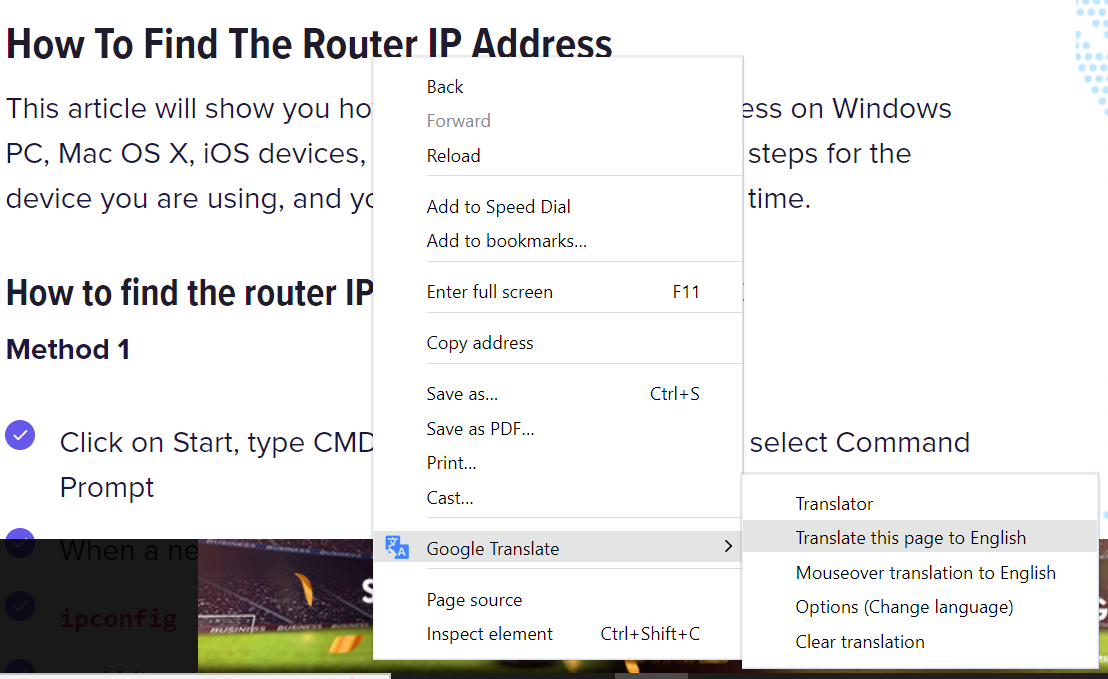
For an always-available panel, you can pin Google Translate to Opera's sidebar. Click the three dots at the bottom of the sidebar to open the sidebar setup menu, find the Google services section, and enable Google Translate. The sidebar tool covers 240+ languages and is handy for translating text you are writing, such as a message to an international contact.
Translate A Web Page In Opera For Android
Opera for Android has had built-in translation since 2023 through the same Lingvanex service, with 45+ languages available. It translates full pages, not just snippets.
To translate the page you are viewing, tap the three-dot menu, choose Translate, then pick your language. The page reloads in your chosen language while you keep browsing normally.
- 1.Open the page in Opera for Android
- 2.Tap the three-dot menu
- 3.Tap Translate
- 4.Select your preferred language
Translate A Web Page In Opera For iPhone
Opera Translate's full-page feature rolled out to the desktop browsers and to Opera for Android, but Opera for iOS does not have the same built-in page translator. That means the steps above do not apply on an iPhone or iPad.
The most reliable workaround on iOS is the system translation built into the operating system, which can translate web pages in the system browser and selected text in many apps, and is updated by Apple rather than Opera. You can also copy text into a dedicated translation app when you only need a portion of a page.
Use A Translation Extension As A Fallback
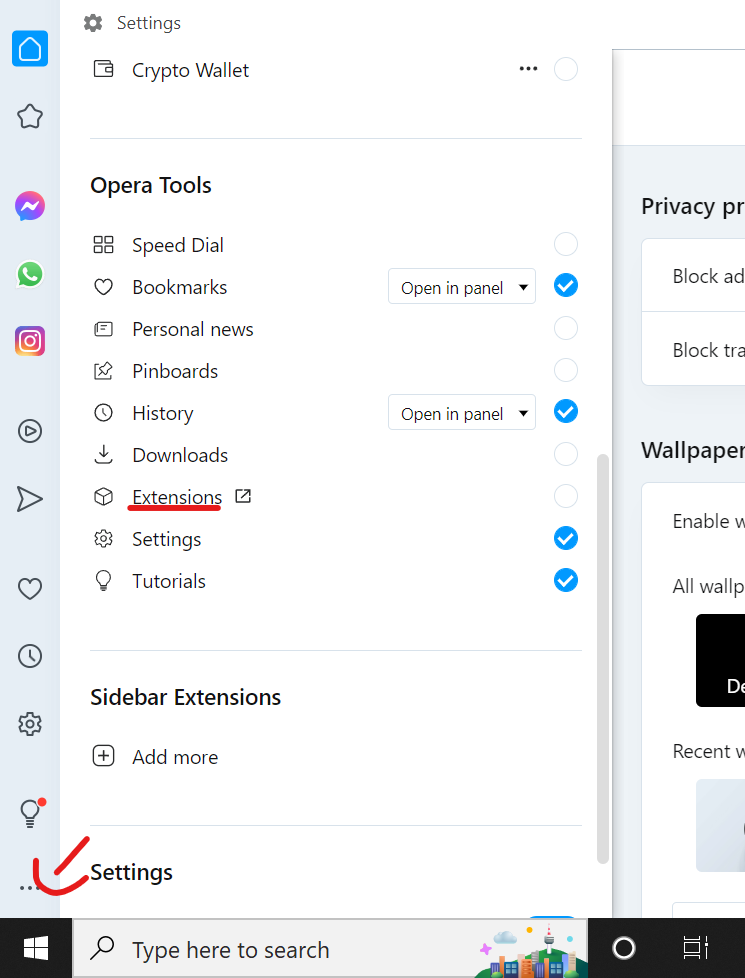
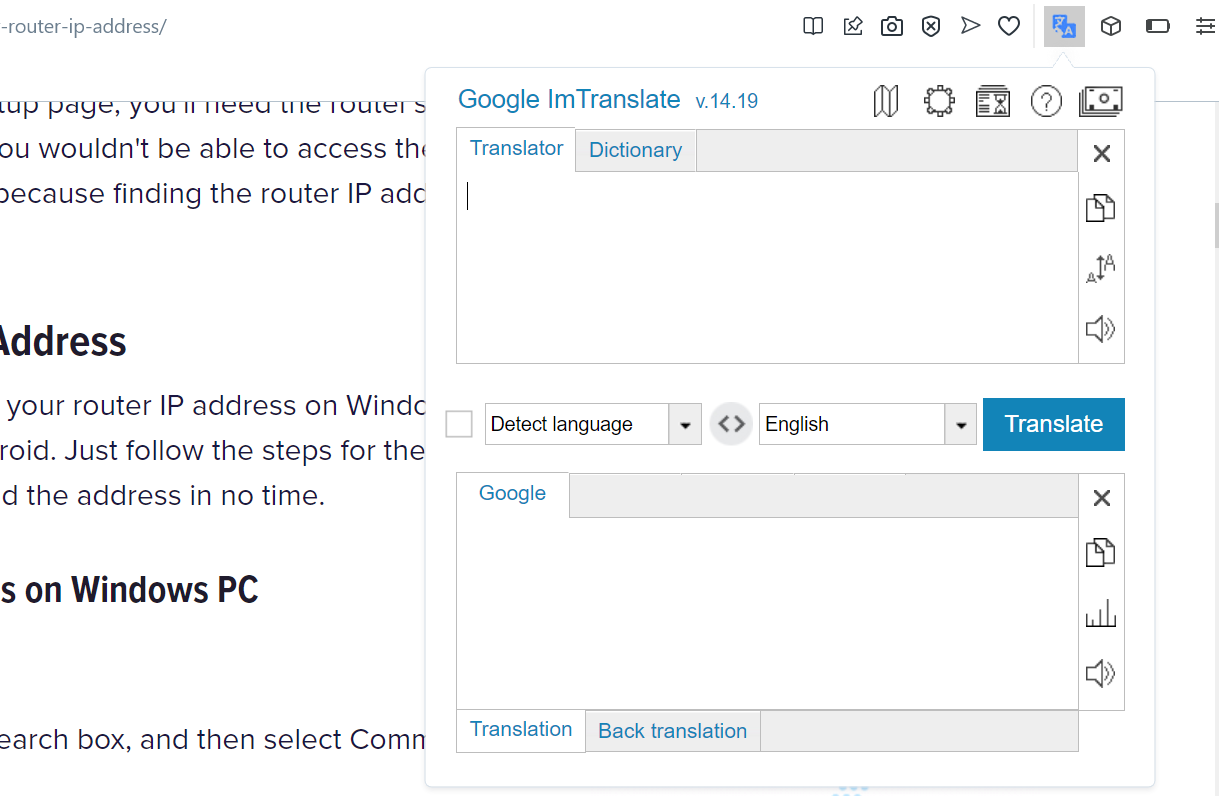
If the built-in translator does not cover a language you need, or you want extras like pronunciation and inline word lookups, a desktop extension can fill the gap. Opera runs Chrome extensions, so most popular translators install cleanly.
- 1.Click the main Opera menu, then open Extensions
- 2.Choose Get more extensions to open the Opera add-ons store
- 3.Search for a translation extension and add it to Opera
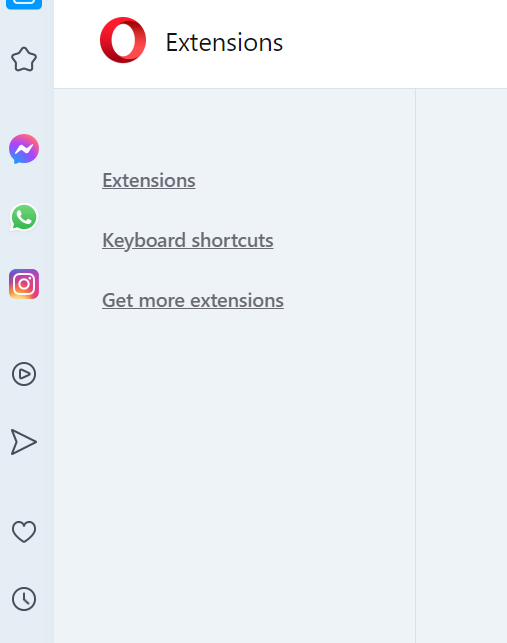
After installing, the extension usually adds a button near the address bar or appears in the right-click menu. Keep in mind that third-party extensions may send page text to their own servers, so the built-in Opera Translate is the more private choice for most pages.
Translation Methods Compared
Each method fits a different situation and platform. The table below shows where each works and whether it can translate automatically.
| Method | Platform | Auto-translate prompt |
|---|---|---|
| Opera Translate (built-in) | Opera One desktop | Yes |
| Opera Translate (built-in) | Opera GX desktop | Yes |
| Three-dot menu Translate | Opera for Android | No, manual |
| Highlight text, Translate | Desktop | No, manual |
| Google Translate sidebar | Desktop | No, manual |
| Translation extension | Desktop | Depends on extension |
| System translator | iPhone and iPad | No, manual |
What To Do When The Translate Prompt Does Not Appear
If Opera never offers to translate, the most common reason is that the page language matches your default or sits on your excluded list. Check the Opera Translate settings under Alt+P and make sure the page language is not in Never offer to translate these languages.
Also confirm Opera is updated, since the full-page translator arrived in a 2025 release and older builds do not have it. Open the address bar icon manually if the popup was dismissed, and reload the page so Opera can re-detect its language.
Some pages still resist automatic detection, especially single-page apps that load text after the initial render. In those cases, highlight the text and use the Translate option in the tooltip, or fall back to an extension.
Frequently Asked Questions
Why is Opera not translating my page
Usually the page language is set as one of your default or excluded languages, so Opera does not offer to translate it. Open Alt+P, review the Opera Translate settings, remove the language from the never-offer list, update Opera to the latest version, and reload the page.
Does Opera translate web pages automatically
On Opera One and Opera GX for desktop, yes. When a page is in a language different from your default, a translate popup appears at the top right, and you can set Opera to always translate that language so it happens without prompting.
How many languages does Opera Translate support
The built-in Opera Translate supports more than 40 languages for full-page translation on desktop, and Opera for Android supports 45+ languages. The Google Translate sidebar inside Opera covers 240+ languages for text you paste in.
Is Opera Translate private
Opera Translate is powered by Lingvanex and runs on Opera's own European servers, so the text you translate is not sent to a third party. Translation extensions, by contrast, may process your page text on their own servers.
Can I translate a page on Opera for iPhone
Opera for iOS does not include the built-in full-page translator that desktop and Android have. On an iPhone or iPad, use the system translation built into the operating system, or copy text into a translation app for shorter passages.
What is the difference between Opera and Chrome translation
Both offer one-click full-page translation with an address bar control. Opera Translate processes text on Opera's European servers through Lingvanex, while Chrome uses Google Translate, so the main practical differences are the underlying engine and where the text is processed.
First published October 15, 2025. Last updated June 4, 2026.