
When your Samsung Galaxy S26+ email stops working, it can really throw off your day. Whether you're missing important messages or can't send anything out, these problems usually have a fix you can handle yourself. Since this is a brand new device running One UI 8.5, I'd start with a quick software update, as early software bugs are a common culprit.
Before we get into the specific steps, let's cover a few universal basics. Make sure you have a solid internet connection, either Wi-Fi or mobile data. It's also worth checking if your email provider, like Gmail or Outlook, is having a widespread service outage. A quick web search for "[Your Provider] status" should tell you.
Update Your Galaxy S26+ Software
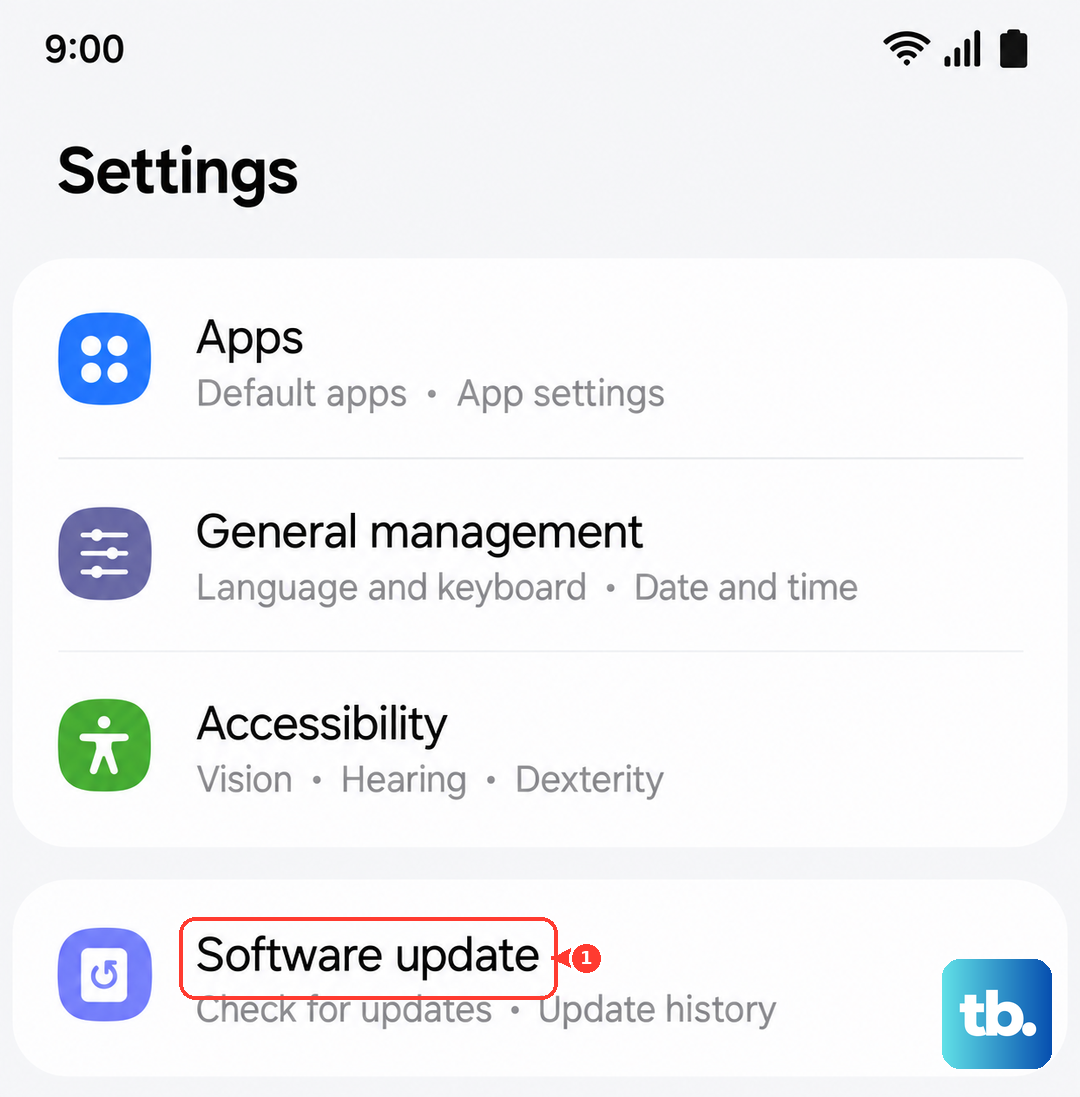
This is often the fastest fix for a new device. Samsung releases patches to squash bugs in One UI, including ones that can break email sync. Head to Settings > Software update > Download and install. If an update is waiting, let it install and restart your phone. This has cleared up email issues for many users on fresh devices.
Check Your Sync and Fetch Settings
Your phone's sync settings control how often it checks for new mail. If these are set incorrectly, emails won't appear automatically. Open the Samsung Email app, tap the three-line menu, and go to Settings. Select your account and look for Sync settings or Email check frequency.
Make sure sync is turned on and set to a frequent interval, like every 15 minutes or "Push" if your provider supports it. Also, verify that the specific folders you care about are set to sync. Sometimes only the inbox syncs by default.
Restart the Email App
A simple app restart can clear out a temporary glitch. Swipe up from the bottom of your screen and hold to enter the recent apps view. Find the Email app and swipe it all the way up to close it. Wait a moment, then tap the app icon to reopen it. This forces the app to start fresh.
Toggle Airplane Mode
This resets all your phone's radio connections at once, which can clear up a network hiccup. Swipe down twice from the top of your screen to open the full Quick Settings panel. Tap the Airplane mode icon to turn it on, wait about 15 seconds, and then tap it again to turn it off. Your phone will reconnect to Wi-Fi and mobile data.
Switch Between Wi-Fi and Mobile Data
Sometimes the problem is with one specific network. If you're on Wi-Fi, try turning it off to force the phone to use your mobile data. You can do this from the Quick Settings panel. If emails start working on mobile data, the issue is likely with your Wi-Fi router or internet connection. Try restarting your router.
Verify Your Email Account Login
Passwords expire or accounts get locked for security reasons. The easiest way to check is to open a web browser on your phone or computer and try to log into your email account's website. If you can't log in there, you'll need to reset your password through your provider's website.
Once you have the new password, you'll need to update it on your phone. Go to Settings > Accounts and backup > Manage accounts, select your email account, and tap Account settings to update the password.
Check for App-Specific Data Restrictions
Your phone can restrict background data usage for specific apps to save battery, but this can prevent email from syncing. Go to Settings > Apps, select your email app (like Samsung Email or Gmail), and tap Mobile data. Make sure both Allow background data usage and Allow data usage while Data saver is on are enabled.
Disable Any Active VPN
VPNs are great for privacy, but they can sometimes interfere with the connection to your email server. If you're using a VPN, disconnect it temporarily to test. You can usually do this by opening your VPN app and tapping disconnect, or by going to Settings > Connections > More connection settings > VPN and toggling it off.
Clear the Email App's Cache and Data
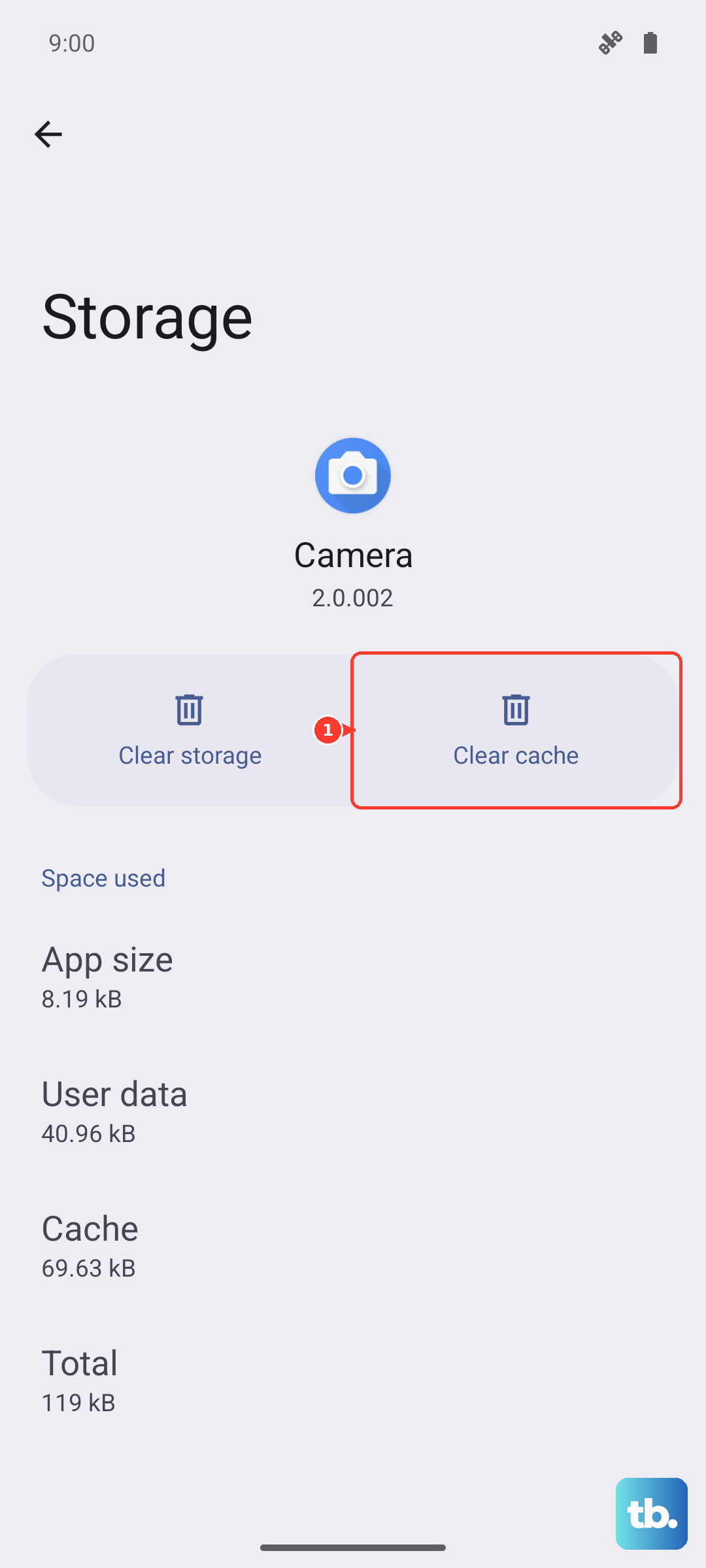
Corrupted temporary files can cause all sorts of app problems. Clearing the cache is safe and won't delete your emails. Go to Settings > Apps, find your email app, and select it. Tap Storage, then tap Clear cache. If the problem persists, you can tap Clear data next, but be aware this will remove the app's settings and you'll need to set up your account again.
Remove and Re-add Your Email Account
This is a more thorough reset that often solves stubborn sync issues. It removes any corrupted account settings and starts fresh. Go to Settings > Accounts and backup > Manage accounts. Select the problematic email account and tap Remove account.
Confirm the removal, then go back and tap Add account to set it up again. You'll need to enter your email address and password. I've found this fixes issues that simpler restarts don't touch.
Ensure Automatic Date and Time is On
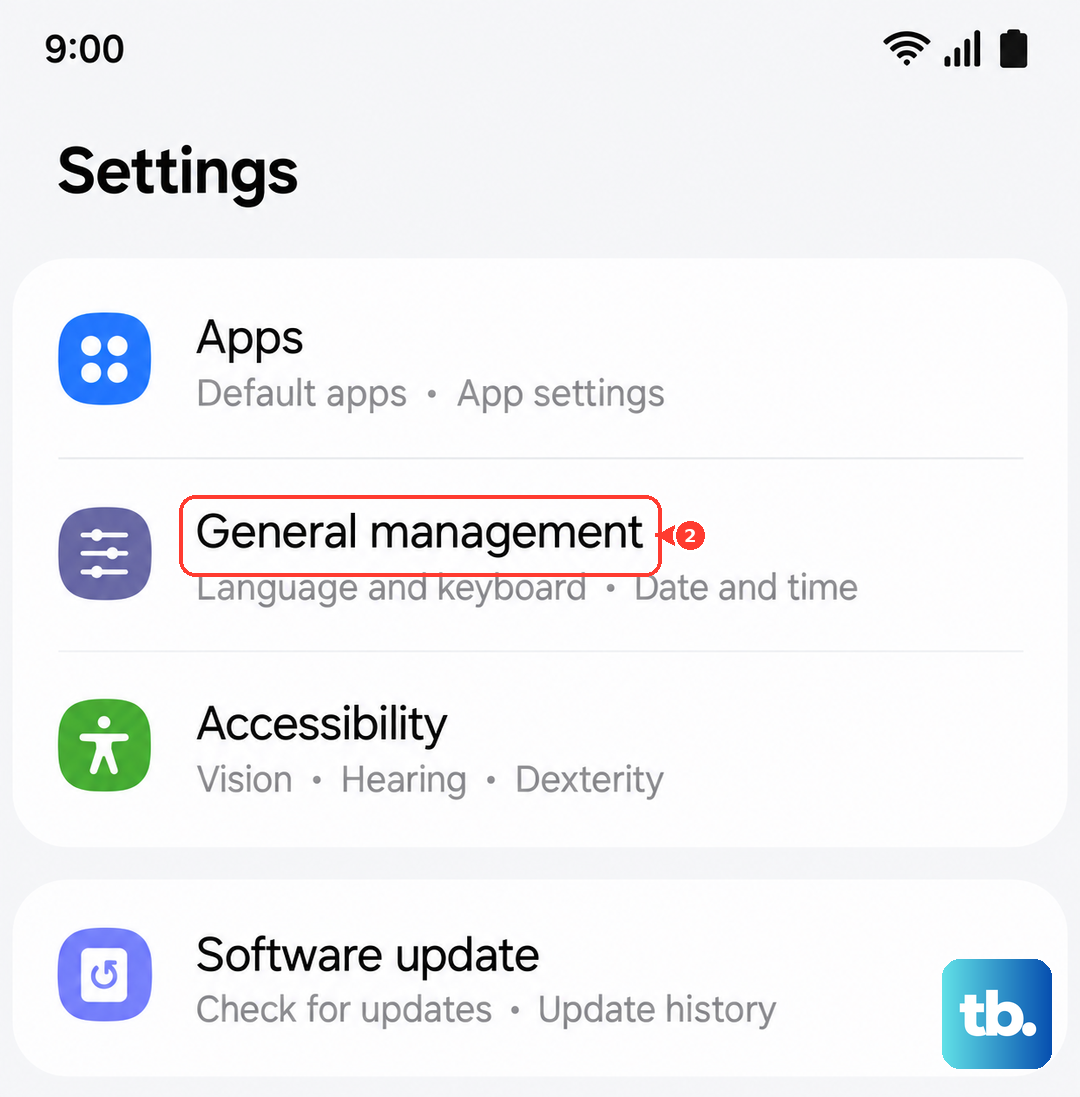
Email security relies on accurate timestamps. If your phone's clock is wrong, it can break the connection. Go to Settings > General management > Date and time. Make sure the option for Automatic date and time is switched on. This lets your phone set the time via the network.
Check Your Notification Settings
If emails are arriving but you're not getting alerts, the notification settings might be off. Go to Settings > Notifications > App notifications. Find your email app in the list and tap it. Make sure notifications are Allowed. You can also tap Notification categories to ensure alerts are enabled for new messages.
Perform a Force Restart
A standard restart is good, but a force restart can clear deeper system glitches. Press and hold the Volume Down button and the Side/Power button together for about 10 seconds. Release when you see the Samsung logo appear. Your phone will reboot. This doesn't delete any data, it just gives the system a fresh start.
Reset All Network Settings
This is a stronger step if you suspect a network configuration problem. It will reset Wi-Fi, mobile data, and Bluetooth settings back to default. Go to Settings > General management > Reset > Reset network settings. Tap to confirm. After the phone restarts, you'll need to reconnect to your Wi-Fi networks and re-pair Bluetooth devices, but your personal data will be safe.