
When your Samsung Galaxy A36's GPS starts acting up, it's usually right when you need directions the most. The good news is that most of the time, this is a software hiccup that you can fix yourself. I'd start with the quick toggle and restart, as those clear up a surprising number of issues on One UI 7.
Refresh Your GPS Connection
Swipe down twice from the top of your screen to open your full Quick Settings panel. Look for the Location icon, which looks like a teardrop. Tap it once to turn it off, wait about 20 seconds, and then tap it again to turn it back on. This simple reset forces the GPS radio to reconnect from scratch, which often solves temporary glitches.
If that doesn't do it, a full restart is your next best move. Press and hold the Side key and the Volume Down button together for about ten seconds. You'll see the Samsung logo appear as the phone reboots. This clears out any minor software conflicts that might be interfering with location services.
Check Your Location Settings and Permissions
Sometimes the issue isn't with the GPS itself, but with how apps are allowed to use it. Open your Settings app and tap "Location." First, make sure the main switch at the top is turned on. Right below that, tap "Location services" and ensure "Google Location Accuracy" is enabled. This uses Wi-Fi and mobile networks to help your GPS get a lock faster, especially indoors.
Next, you need to check individual app permissions. Go back to Settings, then tap "Apps." Find your navigation app, like Google Maps or Waze, and tap on it. Select "Permissions" and make sure "Location" is set to "Allow all the time" or "Allow only while using the app," depending on your preference. If it's set to "Deny," the app can't see your GPS data at all.
Disable Power-Saving Modes
Your Galaxy A36 has aggressive battery optimization to make that charge last, and it can limit background GPS activity. Go to Settings > Battery and look for "Power saving." If it's on, tap it to turn it off completely. For a more permanent fix, you can go into "More battery settings" and disable "Adaptive battery" temporarily to see if that's the culprit.
This is a common fix because power-saving modes often throttle non-essential services, and some versions of One UI can be a bit overzealous. Once you've finished navigating, you can always turn these features back on.
Update Your Apps and Software
Outdated software is a frequent cause of GPS problems. Head to the Google Play Store, tap your profile icon, and select "Manage apps & device." Under "Updates available," see if there's an update for Google Maps, Google Play Services, or any other navigation app you use. These updates often contain crucial bug fixes for location services.
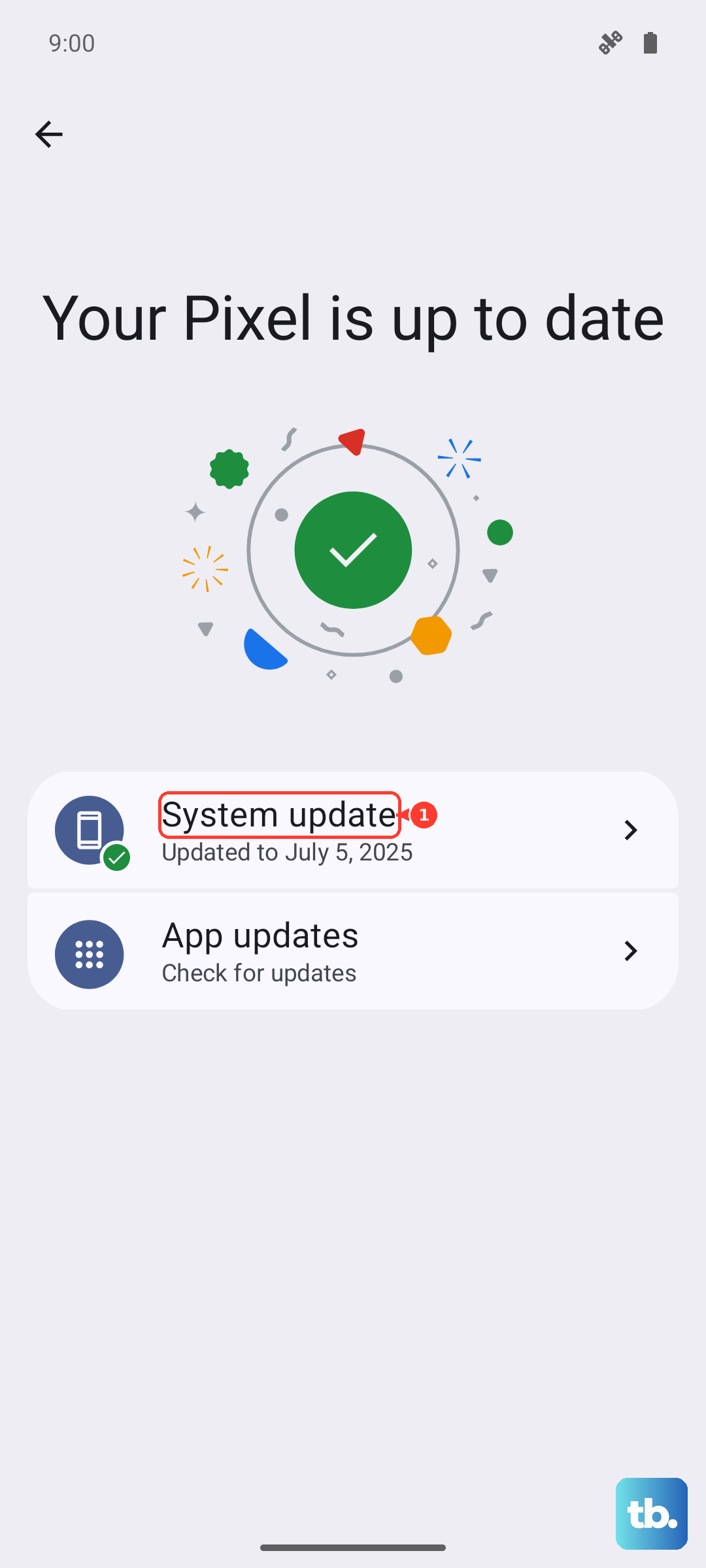
Then, check for a system update. Go to Settings > "Software update," and tap "Download and install." If your A36 is still on an early version of Android 15 or One UI 7, there's a good chance a stability update has been released that addresses GPS performance. Installing it can resolve deeper system-level bugs.
Reset Your Network Connections
This is a useful step that resets all your radios, including the one for GPS. Swipe down to open Quick Settings and tap the Airplane mode icon. Wait for 15-20 seconds, then tap it again to turn Airplane mode off. Your phone will reconnect to mobile networks, Wi-Fi, and Bluetooth, which can clear up any interference affecting the GPS antenna.
For a more thorough network reset, you can go to Settings > "General management" > "Reset" > "Reset network settings." Just be aware this will erase all your saved Wi-Fi networks, Bluetooth pairings, and mobile data preferences, so you'll have to reconnect to everything afterward.
Clear the App Cache and Data
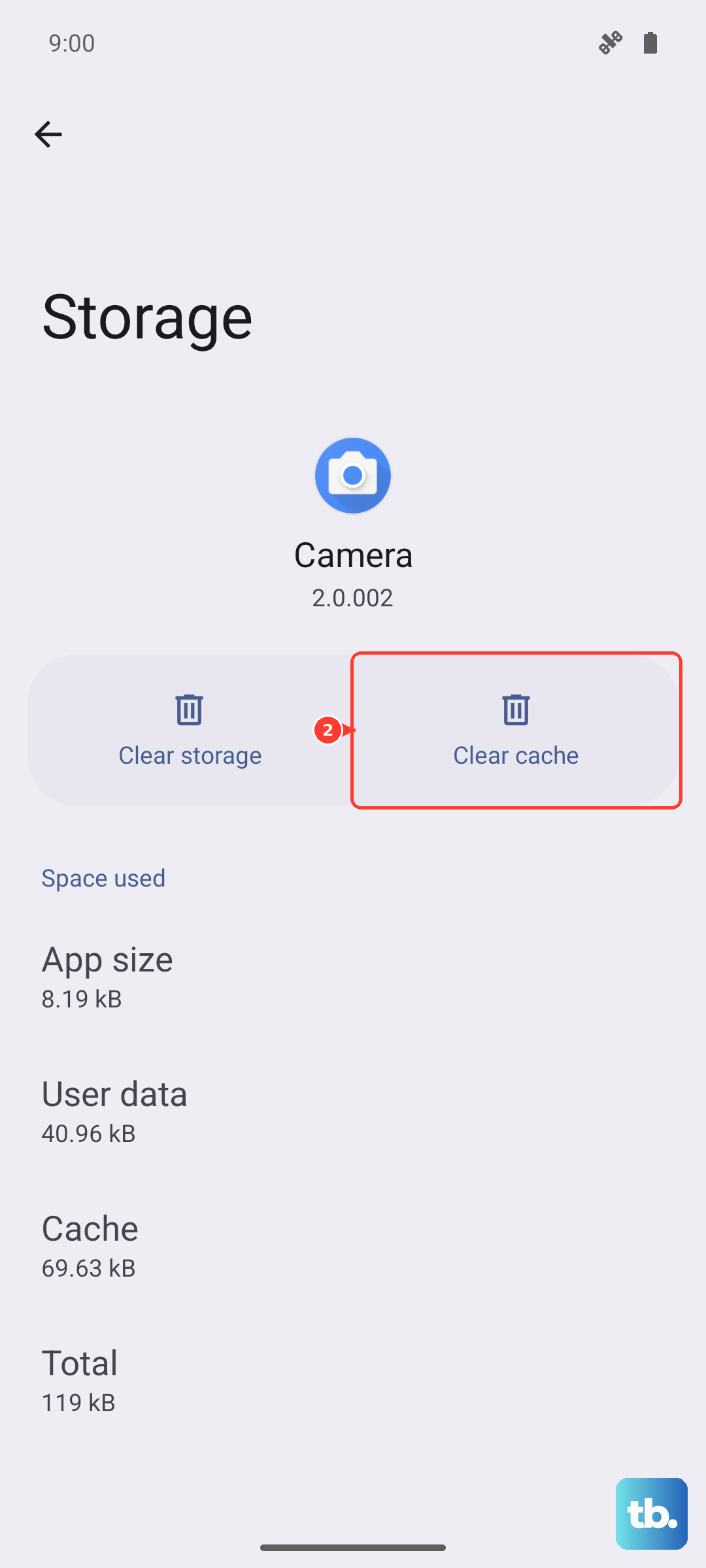
Corrupted data in your mapping app can cause it to freeze or lose your location. Go to Settings > "Apps," find your navigation app, and tap on it. Select "Storage," then tap "Clear cache." This deletes temporary files without affecting your saved places. If the problem persists, you can tap "Clear data." This is more drastic, as it will reset the app to its default state and erase any offline maps or custom settings, but it can wipe out a stubborn software bug.
Test in Safe Mode
If GPS works fine in Safe Mode, you know a third-party app you installed is causing the conflict. To boot into Safe Mode on your A36, press and hold the Side key until the power menu appears. Then, tap and hold the "Power off" option on your screen. You'll see a prompt to reboot into Safe Mode, tap "OK."
Once the phone restarts, you'll see "Safe mode" in the bottom corner. Try opening Google Maps to see if the GPS works properly now. To exit, just restart your phone normally. If the GPS works in Safe Mode, you'll need to uninstall recently downloaded apps one by one to find the offender.
Improve Your GPS Signal Reception
GPS signals are line-of-sight and can be blocked by all sorts of things. If you're indoors, try moving near a window. Thick metal phone cases, especially those with magnetic clasps or mounts, can sometimes interfere with the internal antenna. Try removing your case temporarily to see if accuracy improves.
When you're outside, give your phone a moment to get a solid lock. Hold it still in an open area, avoiding dense tree cover or the "urban canyon" effect of tall buildings. You can also download a free app like "GPS Test" from the Play Store to see exactly how many satellites your phone is connected to, which helps diagnose a weak signal versus a software problem.
Clear the System Cache Partition
This is a deeper clean that doesn't touch your personal data. First, power off your Galaxy A36 completely. Connect it to your computer with a USB-C cable. Then, press and hold both the Volume Up button and the Side key at the same time. When you see the Samsung logo, release only the Side key but keep holding Volume Up until the Android Recovery screen appears.
Use the Volume Down button to highlight "Wipe cache partition," then press the Side key to select it. Confirm the action, and when it's done, select "Reboot system now." This clears out old system files that might be causing conflicts with the GPS and other services.
Check for a Hardware Issue
If you've tried all the software fixes and your GPS is still dead, it's time to consider the hardware. Before assuming the worst, make sure you're testing in an area with a clear sky view. Use that "GPS Test" app I mentioned, if it shows zero satellites even after several minutes outdoors, the GPS antenna or its connection might be faulty.
Since the A36 is a 2025 model, it might still be under warranty. Contact Samsung support to discuss diagnostic options. Hardware issues are rare, but they can happen from a drop or moisture exposure, which could be relevant if your fingerprint sensor has been acting up in humid conditions too, as some users have reported.