
When your Razer Blade 16 keeps dropping its WiFi connection, it's more than just annoying. It can kill a gaming session, interrupt a download, or disconnect you from a crucial meeting. The fixes below cover everything from a quick toggle to deeper driver resets.
Toggle WiFi or Airplane Mode
Click the WiFi icon in your taskbar and turn WiFi off. Wait about ten seconds, then turn it back on. This simple refresh can clear a temporary glitch in the wireless adapter. You can also toggle Airplane mode on and off from the same menu for a more thorough reset.
Run the Windows Network Troubleshooter
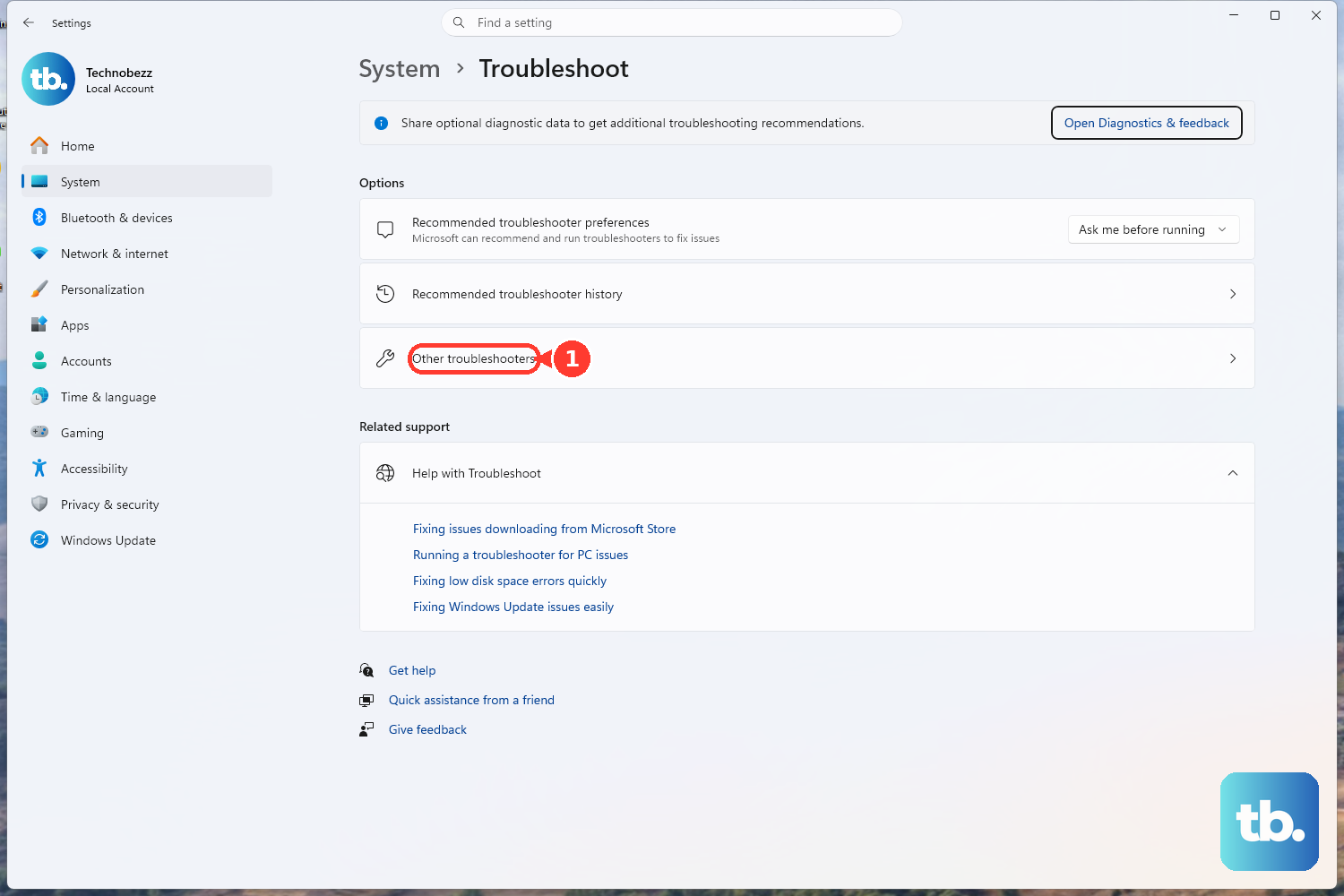
Right-click the WiFi icon in the taskbar and select Troubleshoot network problems. Windows will automatically scan for common issues and try to fix them. On Windows 11, you can also navigate to Settings > System > Troubleshoot > Other troubleshooters and run the Network and Internet troubleshooter from there.
Forget and Re-add Your Network
Go to Settings > Network & Internet > Wi-Fi > Manage known networks. Find your home or work network in the list and click Forget. Then, scan for available networks again and reconnect by entering your password. This clears out any corrupted connection profiles that might be causing the drops.
Restart Your Razer Blade
Click Start > Power > Restart for a full system reboot. Don't just put it to sleep and wake it. A restart clears the network stack and reloads all drivers from scratch, which can resolve driver state issues that cause intermittent disconnections.
Update Your WiFi Driver
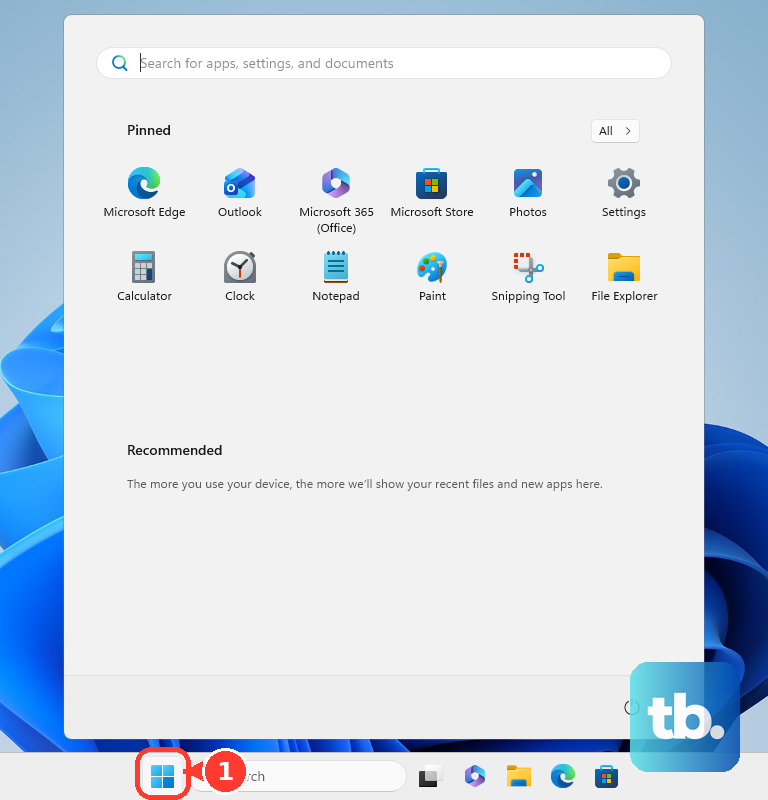
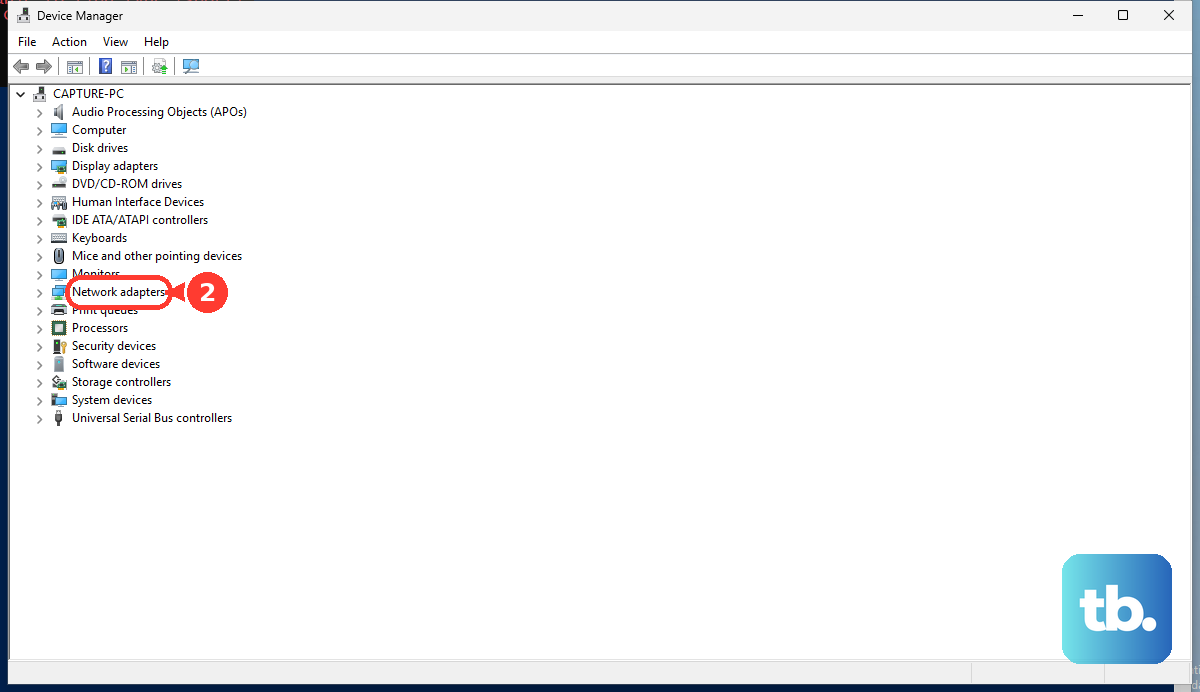
Press Windows + X and select Device Manager. Expand the Network adapters section, right-click your wireless adapter (it might be an Intel or Killer model), and choose Update driver > Search automatically for drivers. If Windows says you have the best driver, I'd visit the Razer support site or the chipset manufacturer's site to download the latest driver manually.
Disable and Re-enable the WiFi Adapter
In Device Manager under Network adapters, right-click your wireless adapter and select Disable device. Wait a moment, then right-click it again and choose Enable device. This forces the adapter to reinitialize without requiring a full system restart, which can sometimes kick it back into a stable state.
Reset Your Network Settings
Navigate to Settings > Network & Internet > Advanced network settings > Network reset. Click Reset now. This will remove and reinstall all network adapters, set network components back to defaults, and clear all your WiFi passwords. You'll need to reconnect to your networks afterward.
Check for Windows and Driver Updates
Head to Settings > Windows Update and click Check for updates. Install any available feature or quality updates. Microsoft often patches networking bugs in these updates. While you're at it, consider updating your NVIDIA GPU drivers directly from NVIDIA's website or the NVIDIA app, as system stability updates can sometimes help.
Flush DNS and Reset Network Stack via Command Prompt
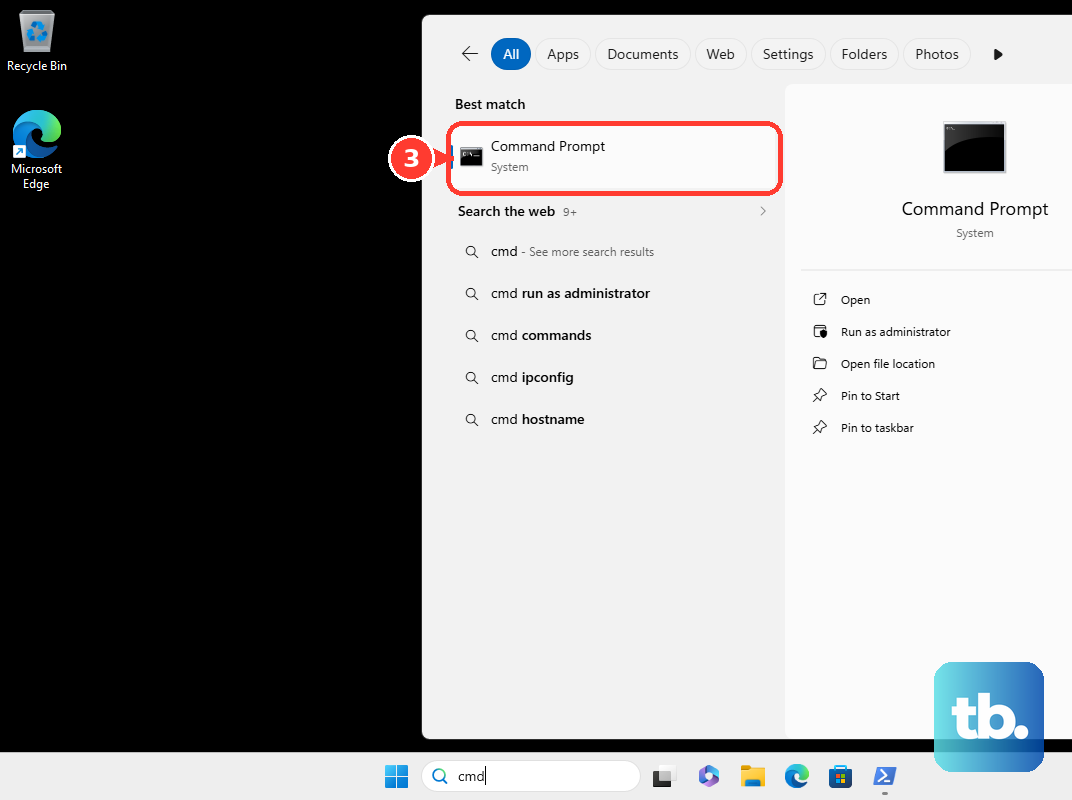
Search for "cmd" in the Start menu, right-click Command Prompt, and select Run as administrator. Type the following commands one at a time, pressing Enter after each: netsh winsock reset, netsh int ip reset, ipconfig /flushdns, ipconfig /release, and ipconfig /renew. Restart your laptop after running all commands.
Check Router and Environmental Factors
If other devices are also having issues, the problem is likely with your router. Try restarting it by unplugging the power for 30 seconds. For the Razer Blade 16 specifically, its metal chassis can sometimes interfere with signal, and high temperatures during gaming might affect component stability. Try moving closer to the router or testing the connection on a phone hotspot to rule out your home network.