

Tesla's domestic sales in China fell 45% year-over-year in January 2026, reaching just 18,485 vehicles according to China Passenger Car Association data. This marks the company's lowest monthly retail figure in the country since November 2022.
The January collapse represents an 80% decline from December's record 93,843 domestic deliveries. While seasonal drops between December and January are typical in China's auto market, a 45% year-over-year decrease exceeds normal patterns.
Tesla's wholesale numbers present a different picture. Giga Shanghai produced 69,129 vehicles in January, a 9.3% increase from the same period last year. However, 50,644 of those units were exported, representing a 71% surge in overseas shipments.
Export volume accounted for 73% of Shanghai factory output in January, up from 47% in January 2025 and 44% in January 2024. This shift transforms Tesla's Chinese manufacturing facility into primarily an export hub rather than a domestic supply center.
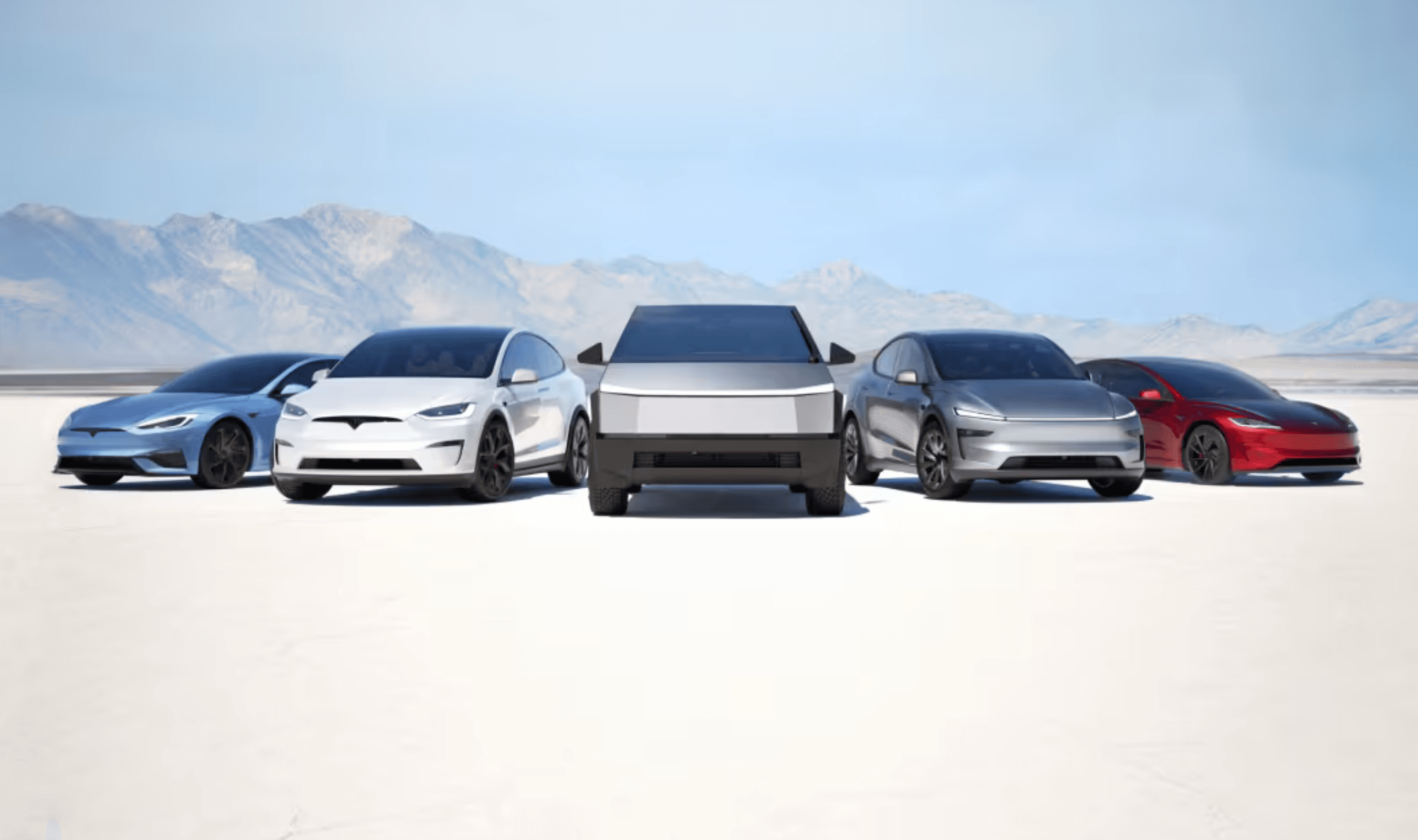
The Model Y remained Tesla's dominant vehicle in China, representing 91% of local deliveries. Model 3 accounted for the remaining 9%. Wholesale data shows Model Y sales reached 38,916 units, a 21% year-over-year increase, while Model 3 volumes totaled 30,213 units, down 2.5% annually.
Chinese consumers faced multiple headwinds in January. A 5% purchase tax on new energy vehicles returned on January 1, 2026 after years of exemption. Vehicle trade-in subsidies expired in most cities during mid-November and remain in transitional phases.
Broader market conditions contributed to the decline. China's total passenger new energy vehicle retail sales fell 20% year-over-year to 596,000 units in January. Battery electric vehicle sales declined 17% during the same period.
Tesla's market share in China's NEV segment dropped to 8% in 2025 from 10% in 2024. The company experienced its first year-over-year decline in domestic retail sales last year, with full-year figures falling 4.78% to 625,698 units.
Competitive pressure intensified throughout 2025. Chinese automakers including BYD launched at least six new models targeting Tesla's Model Y. Xiaomi's YU7 crossover became China's best-selling passenger vehicle in January with 37,869 units, more than double Tesla's entire domestic volume.
Tesla responded with aggressive promotions including 0% financing offers and a first-of-its-kind 7-year ultra-low interest financing program at 0.5%. The company also introduced RMB 8,000 insurance subsidies on Model 3 purchases.
European markets show similar challenges. Tesla registrations in the European Union dropped 45% in January 2025 compared to January 2024, according to European Automobile Manufacturers' Association data. This decline occurred while overall electric vehicle sales in the region increased 37%.
In the United States, Tesla lost its status as the world's largest electric vehicle seller in 2025. Chinese automaker BYD surpassed Tesla's global sales for the first time that year. The Trump administration's elimination of $7,500 federal tax credits for EV purchases contributed to declining U.S. demand.
Tesla's Shanghai factory continues operating at capacity despite domestic sales weakness. The facility exported 50,644 vehicles in January, the second-highest monthly export figure behind October 2022's 54,504 units.
Industry analysts note Tesla faces structural challenges in China. The company sells two aging models against domestic competitors that release fresh products every few months.
Chinese rivals often undercut Tesla on price while matching or exceeding its technology offerings.
Tesla's stock declined approximately 6% during early 2026. The company reported its first annual decline in overall deliveries for 2024, with Model Y refresh efforts beginning in China during March 2025.
The January sales data reveals Tesla's growing dependence on export markets to maintain Shanghai factory utilization. While wholesale numbers show modest growth, domestic consumer demand continues weakening amid intense competition and changing policy conditions.