
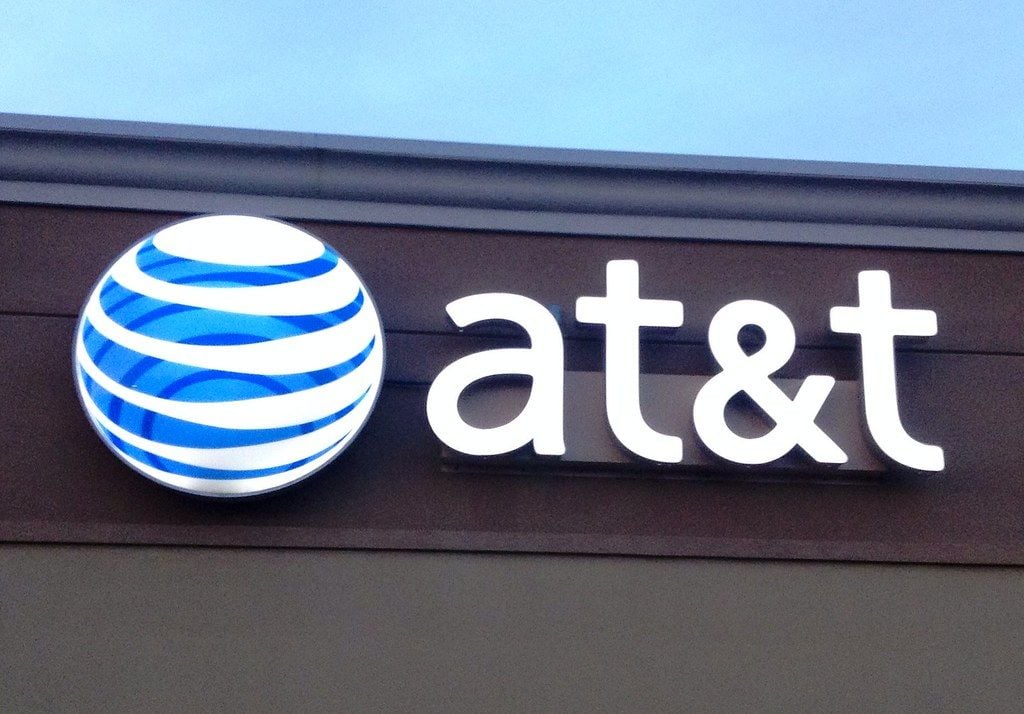
The U.S. Supreme Court will decide whether the Federal Communications Commission's power to impose multimillion-dollar fines violates wireless carriers' constitutional rights. Justices agreed Friday to hear Verizon and AT&T's challenges to nearly $200 million in penalties for sharing customer location data without consent.
Verizon faces a $47 million fine while AT&T must pay $57 million, according to FCC orders issued in 2024. The carriers allegedly sold access to real-time location data to third parties without proper customer authorization. An investigation by the New York Times revealed the data was provided to law enforcement without adequate verification procedures. Data protection experts have long warned about the risks of inadequate security measures for sensitive customer information.
Both companies argue the FCC's enforcement system unconstitutionally deprives them of Seventh Amendment jury trial rights. The dispute centers on whether agencies can assess penalties through in-house proceedings before companies get their day in court. Verizon stated in court filings that "the after-the-fact possibility of a jury trial does not comply with the Seventh Amendment."
Federal appeals courts reached opposite conclusions on the constitutional question. The Fifth Circuit sided with AT&T, ruling the FCC's penalty system violates jury trial rights. The Second Circuit upheld the FCC's authority against Verizon, finding the Constitution permits initial penalty assessments if companies can later challenge them in court.
The Supreme Court's 6-3 conservative majority has taken a narrow view of federal agency power in recent years. In a 6-3 ruling in 2024, the court struck down the Securities and Exchange Commission's in-house fraud enforcement system on similar constitutional grounds. The FCC secured a separate victory in 2025 when justices endorsed its funding mechanism for broadband access programs.
Arguments in the telecom cases are expected by the end of the current term, with rulings likely by June. The decision could reshape how multiple federal agencies enforce regulations and collect penalties. Solicitor General D. John Sauer warned that limiting the FCC's authority would "severely impair the agency's ability to enforce federal communications law."
The Supreme Court also agreed to hear two related regulatory cases. One involves a $2 billion SEC disgorgement order against a California man accused of stock manipulation. Another examines whether Cisco Systems aided Chinese government abuses through internet equipment sales.
All three telecom carriers are represented by Jeffrey Wall, a former Trump administration Supreme Court lawyer now at Sullivan & Cromwell. The consolidated cases represent the latest battle over administrative agency powers before the nation's highest court.