
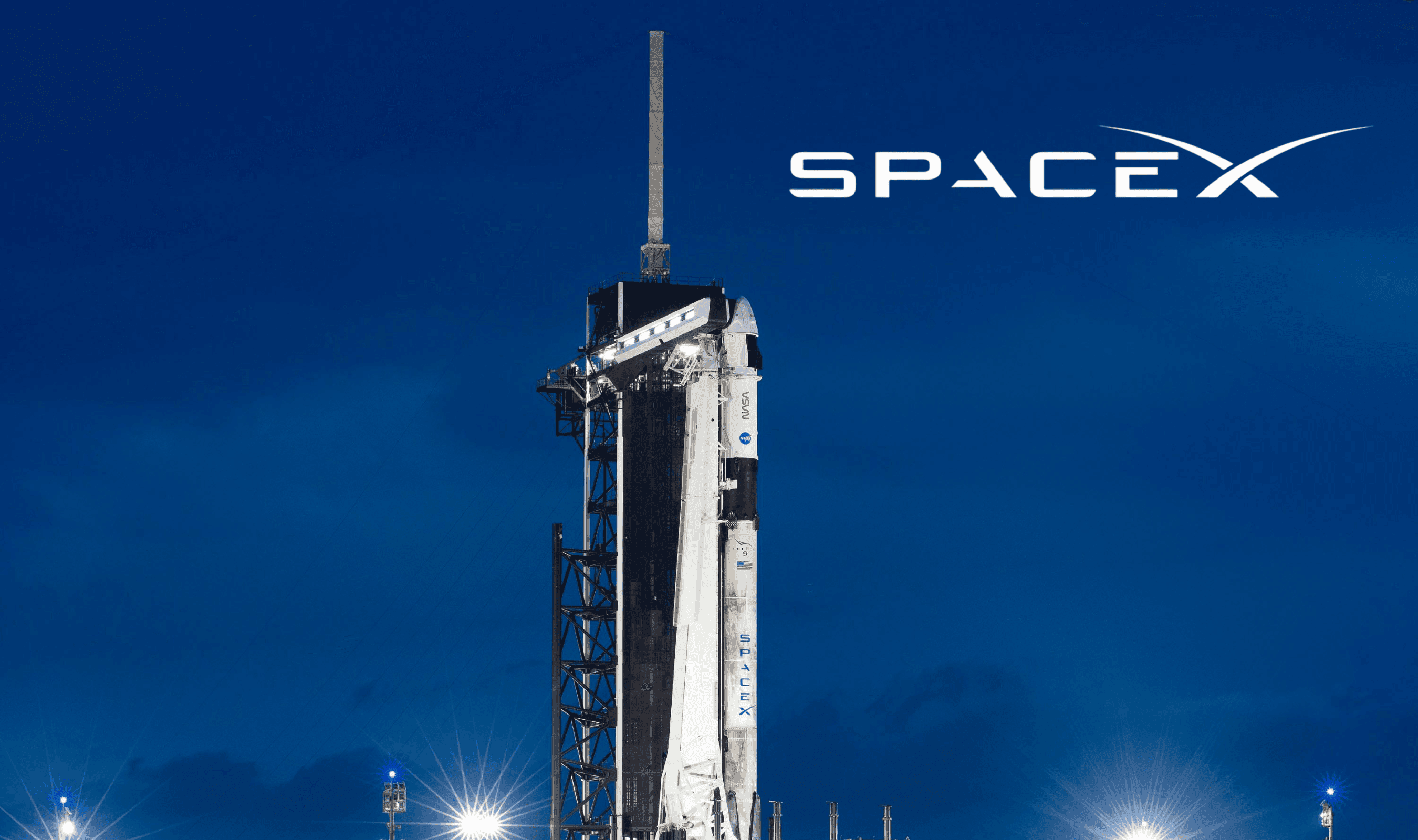
SpaceX's IPO breaks every rule on Wall Street. Here's what retail investors face. SpaceX starts trading Friday under ticker SPCX, and the offering reads like nothing Wall Street has seen. The rocket maker set a fixed price of $135 per share, skipping the customary range-and-adjust process that lets underwriters gauge demand before setting a final number. At that price, the company targets a $1.77 trillion valuation and aims to raise roughly $75 billion, by far the largest IPO in history.
"Elon has dictated the price, and, assuming investors go for it, you can check that box," Lise Buyer, founder of IPO consultancy Class V Group, told CNBC. "But somebody still has to determine where the shares are going."
That allocation question is where retail investors come in. Most IPOs reserve only 5% to 10% of shares for individual buyers, according to Fidelity.
SpaceX plans to steer up to 30% to so-called mom-and-pop investors through Charles Schwab, Fidelity, Robinhood, SoFi and E-Trade by Morgan Stanley. Fidelity is lowering its usual minimums, letting customers with as little as $2,000 in their accounts participate, down from the $100,000 to $500,000 thresholds typical for other equity offerings.
Demand may still outstrip supply. The company warned that not everyone who expresses interest will receive shares.
The financials behind the hype are sobering. SpaceX carries $29.1 billion in debt as of the end of March.
It lost $4.9 billion last year and another $4.3 billion in just the first three months of 2026. The company acknowledges in regulatory filings that it "may not achieve profitability in the future." For quick-flip traders, the risks go beyond the balance sheet.
Brokerages often block investors from future IPO participation if they sell shares within a couple weeks of buying them, a policy that could trap speculators who bet on a first-day pop. The typical IPO gained 7% on day one between 1980 and 2025, according to University of Florida professor Jay Ritter, an IPO expert. But over the following five years, those same stocks underperformed comparable companies by an average of 3.6% annually.
Then there is the governance question. SpaceX is selling 555.6 million shares of Class A stock, each carrying one vote.
It is not offering Class B shares, which carry 10 votes apiece. Elon Musk owns so many Class B shares that he alone will control more than 82% of voting power after the IPO.
Pension fund officials from California and New York sent SpaceX a letter last month opposing the structure. The CEO of the California Public Employees' Retirement System, the New York state comptroller and the New York City comptroller wrote that the super-voting shares make Musk "essentially unfireable without his own consent." They called the arrangement "virtually unheard of among any other large U.S. issuer."
Investors who never buy a single SpaceX share could still end up owning some. The Nasdaq recently changed its rules to let large companies enter the Nasdaq 100 index after just 15 trading days, meaning SpaceX could quickly land in the QQQ exchange-traded fund, which holds roughly $460 billion in assets. The S&P 500 has not made a similar change.
One final warning for anyone searching for the ticker: SPCX is one letter off from SPCE, the symbol for Richard Branson's Virgin Galactic.