
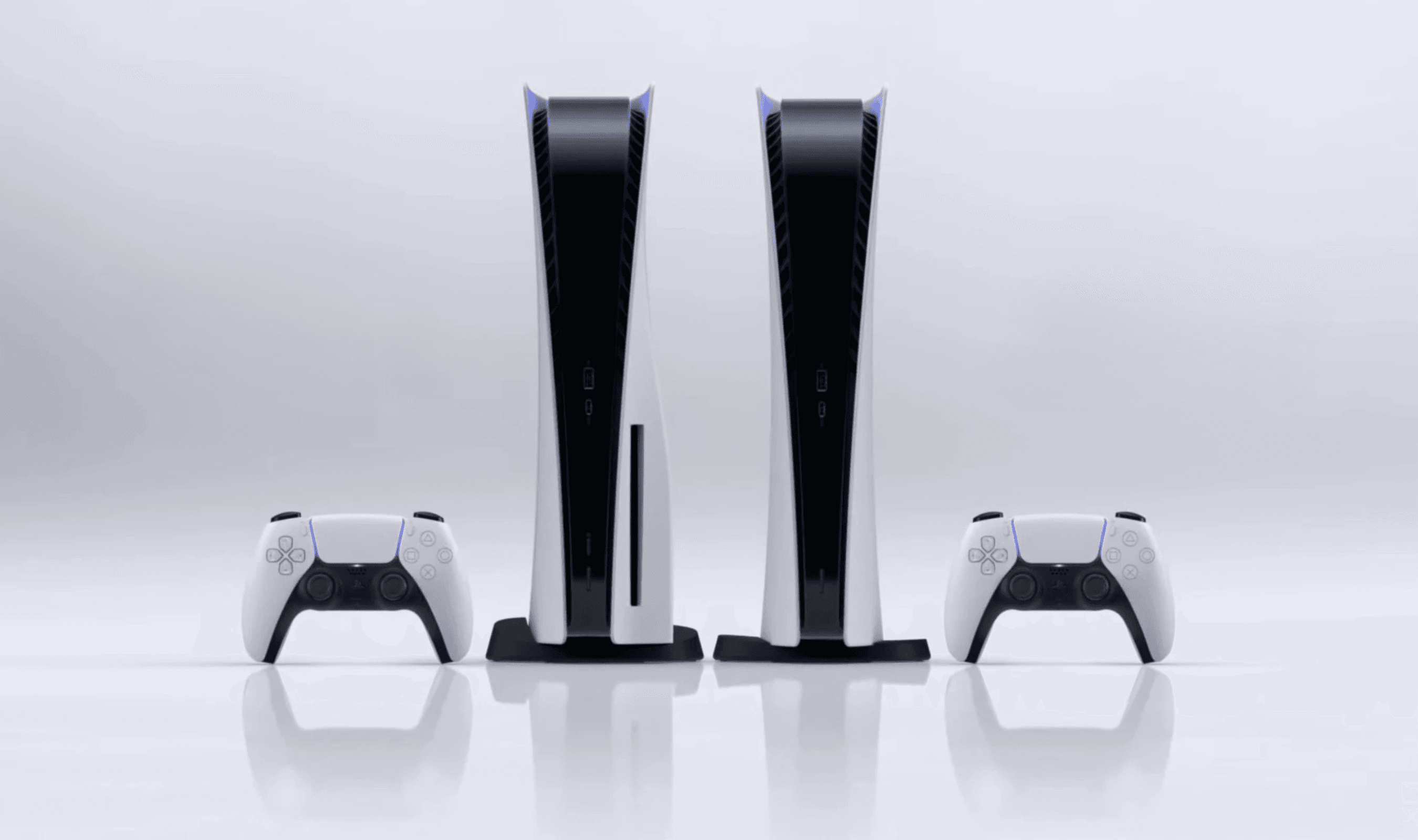
The AI memory crunch that has driven up RAM prices for PCs is now hitting console makers, with Sony reportedly considering a PlayStation 6 delay to 2029 and Nintendo weighing a Switch 2 price increase this year.
According to Bloomberg, both companies face pressure from memory shortages as AI data centers consume an increasing share of chip production. Sony may push its next PlayStation debut to 2028 or even 2029, while Nintendo could raise the Switch 2's $450 price tag.
Sony's potential delay represents a major disruption to its console launch cadence. The company has typically released new PlayStation hardware every six to seven years since the original model debuted in 1994.
With the PlayStation 5 launching in November 2020, a PS6 arriving in late 2027 would have maintained that pattern.
Nintendo faces different calculations with its portable Switch 2 already on the market. The company reportedly cannot absorb rising memory costs without either raising prices or selling at a loss.
The memory squeeze stems from chipmakers diverting capacity to lucrative AI components, tightening supply for gaming hardware. Market trackers including TrendForce report DRAM contract prices rising sharply in recent cycles, with high-bandwidth memory capacity effectively sold out and tightness spreading to GDDR and LPDDR used in consoles.
Neither Sony nor Nintendo has publicly commented on the reports. However, Nintendo president Shuntaro Furukawa recently told shareholders during an earnings call that while there are "no current plans" for a Switch 2 price increase, the company monitors market conditions closely.
"If the situation deteriorates significantly, we will carefully assess market trends and respond," Furukawa said according to IGN. "Any decision to change the price will be determined comprehensively."
The memory shortage extends beyond gaming consoles. Valve recently announced Steam Deck availability has become intermittent due to supply constraints, while automotive manufacturers face similar pressures as modern vehicle features increasingly require DRAM and NAND flash memory.
This industry-wide crunch could push the PlayStation 6 launch to 2029.