
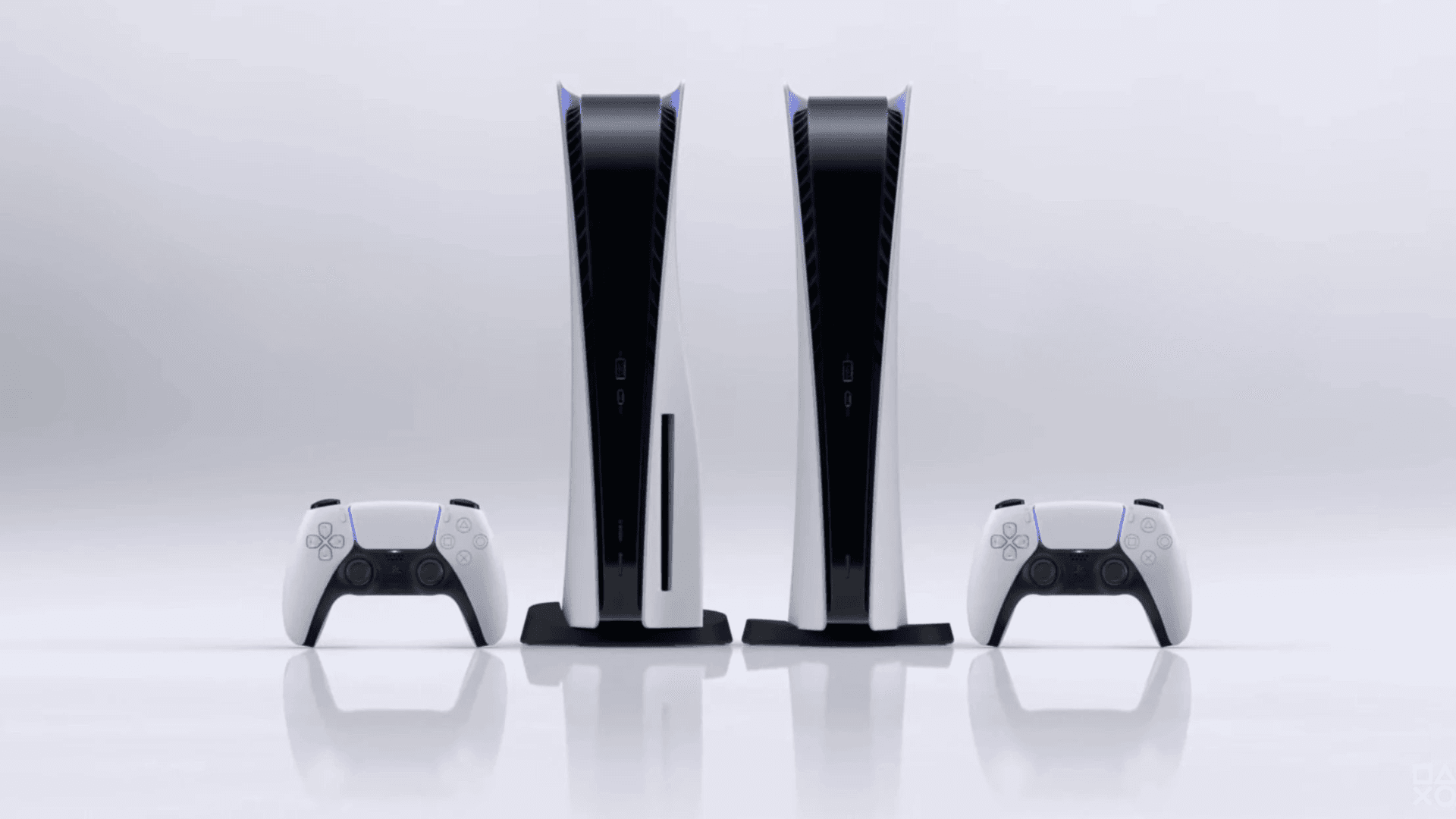
Sony's PlayStation 6 could face manufacturing delays into 2029 due to global RAM shortages, potentially pushing the console's release beyond its original 2027-2028 target window according to industry reports. The hardware crisis affecting tech manufacturers worldwide has forced Sony to reconsider mass production timelines for its next-generation system.
Gamers are celebrating the delay across Reddit and gaming forums, with many expressing relief at avoiding another expensive console purchase. "That's fine, we don't really need new consoles yet," reads one highly-rated comment, reflecting widespread sentiment that the PlayStation 5 era has barely begun. Multiple users echoed "sounds great to me" in response to the delay news.
The PlayStation 5, launched in 2020, has sold over 80 million units and continues to dominate current-generation console sales. With typical console cycles lasting 7-8 years, the PS5's sixth anniversary in 2026 positions it midway through its expected lifespan. Industry analysts note Sony has yet to fully exploit the platform's capabilities.
RAM procurement represents the primary bottleneck, according to Insider Gaming reports cited by multiple sources. While boutique manufacturers might manage limited production, Sony requires millions of units for a successful PlayStation 6 launch. The global shift toward AI hardware has intensified competition for memory components across the technology sector.
Price concerns compound the delay challenges. The PlayStation 5 launched at $499 in 2020 but reached $549.99 by August 2025, while the PS5 Pro hit $699 at launch and now sells for $749.99. These increases have gamers anticipating a minimum $700 price tag for PlayStation 6, with some speculating about $1,000+ premium models.
"Better than a $1500 PS6 I guess," commented one Reddit user, capturing financial anxieties surrounding next-generation hardware. Sony reportedly wants to avoid asking consumers to pay nearly $1,000 for what might be perceived as an incremental upgrade over current systems.
Microsoft's confirmed development of a next-generation Xbox adds competitive pressure. The company announced a multi-year AMD partnership in June 2025 for its upcoming next-generation console, potentially forcing Sony's hand if Microsoft reveals its system first. Historical precedent shows early launches can establish market dominance, as demonstrated by Xbox 360's advantage over PlayStation 3.
Grand Theft Auto VI's potential 2027 release could align with delayed PlayStation 6 timing, creating a powerful launch title scenario. While Rockstar won't make GTA VI a console exclusive, an optimized PS6 version could drive hardware adoption. The game's anticipated system demands might showcase next-generation capabilities unavailable on current hardware.
PlayStation Plus's shift away from PS4 titles in January 2026 signals Sony's focus on current-generation platforms. This transition pressures PS4 owners to upgrade to PS5 hardware rather than waiting for PlayStation 6, potentially smoothing the eventual transition to next-generation systems.
AMD's RDNA 5 GPU architecture, reportedly comparable to Nvidia's RTX 4080, could power PlayStation 6 according to leaks. However, AMD's own price increases for components might further complicate Sony's cost calculations for the final console pricing.
The extended PlayStation 5 lifecycle allows developers to maximize current hardware potential. Major upcoming titles like GTA VI and new Divinity installments will push PS5 capabilities, addressing complaints that this generation has primarily delivered enhanced PS4 experiences rather than native next-generation software.
Nintendo's Switch 2 launch earlier in 2025 avoided the current component crisis, securing its position before RAM shortages intensified. This strategic timing gives Nintendo breathing room while Sony and Microsoft navigate supply chain challenges for their next-generation systems.
Industry observers suggest 2026 represents an ideal window for PlayStation 6 teasers or announcements, even with delayed availability. Early reveals could maintain consumer excitement while managing expectations about extended development timelines and potential premium pricing.
The collective fan response indicates changing attitudes toward console generations. "I think people would be excited for a longer console life cycle," noted one commenter, suggesting gamers prefer substantial technological leaps over frequent incremental upgrades. This sentiment aligns with industry trends toward backward compatibility and extended platform support.
Sony must balance hardware innovation against economic realities and consumer willingness to upgrade. The PlayStation 6 delay, while challenging from a competitive standpoint, provides additional development time and could result in more significant technological advancements when the console eventually launches.