

Samsung is pulling back from its ultra-thin smartphone ambitions after disappointing sales of last year's Galaxy S25 Edge, casting doubt on whether there will be a direct competitor to Apple's iPhone Air this year.
The company's Mobile Experience COO Won-Joon Choi revealed that sales of the 5.8mm-thick device were "relatively lower than other lineups," with supplier forecasts showing only about 300,000 units produced between September and December 2025 compared to millions of standard Galaxy S25 models.
"We haven't made a decision when to have a next one, but it's still being considered,"
Choi said in an interview following the Galaxy S26 launch. The retreat extends beyond slim phones to Samsung's most ambitious foldable experiment. The company has not committed to releasing another TriFold, its $2,900 smartphone that unfolds twice into a tablet-sized display.
Initial batches sold out on Samsung's website earlier this year, but Choi acknowledged the device remains a niche luxury purchase limited by its engineering complexity and price.
Instead of chasing headline-grabbing form factors, Samsung is shifting focus toward features with broader consumer appeal. The new Privacy Display on the Galaxy S26 Ultra narrows viewing angles by selectively switching off pixels, making screens harder to read from the side, technology originally intended for last year's model but delayed by technical challenges.
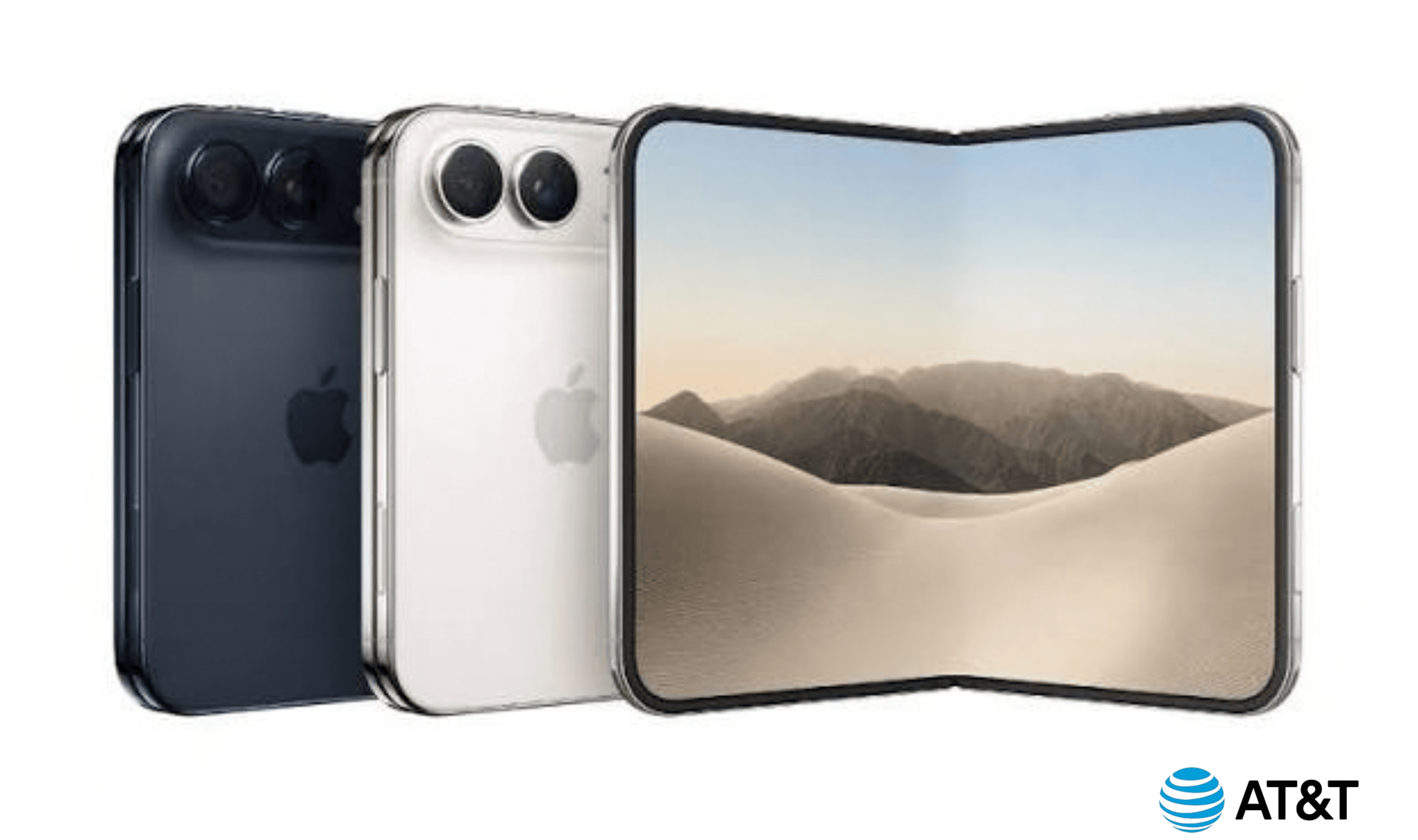
Apple faces similar market realities with its own thin phone experiment. The iPhone Air has seen "slim sales compared to its higher-end offerings like the iPhone 17 Pro," according to reports, suggesting consumers prioritize battery life and functionality over extreme thinness.
Samsung's pivot shows a industry recalibration where innovation must prove it can sell, not just impress technically.
The company is exploring a wider version of its standard Galaxy Z Fold that could deliver some entertainment benefits of the TriFold at lower cost, while continuing development of next-generation S-Pen technology aimed at reducing design trade-offs. For now, buyers looking for ultra-thin alternatives will find fewer options as both major smartphone makers reassess whether radical hardware experiments justify their market costs.