


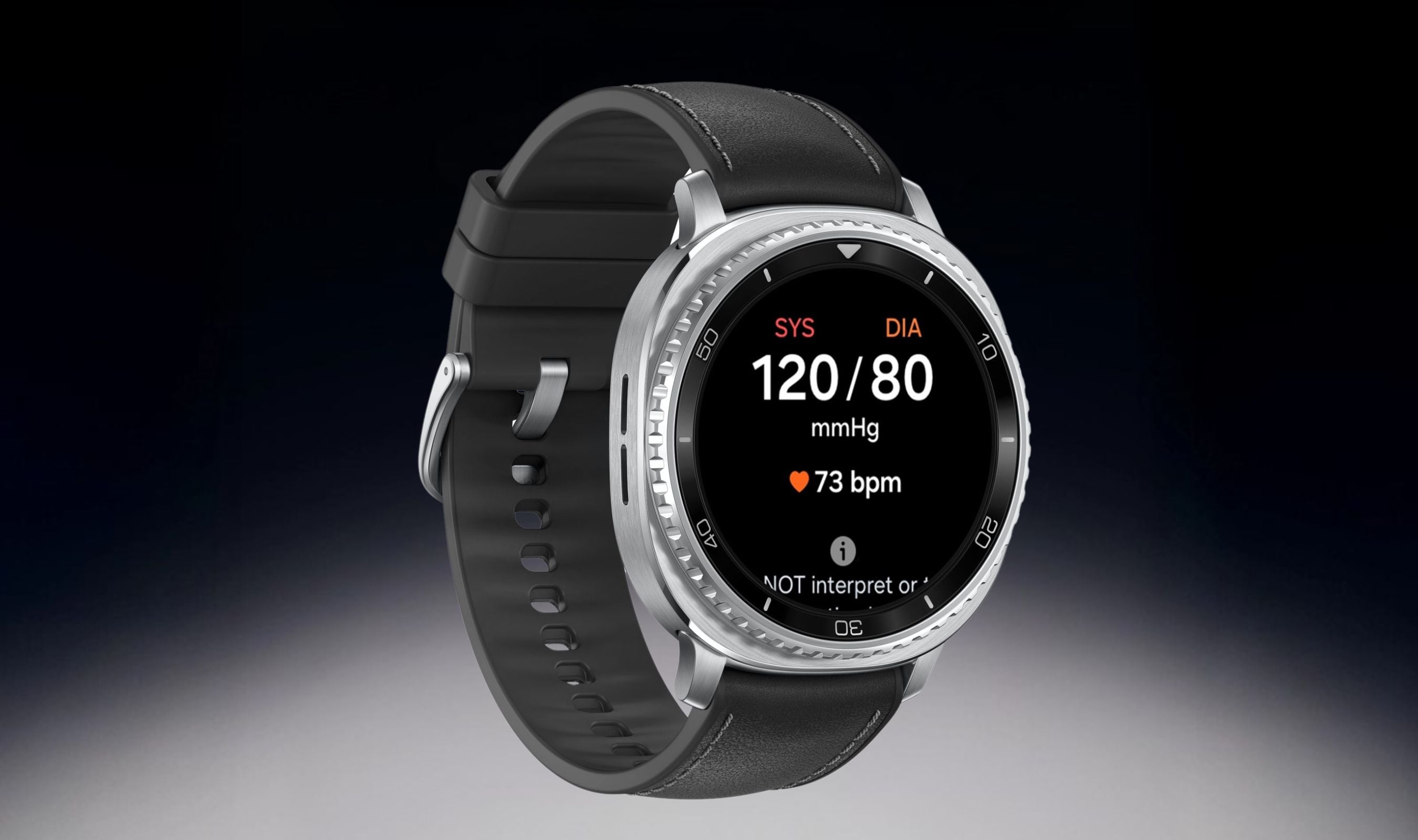
Six years after launching in South Korea, Samsung's Galaxy Watch blood pressure tracking has finally reached U.S. users with a significant catch: you need an actual blood pressure cuff to make it work.
The feature began its phased rollout on March 31, arriving on Galaxy Watch 4 models and newer after years of regulatory delays. Unlike Apple's hypertension alerts that debuted last September, Samsung's system provides actual systolic and diastolic readings rather than just warnings.
There's a fundamental limitation baked into the technology. Galaxy Watch owners must calibrate their device using a traditional upper-arm blood pressure cuff every 28 days, with the cuff sold separately.
Between calibrations, the watch uses its heart rate sensors to estimate changes in blood pressure based on the baseline established by the medical-grade device.
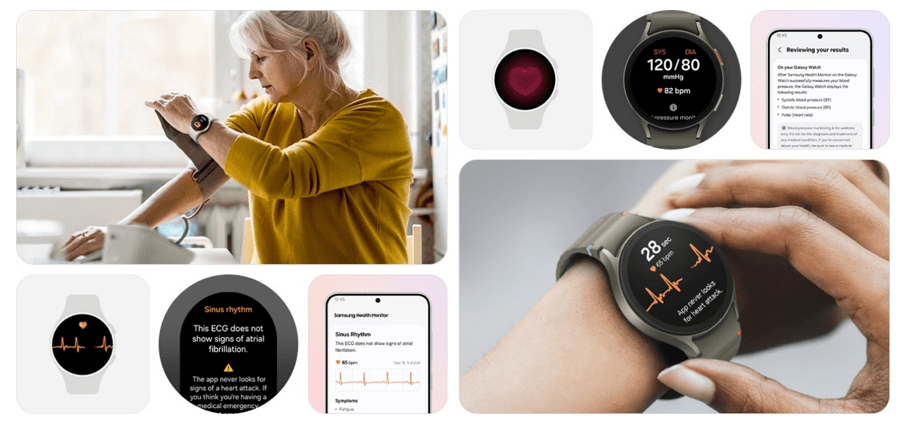
This approach lets Samsung classify the feature as "wellness" rather than medical, avoiding FDA clearance requirements that stalled its U.S. release. A similar regulatory workaround was used by fitness tracker maker Whoop last year.
Compatibility extends back to the Galaxy Watch 4 series released in 2021, requiring Watch OS 4.0 or higher paired with a Samsung Galaxy phone running Android 12 or later. The Samsung Health Monitor app becomes available for download once a compatible watch connects to a phone.
Apple's competing hypertension detection system takes a different path. Available on Series 9 watches and newer since September 2025, it monitors for signs of high blood pressure and alerts users when detected.
Those users then need to track readings twice daily for a week using traditional monitors before consulting healthcare providers.
Samsung's announcement notes that passive blood pressure trend monitoring will arrive later this year, potentially addressing one current limitation: today's implementation requires manual on-demand readings rather than continuous background tracking.
The timing matters given public health statistics showing nearly half of U.S. adults, about 120 million people, have high blood pressure according to CDC data. Having convenient wrist-based tracking could help more people monitor cardiovascular health between doctor visits.
Blood pressure joins existing FDA-authorized health features on Galaxy Watches including sleep apnea detection, ECG readings, and irregular heart rhythm notifications.