
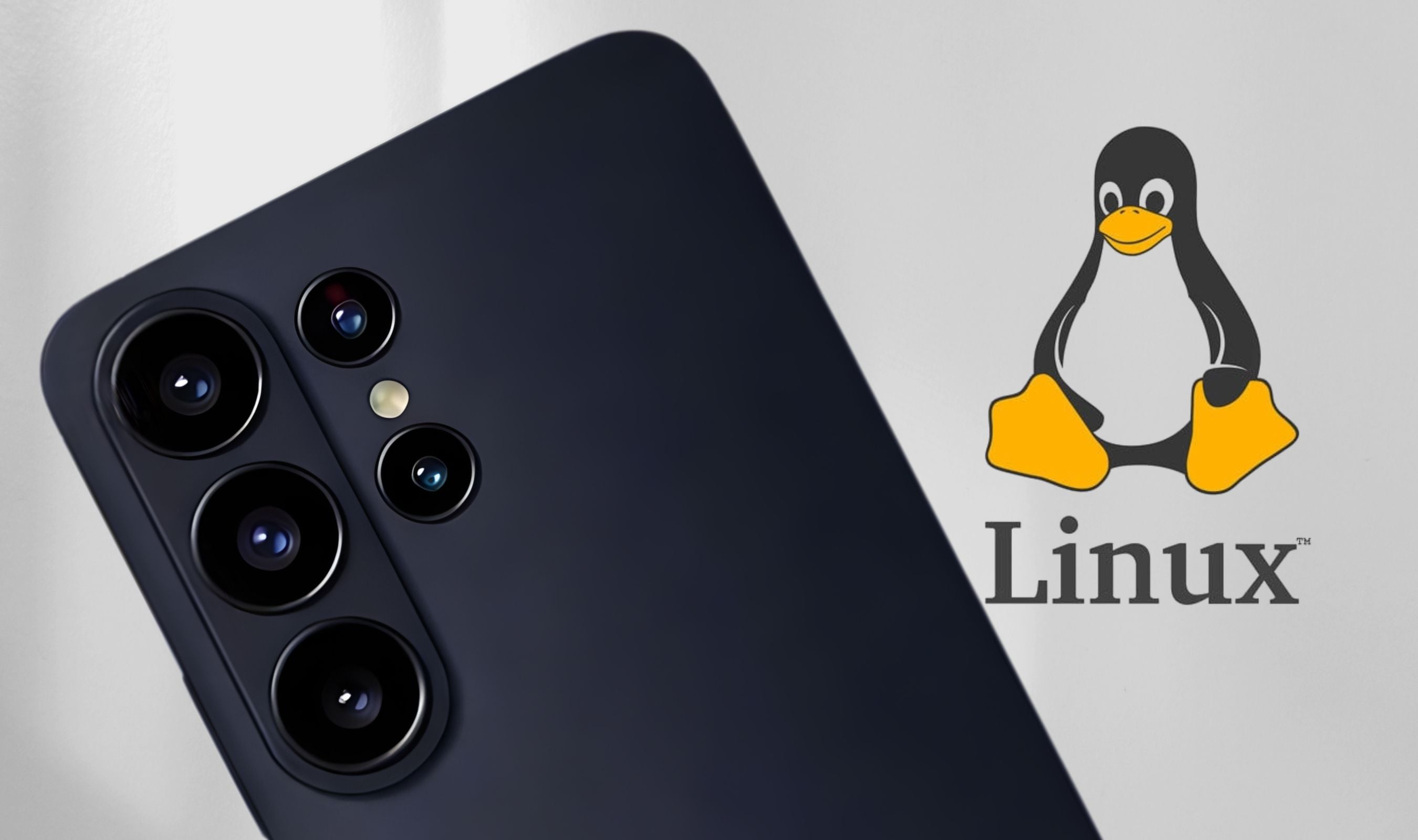
Samsung's Galaxy S26 Ultra may include Android Virtualization Framework support for Linux Terminal functionality, according to code analysis of early builds. The feature would enable professional coding software and computer-like applications directly on the device.
Log files from S26 Ultra development builds reference 'android.software.virtualization_framework', the technical foundation required for Linux Terminal operation. Google Pixel devices have offered this capability since March 2025, while Samsung's current S25 Ultra lacks the software implementation despite sufficient hardware power.
The virtualization framework transforms smartphones into portable development environments. Developers could run command-line tools, compile code, and execute scripts without laptop dependencies. Samsung's DeX desktop mode provides basic computer emulation, but Linux Terminal offers native command-line access.
Samsung plans to unveil the S26 Ultra at its February 25 Unpacked event. The company typically launches new Galaxy S flagships in February, with this year's model expected alongside One UI 8.5 software. Early One UI 8.5 betas already include 25x video zoom for S25 Ultra devices, suggesting feature parity between generations.
Power users represent a growing smartphone segment seeking professional-grade tools. Google's Linux Terminal implementation on Pixel devices created market differentiation that Samsung now appears to address. The S26 Ultra's potential virtualization support follows Samsung's software improvement trajectory documented in recent years.
Android Central's one-year S25 Ultra review noted Samsung's software leadership position. The company delivered Android 16 updates ahead of schedule and maintained consistent feature additions. Linux Terminal integration would extend this software advantage into developer-focused functionality.
Samsung's software strategy contrasts with hardware-focused competitors. While the S26 Ultra reportedly includes moderate camera improvements and design refinements, virtualization support represents a software differentiation. The company's Good Lock customization suite already provides unique Android utilities unavailable elsewhere.
Market analysts observe increasing demand for mobile development tools. Remote work trends and cloud computing adoption make portable coding environments more valuable. Samsung's potential Linux Terminal implementation arrives as developers seek alternatives to traditional laptop workflows.
The S26 Ultra's virtualization capability remains unconfirmed for commercial release. Code references indicate development progress but don't guarantee final inclusion. Samsung typically finalizes software features closer to launch, with February 25 providing official confirmation.
Early adopters considering S26 Ultra upgrades should monitor virtualization framework developments. The feature would distinguish Samsung's flagship from competitors while addressing a longstanding gap with Google's Pixel software ecosystem. Samsung's February event will clarify whether Linux Terminal support reaches consumers.