
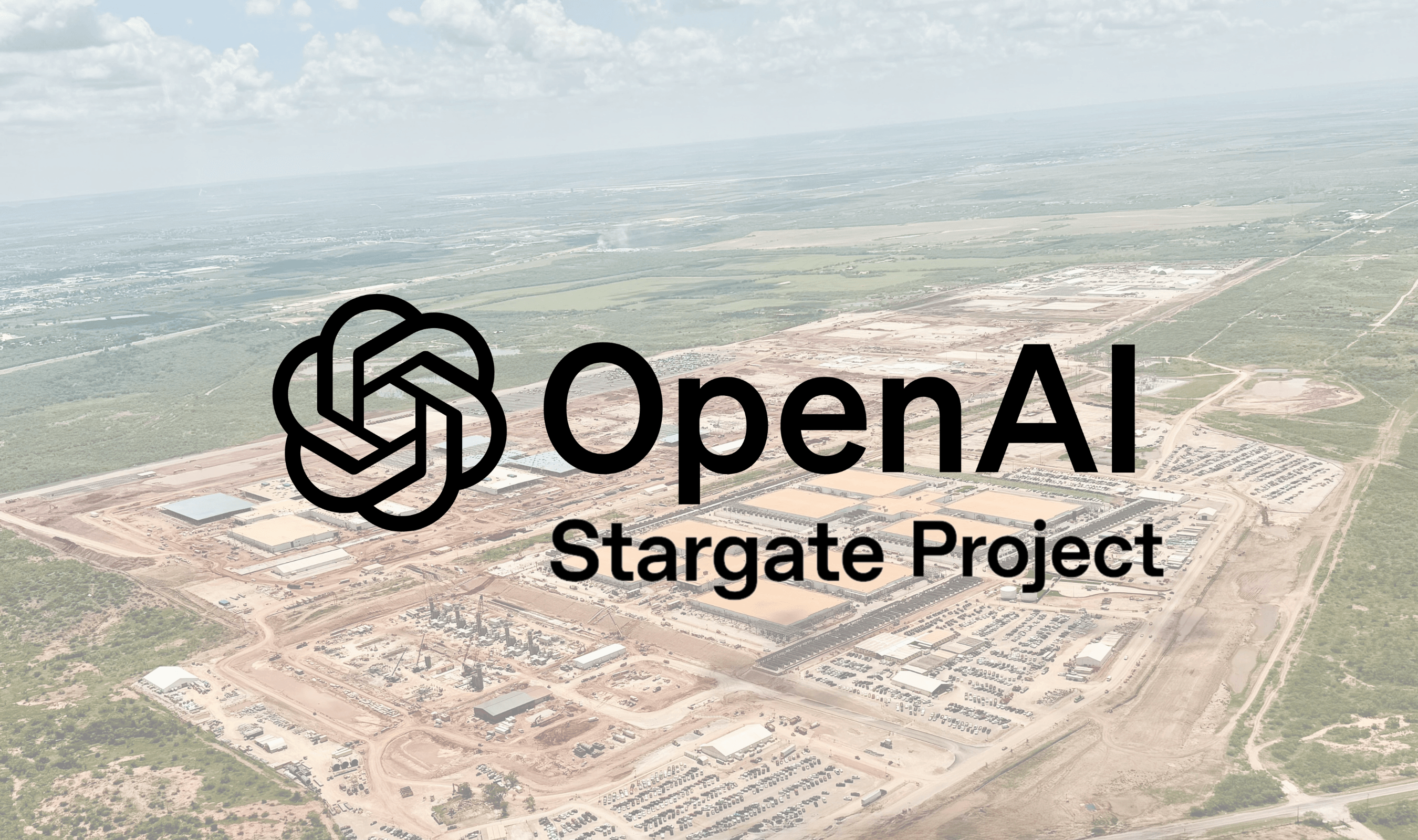
OpenAI's $500 billion Stargate data center venture has stalled amid disputes with partners Oracle and SoftBank, forcing the AI leader to scramble for alternative computing power just as it projects needing $600 billion for infrastructure through 2030.
More than a year after its White House announcement, the joint venture hasn't hired staff or actively developed data centers, according to The Information. Partners have argued over responsibilities and financing terms, with lenders reportedly unwilling to back projects from a company with an unproven business model and heavy losses.
The gridlock comes as OpenAI tells investors it expects to spend about $600 billion on computing infrastructure through 2030, significantly increasing earlier projections.
The company generated approximately $13 billion in revenue last year, exceeding internal expectations but still facing massive compute demands.
OpenAI is now turning to cloud partners and alternative hardware to fill the gap. The company signed additional compute deals with Amazon Web Services and Google Cloud to cover near-term shortages, according to Reuters reports cited by multiple sources.
It also strengthened ties with cloud provider CoreWeave while exploring partnerships with AMD and AI accelerator startup Cerebras for alternative hardware solutions.
"Hardware is hard."
Elon Musk responded to reports of the delays with this pointed remark on X. In a follow-up post he added, "Those who have tried to do so at scale will understand." Musk co-founded OpenAI in 2015 but left in 2018 over disagreements about the company's direction.
The Stargate project was announced at the White House in early 2025 as a joint venture designed to deliver 10 gigawatts of AI computing capacity. Executives had scouted US sites and explored raising billions in debt to fund large-scale campuses before the partnership stalled.
OpenAI reached a compromise with SoftBank where it will sign long-term leases and control facility designs while SoftBank Energy develops and owns projects. The company also announced a separate 4.5 gigawatt partnership with Oracle last July that would bring total Stargate capacity under development to over 5 gigawatts running more than 2 million chips.
Despite these arrangements, OpenAI no longer sees building and owning its own data centers as an immediate priority, according to reports.
Instead, executives are pursuing what one source called "control without ownership", locking in priority access and custom designs through partnerships rather than direct construction.
The computing shortfall arrives as competitors expand their footprints. Google DeepMind and Anthropic have rapidly increased their computing capacity, raising concerns that OpenAI's delays could erode its technological edge.
OpenAI recently began running early training workloads on Nvidia GB200 racks delivered by Oracle last month, using this capacity for next-generation frontier research as it works toward its projected $600 billion infrastructure investment through 2030.