

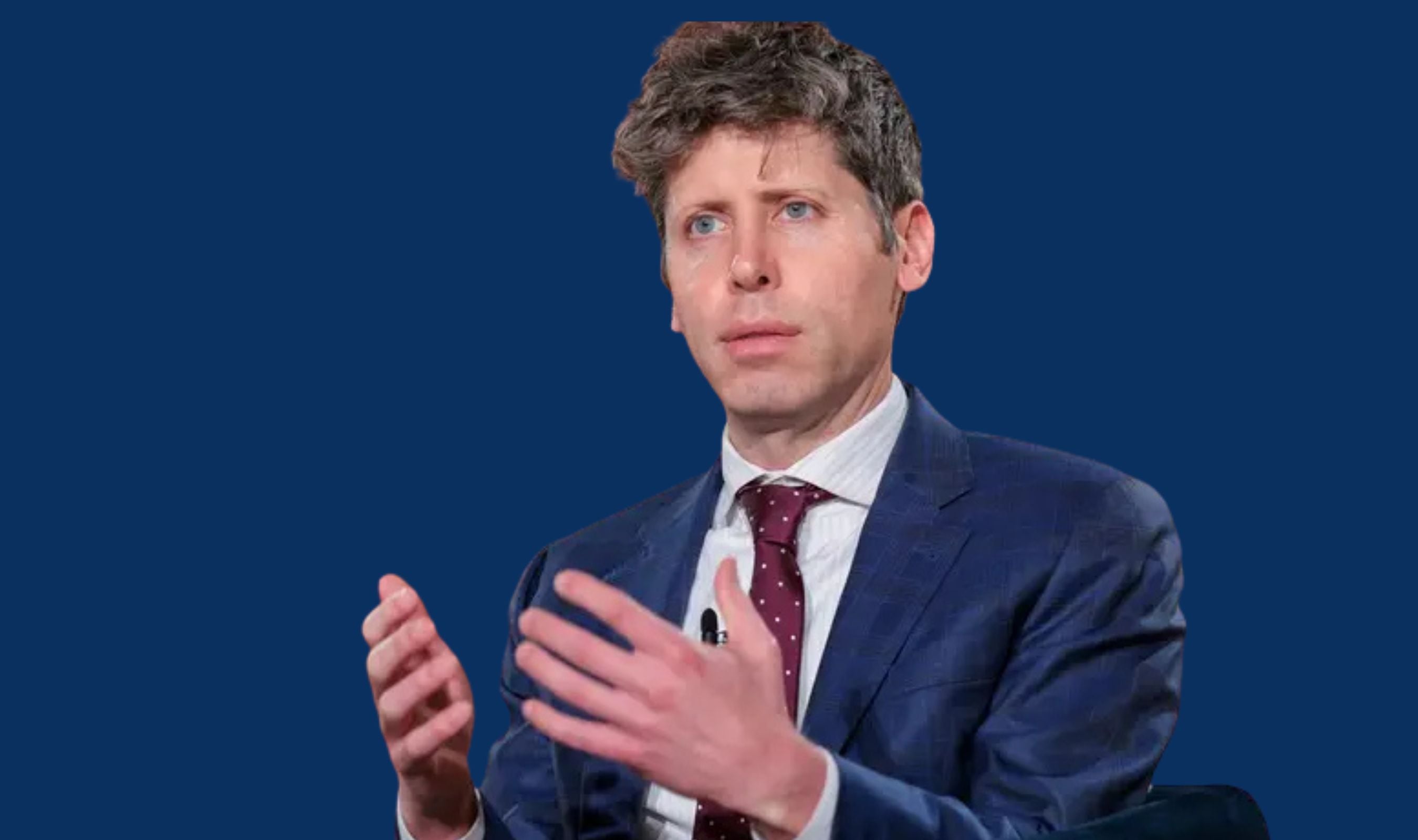
OpenAI has published a 13-page policy blueprint warning that artificial intelligence could fundamentally reshape capitalism and calling for radical economic reforms including robot taxes, a public wealth fund, and a four-day workweek. The document titled "Industrial Policy for the Intelligence Age: Ideas to keep people first" proposes what CEO Sam Altman describes as a new social contract on the scale of the Progressive Era and New Deal. Released on Monday as Congress prepares to debate AI legislation, the blueprint arrives at a moment when OpenAI is preparing for an IPO after closing a $110 billion private funding round.
Altman told Axios that AI superintelligence is so close and disruptive that incremental policy updates won't be enough.
"We are entering a new phase of economic and social organization that will fundamentally reshape work, knowledge, and production,"
OpenAI states in the document.
The most radical proposal calls for a Public Wealth Fund that would give every American citizen direct stakes in AI-driven economic growth. Modeled after Alaska's Permanent Fund which distributes oil revenues to residents, this nationally managed fund would be seeded partly by contributions from AI companies themselves and invest in both AI firms and businesses adopting the technology.
OpenAI suggests shifting taxation from payroll toward capital gains and corporate income as AI hollows out wage-based revenue that currently funds Social Security. The document floats "taxes related to automated labor", effectively endorsing what has been described as a robot tax, alongside higher reliance on capital-based taxes.
For workers facing displacement, OpenAI proposes automatic safety net triggers tied to economic data. When AI displacement metrics hit preset thresholds, temporary increases in unemployment benefits, wage insurance, and cash assistance would automatically activate then phase out when conditions stabilize.
The company frames shorter workweeks as an "efficiency dividend" from AI-driven productivity gains. It suggests policymakers run time-bound 32-hour workweek pilots with no loss in pay that maintain output levels, potentially converting automation benefits into permanent reductions in working hours.
In perhaps the most chilling section, OpenAI acknowledges scenarios where dangerous AI systems "cannot be easily recalled" because they're autonomous and capable of replicating themselves. The document includes containment playbooks for rogue AI scenarios requiring government coordination.
Altman warned that major cyberattacks enabled by near-future AI models are "totally possible" within the next year. He also noted that using AI models to create novel pathogens is "no longer theoretical."
The policy paper serves dual purposes as both corporate strategy and genuine warning. OpenAI positions itself as the responsible actor proposing solutions while shaping regulation before regulation shapes them.
Anthropic has occupied similar territory with CEO Dario Amodei writing in 2024 that AI superintelligence would mean current economic organization "will no longer make sense."
OpenAI acknowledges its proposals are ambitious but intentionally early and exploratory. The company has established a pilot program offering fellowships and research grants up to $100,000 plus up to $1 million in API credits for work building on these policy ideas.
Altman told Axios he wants these ideas debated seriously:
"Some will be good. Some will be bad. But we do feel a sense of urgency."
The document represents an unprecedented move by a tech company racing to build technology while warning it could require dismantling fundamental aspects of modern capitalism.