
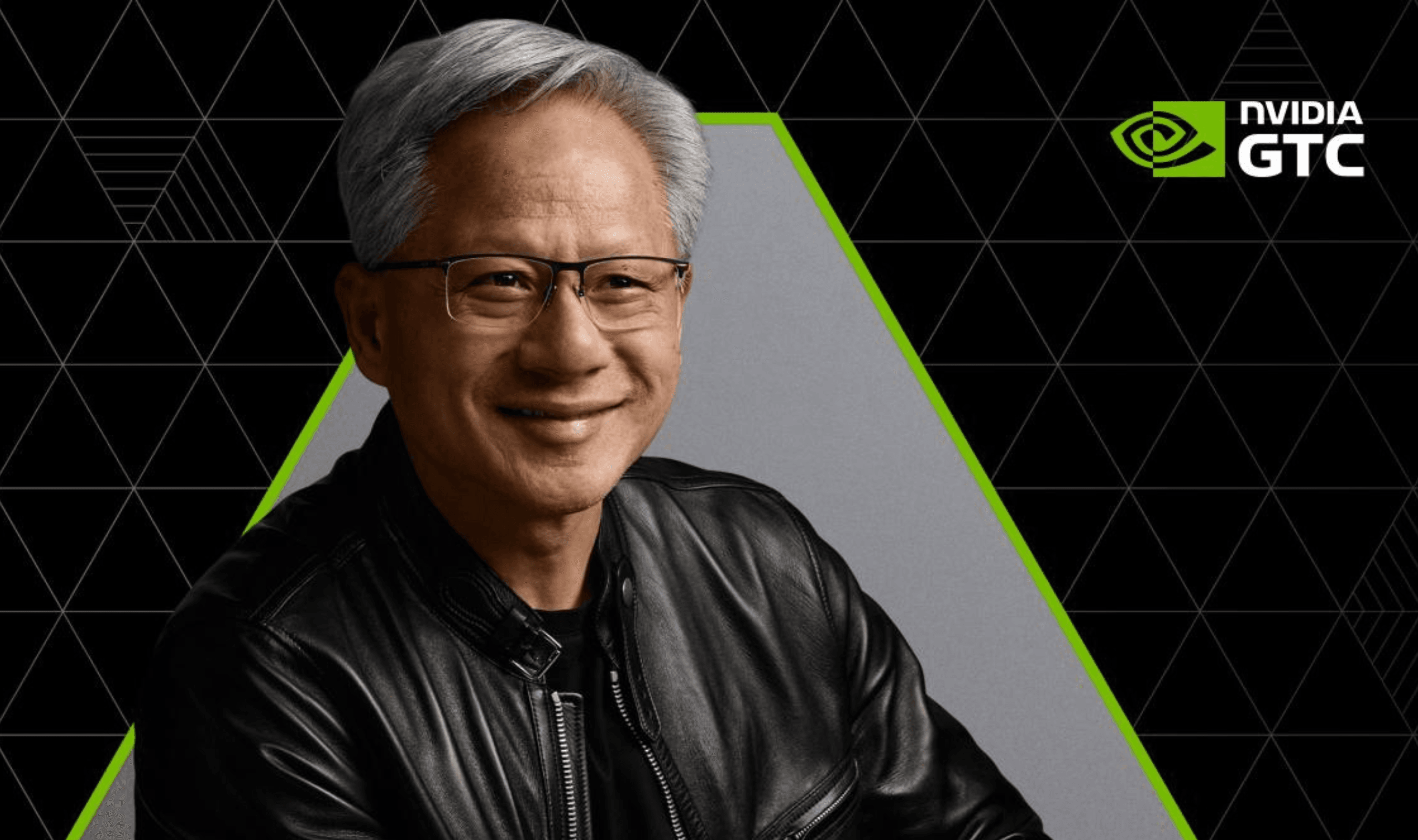
NVIDIA's annual developer conference kicks off next week with CEO Jensen Huang expected to outline a major expansion beyond AI training into the competitive inference market. The GPU Technology Conference 2026 runs from March 16-19 in San Jose, California, drawing tens of thousands of developers and business leaders.
Huang's two-hour keynote begins Monday at 11am Pacific Time from the SAP Center, home of the San Jose Sharks. The presentation will be livestreamed globally through NVIDIA's official channels.
Industry analysts anticipate hardware and software announcements targeting what NVIDIA considers key for its AI strategy. On the hardware side, reports suggest a new chip architecture optimized specifically for AI inference, the process where trained models generate responses.
This move aims to extend NVIDIA's dominance beyond training, where it commands an estimated 80% market share, into territory currently contested by custom chips from Google, Amazon and others.
Software developments include NemoClaw, an open-source platform reportedly designed for creating autonomous enterprise AI agents. Originally detailed by Wired, this platform would provide businesses with standardized tools to develop AI software capable of executing complex tasks without constant human oversight.
The conference also marks the first major showcase since NVIDIA's $20 billion licensing deal with inference company Groq in late 2025. Attendees will be watching for details on how Groq's technology integrates with NVIDIA's existing offerings and scale.
Beyond the keynote, GTC 2026 features hundreds of sessions across healthcare, robotics, autonomous vehicles and climate science. A pre-show event starting three hours before Huang's presentation includes CEOs from Perplexity, LangChain, Mistral, Skild AI and OpenEvidence discussing industry developments.
Huang will moderate a panel on open versus closed AI models immediately following his keynote, featuring LangChain cofounder Harrison Chase alongside leaders from A16Z, AI2 and other organizations. The discussion centers on where open models stand against frontier closed systems and what that means for developers building on them.