
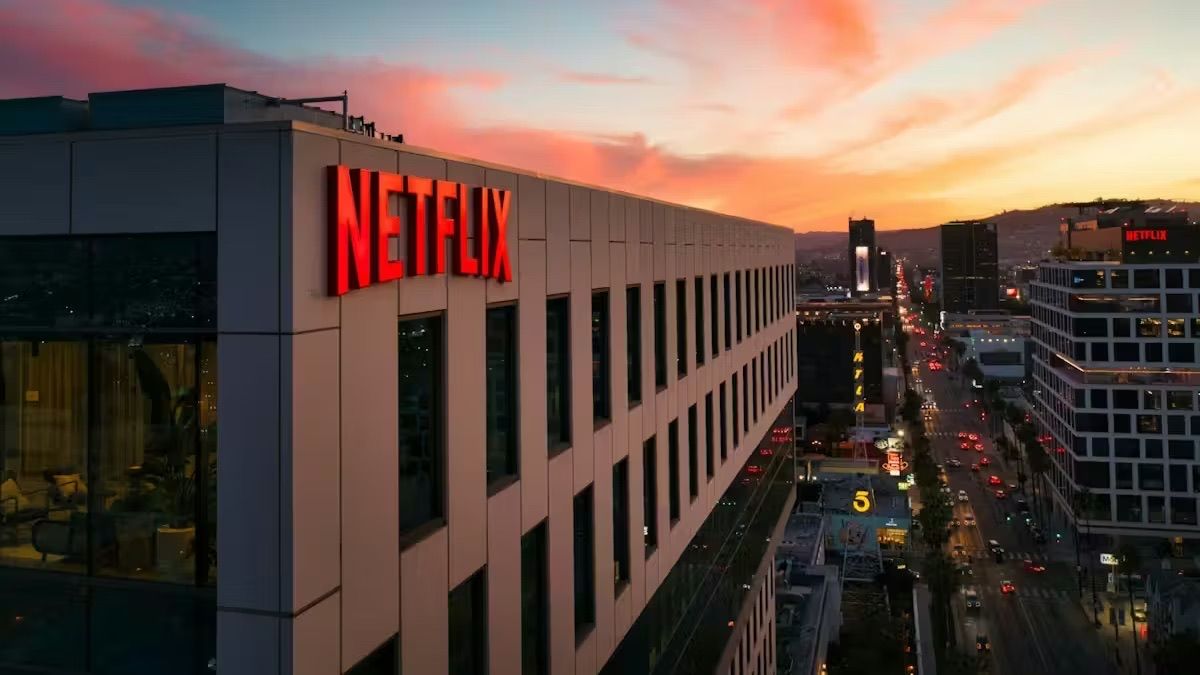
The streaming wars just got a whole lot more interesting. In a move that feels like something straight out of a Hollywood script, Netflix announced Friday it's acquiring Warner Bros. Discovery's studio and streaming business in a deal valued at approximately $82.7 billion. This isn't just another corporate merger, it's the kind of tectonic shift that only comes around once in a generation, combining the world's largest streaming service with one of Hollywood's most storied studios.
Let's break down what's actually happening here. Netflix is paying $27.75 per share for Warner Bros. Discovery, which translates to an equity value of $72 billion. When you factor in debt, the total enterprise value hits that eye-watering $82.7 billion figure. The deal, which follows weeks of intense bidding that reportedly included Paramount Skydance and Comcast, gives Netflix control of Warner Bros.' legendary film and television studios along with the HBO Max streaming service.
Here's the thing: Netflix isn't buying the whole company. Warner Bros. Discovery had already announced plans back in June to split itself into two separate publicly-traded entities. The cable networks division - which includes CNN, TNT Sports, and Discovery channels - will spin off into a new company called Discovery Global. Netflix is specifically acquiring the streaming and studios business, which means HBO, HBO Max, Warner Bros. Television, Warner Bros. Motion Picture Group, and DC Studios will all become part of the Netflix empire.
The Financial Mechanics Behind Hollywood's Biggest Deal
So how does a streaming company come up with $82.7 billion? According to sources familiar with the negotiations, Netflix secured a staggering $59 billion in financing from a consortium of banks under an effort nicknamed "Project Noble." The cash-and-stock transaction includes a $5.8 billion breakup fee, meaning if regulators block the deal, Netflix still has to pay Warner Bros. that amount. On the flip side, Warner would owe Netflix $2.8 billion if they back out.
The financial implications are massive. Netflix estimates it will find $2 billion to $3 billion in annual cost savings, mostly through eliminating overlaps in support and technology areas. For perspective, that's more than the entire annual revenue of some mid-sized studios. The company expects the transaction to be accretive to earnings per share by year two, with those cost savings materializing by the third year.
Market reaction has been telling. Warner Bros. Discovery shares rose nearly 2% after U.S. markets opened Friday, while Netflix shares fell nearly 2%. Warner Bros. Discovery shares were up 3.5% in midday trading. Analysts point out that Netflix is paying $72 billion for just the streaming and studio divisions : more than Warner Bros. Discovery's entire market capitalization of $60 billion before the deal was announced.
What Netflix Actually Gets (And What It Means For You)
For Netflix subscribers, this deal could fundamentally change what's available on the platform. Think about it: Warner Bros. brings with it franchises like "Harry Potter," "Game of Thrones," DC Comics properties, "Friends," "The Big Bang Theory," and "The Sopranos." That's on top of HBO's prestige television library and Warner's century-deep film catalog that includes classics like "Casablanca" and "The Wizard of Oz."
Netflix co-CEO Ted Sarandos said in a statement: "Our mission has always been to entertain the world. By combining Warner Bros.' incredible library with our global reach, we can give audiences more of what they love."
But here's where it gets really interesting for moviegoers. Netflix has traditionally avoided theatrical releases for its own content, preferring to drop films directly on its platform. However, as part of this deal, Netflix has reportedly promised to continue releasing Warner Bros. films in theaters and honor existing theatrical commitments. This represents a significant strategic shift for a company that once declared its goal was to "give our members exclusive first-run movies on Netflix."
The Regulatory Hurdle That Could Derail Everything
Now for the elephant in the room: antitrust scrutiny. This deal will face intense regulatory review in the United States and other countries, and there are already warning signs that it won't be smooth sailing.
The merger would create a streaming behemoth with control of close to half the streaming market. Netflix currently boasts over 300 million paying subscribers worldwide, while HBO Max (combined with Discovery+) has around 128 million subscribers. That's a combined subscriber base that dwarfs every other streaming service.
US Senator Elizabeth Warren, a Democrat, called the potential merger an "anti-trust nightmare," while the National Association of Theatre Owners warned that "the negative impact of this acquisition will impact theatres from the biggest circuits to one-screen independents in small towns in the United States and around the world."
Regulators will be looking closely at whether this deal reduces competition in Hollywood. Paramount, which was also bidding for Warner Bros., argued in a letter that offers from Netflix and Comcast both "present serious issues that no regulator will be able to ignore." The concern is that Netflix, already the dominant streaming player, could use its increased scale to squeeze competitors and control pricing in ways that harm consumers.
The Bidding War That Almost Went Another Way
What many people don't realize is how close this deal came to going in a completely different direction. Paramount Skydance, under CEO David Ellison, was reportedly the first and most aggressive bidder, offering around $30 per share according to sources familiar with the matter. Their offer included financial backing from three Middle Eastern sovereign wealth funds and would have given them control of everything, including the cable networks.
Netflix's initial bid was reportedly around $28 per share, mostly in cash. But here's the strategic difference: Paramount wanted the whole company, while Netflix specifically targeted the streaming and studio assets that align with its core business. This focus likely made Netflix's offer more attractive despite the lower per-share price, especially given the regulatory challenges that would come with acquiring news networks like CNN.
The bidding process moved quickly, with Warner Bros. Discovery opening up the process after receiving three consecutive offers. Netflix emerged as the winner with what appears to be the highest bid for the specific assets it wanted, setting up exclusive talks to finalize the deal.
What Happens Next (And When)
If everything goes according to plan, and that's a big "if" given the regulatory landscape; here's the timeline. The transaction is expected to close after Warner Bros. Discovery completes its separation of the Discovery Global division, which is now projected for the third quarter of 2026. That means we're looking at a 12 to 18 month window before this deal becomes official.
During that time, Netflix has said it expects to maintain Warner Bros.' current operations. David Zaslav, CEO of Warner Bros. Discovery, will step down following the completion of the merger, but the creative executives and production capabilities are expected to remain in place.
For the entertainment industry, this deal represents more than just corporate consolidation. It signals a fundamental shift in how Hollywood operates. As one analyst put it, "If Netflix acquires Warner Bros., the streaming wars are effectively over." The combined entity would have unprecedented control over content creation, distribution, and pricing, potentially reshaping everything from how movies get made to what shows get greenlit.
The question now isn't just whether regulators will approve this deal, but what Hollywood looks like on the other side. One thing's for sure: the entertainment landscape will never be the same.