
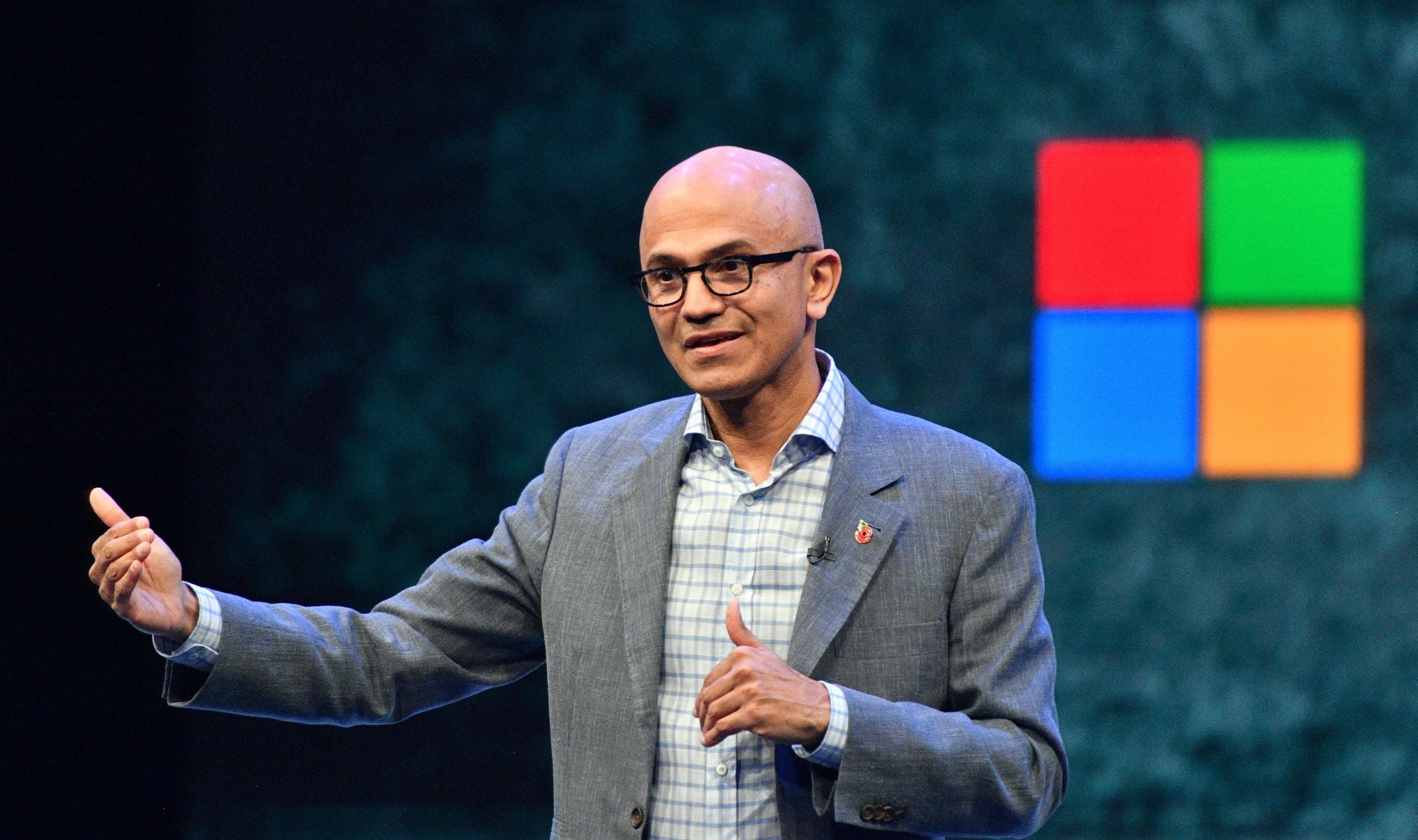
Microsoft will continue offering Anthropic's Claude AI through its products despite the Pentagon labeling the startup a national security risk, creating a direct conflict between corporate partnerships and government security directives.
The software giant announced Thursday that its legal team reviewed the Defense Department's "supply chain risk" designation and concluded Anthropic products can remain available to customers through platforms including Microsoft 365, GitHub, and AI Foundry. The exception applies only to Department of War contracts, where access will be phased out over six months.
Microsoft becomes the first major technology company to publicly defy the Trump administration's crackdown on Anthropic, which began last week when Defense Secretary Pete Hegseth verbally designated the AI startup a security threat. President Donald Trump boasted about severing military ties with Anthropic, telling supporters "I fired them like dogs because they shouldn't have done that."
The decision maintains access to Claude for millions of enterprise users while isolating military applications, preserving a partnership that includes $30 billion in Azure cloud commitments from Anthropic and up to $5 billion in Microsoft investment. Company lawyers determined the supply chain risk designation applies specifically to defense contracts rather than commercial deployments.
Anthropic immediately challenged the Pentagon's action, announcing plans for legal action against what CEO Dario Amodei called a "legally unsound" precedent for companies negotiating with government agencies. The startup argued its objections centered on prohibiting mass domestic surveillance and fully autonomous weapons systems, not broader military applications.
OpenAI moved swiftly into the void left by Anthropic's dispute, announcing its own deal with the Defense Department to provide AI technology for classified networks. The competing AI company agreed to support "all lawful uses of AI for national security" without Anthropic's restrictions on surveillance and autonomous weapons.
Negotiations reportedly resumed between Anthropic and Pentagon officials this week despite public hostilities, according to Financial Times and Bloomberg sources. Amodei has been discussing contract terms with Undersecretary of Defense Emil Michael, though both executives have publicly disparaged one another through social media exchanges.
The conflict jeopardizes approximately $60 billion in recent financing for Anthropic while threatening its planned public offering this year. Though the disputed Pentagon contract represents only $200 million of the company's $14 billion revenue stream, investor confidence has been shaken by government opposition.
Microsoft's stance provides critical commercial stability for Anthropic as it navigates legal challenges against what Amodei described as "safety theater" safeguards that fail to address genuine national security concerns.